Welcome to the August 2015 Carnival of Natural Parenting: Life Learners
This post was written for inclusion in the monthly Carnival of Natural Parenting hosted by Code Name: Mama and Hobo Mama. This month our participants have talked about how they continue learning throughout life and inspire their children to do the same.
***

Although I graduated nearly 15 years ago, my education is not finished. In fact, I would say that I’ve learned more since finishing formal schooling than I ever did in school. My husband never had the opportunity to attend school for any length of time, so nearly all his knowledge, which is considerable, has been self-taught. The idea of life-long learning is an important concept for our family.

Business learning
For a time, I ran my own online business selling children’s organic and homemade items. There was so much to learn. Things like product presentation, taxes, establishing a customer base, web design, networking, marketing, and Ebay were not new to me in theory, but in practice…well that’s a whole different story. What I didn’t realize at the time is that the things I learned in the 18 months or so that I ran my hobby business were just a taste of things to come. Like kindergarten to the business world.
I closed my business when we made the move to Mexico, 9 years ago. Since then, we have “failed” at a number of businesses here. Although for the most part, they were not profitable monetarily, we did learn quite a bit in the process and therefore, don’t consider these ventures a waste of time. The businesses we have failed at include a produce truck, taco stand, clothing store, bread baking endeavor, tire repair shop, bricklaying, ranching, farming, gardening, essay writing, and blogging to name a few. Currently, my husband and I have steady employment, part-time employees, part-time owners. I run my own Saturday school and afternoon tutoring sessions but also work for a private elementary school during the week. My husband maintains our mini-ranch and sharecropping endeavors in the mornings and is the maintenance man for the same school in the afternoons. Being gainfully employed doesn’t mean that we’ve stopped looking for ways to expand our knowledge base. Recently I was asked to write essays for a Business English course. (See Failing at your own business–University courses) Not only did it pay well, but I learned quite a bit about Business English which I have now incorporated into my Saturday classes, teaching interested students how to write memos and other office documents. My husband was also offered a part-time position at a liquor store. He comes home eager to share what he learned about types of alcohol, inventory processes, and delivery systems.
So how does this impact our son? He told me just the other day that he’s decided he’s not going to work for anyone else but be his own boss. Entrepreneur in training I’d say. (Making a Living Without a Job, revised edition: Winning Ways for Creating Work That You Love)
Cultural Learning
Besides learning how to make a living, I’ve had to learn how to navigate a different culture since moving to Mexico. This includes not only learning new vocabulary but also learning how things are done. I know that I’m far from proficient, but I think I’ve made some progress. I accredit my minuscule advancement to my willingness to make a lot of mistakes and ask endless questions. Who would have thought I’d have to relearn how to bury a person (See Mass and Burial–Mexican Style) or how to shop for groceries? How about learning how to wash clothes in the stream? Or how to buy land?
Natural Learning
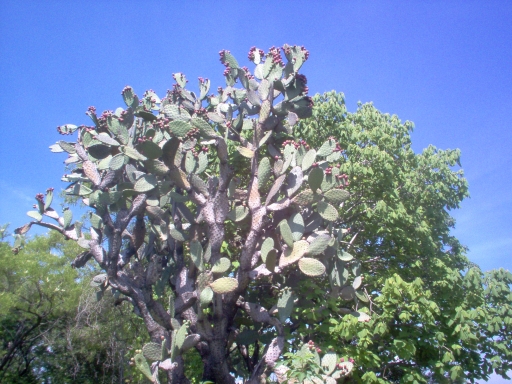
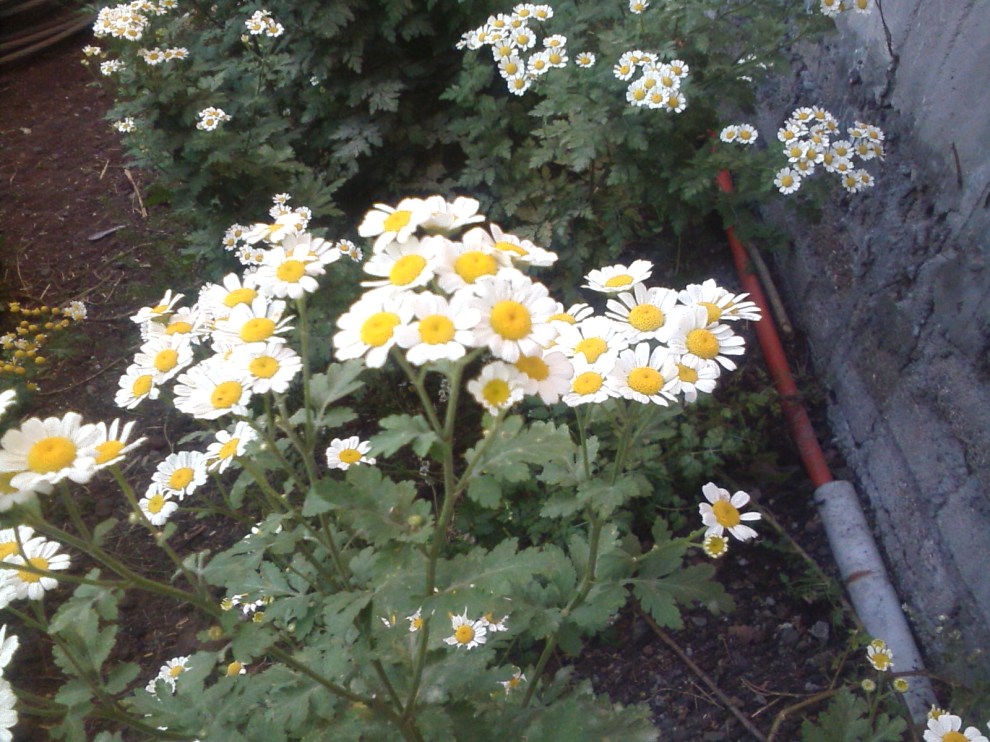
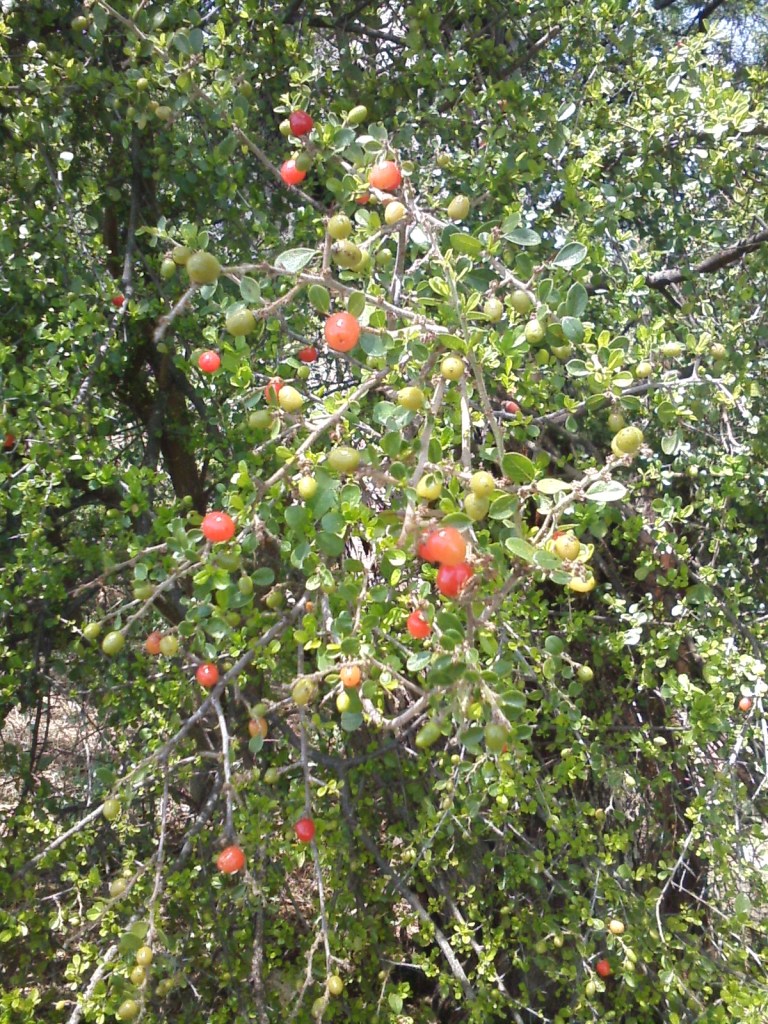
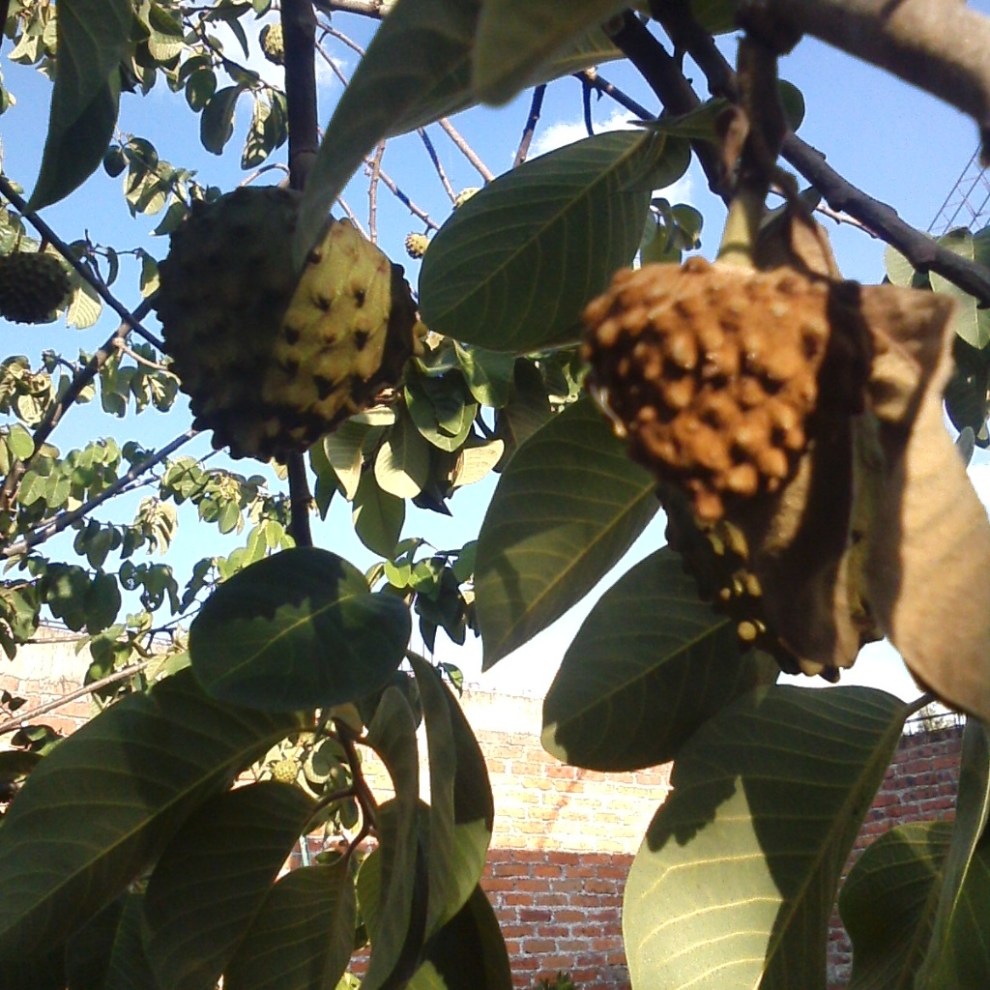
As a family, we look for opportunities to learn about our natural surroundings on day-trip adventures. I’ve recently discovered iNaturalist. Now I can upload all those photos of pretty flowers, and someone somewhere will identify them for me. From there, I can research how the local natural world might be useful (See Natural healing) now that my two main sources of Mexican home remedies, my mother-in-law and my husband’s grandmother, have died. I’ve learned how to make a tea for stomachaches, use aloe to aid in wound healing, dry feverfew and use agave. I have so much more to learn!
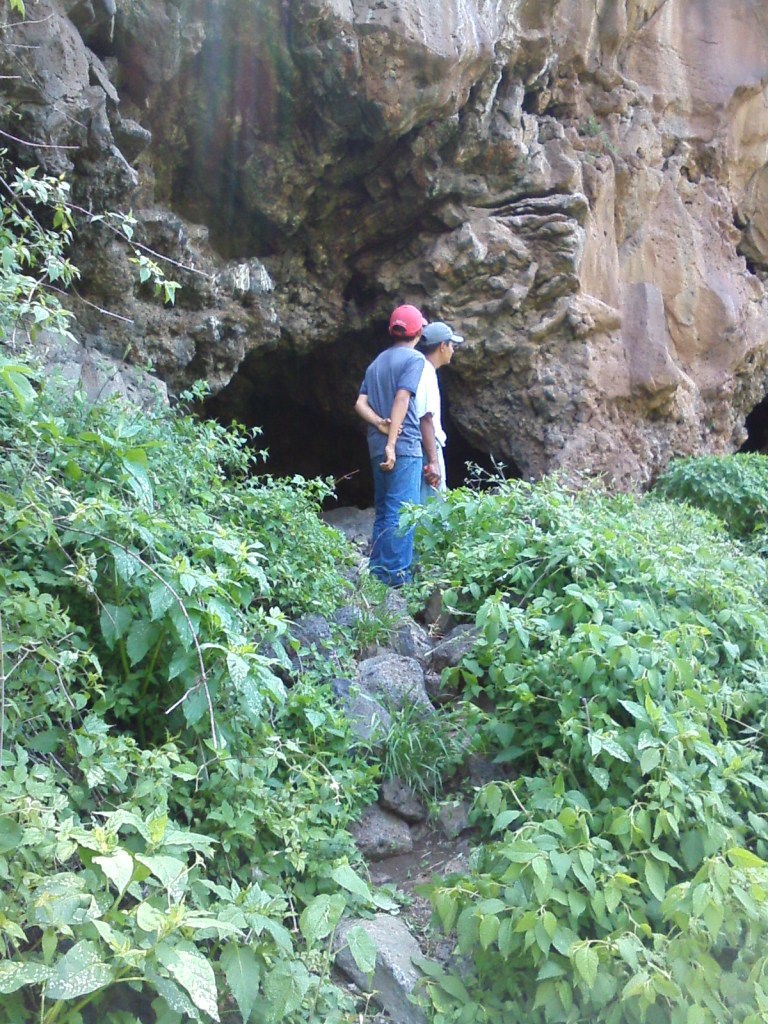
Cave exploration outside of Cerano, GTO.
Learning in the next generation
Because of our family philosophy, we encourage independent learning of our now 13-year-old son. He wanted to learn how to play soccer, we made sure that became a reality A few months ago, he asked if there were any teachers that I knew that could teach him Portuguese. I asked the Worldschoolers group on FB and was referred to Duolingo. My son has been regularly progressing through the beginning Portuguese course online. He uses it to chat with Brazilian Minecraft players. (See Hey Parents. What Minecraft is doing to your kids is kind of surprising) He thinks he might learn Vulcan after he finishes the Portuguese course.
His most recent interest is in learning how to make Youtube videos. It isn’t an easy thing by any means and one that neither his father nor I can help much with. When an opportunity presented itself for him to make a video of his life (See What is it like to be a kid in your family? ) we purchased an inexpensive mini-camcorder and together made a video that his grandma in the United States is proud of! See it here!
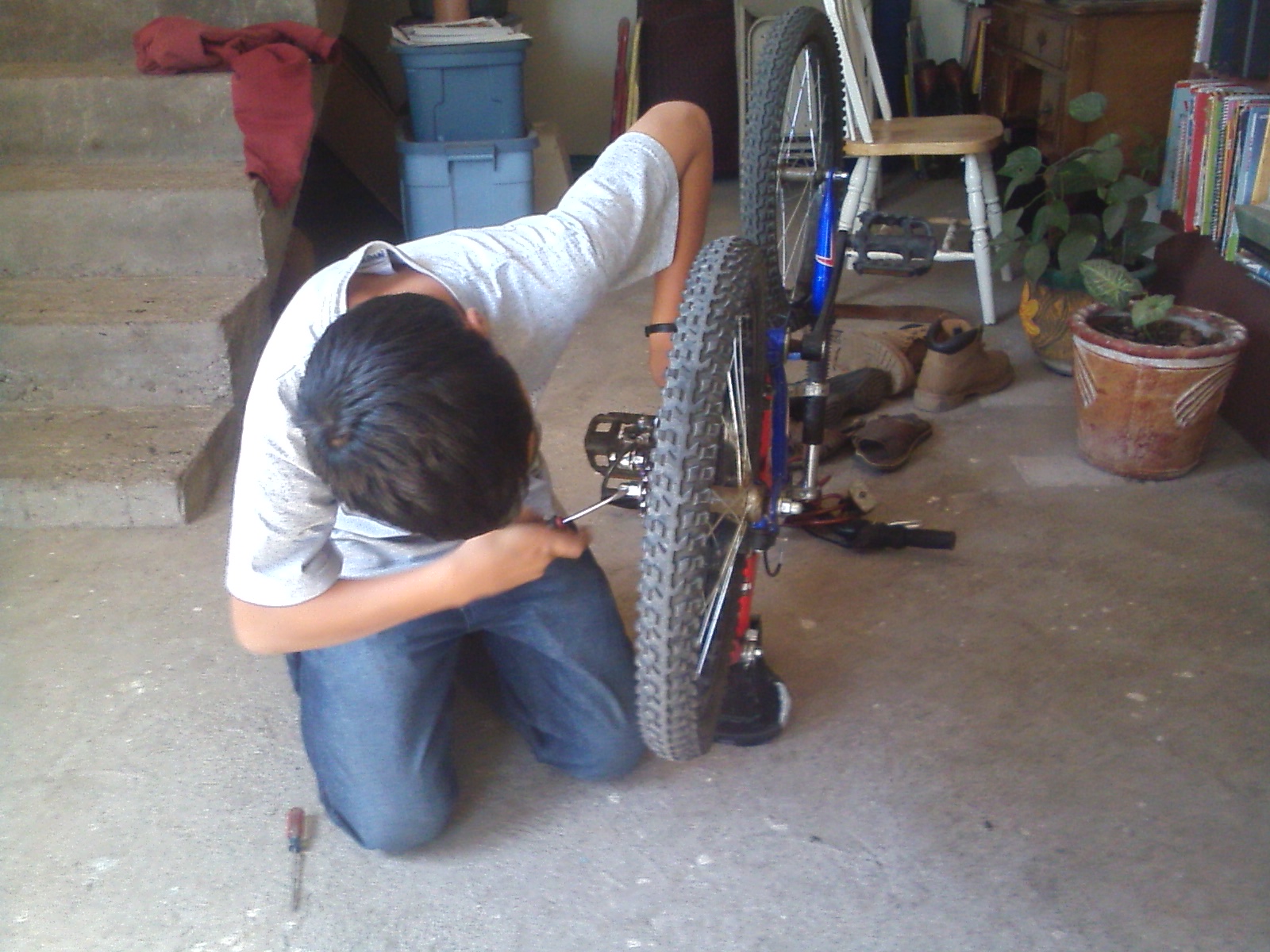
Our attitude has always been, if you don’t know how to do something, learn! No one is going to do it for you. Skills that my son has learned at our side include bricklaying, cooking, bicycle repair, and gardening.

However, we fully realize that my son needs more opportunities for learning than we can provide him. With this is mind, he attends the local middle school, where not only does his Spanish continue to improve, but he also is learning quite a bit about carpentry. So far he’s made a clothing rack and lidded box, quite useful items actually.
We continually stress that even if he is soon to finish his formal schooling, there is no limit to the things he could learn. “I don’t know” is not an acceptable answer in our home. Is it in yours?
****************************************************

***
 Visit Code Name: Mama and Hobo Mama to find out how you can participate in the next Carnival of Natural Parenting!
Please take time to read the submissions by the other carnival participants:
- The Financial Advice That Saved My Marriage — Shortly after they got married, Emily at Natural Parents Network and her husband visited a financial planner. Many of the goals and priorities they set back then are now irrelevant, but one has stuck with them through all of the employment changes, out-of-state-moves, and child bearing: allowances.
- Lifelong Learning — Survivor at Surviving Mexico–Adventures and Disasters writes about how her family’s philosophy of life-long learning has aided them.
- Inspiring Children to be Lifelong Learners — Donna from Eco-Mothering discusses the reasons behind her family’s educational choices for their daughter, including a wish list for a lifetime of learning.
- Always Learning — Kellie at Our Mindful Life loves learning, and lately she’s undertaken a special project that her family has been enjoying sharing with her.
- We’re all unschoolers — Lauren at Hobo Mama embraces the joy in learning for its own sake, and wants to pass that along to her sons as she homeschools.
- My children, my teachers — Stoneageparent shares how becoming a parent has opened doors into learning for her and her family, through home education and forest school.
- Never Stop Learning — Holly at Leaves of Lavender discusses her belief that some of the most important things she knows now are things she’s learned since finishing “formal” schooling.
- Learning is a Lifelong Adventure — Learning has changed over time for Life Breath Present, and she is more excited and interested now than ever before.
- Facebook: The Modern Forum — Dionna at Code Name: Mama explains why Facebook is today’s forum – a place where people from all walks of life can meet to discuss philosophies, debate ideas, and share information.
- 10 Ways to Learn from Everyday Life (Inspired by my Life in Japan) — Erin at And Now, for Something Completely Different offers tips she learned while living in Japan to help you learn from everyday life.





 Surviving Mexico