Category Archives: Natural Healing

Natural Healing — Pitahayas

Pitahaya AKA Dragon Fruit

With things being what they are these days, we have to take our joys where we find them. This week our big highlight was our cactus produced pitahayas, one for each of us. We planted it two years ago from a cutting from the neighbor. I’m hoping that this is just the beginning of a long productive spell. 

Hylocereus polyrhizus cactus

The Hylocereus cactus that produced our pitahayas (as opposed to pitayas which come from the cactus stenocereus) is the Hylocereus polyrhizus. It produces fruit that has a pink covering with a reddish, seedy (and delicious) interior known as pitahaya roja. It’s native to Mexico but found in many tropical regions nowadays. In our region, this fruit is also called tuna tasajo. Tuna is the generic term for cactus fruit while I assume tasajo is from an indigenous source, possibly Purépecha, but I couldn’t find an English or Spanish translation for the word. Another term used generally for the fruit from the Hylocereus cactus is pitahaya orejona.

Hylocereus polyrhizus is a viney cactus. Ours has snaked its way up the wall, but I’ve also seen it locally wind itself around mesquite trees. It has a night-blooming flower, so it is dependent on night pollinators like moths or bats. The gorgeous white flower usually wilts within a day or two.  

The betalain that gives this yummy fruit its red color is also found in beets, Swiss chard, and amaranth. Betalain not only makes a natural food coloring but also is rich in antioxidants. The seeds contain linoleic acid which is a functional fatty acid.

This seedy fruit helps the digestive process through prebiotics. It has a preventative effect against breast and colon cancer. It has been shown to aid in reducing cholesterol levels. The lycopene content that gives the fruit its red color is effective in neutralizing heavy metals and toxins including MSG and herbicide ATZ. Furthermore, the antioxidant and fiber content of this fruit may be useful in the prevention and treatment of diabetes.

Traditional Mexican remedies include a diet rich in pitahaya to stimulate appetite and improve digestion. The fruit can be eaten raw, juiced, or made into ice cream or syrup.

Two or three fruits eaten an hour before breakfast for two or three days are prescribed to help with constipation. To treat intestinal parasites, the seeds of several fruits can be separated out and chewed thoroughly before swallowing.  

The flowers can be cooked and eaten like vegetables. Dried flowers can be used to make tea which is used to treat nervous disorders and insomnia. An infusion made from the flowers is also used to treat gum pain and tooth infection. 

Dysentery was treated with a section of root boiled in a covered cup over a slow fire. The concoction was allowed to cool with the top still on and sweetened with honey, then left overnight to be drunk in the morning before breakfast. This process was repeated every day for seven days for maximum results.  

Pitahaya blanca from the Hylocereus undatus cactus.

There are several other varieties of sweet pitahaya available in Mexico. Hylocereus undatus has white fruit and pink skin. This is the type most grown commercially and known as pitahaya blanca. It originated in the southern part of Mexico. Pitahaya blanca is sweeter and has a higher sugar content than either the red or yellow varieties. 

The name reina de la noche (Night Queen) refers to the bloom of this variety. H. undatus has been shown to have wound healing properties when used topically and useful in treating oxidative stress and aortic stiffness in streptozotocin-induced diabetes. The peel has antibacterial properties effective against Staphylococcus aureus, Escherichia coli, and Salmonella typhimurium among others.

Hylocereus megalanthus has a yellow fruit and white exterior which is called pitahaya amarilla. The seeds from H. megalanthus fruit have the largest amount of polyunsaturated fatty acids when compared to the other varieties. Hylocereus Purpusii produces fruit with purple skin and pulp. 

Hylocereus ocamponis is native to the states of Jalisco and Nayarit. It’s pinkish on the outside and a darker red inside.

Have you tasted pitahayas? Which color?

***

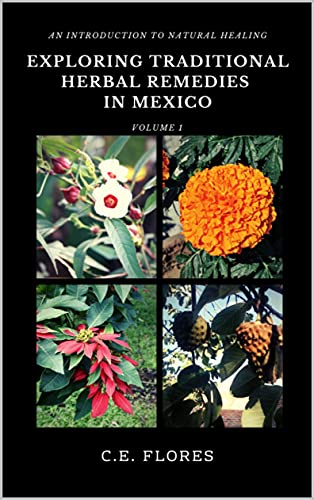
Interested in natural remedies? Uncover herbal remedies from traditional Mexican sources for healing and wellness in the Exploring Traditional Herbal Remedies in Mexico series.
3 Comments

Filed under Mexican Food and Drink, Native fauna and flora, Natural Healing, Uncategorized

New Releases by Surviving Mexico

April quarantine left me feeling like I didn’t get anything done, so I’m delighted to say that I did do some things during May that resulted in a finished book, Book Weaving: How to Create a Story Tapestry From Your Blog Threads

ebook cover

Click on the image for a preview!

It’s designed for bloggers who want to make something tangible from their blog posts. I’d love feedback from anyone who has some thoughts on how I could make the information more interesting or if there are gaps in the material provided on how to structure a book. 

I’m offering the eBook for free for the next few days, so be sure to get your copy from Amazon.

herbal cover

I’d also like to remind everyone that the eBook version of Exploring Traditional Herbal Remedies in Mexico is now available for download for those of you that purchased it as a pre-order. I had to wait until the Ultimate Bundles Herbs & Essential Oils bundle was finished before I could offer it on Amazon. The eBook version is a fraction of the price of the paperback version, so you’re getting quite a deal!

I’m working on a three-book series about self-publishing this month, so look for that announcement in the (hopefully) near future. Meanwhile, gardening is going well, those quarantine projects are slowly coming along, and we have our fingers crossed the rains will begin soon! 

2 Comments

Filed under Blogging, Native fauna and flora, Natural Healing

Herbal Classes Online

If you’ve been quarantined, you may find it a blessing in disguise. Perhaps you have more family time or can sit quietly with your cat for a while. Maybe, however, someone in your house is sick or in the high-risk category for contracting an airborne illness like COVID-19. What better time to enroll in an herbal class and learn about boosting your immunity naturally! 

Herbs are not a “cure” for COVID-19, however, utilizing herbal infusions may be useful in reducing the severity of the most troubling symptoms like cough, aches, pains, and difficulty breathing. Incorporating more herbs and plants into your diet can strengthen your body’s immunity over time. And you can do that by adding some as seasonings to your regular meals, making teas and tinctures or just eating them raw. 

Herbal Academy is committed to educating the world about herbs and their benefits. Last week, I shared the newest online offering, The Mushroom Course. Right now you can enroll with a discount of $50 until April 6 and start learning about the beneficial properties of fungi. 

This week I wanted to let you know that several of Herbal Academy’s programs are 50% off.

The Introductory Herbal Course is designed for those with little or no herbal knowledge. You can preview a lesson from this course here.

The Intermediate Herbal Course is meant for those that have some understanding about the practical use of herbs for wellness. Both courses are 50% off for the next three weeks.

Even at this reduced rate, you might find the budget too tight and the future just too uncertain to justify these classes right now. That doesn’t mean you need to give up on your herbal education entirely, however. Huckleberry Mountain Botanicals offers free herbal content for you to enjoy. 

I know I’m using this time to reflect on my health, make determined decisions to improve my wellness levels, and take the time to appreciate what I have. What about you?

***

Leave a comment

Filed under Health, Natural Healing