Natural Healing–Corn Silk Tea

Corn (Zea mays) is high in fiber thus helpful for proper digestion. It is also high in B vitamins and we all know how good those are for you. It is especially high in niacin, pantothenic acid, and thiamin.  

Zinc, magnesium, copper, iron, and manganese are found in corn. Corn is a good source for antioxidants including carotenoids, lutein, and zeaxanthin which are good for your eyes. The kernels are rich in vitamin E which helps protect the body from illness and disease.

Corn oil and corn husk oil used for cooking have been shown to reduce cholesterol with regular use. A return to the traditional three sisters, (corn, beans, and squash) diet has been shown to reduce hyperglycemia-induced pathogenesis and associated complications linked to cellular oxidation stress and hypertension.

Some version of maíz can be found in nearly every meal of the day in Mexico. Atole for breakfast. Tortillas for lunch. Pozole, enchiladas, quesadillas, and tacos for dinner. Even snacks are corn. Elotes (corn on the cob) on a stick smothered in mayonnaise and chili powder are common evening edibles. A cup of maizena (corn starch) is just the thing before bed. Tortillas left over from lunch might be toasted into tostadas and enjoyed with any number of toppings.

It comes as no surprise that even the corn silk has value in Mexican culture. The caballitos de elote (little hairs of corn), also known as barbas de maíz (corn beard), are considered especially good for renal ailments.

My little green herb book, Antiguo Recetario Medicinal Azteca, provides a recipe for a tea to be drunk at room temperature. Boil 15 grams of caballitos de elote in one liter of water, adding alfalfa or barley if desired. Drink three to four glasses throughout the day.

corn tea

Corn silk tea functions as an anti-inflammatory and diuretic, which of course supports the use of it in treatments for kidney issues. It also helps with water retention during PMS and is often given to the elderly to help with incontinence. PMS tea is made with dandelion leaves, barbas de maíz, and uva ursi.

Corn silk can be used topically to treat spider bites or other insect stings as an infusion to bring down the inflammation. This is for common bites or stings only. Poisonous spider bites or scorpion stings should be treated by a professional healthcare provider.

Corn silk tea is thicker than you might think and for all intents and purposes tastes like diluted corn starch. If your body is already low on potassium, drinking corn silk tea could make the problem worse since it primarily works as a diuretic.

Another precaution you should take is to ensure that the caballitos de elote should come from non-GMO, organically grown corn. Mexico has prohibited the planting of GMO corn but pesticide use is alive and well.

***
1 Comment

Filed under Health, Mexican Food and Drink, Native fauna and flora, Natural Healing

Natural Healing– Bugambilia

I’ve already mentioned that the bugambilia morada  (Bougainvillea glabra) can be used medicinally along with eucalyptus and aloe vera for cough treatment. Most often an infusion is used to treat asthma, bronchitis, whooping cough, and other respiratory conditions.

This lovely, bright plant, known as camelina in some parts of Mexico, has several other traditional uses as well. It has been used to treat dysentery, stomach pain, and skin blemishes.

Bougainvillea glabra is also known as the lesser bougainvillea or paperflower. The plant that appears to be full of purplish flowers actually has very small white or yellow flowers which are surrounded by colorful papery bracts. The video above shows a close-up of the actual flower.  The flowers of Bougainvillea glabra are used to treat low blood pressure in Panama.

The Bougainvillea glabra has anti-nociceptive and anti-inflammatory properties. The leaves are effective in preventing dopamine-depleted neurological disorders like Parkinson’s disease because of their antioxidant composition. The antioxidant component also has potential in the treatment of cancer.   

In addition, studies have shown that other varieties of the Bougainvillea species, mostly the Bougainvillea spectabilis, have antimicrobial, antidiabetic, antifertility, antihyperlipidemic, anti-atherogenic, antipyretic, anthelmintic, amylase inhibitors, thrombolytic, and analgesic properties, leading to the suggestion that the bougainvillea glabra be studied further in the future.

bougainvilia.jpg

I’ve found a few recipes that use bugambilia for cough remedies.

Recipe #1

Boil in one quart of water, reduce to simmer, then strain the herbs out.  Add limón and miel (honey) to taste. Sip as needed throughout the day.

Recipe #2

  • 2 parts gordolobo (common mullein) flowers
  • One part bugambilia bracts
  • One part manzanilla (German chamomile) flowers
  • One part jamaica (hibisucs) flowers
  • One part tomillo (thyme) leaves
  • Pinch of ground canela (cinnamon)

Boil the herbs together, strain, drink hot or cold with cinnamon for flavoring.

Recipe #3

Mix gordolobo (common mullein) and bugambilia bracts with tamarind juice, flavored with cinnamon and honey. Drink as needed.

Unfortunately, I haven’t been able to locate gordolobo in my area. I’m going to check with the herb seller at the tianguis in Uriangato next time I go. He’s got rattlesnake skin and armadillos shell, so the odds are in my favor he’ll have some.

I did prepare the simple infusion tea with just the bugambilia, however. It has a mild taste and a bright pink color.

***

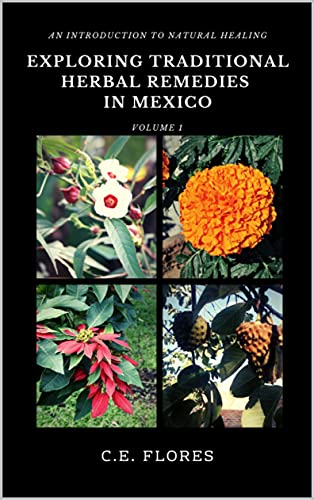
Interested in discovering a path to wellness through traditional medicine? Discover Mexican herbalism with common remedies used today with the Exploring Traditional Herbal Remedies in Mexico series.

3 Comments

Filed under Native fauna and flora, Natural Healing

Horsing around

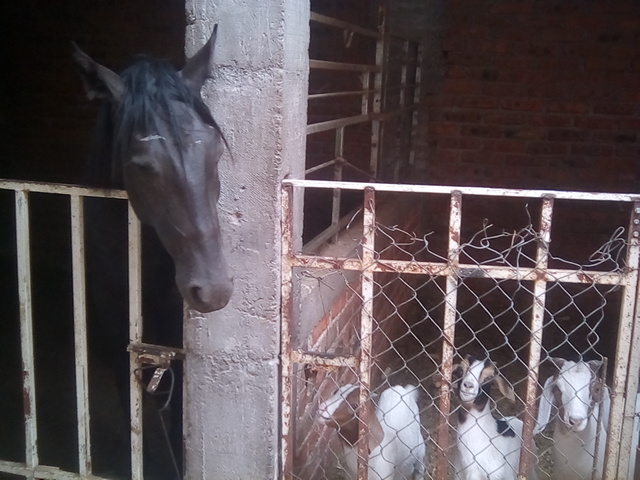
IMG_20190428_154947.jpg

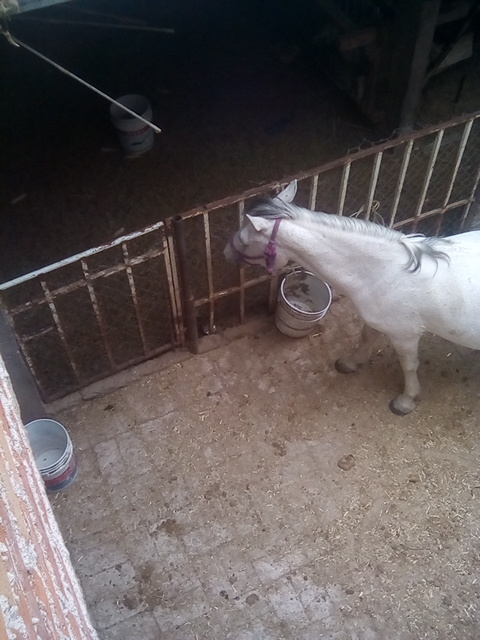
The three musketeers waiting for Lady to open their door!

Lady has been giving us a run for our money lately. She’s learned not only how to open her stall door, but the goats’ door as well. For a couple of weeks, we went around blaming each other for leaving the doors open. It wasn’t until one day we caught her in the act that we finally wised up.

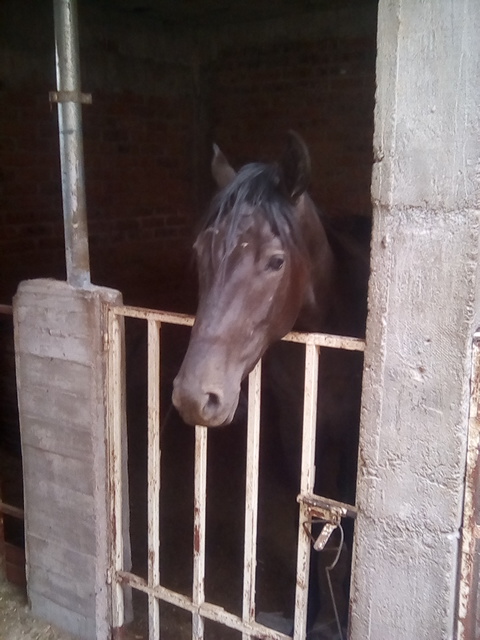
IMG_20190428_154934

We have to run a wire through the latch or she opens it!

Lady has also been eating the eggs. My husband had been blaming the dogs. So he constructed a puppy-proof barrier and the eggs were still gone when he went out to collect them. Lady is considerably taller than the dogs, so she didn’t have any issues keeping on keeping on with her egg consumption.

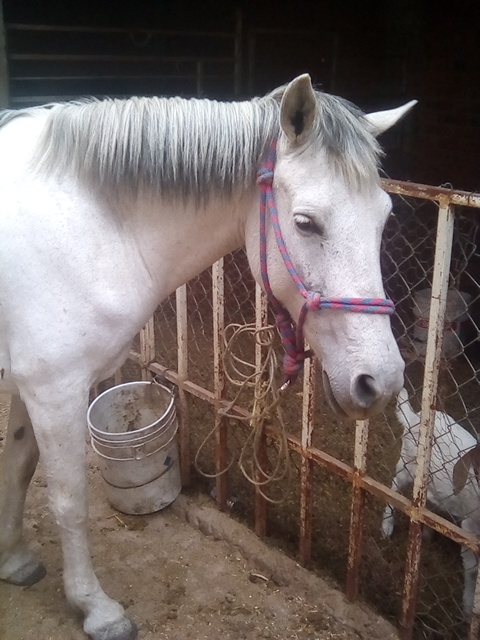
IMG_20190428_154915

Cookie giving me the skank eye!

Cookie, who still hasn’t dropped her foal yet, has her own little circus going on. Since she is supposed to be “my” horse, I’ve been allowed to ride her, huge belly and all, for short periods of time. We take it nice and easy and don’t go too far.

One evening we decided to go just a little bit further down the road. Once we passed our normal turning around spot, Cookie kept giving me the skank eye. I tried to redirect her attention back to the road so that I wouldn’t get impaled by the low-hanging mesquite branches, but she’d just turn her head to the side and give me another look.

Her pace slowed considerably so I figured she was tired. Sure enough, when we made a U-turn, she started trotting away, no more skank eye. It certainly gave me a chuckle.

IMG_20190428_154539

View of the patio/animal corral from above.

I’m not sure what we are going to do when baby Cookie arrives. Already our supposed “patio” is animal crowded with chickens, puppies, Cookie and then Lady and the goats when the doors are magically opened. Time to brainstorm a better solution.

1 Comment

Filed under Animal Husbandry, Homesteading