Category Archives: Native fauna and flora

Natural healing–Hibiscus tea or agua de jamaica

jamaica image

As if I didn’t have enough on my plate already, I decided to enroll in a 6-week online herbal course through Herbal Academy.  As the program’s aims included sustainability, stewardship, and affordability, I knew this was the place for me!

So I jumped right into the Herbal Materia Medica course. The lessons and a number of print-outs were free.  The herbs I would be studying were left up to my discretion.  I decided to learn more about plants that I had readily available here in Mexico.  So I chose cilantro (coriander), jamaica (hibiscus), sabila (aloe vera), feverfew and wandering jew.  It was more than I bargained for, probably because once I started researching herbs, I couldn’t stop.  I kept adding more and more herbs to my list of useful local and medicinal plants.  

herbal-academy-logo
Find more herbal courses here!

I’d like to share some of what I learned about the hibiscus flower today.  

Agua de flor de jamaica is one of my favorite aguas frescas here in Mexico. When this is an option, who would every choose a coke? Its deep red color reminds me of Kool-aid, although the flavor is a bit on the tart side. Making it is nearly as easy as Kool-aid as well.

calyx

The calyx (the sepals of a flower, typically forming a whorl that encloses the petals and forms a protective layer around a flower in bud) are added to boiling water until thoroughly wet. Strain the mixture, getting all the juice out, add sugar to taste and stir.

Dried jamaica (hibiscus) calyx are easily obtainable at the market, so I went out and obtained some “for my class project.” I opted to add piloncillo (Mexican brown sugar) and canela (cinnamon) to my tea. My son said it tasted more like ponche (fruit punch) but drank an enormous quantity of it. I only used a handful of flower petals, so I have plenty left to perfect my own agua de jamaica.

Not only is it delicious, but it is good for you too.  Agua de jamaica has citric acid, malic acid (giving it its tart flavoring) used in treating fibromyalgia and chronic fatigue syndrome because of its energy increasing properties, tartaric acid which is an antioxidant and anti-inflammatory compound useful in treating inflamed joints, pancreatitis and liver inflammation. Tartaric acid has also been shown to improve glucose tolerance and intestinal absorption of nutrients. The flower also contains polysaccharides which aid in reducing fatigue, regulating healthy blood pressure and blood sugar, encourage a positive mood, soothe irritation, support the immune system, and increase libido.  No wonder this is a drink recommended to reduce menopause symptoms! (See also  A Beautiful Transition In Life: Dealing With Menopause Naturally Without HRT and Health Benefits Of Hibiscus)  It’s been used to reduce pain from menstrual cramps, restore hormonal balance which reduces mood swings and depression.

Furthermore, jamaica has cyanidin and delphinidin, antioxidants found to have anti-carcinogenic properties found to be effective in skin, breast and colon cancer prevention.  

Studies have shown that the extract of hibiscus (jamaica) is toxic to cancer cells. Why isn’t everybody drinking this?

As if that isn’t enough, flor de jamaica contains anthocyanins which have long been used to treat high blood pressure, colds and urinary tract infections.  As the drink is a natural diuretic, it’s easy to see how it could be just the thing for these all-too-common ailments.

Jamaica has been used to successfully treat obesity and head lice. Drinking agua de jamaica can reduce anxiety and depression.  This tea is low in calories and caffeine-free and can be enjoyed hot or cold. What more could anyone ask for?

hibicus-tea-life

So how much should you drink?  Superfoods Scientific Research recommends a typical adult should drink one cup of hibiscus tea twice daily.  Take 2 tsp of dried calyxes or 1 tsp of crumbled calyxes with 1 cup of boiling water, steep for ten minutes.

There you have it, folks!  I would be lax if I failed to mention that there have been reported side effects from drinking this tea.  As mentioned above, it lowers hormone levels which is great for menopausal women but might not be what someone trying to get pregnant would want. So avoid this drink if you are undergoing fertility treatments or are in the first trimester of pregnancy.  As it lowers blood pressure, if your blood pressure is already low, don’t drink it.  As it reduces anxiety, you may feel utterly relaxed or drowsy after drinking it.  In fact, some people have reported hallucinations, although I have yet to experience that particular side effect myself.

Did you know you can make taquitos out of flor de jamaica too?  Check out this recipe!
Well, I have my packet of organic hibiscus seeds and am going to give it another go this year.  I made an attempt before, but the seeds didn’t sprout (See Failing at Container Gardening.)  Once I get my first batch, I’ll walk you through the drying process.  If you can’t wait until then check out the steps at HIBISCUS: A TASTY ADDITION TO YOUR EDIBLE LANDSCAPE OR GARDEN.

So, as you can see, I learned quite a bit as a result of my free course at Herbal Academy. Totally worth it!  Stay tuned for more informative herbal posts in the future!

********************************

22 Comments

Filed under Native fauna and flora, Natural Healing

Fruits and Vegetables

Did you know that in addition to corn and chocolate being native to Mexico, avocados, peanuts, squash, tomatoes, sweet potatoes, and papaya are all Prehispanic delights?

avocado pictograph
Aztec pictograph indicating “the place where avocados grow.”

Avocado is thought to have originated in the state of Puebla. The oldest evidence of avocado use dates to about 10,000 BC, found in a cave located in the town of Coxcatlan. The word avocado comes from the Spanish aguacate which comes from the Nahuatl word āhuacatl which goes back to the proto-Aztecan word *pa:wa. The Nahuatl word also can be translated as testicle.  Since this fruit was considered an aphrodisiac, perhaps because of its similarity to male reproductive organs, young girls were kept indoors during the annual avocado harvest.

Aguacate maduro, pedo seguro.  Ripe avocados–farts for sure!  

Without the avocado, there would be no Guacamole! The name Guacamole comes from the Nahuatl work āhuacamolli which translates as avocado sauce (see Mole).

The tomato also comes from Mexico. The name comes from the Nahuatl word tomatl which translates as “fat water.” The Aztecs cultivated the tomatl and came up with a new species they called xitomatl which translates as “plump thing with a navel.”

A la mejor cocinera se le va un tomate entero.   A whole tomato can escape the best cook. Meaning everyone makes mistakes.

And what would salsa be without the tomato?

The papaya was also a common domesticated fruit in Mexico before the arrival of the Spanish. It was called chichihualtzapotl in Nahuatl which meant zapote nodriza (mothering or nursing zapote.) The papaya had medicinal value to the indigenous peoples of Mexico. The Aztecs applied papaya fruit to their skin for relief from insects bites. Asthma was treated with boiled papaya leaves applied to the chest.

cacahuate
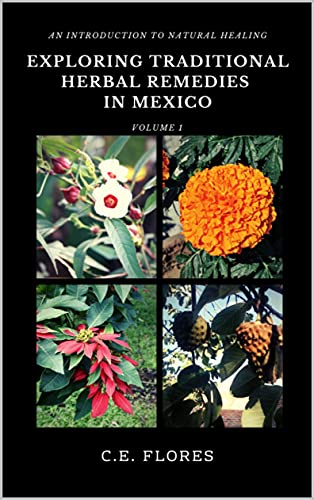
Nine flowers of Mexico

The modern day name for the zapote fruit, papaya, comes from the Mayan word páapay-ya which means zapote jaspeado (marbled or spotted zapote).

Peanuts may have been domesticated in Argentina or Bolivia. However, its cultivation in Mexico was well-established before the arrival of the Spanish. Peanuts were called tlalcacahuatl or tlalli auh cacahuatl in Nahuatl which gives us the Mexican Spanish word cacahuate that is used today.

peanut seller
One of our local peanut vendors in Moroleon, GTO

Me vale un reverendo cacahuate.  It’s as important to me as a holy peanut. Meaning it’s not important to me at all.

The oldest pumpkin seed found was in the Guila Naquitz Cave in Oaxaca and dates as far back as 7000 BC.  Squash has been cultivated in the Tehuacan and Oaxaca valleys and in Tamaulipas since 6000-5000 BC. Its cultivation predates the domestication of maize and beans by about 4,000 years. (See Las Tres Hermanas)

Squash was a ritual offering presented in honor of the dead during the month of Miccailhuitontli by the Aztecs and is still considered an appropriate addition to the altar during El Dia de los Muertos celebration in Mexico in the form of calabaza en tacha (candied pumpkin).

Sweet potatoes are native plants that are found from the Yucatan on down south to Venezuela. The Maya domesticated the plant at least 5,000 years ago.  In Mexico, sweet potatoes are known as camotes which comes from the Nahuatl word camotli. Camotes enmielados (honeyed sweet potatoes) are yet another specialty food traditionally made and served for El Dia de Los Muertos.

I hope you’ve enjoyed this little week-long foray into traditional eats in Mexico as much as I have!  And remember–La vida es un camote agárrese de donde pueda.  Life is a sweet potato.  Hold on to it where you can.

***********************************************************************
 

8 Comments

Filed under Carnival posts, Mexican Cultural Stories, Mexican Food and Drink, Mexican Holidays, Native fauna and flora, Natural Healing

Mole

mole pic

Mole (pronounced moe-lay) comes from the Nahuatl word mōlli (sauce) or chīlmōlli (chile sauce). There are some misconceptions here that mole is only the brown chocolate sauce that in Mexico is called mole poblano. As you will see, mole comes in quite a variety of delicious flavors, all of which have chiles rather than chocolate as the common ingredient.

There are several legends about the origin of mole. One is that the nuns at the Convent of Santa Rosa is Puebla were in a lather about the visit of the archbishop. They rustled up what ingredients they had on hand and dumped it all in a pot to simmer. They killed the old turkey wandering around the yard too. When the archbishop arrived, they served poor ol’ Tom turkey smothered in the sauce made from leftovers. When asked, the nuns declared that they had made “mole” (a mix).

Then there is the legend that the monk Fray Pascual invented the dish, again to serve to the archbishop, or maybe it was the viceroy, there seem to be several versions. While the monk was preparing the meal, a sudden wind knocked over the spices into the pots where the turkey was simmering magically creating mole.

I say, poppycock! Mole predates the Spanish invasion in Mexico. Bernardino de Sahagun writes about mollis being used in a number of indigenous dishes in his work General History of the Things of New Spain. A popular Aztec dishes of the time was the totolmolli (turkey hen or chicken in mole sauce).

Where doubt sets in is in the use of chocolate in the sauce. Both the Aztecs and Mayans considered chocolate sacred. Therefore, it was reserved for the highest level priests and royalty. Thus, to include chocolate in a dish for the common people would have been considered sacrilege. That doesn’t mean that there were NO sauces with chocolate, only that they were not served to those who were not priests or royalty. (See Chocolate) Perhaps Cortes was fortunate enough to be served chocolate mole as he was considered a reincarnation of the god Quetzalcoatl and the recipe got out. We may never know.

Up until recently, mole was the standard dish eaten at celebrations of all social economic classes in Mexico. The expressions Ir a un mole (to go to where there is mole) means to attend a wedding, one of the traditional ceremonies that customarily served mole. Nowadays, the upper classes have stopped preparing and eating it, preferring imported foodstuff to traditional at their parties. This is yet another loss in the ongoing processes of colonization. Language, food, and customs are insidiously being replaced. Women no longer learn the art of cooking mole from their mothers. Mothers no longer teach their daughters.

In a few remaining places, the preparation of mole is still a community event, usually in honor of a patron saint or local holiday. In these communities, each person involved has a part to play in the production, much like the tamaladas that gather to make tamales (See Tamales). There is always one person, usually a woman, who is given the honorary position of molera, the head chef. It is she who makes the final determination on how much of each ingredient is to be used.

That is no easy task. Mole poblano has about 20 different ingredients. Oaxacan moles can have more than 30. Recipes are approximate, variations are practically limitless. But, under the direction of the molera, the ritual of the mole is not lost.

In general, when making mole:

Mole ingredients can be classified into 4 distinct groups–the chiles, sour ingredients (like tomatillos), sweet ingredients (like fruit and sugar) and thickeners (nuts or tortillas). Ingredients are roasted and ground into a powder or paste. This is mixed with water or broth and simmered while being stirred constantly until it thickens. Chocolate, if included, is added at the end of the cooking process. It’s always served over something, meat, poultry, eggs or rice.

It’s important that those making mole not become angry, otherwise the mole will boil over or spoil.

The paste or powder can be prepared separately and often can be purchased to reduce the steps in making this unique dish.  Interestingly enough, these powders have such a strong scent that they have been registered as explosives at the Mexico City airport. This strong flavoring is the basis of the expression “en su mero mole.” Mole is an acquired taste and to be in your own mole, is similar to the English expression to be or not to be one’s cup of tea.

Below, I’ve provided a link to recipes of a number of mole sauces.

Moles with chocolate

Mole poblano is the most well-known mole. It is considered one of the national dishes of Mexico. It is often served with turkey when prepared for weddings, birthdays and baptisms. During the Christmas holiday season, it is often served over shrimp garnished with rosemary.

Mole coloradito is made to be served over pork, chicken or beef and it is a red brick color. It is a specialty of Oaxaca.

Mole negro also known as mole oaxaqueño is one of 7 distinctive types of mole made in Oaxaca. Mole negro is served with chicken, turkey or pig head. It has up to 34 ingredients and 6 types of chiles. It also has bananas, gingerbread, almonds, peanuts, avocado leaf, cinnamon and chocolate among other ingredients.

Mole xiqueño is the specialty of Xico, a town in the state of Veracruz. It’s a fruity mole with raisins, xoconostle, bananas and nuts in addition to the chocolate.

Moles without chocolate

Chirmole, also known as chilmole or relleno negro is a dark mole and is common in Yucatan.

Huaxmole, also known as guaxmole or mole de guaje is made with guaje seeds, also known as huaxin, cacalas or cascalhuite, which taste like garlic. It was traditionally prepared for holy day festivals and served over goat meat.

Mole de caderas also known as mole de chivo is a specialty of the states Oaxaca and Puebla. It is meant to be served over goats that have been fed large quantities of salt, giving the meat a distinctive flavor. It is traditionally prepared during the annual goat butchering festival, usually sometime between October and December. During the festival, there is a “danza de la matanza” which ends with the sacrificial killing of a male goat. There is also an altar prepared by the butchers who make offerings and prayers so that the goat harvest is at least as good as if not better than the previous year.

Mole Michoacan. This red mole is prepared with pumpkin seeds and they must not have shell nor salt so the final flavor is not altered and is a speciality of Michoacan.

Mole Amarillo is another of the Oaxacan specialties. It gets its yellow color from the yellow chihuacle chile. It’s also seasoned with hoja santa which gives it a licorice flavor.

Mole chichilo from Oaxaca is served with beef and comes in negro (black) and rojo (red) depending on the manner the chiles are prepared. Of the seven specialty moles of Oaxaca, mole rojo is the spices.

Mole prieto, also known as tlilmolli, comes from the state of Tlaxcala. It has traditionally been part of the ritual festivity in honor of the goddess Toci, patron saint of textiles and health. It prehispanic rituals, this mole was served with deer, turkey or Xoloitzcuintle, a Mexican hairless dog bred specifically for food. Nowadays, it is served with pork. During the pre-festival preparations, a bottle of liquor is buried and a cross made of nopales and chilpotle is placed over the spot. This is done to prevent the mole from boiling and spoiling.

Mole verde, yet another mole from Oaxaca, uses green tomatoes, parsley, and green chiles to give it its distinctive herb flavoring. It’s often served over chicken with chayote, green beans, and white beans.

Pipián is a peanut or pumpkin seed sauce served over chicken. It comes in rojo (red) and verde (green). Pipian verde is also made with ajonjoli (sesame seeds) or pepitas (pumpkin seeds)

Mole tamaulipeco, from the state of Tamaulipas, is served over chicken stuffed with olives. Ingredients include onion, garlic, olives, raisin, tomato, tomatillo, cinnamon, thyme, parsley and capers among others. It’s often served with white rice with chiles and carrots in vinegar.

Mole Soups

Mole de olla is more of a soup rather than a sauce. It is made of xoconostle, squash, green beans, corn, potato, chambarete (beef shank) simmered into a broth of chile guajillo and chile pasilla, seasoned with garlic, onion, and epazote. It is served with pieces of chopped serrano pepper and lemon.

Mole de panza is cow stomach stew, also known as menudo. Mole de panza uses cilantro rather than oregano as seasoning.

Remember to “parece ajonjolí de todos los moles” be like the sesame seed of all moles, involved in everything!

*******************************************************


12 Comments

Filed under Carnival posts, Homesteading, Mexican Cultural Stories, Mexican Food and Drink, Mexican Holidays, Native fauna and flora