Category Archives: Animal Husbandry

Let’s talk about food in La Yacata

Our whole purpose in living in off-grid rural Mexico is to become self-reliant. After 9 years of slow progress, we still aren’t there yet. But we are closer than we were.

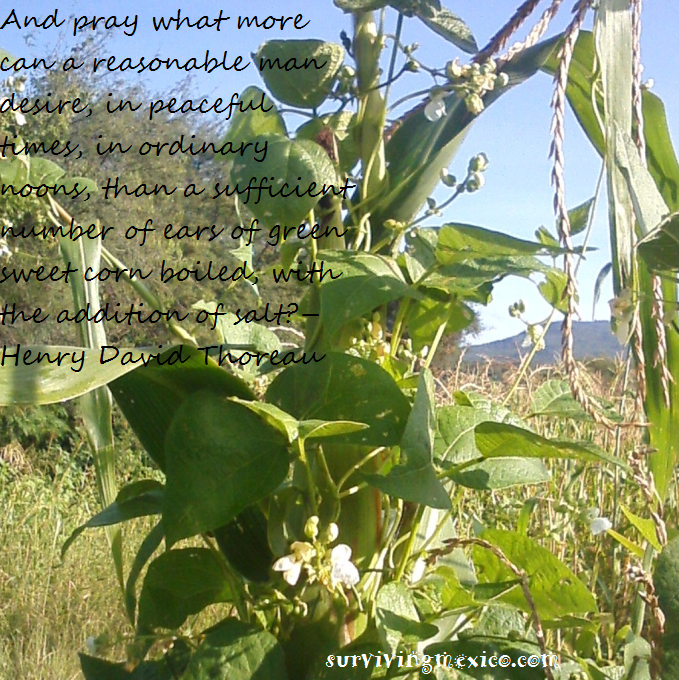
ears-of-green-corn

Our microcosm provides us with regular food stuff. We grow corn, beans and squash ever year in the traditional way on sharecropped land. (See Las tres hermanas) Our non-GMO organic corn not only provides year-round foods for our animals but also allows for equally healthy tortillas–the very foundation of Mexican cuisine. My sister-in-law runs a tortilleria (See Failing at your own business–Tortilleria), so I am relieved of this very time-consuming task. Corn is also used in tamales, pozole and a plethora of other traditional dishes.

tamal

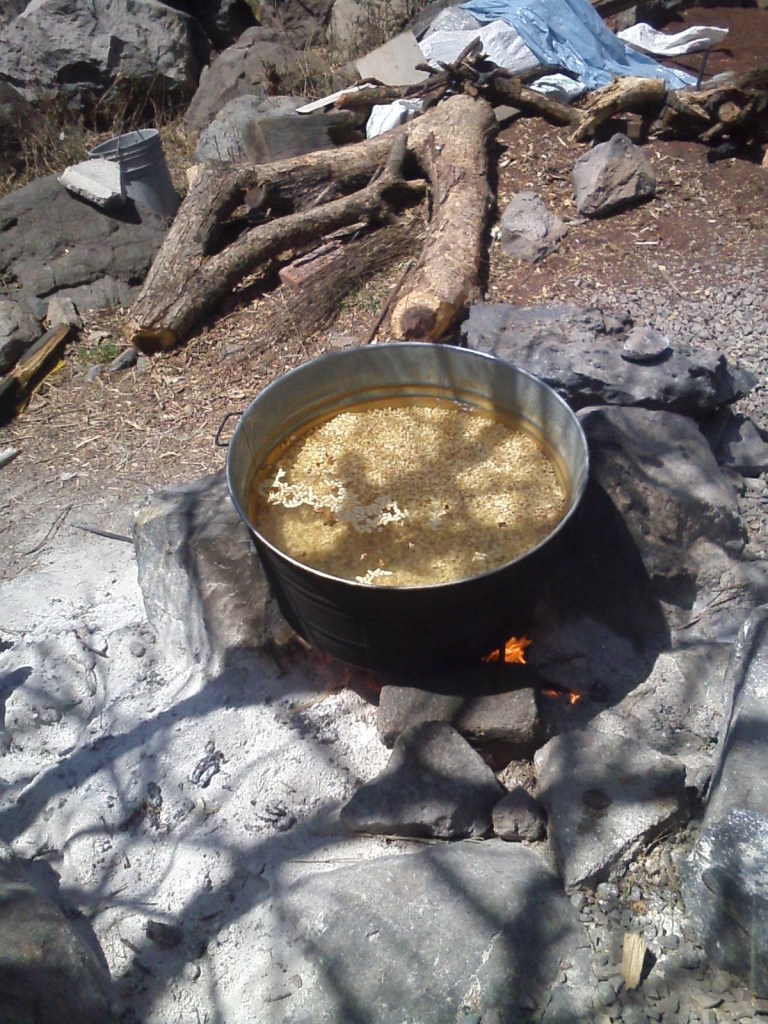
Corn and lime boiling in preparation for milling for tortillas.

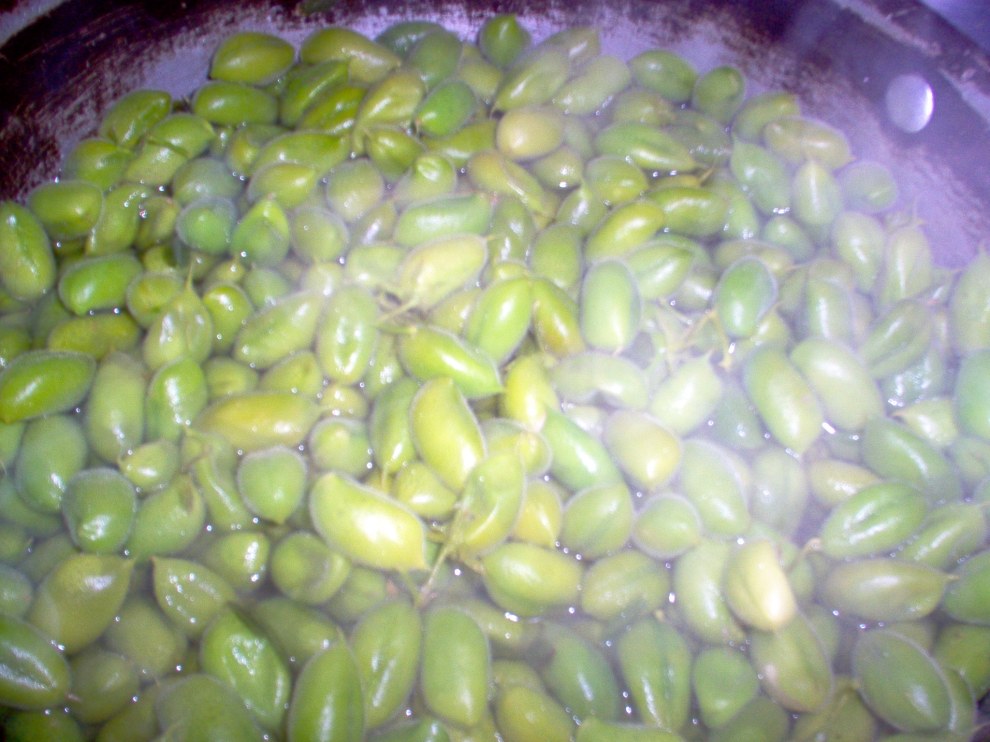
We also grow garbanzo (chickpeas) after the corn growing season is finished.  It makes for a nice snack, either raw or steamed, with the added benefit that the entire plant is eagerly consumed by our grazing animals.  Fiona, the donkey, is especially fond of garbanzo.

garbanzo

Steamed garbanzos

Our organically fed animals also provide us with delicious foodstuff. From our small herd of goats, we have daily milk and occasional meat. The milk we don’t drink right away is pastured right on the stove for later. We use it for creamy hot chocolate or honey-dripped oatmeal. The honey is from a local organic hive and delicious!

pasturizing milk

As we don’t have refrigeration, we dry our leftover meat into jerky strips. The dried meat theoretically should last several weeks. However, it rarely does due to the presence of a pre-teen, always ravenous, boy.

drying goat meat

Our chickens, ducks, and turkeys provide us with daily eggs and occasional meat as well. Just as with the goats, this means butchering. My husband has had years of practice at this and, therefore, our animals do not suffer needlessly.

butchering

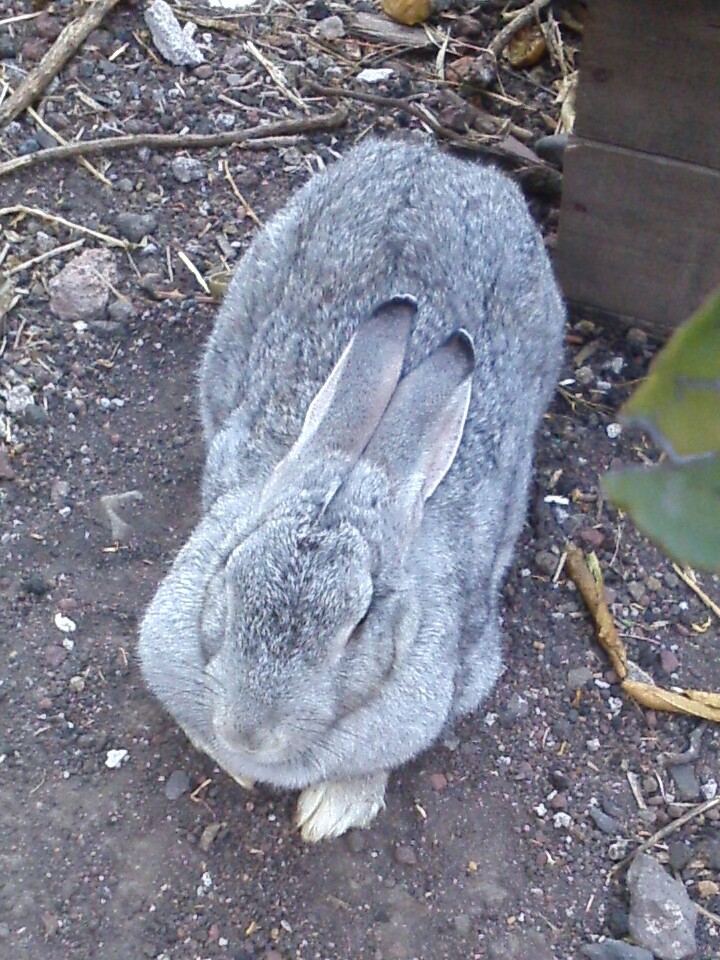
We also keep rabbits and have recently added sheep to our backyard barnyard. Both provide occasional meat. (See Waskely Wabbits and Old MacDonald’s Farm). I’m hoping that our sheep will give us wool and perhaps milk later on as well. But as we haven’t had much success with sheep herding (See Birth and Death) it remains to be seen if that will actually happen or not.

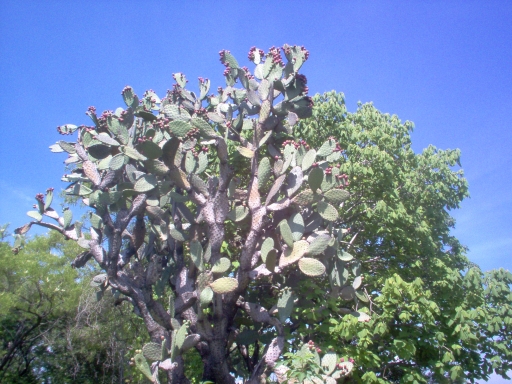
full of tunas

Tunas are not hard to find after the rainy season.

La Yacata provides food, free of charge, for us as well. Cactus fruit is abundant towards the end of the rainy season. It’s not unusual for us to spend an afternoon foraging for pitayas (See Picking Pitayas) or tunas (See Picking tunas) or harvesting nopales (cactus leaves)(See Harvesting Cactus) for dinner.

feverfew

Feverfew

Tea can be made from hojas (leaves) or roots of a variety of naturally available plants. (See Feverfew tea and Lentejilla). Wild mushrooms are also found aplenty during the rainy season.

acebuche

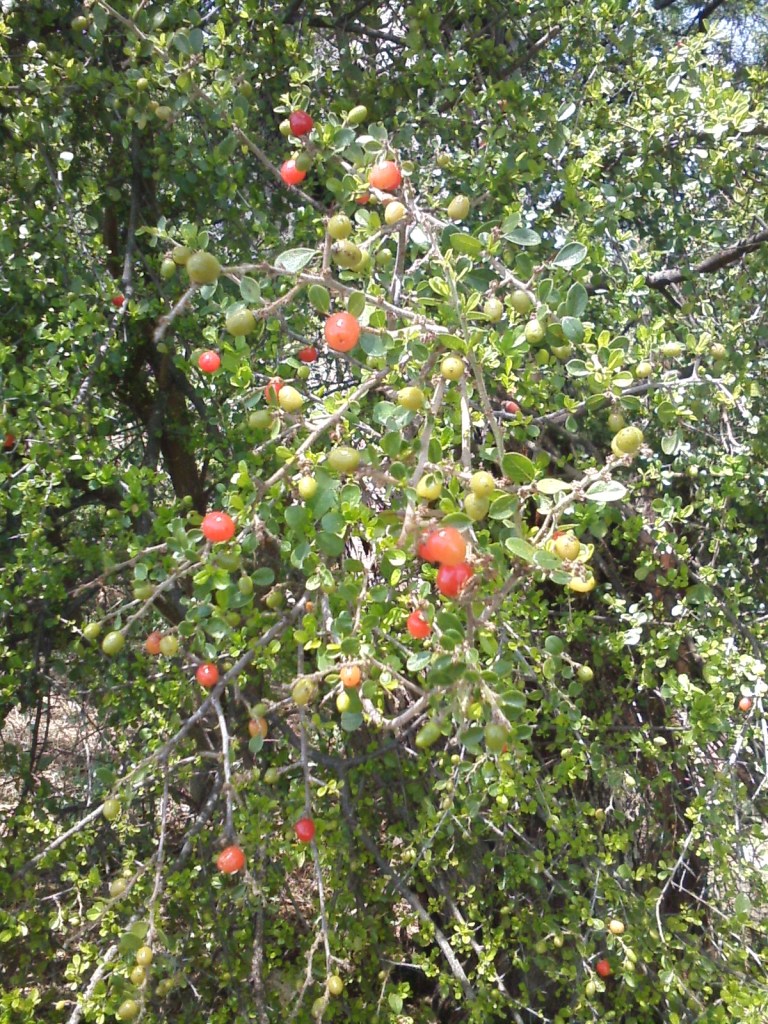
Acebuche berries

Mesquite trees provide a chewy sweet treat for a snack. Acebuche trees have tart red berries that can be eaten right off the tree or made into a refreshing drink. Even the grass is edible. Quelite can be boiled like spinach.  (See Women in the Revolution–Marcelina)

chirimoya

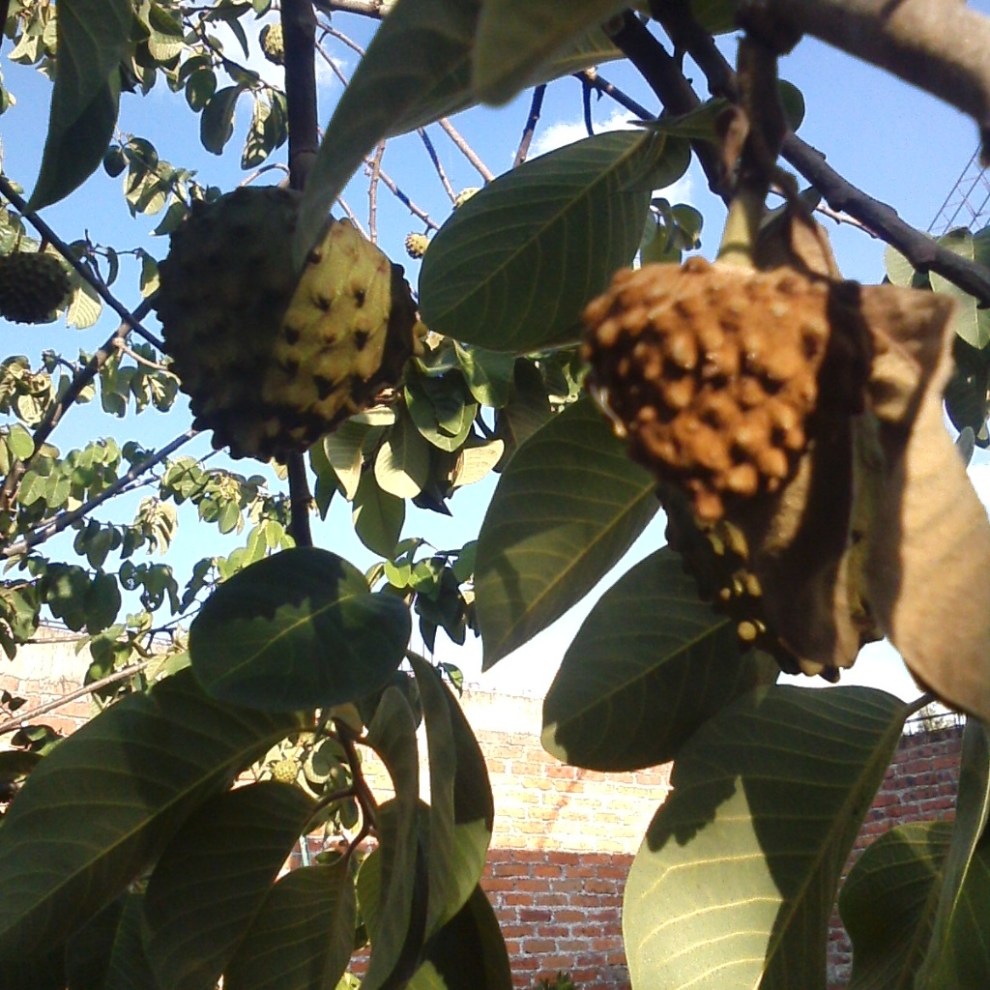
Cherimoya fruit

We have moras (blackberries), chirimoya, guayaba, limones (lemons) and durazno (peach) in season in our own garden. We anxiously awaiting fruit from our granada and nispero trees this year. Our orange tree up and died last year, so it looks like no oranges this year. I hope to do some container gardening as well. Backyard gardening hasn’t been very successful with our free range chickens and rabbits out and about.

******************************************


disclosure

10 Comments

Filed under Alternative Farming, Animal Husbandry, Health, Homesteading, Native fauna and flora, Natural Healing

Old MacDonald’s Farm

All of a sudden we have so many animals that I feel more like the Old Woman in the Shoe than Old MacDonald. And the thing is, we made some drastic reduction in December, so theoretically we should have fewer animals, not more.

shadow

Shadow at nearly 2 years

Joey

Joey at 7 months

Old MacDonald had some horses

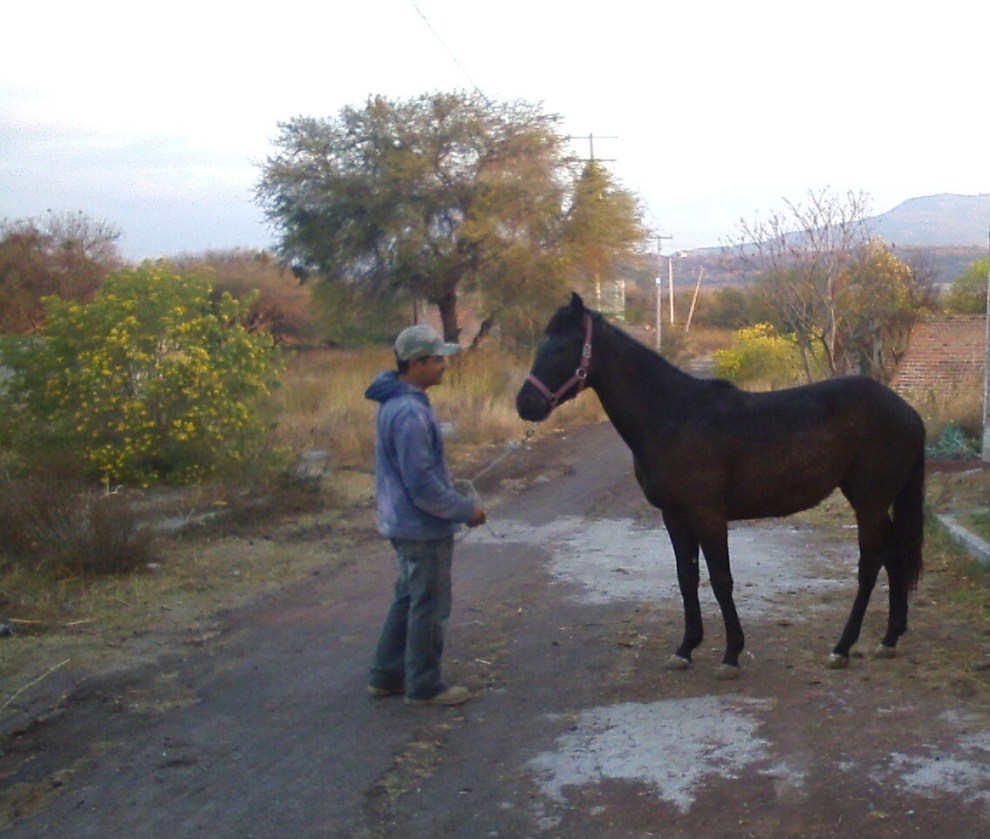
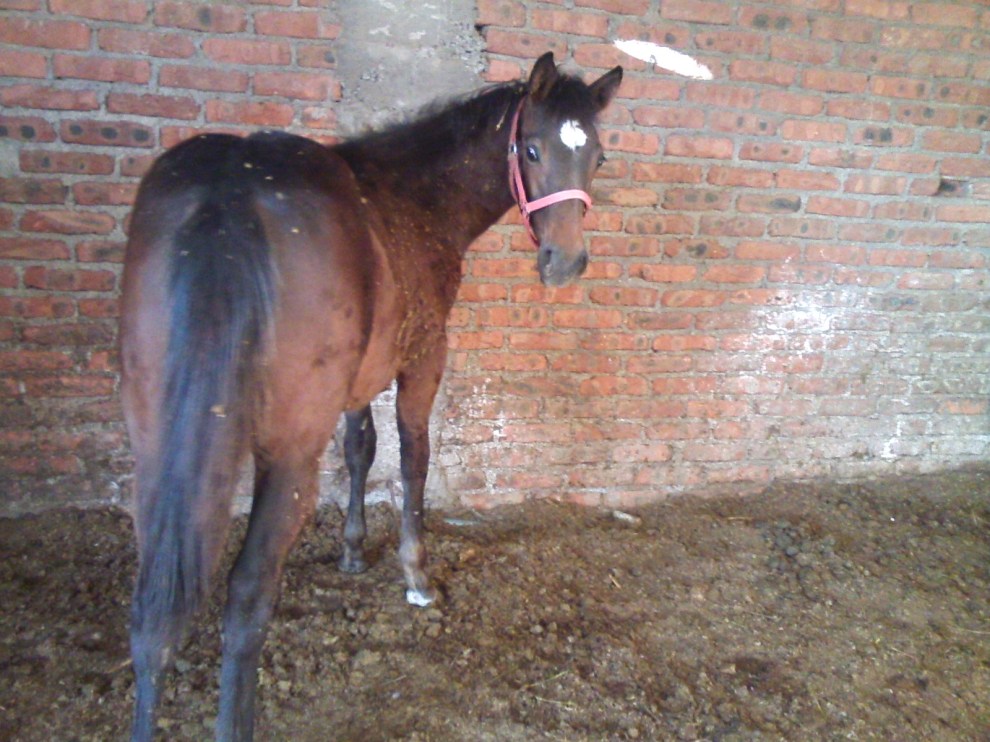
Although we exchanged Beauty for the wood to put on the roof (See Up On the Roof that Almost Wasn’t), we still have Shadow and Joey, two of Beauty’s babies (See Beauty’s Babies). Shadow will be two years old this summer and has begun her heat cycles. We are not interested in breeding her yet. The thing is that Joey, as young as he is, gets all bothersome during these heat cycles. As both horses are housed together, this is a wee bit of a problem. I keep after my husband to put the wall he has had planned for ever so long up, but it hasn’t happened yet.

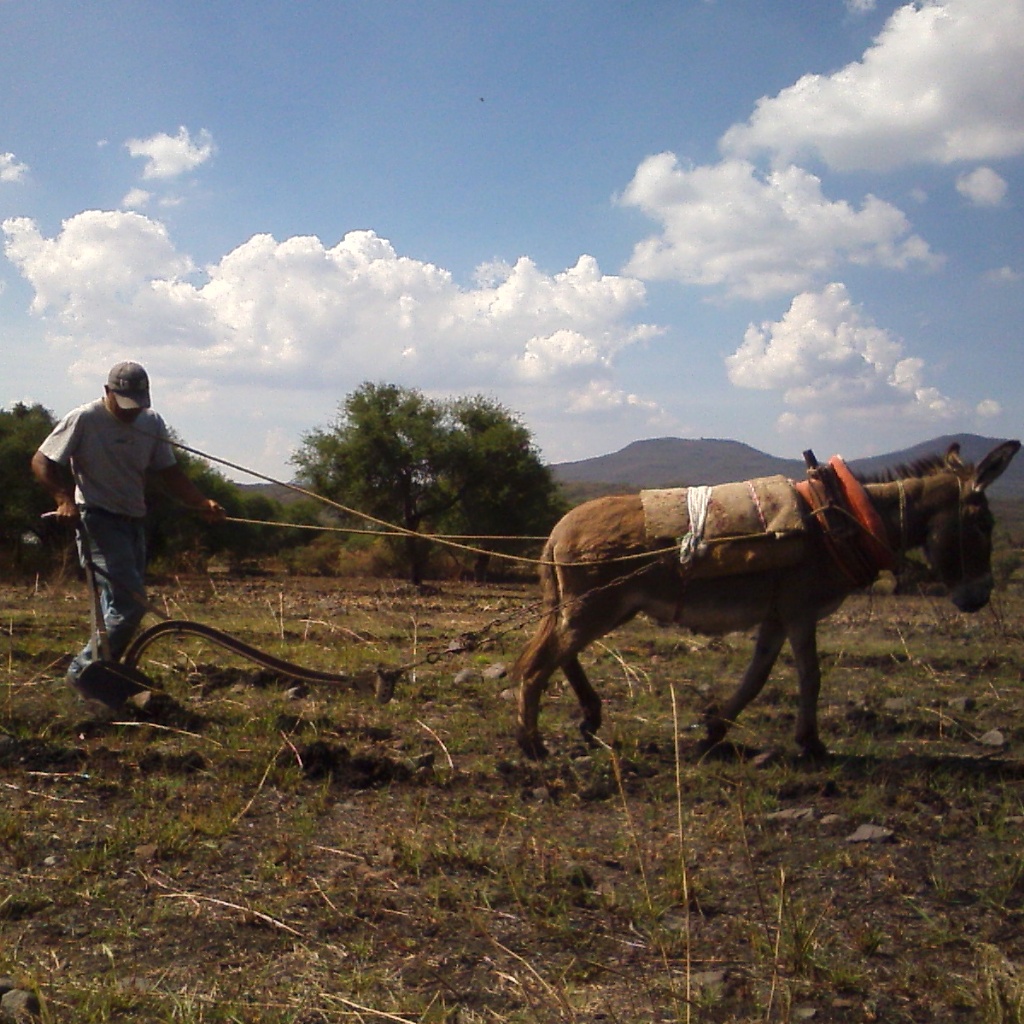
plowing with Fiona

Old MacDonald had a donkey

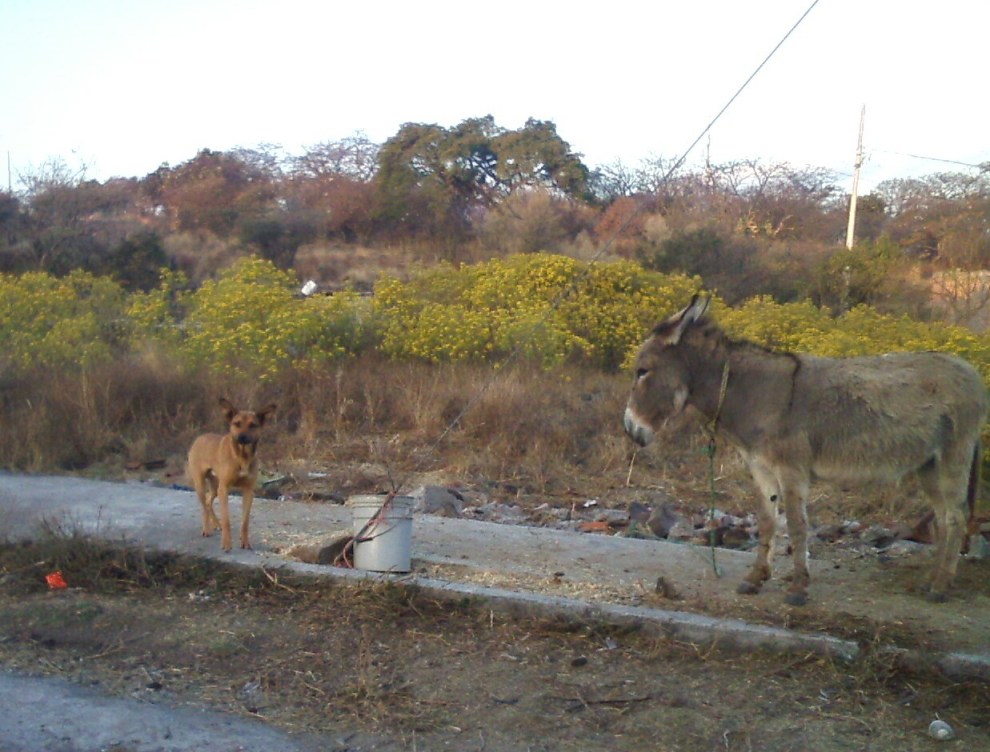
We still have ol’ Fiona, although my husband threatens to sell her every few weeks. I argue against it. For one, she does all the plowing at present as the horses are not yet trained. Secondly, when we go on our family horse trips, I ride Fiona, disregarding the opinions of onlookers. She is a dainty walker, not a roller coaster ride like Beauty was, and so much closer to the ground. I am also campaigning for her to have a stall, at least during the rainy season. She so hates to get wet. That too is on my husband’s list of projects. (See Donkey races in La Yacata)

mischief makers

Mischief makers

Old MacDonald had some goats

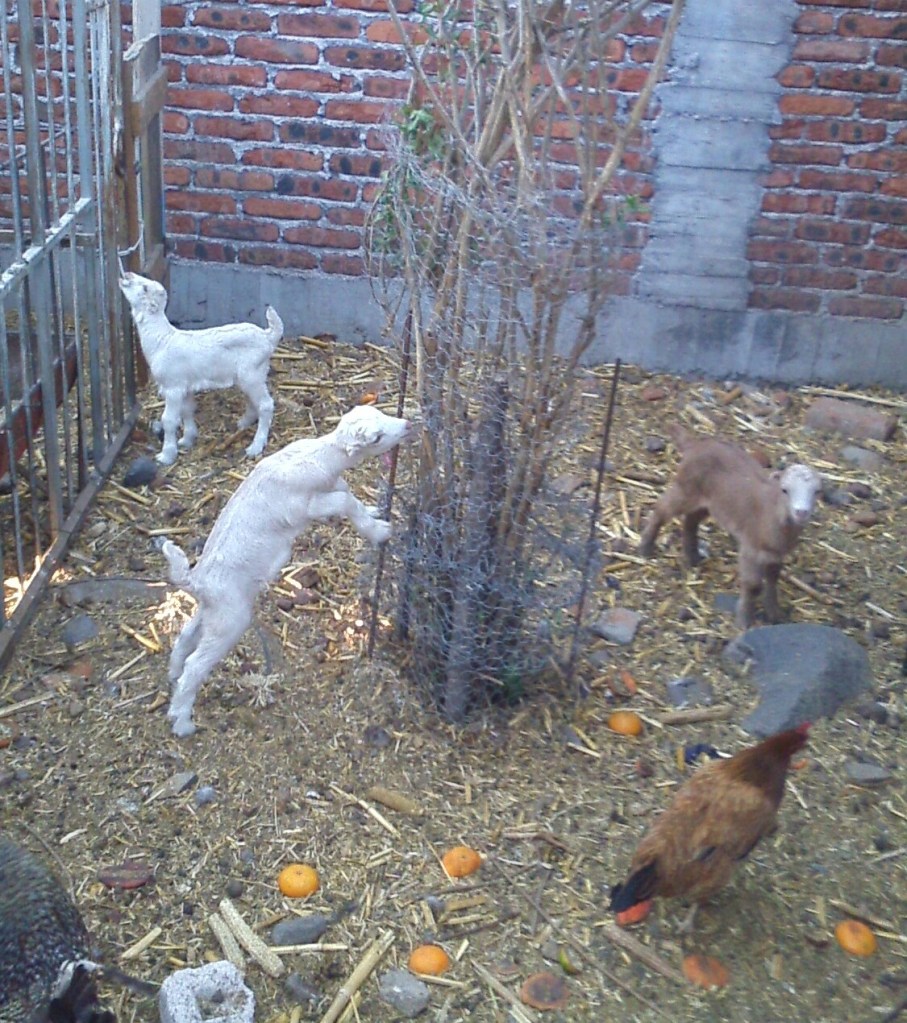
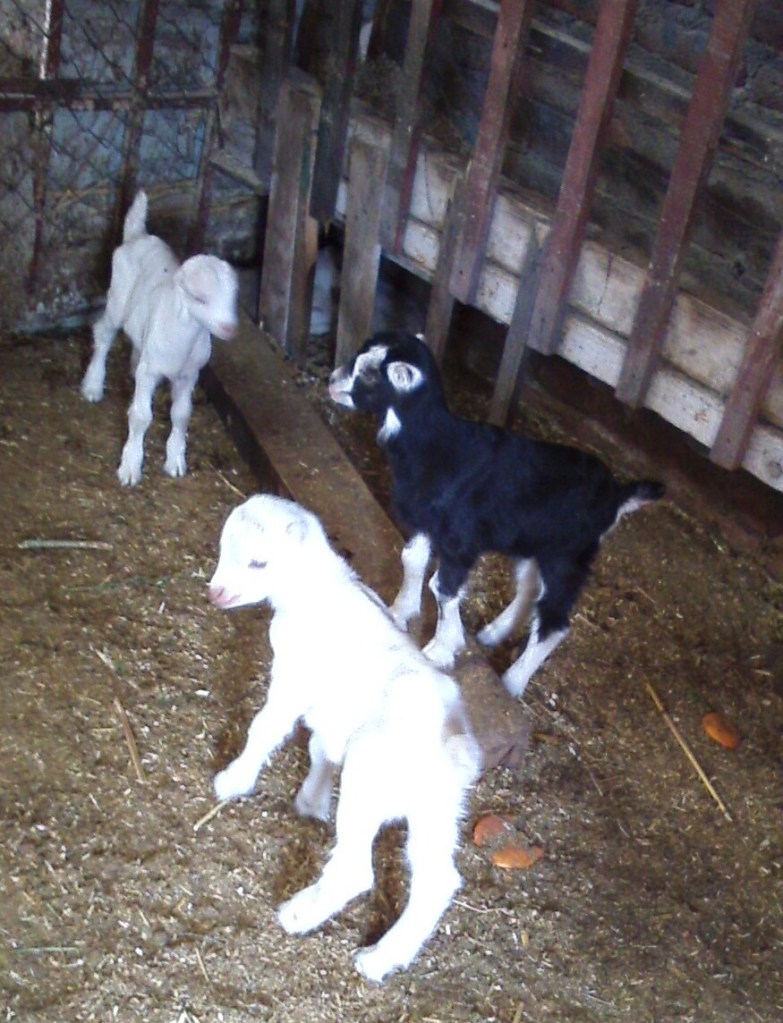
We sold several goats in December to finish paying for the roof. But lo and behold in February, our remaining goats multiplied. (See Birth and Death) In a little over a week, our herd went from 8 chivas (nanny goats) and one chivo (macho goat) to 20. Well, it is the Year of the Goat according to the Chinese calendar, so I guess we should have seen it coming. (See Goat Genetics)

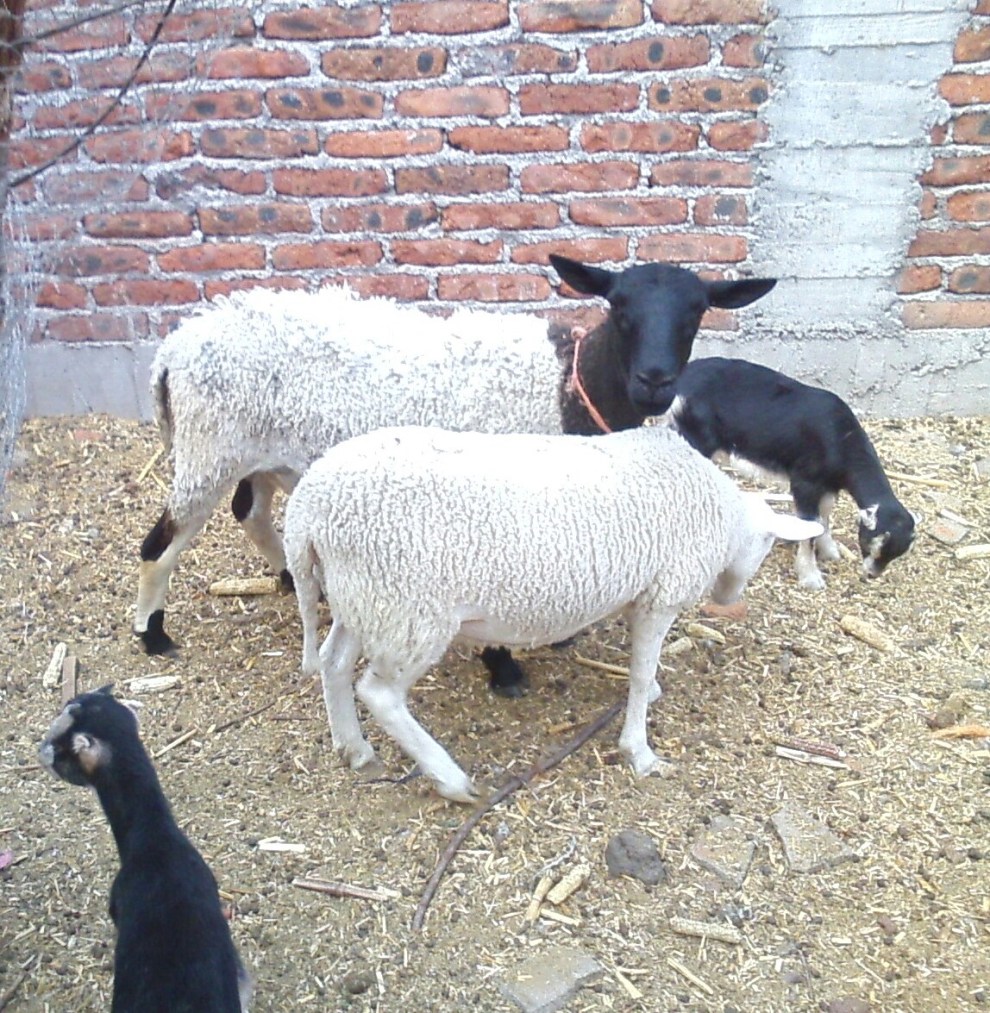
Jill and Mary

Jill has the dark face and Mary is the white sheep in front.

Old MacDonald had some sheep

Even though Flaca and Panzas kicked the bucket (See Birth and Death), we still had little Jack. He refused to associate himself with any of the kids, although he had many to choose from. We thought it best to get him a little companion, as sheep are never solitary creatures. So now, Jack and Jill frolic merrily up the feed trough. (See Separating the sheep and the goats)  And Mary, whose fleece is white as snow, is right behind them.

chickens

Multi-racial chickens, Jack and Brownie

Old MacDonald had some chickens

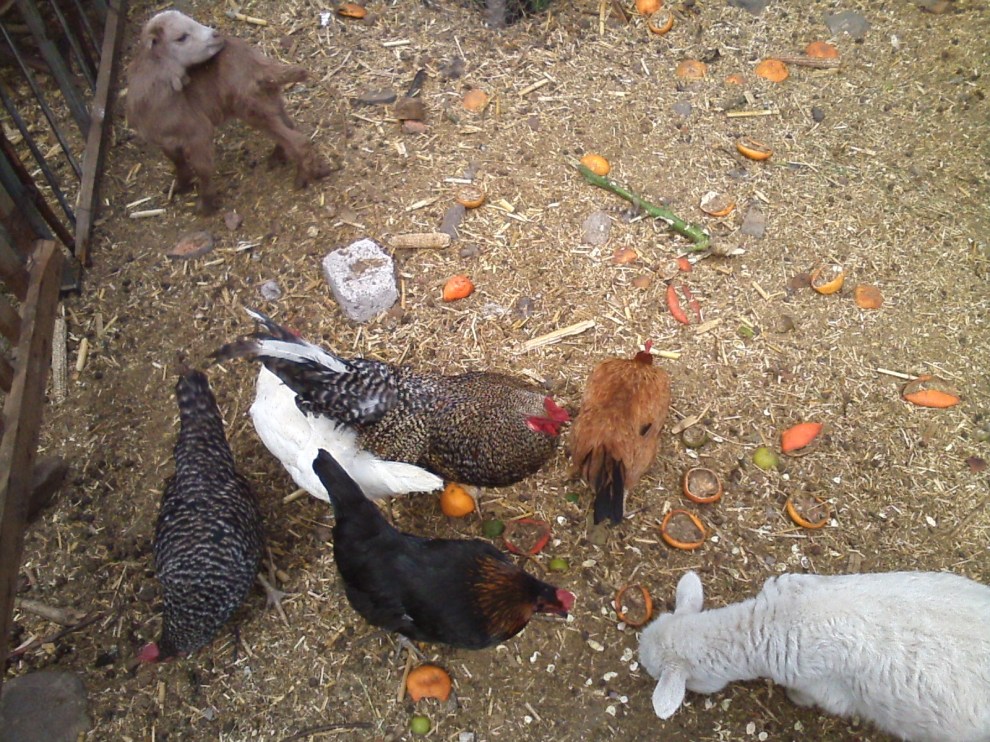
We have had chickens since the beginning, and I’m ok with that as long as they stay out of my garden. There are periods that we have more than one rooster and the morning ode to dawn is a little more than I can bear. Then I start in on how we don’t want a Palenque (a fighting rooster ranch), and it’s time for chicken soup. (See Why did the chicken cross the road) The number of our hens vary, and as my husband is all about bulikos (speckled), he likes to try for genetic variety in our flock. Just this week, we discovered we have a culeca (broody) hen, and that means peeps before too long!

turkey

Meet the Turkeys!

Old MacDonald had some turkeys

One day out in the field that we share-crop, my husband found a turkey–just out of the blue. He snuck up on it and pounced. With a wing clip, Mr. Turkey joined our barnyard critters. He didn’t much like the kids at first and kept pecking at them. We were concerned he might peck out an eye. I think he thought of them as interlopers. He eventually stopped when the sheer number of kids overwhelmed him.

We then found him a Mrs. Turkey and the newly wedded pair couldn’t be happier. Both are a little young for egg production, but we have hopes. The funny thing is the coloring. Mr. Turkey is bluish, and Mrs. Turkey is pinkish–talk about gender coding!

rabbit

Kinda looks like Thumper!

Old MacDonald had some

We’ve kept rabbits before and always found them light maintenance and reasonably profitable. (See Waskely Wabbits) So when my husband was offered four adult females for $100 pesos, he jumped at the offer. They are currently free-range rabbits, which means my backyard garden is on hold. I think I may have to do a container garden on the roof as rabbits just won’t be contained.

kitten

AWW!

Old MacDonald had some cats

We’ve had at least one cat since moving to Mexico. We even brought our cat with us from the U.S. However, our neighbors have caused the premature deaths of many of our cats with a random distribution of rat poison. (See 101 Perritos)

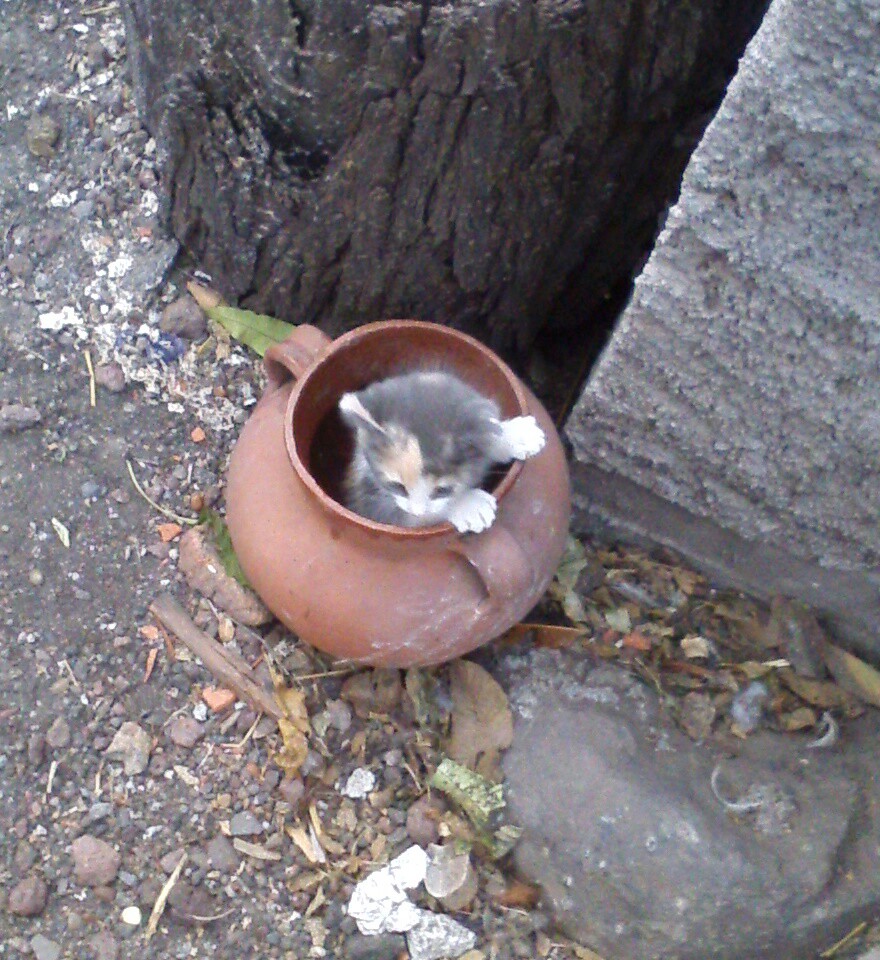
Licorice, aka Lickie, has had 3 litters, but this is the first time any of the kittens have survived.  This time, she presented us with three little kittens, Lickie 2, Devil 2 (who looks like our adopted rescue kitten Devil) and Sancha.  There’s a joke here.  To be “el hijo de Sancho” means the child is the result of someone other than the husband.  Lickie 2 looks like her mom.  Devil 2 looks like Devil.  But Sancha, well, she looked like the neighbor’s tom cat.  We put Sancha up for adoption, so that cut the engorda de gatos (cat fattening business) down to 4.

My husband, who isn’t a big fan of cats generally has changed his opinion. Our cats are excellent mousers. As we have quite a bit of dried food to make it through until the rainy season for all of our grazers, there are mice. The cats have been doing a bang-up job of keeping the rodent population to a minimum. I’m a little concerned about the rabbits, though. Baby bunnies look an awfully lot like baby mice after all.

chokis

Chokis and Fiona

Old MacDonald had a dog, and Chokis was his name-O

We’ve had a number of puppies and dogs in residence during our 9 years in Mexico. (See 101 Perritos) Our current canine pal is Chokis. My husband has moved him outside the gated community of animals, but he is as faithful as…well a dog. He sleeps next to Fiona right in front of the house and is so pleased to see us pull up on the moto that he pees himself. Talk about puppy love! He does a great job of letting us know when someone passes (as does Fiona).

cow

How now brown cow–uh–bull?

Old MacDonald had a cow

My husband has had a bee in his bonnet for about a year wanting a becerro (cow). I have been opposed to this idea just because we honestly don’t have room. The spacing challenge didn’t dismay him in the least. Finally, he broke down and bought his brother’s year old bull for 3 goats and $3000 pesos. He presented it to me as a rescue mission. He bought the bovine because B didn’t take proper care of him. It’s itty bitty living space was knee deep in mud and poop. Well, the deal was already done, whether or not I approved and so now we have a cow, or rather a bull. The plan is to engordar (fatten) him up and sell him full grown for meat. We tend to get extremely attached to our animals so we will see if that happens or not. Let’s call him Toro

E-I-E-I-O

If you think that this doesn’t seem like many animals for a farm, remember our entire property measures 14 meters x 20 meters, with almost half of that being our house. The multitude does provide plenty of home-grown fun, though. Take a look at some of the chivitos (goats) playing ring around the rosy with Jack.  However, I’m not sure that Jack likes it all that much.

See the video here!

*******************************************
Herbal Academy Courses

disclosure

10 Comments

Filed under Animal Husbandry

Birth and Death

kids

February brought new babies to our goat herd. (See Goat genetics) We started with the birth of Brownie (girl, little ears, campanitas (bells)), to Shortie. The next day Moya gave birth to Peanut Butter (boy, pinto, no campanitas, little ears.) Then Caramela gave birth to Pumpkin( boy, little ears, no campanitas.) The fourth day had Vaca producing twin girls (little ears, campanitas, and pintas.) We haven’t come up with proper names for them yet, we’ve been toying with Cookie and Galleta, or maybe Bessie and Bertha, but it remains to be seen. Then the fifth day, Short Ears, our oldest goat at 4 years, also presented us with twins, a boy, and a girl, (little ears, all-white, the girl has campanitas, the boy doesn’t.) We’ve named them Sugar and Salt. Queenie also presented us with early morning twin boys (short ears, campanitas) tentatively named Chocolate and Vanilla.  That leaves Venada waited nearly a week before delivering twin boys.  I guess she wanted them to make an entrance.  One is brown, the other white, both with little ears and campanitas.  And much to our astonishment, Princess is also pregnant, although less than a year old.  We aren’t expecting her to deliver for a few more weeks though.
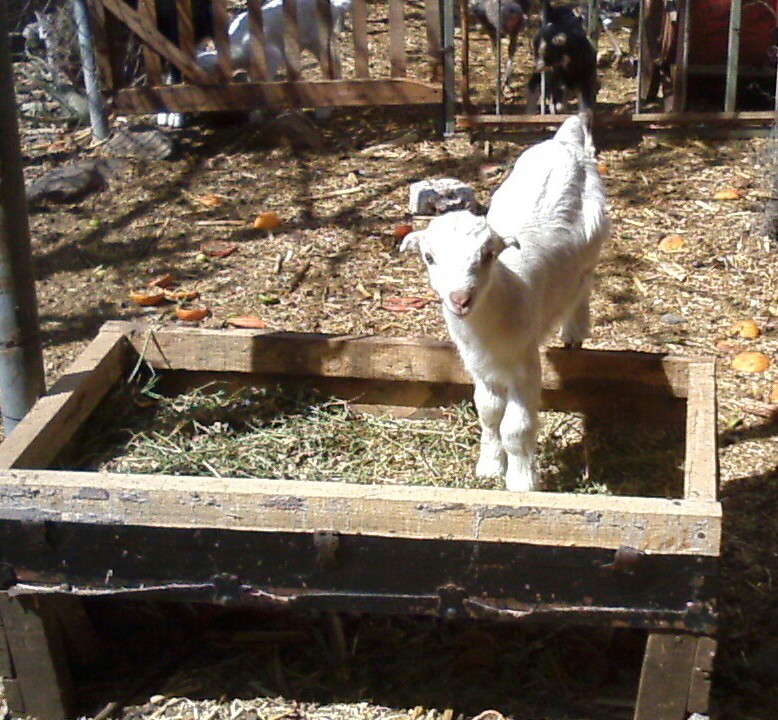
kid

Short Ears has never had any sort of problem giving birth up until now. She varies the number of babies she has. The last birth gave us Princess, (pinta, short ears, campanitas.) The time before, she gave us twins, Duke and Duchess (white, no campanitas). This time, at first, she seemed to be just fine. We arrived home right after her second baby had been born. She had already expelled the tripa, (placenta) from the first baby and was in the process of cleaning baby 2. As she had a boy/girl set, there were 2 placentas, unlike Vaca, whose girls arrived in the same bag. This second afterbirth took its sweet time in detaching. The next morning, there was still a sizable section attached. So, my husband, had me consult the “book.” Otherwise known as Keeping Livestock Healthy: A Comprehensive Veterinary Guide to Preventing and Identifying Disease in Horses, Cattle, Swine, Goats & Sheep, 4th Edition
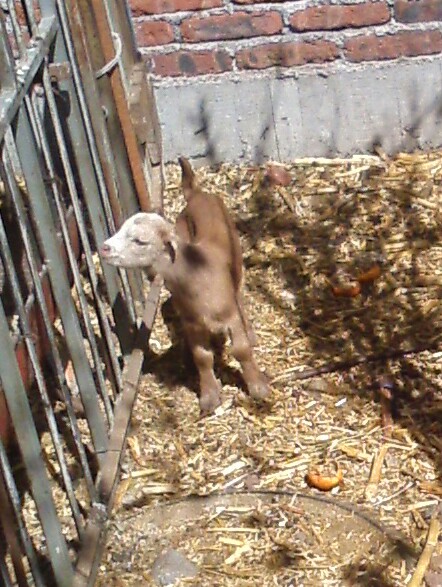
goat kid

What I found in my research was that she had a retained placenta. Typically the placenta is expelled 30 minutes to 12 hours after the birth, but, that if it hasn’t, you should by no means pull at it as that might cause internal bleeding and death. Okie, Dokie. So we decided to wait it out. As long as there was no infection, there should be no problem. We separated Short ears and babies from the other new mamas and mamas-to-be so that she could rest and eat at her leisure. She seemed listless and tired, which again was not normal for her. Additionally, her stomach remained inchada (swollen), and we wondered if perhaps there was a third baby as yet unborn. My husband treated her to a corn handful, which she ate up with gusto, and some plants that he remembered might help in expelling the afterbirth. (Emergency Procedures First Aid and Nursing Care for Goats)

Much to our horror, although Short Ears had successfully expelled the second placenta, the next morning found us with a dead sheep. I haven’t mentioned the The Roof that Almost Wasn’t). Flaca la borrega (Skinny) had just given birth to Jack when they arrived. She was so weak that she couldn’t stand to eat. We were concerned that she might not recover. However, it wasn’t Flaca that had died, but Panzas (big belly).
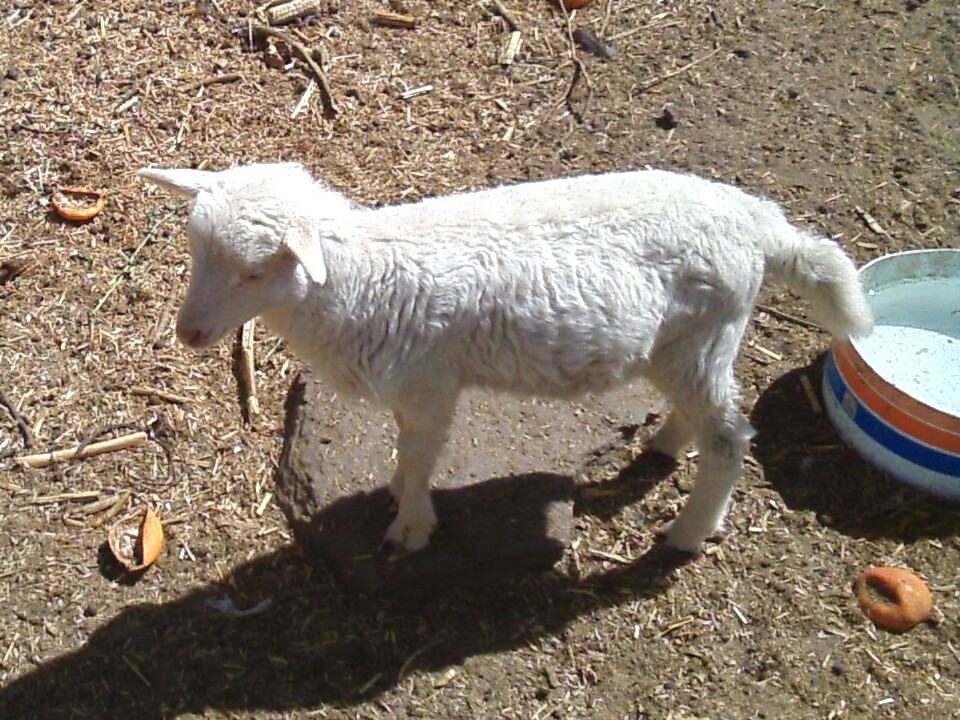
Jack

The second female and heavily pregnant sheep we named Panzas because of her girth. Since the moment we got her, she was a bleater. She bleated when we arrived, she bleated when we left, she bleated when she caught sight of us in the window, she bleated when she didn’t. We often remarked that we wished we understood sheep because she was obviously trying to tell us something. We hadn’t noticed much of a difference the day before, what with our focus being on Short Ears. However, in the afternoon, my son and I had remarked that she was breathing like she’d been running. The week prior, due to births and imminent births, we hadn’t taken the goats or sheep out of the pens but kept them in feed. In the morning, we had brought back a special treat, a bag of orange rinds from a juice vendor, and distributed it among the ladies. We were completely clueless as to what might have caused her sudden death.

My husband had me consult the book again, but I didn’t have enough information to determine the cause of death. Our concern was that it might be something contagious and we would loose our precious newborns. We estimated she had died in the very early morning. My husband found her around 5 am. We decided that just maybe we could save the baby. I convinced my husband to take the body out of the pen before he cut it open just in case there was something contagious involved. So he hauled her bloated corpse out and cut her open. The baby had already died. Since she was already opened, he performed an autopsy. In her stomach, he found a 6-inch long rope, the kind that is often used to tie up pacas (hay bales). So with this, we think the cause of death was bloat.

I believe that the previous owner knew that she had eaten the rope and did not tell us. My husband thinks everyone is his friend and that “he wouldn’t do that.” We know she did not ingest the rope while she was in our care. The alfalfa bales that we buy are bound in wire. Furthermore, my husband is meticulous in checking the food for bits of debris. When he dumped the orange pieces into the trough that morning, he removed every little bit of plastic and paper napkin.

Panzas’ progressing pregnancy also masked a swollen stomach symptom and put more pressure on the stomach, which is probably what she had been trying to say with all her bleating. The hard breathing was also a symptom of the impending death that we overlooked as it could have also been pregnancy induced. (Bloat in sheep and goats: Causes, prevention and treatment)

As we didn’t know she had eaten a foreign substance, we didn’t even know what to look for or where to look for it. We feel sad that she died under our care, but I personally feel angry about the previous owner’s negligence. We knew that he did not care for his animals with the same compassion that we do, which is why Flaca arrived in such a state. And now he is the new owner of Beauty, whose condition has deteriorated to such a state that she is unrecognizable. We have some vague thoughts of buying her back. My husband’s done that before, sold her and bought her back. I guess we shall see what happens.

But then, Flaca died the following afternoon. She had a rectal prolapse like what took place when we had the piggies staying with us who ate chicken intestines. (See Miss Piggy didn’t bring home the bacon). My husband tried various things when she noticed she wasn’t up and ‘attem, even went to the vet to see if there was something more to be done. The vet said that the oranges were what did it. However, we asked around to other borrega (sheep) owners, and they said no. We have given oranges to them before with no ill effects. I checked the books, there wasn’t anything listed about oranges. I went to the internet and found that no, oranges were ok for sheep. ( Effects of feeding ensiled sliced oranges to lactating dairy sheep Australian oranges being fed to the sheep Citrus pulp, fresh Citrus Pulp in Formulated Diet)

So then we thought maybe the oranges we got were bad, but no, none of the goats got sick, besides Short Ears who was already sick prior to the orange snack. And we had fed them oranges before, ruling out bloat caused by sudden change in diet. ( Rectal Prolapse in Sheep Rectal prolapse)

We continued our collection of information in the days following the sudden deaths.  My father-in-law told us that a sheep can be “deflated” in the event of bloat with a knife hole in the back stomach, right at the hipbone juncture.  He’s convinced the oranges were too warm and caused the bloat.  Another borrega owner told us that giving the sheep beer will force it to burp and take care of the problem.  So armed with new knowledge, we blunder on.  We knew that sheep were more troublesome to care for from previous experience (See Separating the sheep and the goats), but we’ve never had any livestock die on us, except of course the rabbits, duck, and chickens that were killed by various dogs (See 101 Perritos)

So this has left poor Jack an orphan. We hope that he’ll find a buddy in the myriad of new kids on the block, but so far he bleats for his mommy, and we are helpless to comfort him.
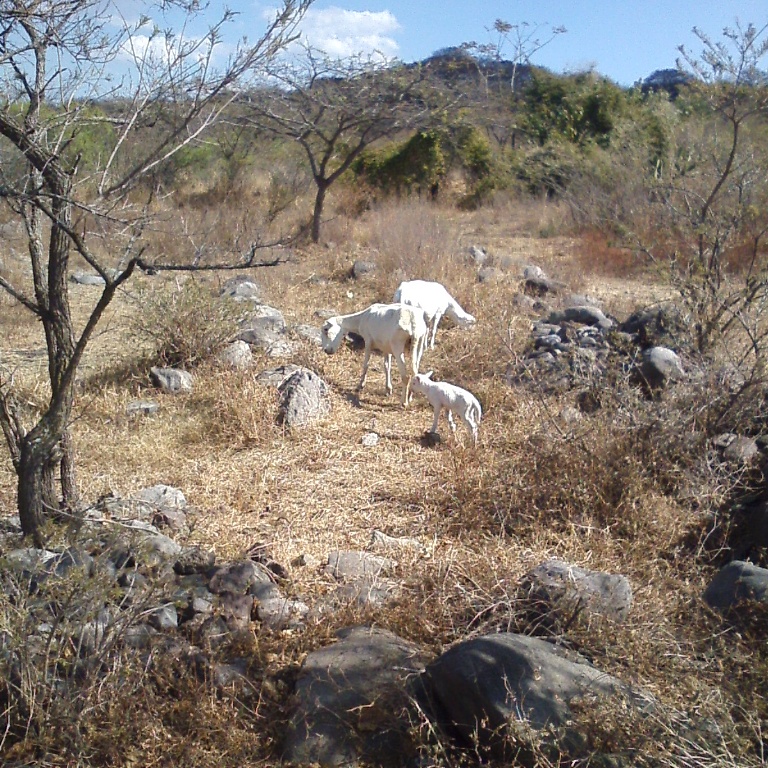
bringing in the sheep

Jack, Flaca and Panzas

***************************
Goods Shop by Herbal Academy – botanically inspired products

disclosure

3 Comments

Filed under Animal Husbandry, Homesteading