Category Archives: Mexican Holidays

Mole

mole pic

Mole (pronounced moe-lay) comes from the Nahuatl word mōlli (sauce) or chīlmōlli (chile sauce). There are some misconceptions here that mole is only the brown chocolate sauce that in Mexico is called mole poblano. As you will see, mole comes in quite a variety of delicious flavors, all of which have chiles rather than chocolate as the common ingredient.

There are several legends about the origin of mole. One is that the nuns at the Convent of Santa Rosa is Puebla were in a lather about the visit of the archbishop. They rustled up what ingredients they had on hand and dumped it all in a pot to simmer. They killed the old turkey wandering around the yard too. When the archbishop arrived, they served poor ol’ Tom turkey smothered in the sauce made from leftovers. When asked, the nuns declared that they had made “mole” (a mix).

Then there is the legend that the monk Fray Pascual invented the dish, again to serve to the archbishop, or maybe it was the viceroy, there seem to be several versions. While the monk was preparing the meal, a sudden wind knocked over the spices into the pots where the turkey was simmering magically creating mole.

I say, poppycock! Mole predates the Spanish invasion in Mexico. Bernardino de Sahagun writes about mollis being used in a number of indigenous dishes in his work General History of the Things of New Spain. A popular Aztec dishes of the time was the totolmolli (turkey hen or chicken in mole sauce).

Where doubt sets in is in the use of chocolate in the sauce. Both the Aztecs and Mayans considered chocolate sacred. Therefore, it was reserved for the highest level priests and royalty. Thus, to include chocolate in a dish for the common people would have been considered sacrilege. That doesn’t mean that there were NO sauces with chocolate, only that they were not served to those who were not priests or royalty. (See Chocolate) Perhaps Cortes was fortunate enough to be served chocolate mole as he was considered a reincarnation of the god Quetzalcoatl and the recipe got out. We may never know.

Up until recently, mole was the standard dish eaten at celebrations of all social economic classes in Mexico. The expressions Ir a un mole (to go to where there is mole) means to attend a wedding, one of the traditional ceremonies that customarily served mole. Nowadays, the upper classes have stopped preparing and eating it, preferring imported foodstuff to traditional at their parties. This is yet another loss in the ongoing processes of colonization. Language, food, and customs are insidiously being replaced. Women no longer learn the art of cooking mole from their mothers. Mothers no longer teach their daughters.

In a few remaining places, the preparation of mole is still a community event, usually in honor of a patron saint or local holiday. In these communities, each person involved has a part to play in the production, much like the tamaladas that gather to make tamales (See Tamales). There is always one person, usually a woman, who is given the honorary position of molera, the head chef. It is she who makes the final determination on how much of each ingredient is to be used.

That is no easy task. Mole poblano has about 20 different ingredients. Oaxacan moles can have more than 30. Recipes are approximate, variations are practically limitless. But, under the direction of the molera, the ritual of the mole is not lost.

In general, when making mole:

Mole ingredients can be classified into 4 distinct groups–the chiles, sour ingredients (like tomatillos), sweet ingredients (like fruit and sugar) and thickeners (nuts or tortillas). Ingredients are roasted and ground into a powder or paste. This is mixed with water or broth and simmered while being stirred constantly until it thickens. Chocolate, if included, is added at the end of the cooking process. It’s always served over something, meat, poultry, eggs or rice.

It’s important that those making mole not become angry, otherwise the mole will boil over or spoil.

The paste or powder can be prepared separately and often can be purchased to reduce the steps in making this unique dish.  Interestingly enough, these powders have such a strong scent that they have been registered as explosives at the Mexico City airport. This strong flavoring is the basis of the expression “en su mero mole.” Mole is an acquired taste and to be in your own mole, is similar to the English expression to be or not to be one’s cup of tea.

Below, I’ve provided a link to recipes of a number of mole sauces.

Moles with chocolate

Mole poblano is the most well-known mole. It is considered one of the national dishes of Mexico. It is often served with turkey when prepared for weddings, birthdays and baptisms. During the Christmas holiday season, it is often served over shrimp garnished with rosemary.

Mole coloradito is made to be served over pork, chicken or beef and it is a red brick color. It is a specialty of Oaxaca.

Mole negro also known as mole oaxaqueño is one of 7 distinctive types of mole made in Oaxaca. Mole negro is served with chicken, turkey or pig head. It has up to 34 ingredients and 6 types of chiles. It also has bananas, gingerbread, almonds, peanuts, avocado leaf, cinnamon and chocolate among other ingredients.

Mole xiqueño is the specialty of Xico, a town in the state of Veracruz. It’s a fruity mole with raisins, xoconostle, bananas and nuts in addition to the chocolate.

Moles without chocolate

Chirmole, also known as chilmole or relleno negro is a dark mole and is common in Yucatan.

Huaxmole, also known as guaxmole or mole de guaje is made with guaje seeds, also known as huaxin, cacalas or cascalhuite, which taste like garlic. It was traditionally prepared for holy day festivals and served over goat meat.

Mole de caderas also known as mole de chivo is a specialty of the states Oaxaca and Puebla. It is meant to be served over goats that have been fed large quantities of salt, giving the meat a distinctive flavor. It is traditionally prepared during the annual goat butchering festival, usually sometime between October and December. During the festival, there is a “danza de la matanza” which ends with the sacrificial killing of a male goat. There is also an altar prepared by the butchers who make offerings and prayers so that the goat harvest is at least as good as if not better than the previous year.

Mole Michoacan. This red mole is prepared with pumpkin seeds and they must not have shell nor salt so the final flavor is not altered and is a speciality of Michoacan.

Mole Amarillo is another of the Oaxacan specialties. It gets its yellow color from the yellow chihuacle chile. It’s also seasoned with hoja santa which gives it a licorice flavor.

Mole chichilo from Oaxaca is served with beef and comes in negro (black) and rojo (red) depending on the manner the chiles are prepared. Of the seven specialty moles of Oaxaca, mole rojo is the spices.

Mole prieto, also known as tlilmolli, comes from the state of Tlaxcala. It has traditionally been part of the ritual festivity in honor of the goddess Toci, patron saint of textiles and health. It prehispanic rituals, this mole was served with deer, turkey or Xoloitzcuintle, a Mexican hairless dog bred specifically for food. Nowadays, it is served with pork. During the pre-festival preparations, a bottle of liquor is buried and a cross made of nopales and chilpotle is placed over the spot. This is done to prevent the mole from boiling and spoiling.

Mole verde, yet another mole from Oaxaca, uses green tomatoes, parsley, and green chiles to give it its distinctive herb flavoring. It’s often served over chicken with chayote, green beans, and white beans.

Pipián is a peanut or pumpkin seed sauce served over chicken. It comes in rojo (red) and verde (green). Pipian verde is also made with ajonjoli (sesame seeds) or pepitas (pumpkin seeds)

Mole tamaulipeco, from the state of Tamaulipas, is served over chicken stuffed with olives. Ingredients include onion, garlic, olives, raisin, tomato, tomatillo, cinnamon, thyme, parsley and capers among others. It’s often served with white rice with chiles and carrots in vinegar.

Mole Soups

Mole de olla is more of a soup rather than a sauce. It is made of xoconostle, squash, green beans, corn, potato, chambarete (beef shank) simmered into a broth of chile guajillo and chile pasilla, seasoned with garlic, onion, and epazote. It is served with pieces of chopped serrano pepper and lemon.

Mole de panza is cow stomach stew, also known as menudo. Mole de panza uses cilantro rather than oregano as seasoning.

Remember to “parece ajonjolí de todos los moles” be like the sesame seed of all moles, involved in everything!

*******************************************************


12 Comments

Filed under Carnival posts, Homesteading, Mexican Cultural Stories, Mexican Food and Drink, Mexican Holidays, Native fauna and flora

The Mexican Postal Service

cam04269-2.jpg

January means a trip to the post office to renew our post office box. This year, the post office was giving out promotional material, and we were pleased to accept El Correo y El Cartero (a children’s activity book) and La Historia, El Valor y Los Valores del SEPOMEX (a historical book about the postal system in Mexico.)

cam04333.jpg

I have to admit, I didn’t know much about the postal system in Mexico before reading these little gems. But now, I consider myself rather more informed. If you have a minute, I’d like to share a few of the highlights.

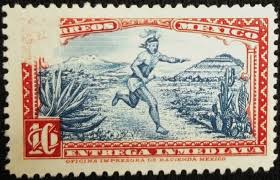
The word correo (mail) comes from the Latin currere, which means go fast or run (like the word correr in Spanish). And that’s exactly how the mail used to be delivered here in Mexico. In pre-conquest times, a select group of men was chosen in each community to act as the first mail delivery boys. They were educated in the Telpuchcalli, which was sort of like a school, with the final objective of being able to take messages or produce to their destinations. There were relay posts along the most common routes called techialoyan where messengers would wait. These early postal workers could run around 4 or 5 leagues per hour.

paynanis

There were 4 types of these delivery men. The Paynanis which when translated meant “he that runs slightly” were the government messenger boys.

The Ycihuca titlantli were the forerunners of the express mail and carried urgent messages between places. Some of the Paynanis were also Ycihuca titlantlis.

The war messengers were called Tequihuatitlantis. These guys had to be sure that they were accurate in delivering the message as they were held hostage until a second messenger arrived, confirming the victory or defeat. If the first messenger had brought false information, he would be sacrificed.

The fourth messengers were called Tamemes and were the package delivery guys. Sometimes they also brought people like an escort or travel guide.

correo-portada

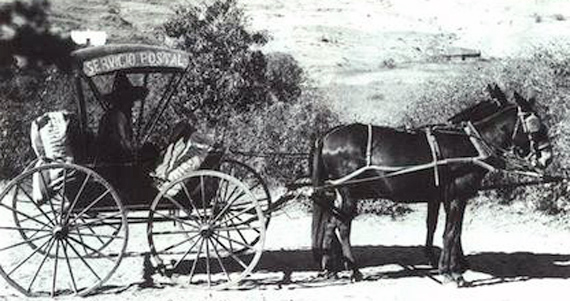
Once the Spanish arrived and took over, the mail service added the horse or buey (ox) and cart to speed up deliveries, although I’m not sure how much faster oxen would be.

img_20160306_125739-1.jpg

The only public mailbox I have seen in all of Moroleon.

Mailboxes were first used along the delivery routes in 1762. As far as I know, there is only one public mailbox in Moroleon. I don’t know that anyone uses it. It seems the general consensus is that it is safer to take your items directly to the post office and hand it to the clerk. Things have a way of disappearing here in Mexico.

first stamp

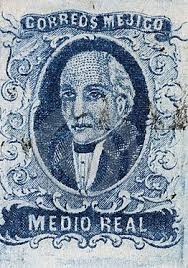
The first Mexican postage stamp was issued August 1, 1856. It featured the image of Miguel Hidalgo y Costilla. In 1879, Mexico was included in the Universal Postal Union. El Dia del Cartero y el Empleado Postal (Postal Workers’ Day) was established on November 12, 1931.

The first zip codes weren’t created until 1981. Sepomex (Servicio Postal Mexicano) was founded in 1986. As with most agencies here in Mexico, the post office is under the jurisdiction of the federal government. In 2008, Sepomex became Correos de Mexico.

According to the booklet, there are now 32,466 zip codes, 1,492 offices, and  200,529 post office boxes which the post office officials use to imply that 96% of the total population of Mexico has access to mail service.

So if those figures are correct, and the government wouldn’t lie, then we must fall into the 4% of the total population that lacks postal service.  As I mentioned at the beginning of this post, January means renewing our post office box. This requires presenting identification and a water or electric bill. As La Yacata does not have water or electric, or street names hence the necessity of renting a P.O. box, we always borrow someone else’s. We’ve done this the past 3 years as we do with our other legal documents, like license plates and driver’s licenses. This year, that wasn’t good enough for the post office. The identification and the water bill did not have the same address, so it wasn’t acceptable. So we will no longer have a P.O. box. That will save us about $300 pesos per year.

What I don’t get is that if a demanda (lawsuit) could arrive at my door via the court delivery woman who uses La Yacata as a romantic rendezvous and taxi drivers know where to bring people who wish to speak with La Gringa de La Yacata, why can’t the post office deliver mail to my house?

bike mailman

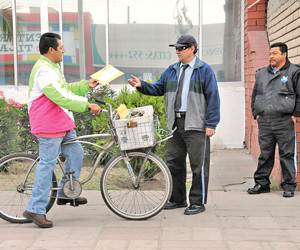
Of course, it might be pure laziness. Most deliveries in Moroleon are via bike, although there are a few official motorcycles, undoubtedly reserved for the express service. La Yacata is just TOO far for postal workers to bike out and deliver a letter or package. It is nearly 2 km from the boundary of Moroleon, after all.

cam04373-1.jpg

This room serves the communities of Pamaceo, La Ordena, Las Penas and Caricheo.

The little villages further up the road have a little room where all mail is delivered, and residents must stop and pick up their mail from there. Perhaps that’s what we need to establish in La Yacata. But getting residents to agree to anything is nearly impossible, so I doubt that the first post office in La Yacata will open in my lifetime.

Thus, if you have any intention of sending a care package our way, email me first and I’ll see if I can come up with an alternative method for delivery.

*********************************************************

disclosure

1 Comment

Filed under Mail Service and Shipping in Mexico, Mexican Holidays

Las Fiestas en Enero–Jaripeo

feria 2016.jpg

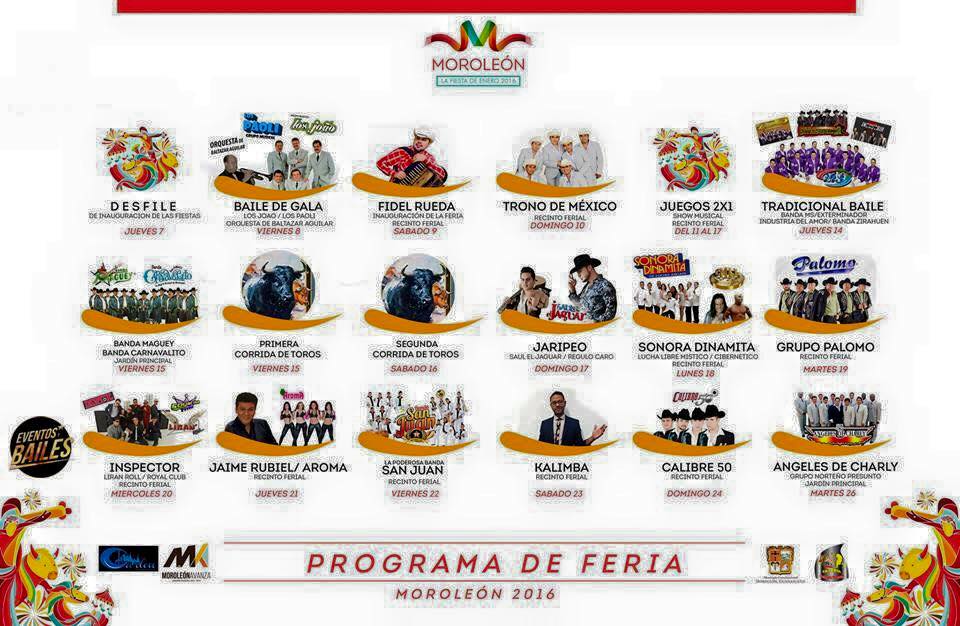
January has come around again, and it’s time for the annual festival in Moroleon. Although the events seldom vary, our own experience with the festival has.

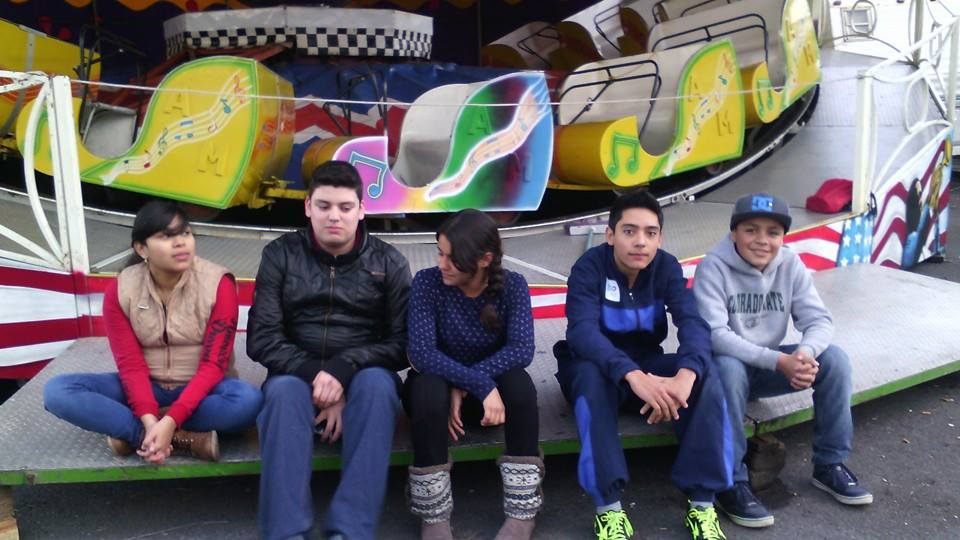
This year, our now 13-year old young man begged and pleaded to go to the fair with his friends rather than with us. Our schedule remains complicated, so he had to wear his school uniform, rather than ‘cool’ clothes, but he said he had fun. The first week was 2 x 1 admission which included unlimited rides and the circus, now with no wild animals performances. They did add the log flume to the ride repertoire, although getting drenched in frigid January temperatures isn’t ideal.

william at the fair

At the fair

I’ve decided that I’m too old for amusement park rides–my equilibrium isn’t what it used to be. My husband has an extremely weak stomach and never was a big fan of rides. So he and I decided we’d enjoy the festivities by going to a jaripeo (rodeo) instead.

When we found out that the jaripeo would be in the Lienzo Charro Nuevo, which was specifically dedicated to el Sr. de Escapulitas, and had free admission–there was nothing more to do but march our little fannies across the road from La Yacata and attend.

Our son decided that he wasn’t interested in attending, so just my husband and I set out.

Even though the rodeo was less than a five-minute walk from our house, my husband insisted we take the truck. Apparently, walking to such events is just not done. Sure enough, we saw several of our neighbors with their trucks there.

My husband clarified that this was not a jaripeo, even though that’s how it was announced, but a charreada–a skills presentation rather than real rodeo, but I didn’t care. The nearest I can figure is a true jaripeo is fairly dangerous to bull, horse, rider, and audience and may result in the death of any of the aforementioned participants. Whereas a charreada seldom results in death, although injuries, sometimes severe, do occur.

The charreada became popular when there were haciendas in Mexico, adapted from traditions brought from Spain in the 16th century. Originally, the charreada was a competition between the families of neighboring haciendas. The charreada is made up of 9 events for men and one event for women, all involving horses and cattle.

I had some mixed feelings watching the charreada. I enjoyed watching the horsemanship and rope tricks. However, I felt sorry for the undernourished yeguas (mares) that were roped and tripped and harassed. Most seemed to be about the same age as our Joey, but so thin and small, with large patches of hair missing from their hindquarters. I asked my husband what happens if one of the horses is injured in the fall. Sadly, they are fed to the lions. Yes, Moroleon has lions at the local zoo. Unmanageable, sick, unwanted, injured horses and donkeys are bought and served up fresh to the small lion pack at Los Areas Verdes.

Partying in honor of Las Fiestas de Enero continued on until the wee hours of the morning on Thursday, Friday, and Saturday nights. We opted to steer clear of that again this year. It’s cold, noisy, smelly and just not a whole lot of fun for us old fogies. The fair is here 2 full weeks and events such as the jaripeos are randomly interspersed in between. The “trastes”(dishes) stand also comes to town but no longer sets up with the circus. It rents an open area near Soriana for their tents now, probably cheaper. Dishes, glasses, pots, pans, cooking utensils, dish towels and the like can be found there. They aren’t less expensive than the regular stores, but there is more of a selection.

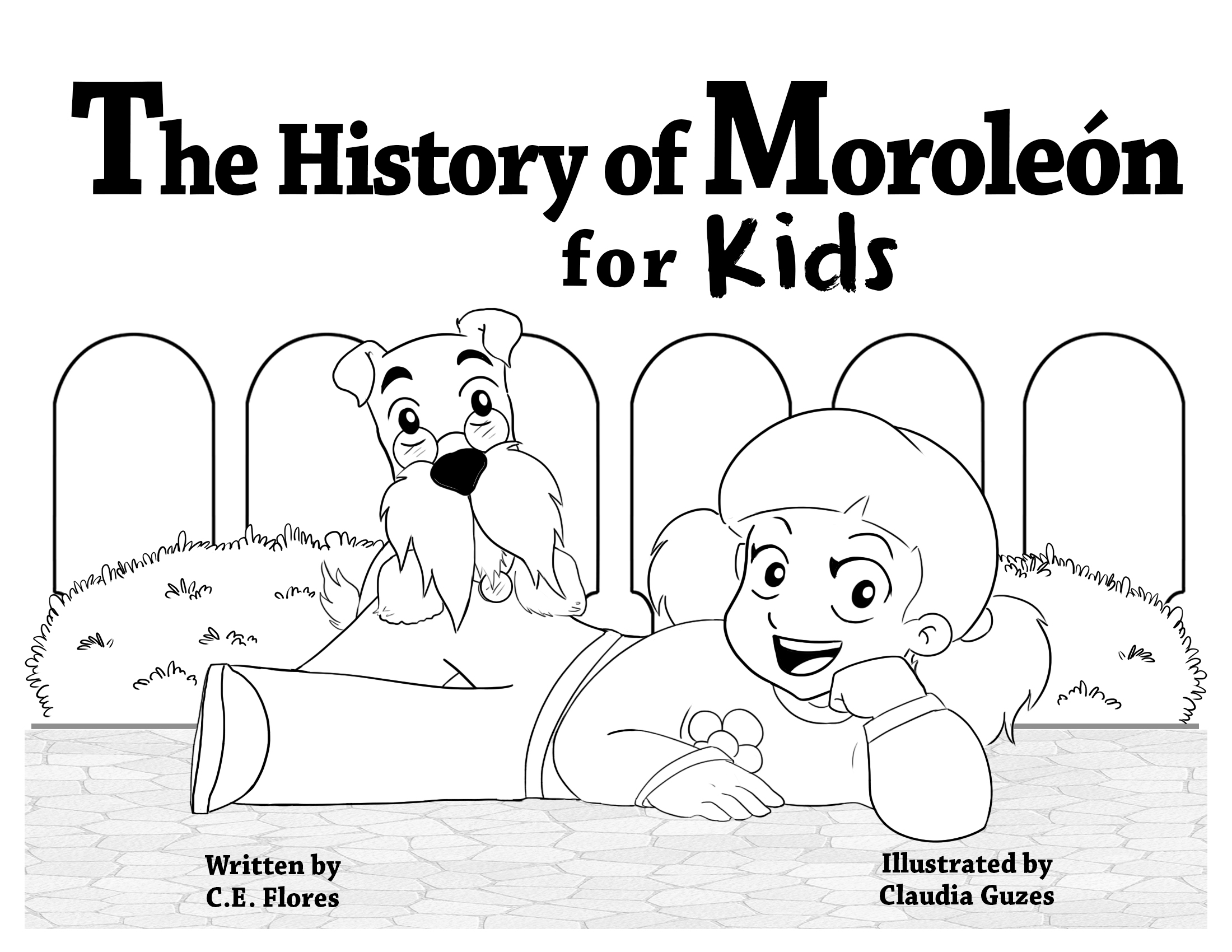
I have a special treat for those of you from Moroleon. My friend Claudia and I worked up a little book for children that highlights some of the more interesting historical tidbits about Moroleon.

portada 2The History of Moroleon for Kids (Kindle)

*************************************************
SOTBS Blog Hop Op1Sq

Have a Christmas or New Year in Mexico themed blog post?

Link it up here! An InLinkz Link-up

disclosure

4 Comments

Filed under Carnival posts, Cultural Challenges, Mexican Holidays