Morning glories (Ipomoea) are native to Mexico and, in many herbal sources, lumped together. However, it’s worth the time and effort to unravel the specific uses. Today’s post focuses on jalapas.
Ipomoea purga
Ipomoea purga, as the name implies, has been used as a purgative since before the conquest. In Náhuatl, this plant is known as tolómpatl or tlanoquiloni. In Totonaco, it is called Suyu’. The Spanish gave this plant the names mechoacán, from the state Michoacan, and jalapa (xalapa) after the city in Veracruz where these plants grow in abundance.
The root, raíz de jalapa, can be either laxative or purgative, depending on the dosage. High dosages of the root can be toxic. To treat diarrhea with stomach cramps, a spoonful of the chopped root is simmered in a cupful of water. As a purgative for intestinal parasites, a teaspoon of fresh or dried powdered roots is added to a cup of water and drunk on an empty stomach.
Constipation is treated with a cup of water and five grams of powdered root every morning until the person has regular bowel movements. As an appetite suppressant, three grams of the powdered root is ingested in a cup of water one hour before each meal.
In addition to being a powerful purgative, studies have shown that Ipomoea purga demonstrates cytotoxic and antiproliferative activity, making it a potential compound in the treatment of cancer.
This month, our community drama had to do with the sewer line. The issue was urgent and completely solvable, but it became a huge bone of contention among the colonos. Here’s how it evolved.
The clogged corner
The sewer lines were installed some 30 years ago. While they met the standards at the time, they do not meet current requirements and will need to be replaced. As we have several other projects going on, the sewer line has taken a back seat–that is, until it started causing a stink–literally.
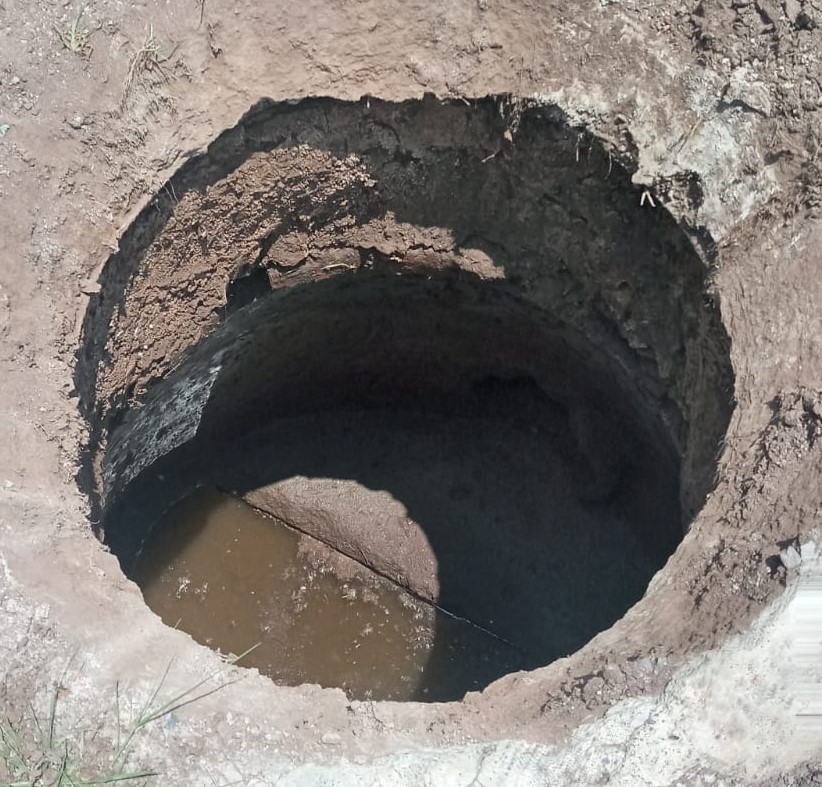
Heavy rains this year, and an accumulation of pig poop, dirt, and even trash caused the drain at the corner of the road behind me to begin overflowing into the street. Disgusting! The person who lived on the corner was understandably distressed. The topic was brought up at the last community meeting, and the issue was assigned to the newly minted Consejo de Honor y Justicia.
The Consejo de Honor y Justicia’s role is to provide mediation between colonos, taking some of the workload from the mesa directiva. Therefore, the job was to assess the severity of the sewer issue, talk to those affected, and endeavor to come up with a satisfactory solution. The mesa directiva could then take the plan and implement it.
Well, they didn’t do that. In fact, the members of the Consejo insisted that resolving said issue was outside of their purview. And thus, the sewer situation became a stand-off.
Commentary about the sewer was polarized. Some said that it was the responsibility of the person who was putting the pig poop in the drain to pay for it to be fixed. Others asserted that each property owner could do exactly as they pleased and no one could hold them accountable.
There were only two possible culprits when it came to pig poop. One emphatically denied using the sewer to discard their animals’ excrement. The other said that the person who lived on the corner was being “delicate” which makes me suspect that the insulter might know a bit more than she was admitting about the situation.
Then the comments became more intense, with blame being directed at the Mesa Directiva and specifically Super Prez for the poor state of affairs found in La Yacata. At that point, I decided to step in and clarify some of the information being bandied about. I wrote a historical account of sorts, going back 30 years, about the different issues with the utilities in La Yacata, and posted it to the community WhatsApp group.
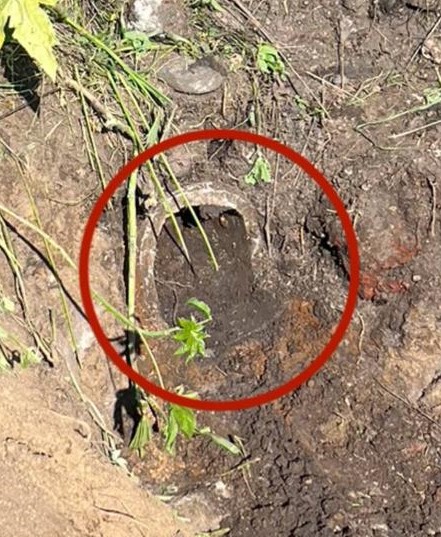
The discharge point was nearly completely blocked.
Without blaming anyone specifically, I reminded everyone that as a community, each colono’s actions affected their neighbors, and situations such as the sewer line should be resolved without name-calling. I also reminded everyone that it is NOT acceptable to dispose of animal feces in the sewer. The sewer is basic and old, and pig poop will stop it up. Things settled down a bit, and the suspected pig shoveling culprit even apologized for her statements.
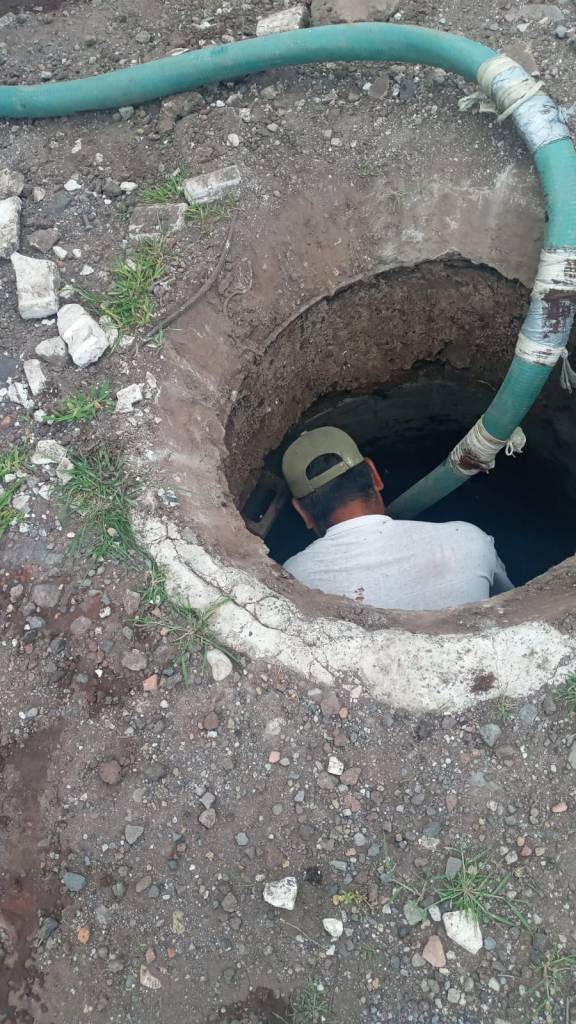
Finally, Super Prez stepped in, as the situation could not wait until the next community meeting, and had his workers make a start at unclogging the drain.
Working on the problem
The sewer will need to be replaced, and it’s on our long list of things to be addressed, although we hope that clearing it out a bit will extend its life just a little longer while we get the current projects sorted out. I’m sure this Sunday’s community meeting will be full of drama as always, but at least the smell has dissipated a bit.
This digital bundle brings together 20+ handpicked resources that cover:
Natural remedies & wellness routines
Habit building (without guilt)
Simple, nourishing meal solutions
Mental health support
Family-focused wellness tools
🎉 And yes — my book is included!
📖 The Mexican Apothecary: Traditional Cold and Flu Herbal Remedies
This book is rooted in centuries of tradition and filled with 140+ home remedies for coughs, congestion, sore throats, digestive upset, immune support, and more. It includes:
67 traditional plant studies with scientific references
Remedies passed down through generations of Mexican healers
A guide to clearing and cleansing the sickroom
Easy, accessible preparations with herbs you can often find in your kitchen or garden
Whether you’re new to natural health or looking to reconnect with ancestral herbal wisdom, this is a resource you’ll return to again and again.
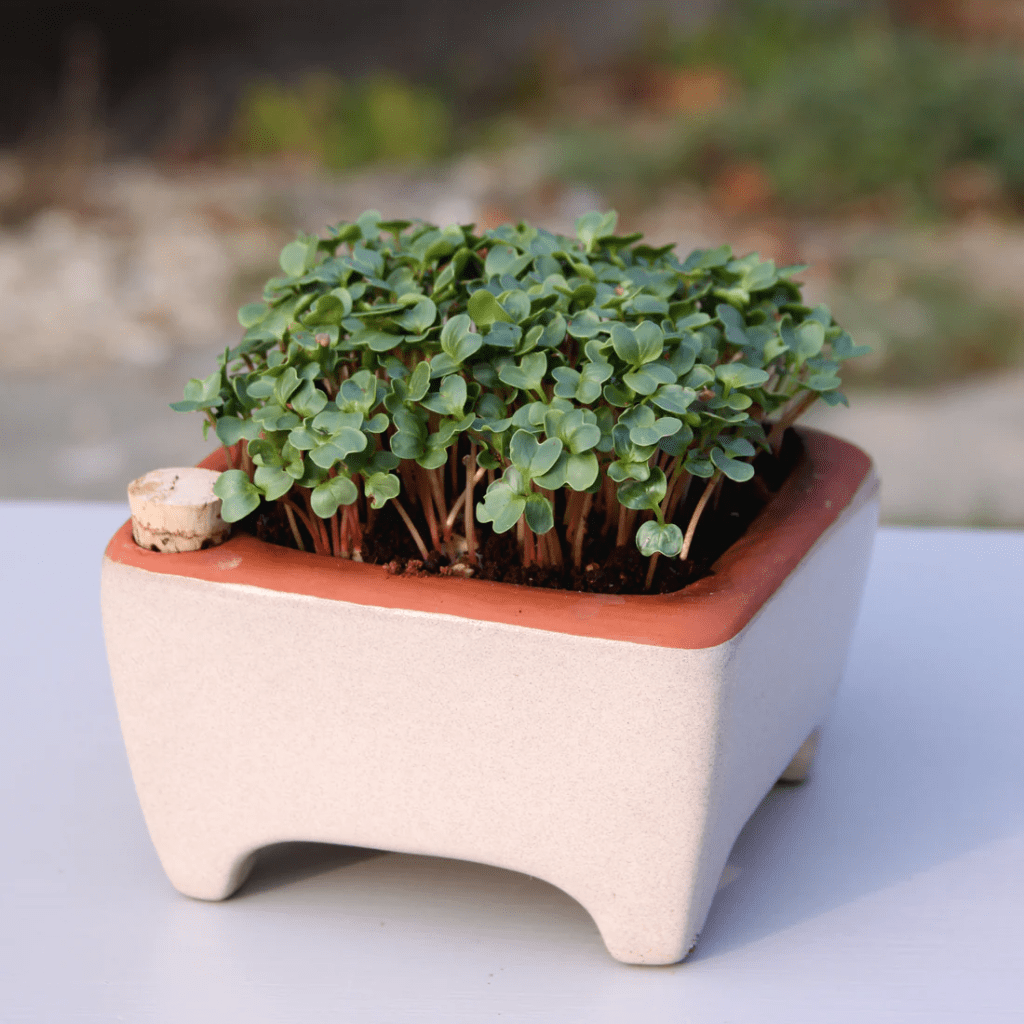
And guess what else? When you grab the bundle by July 15, you’ll also receive a free $60 microgreen growing kit from Orta Kitchen Garden — just pay shipping.
Everything in this bundle is digital and instantly accessible, so you can start transforming your wellness from day one.
💚 This is about building sustainable health in a way that fits your rhythm, not someone else’s.
Start here: ✅ Take the free “What’s Your Wellness Style?” quiz to better understand your healing path:








 Surviving Mexico