Natural Healing — Pelonchile

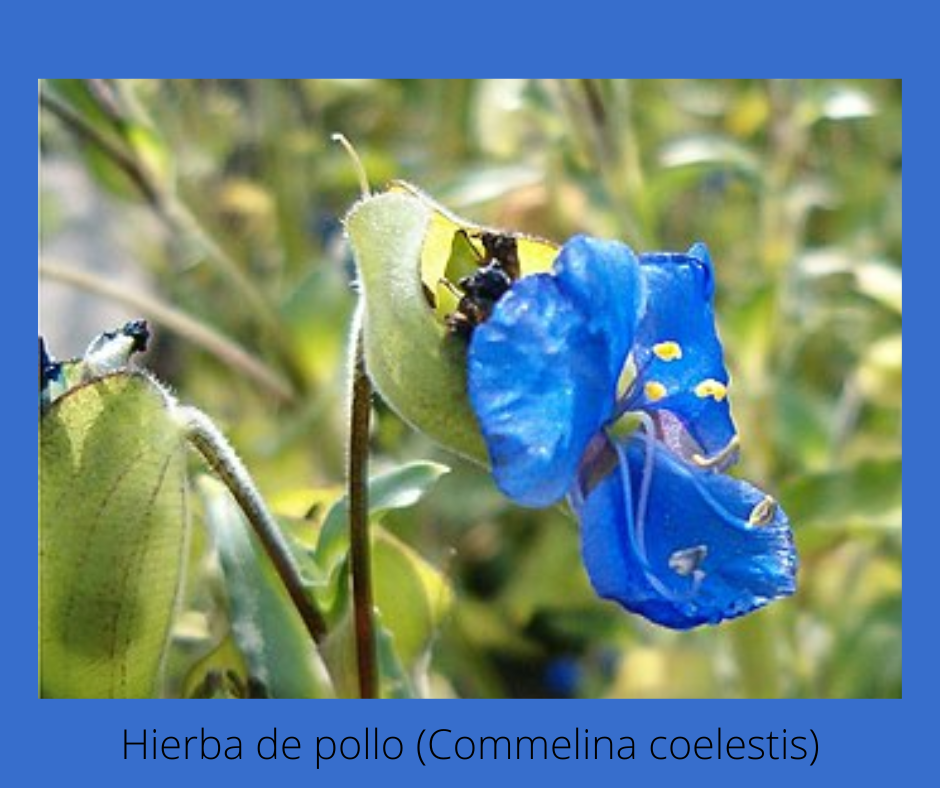
Photo credit: B.navez

Tropaeolum spp. is native to Central and South America, from Chile to Mexico. As seems quite common among plants, there are some naming issues that cause confusion. First, in English, this plant is often called nasturtium. However, it does not belong to the watercress genus Nasturtium officinale. Tropaeolum was given this common name because it produces a similar oil as watercress.  

Another language name issue is the term mastuerzo used for this plant from the Spanish nastuerzo, meaning “de nariz torcida” (crooked nose). Mastuerzo is also used to identify the plant Lepidium virginicum, known as pepperwort in English and Mexixquilit in Nahuatl. I’ve seen several reputable herb texts make this misidentification error with the Nahuatl term. The matter is made clear with this illustration for a hiccup remedy from The Classic Codex of 1552. The plant Mexixquilit in no way resembles the climbing Tropaeolum majus but is a fair representation of Lepidium virginicum.

Pelonchile from the Nahuatl pelonchili is a more precise name for this plant. The etymology gives us even a little history. Pelon from the word pelun meaning from Peru, and chili the term for anything spicy. This breakdown suggests that the plant originally came from South America and lets us know that it has a spicy taste. Nicolás Monardes, author of the 1569 herbal Historia medicinal de las cosas que se traen de nuestras Indias Occidentales introduced pelonchile to Spain. 

Other names include capuchina, cachaco de muladar, espuela de caballero, mexiquelite from the original pelonmexixquilitl meaning edible plant from Peru, texao, marañuela, taco de reina, curutziti, chimbindo in the Bajio region of Mexico, cuitziquiendas in the Tarascan language, and jauaxola in Purépecha.

The Tropaeolum genus has about 80 species. The climbing varieties belong to the family Tropaeolum majus, and the bushier types are classified as Tropaeolum minus. The flowers and leaves are edible for all varieties. Juice is made from a handful of crushed fresh leaves drunk before breakfast for at least 15 days as a tonic. The leaves are also added to soups for a lightly spicy flavoring.

Pelonchile is full of trace elements and bioactive compounds easily absorbed by humans. The flowers contain potassium, phosphorus, magnesium, phosphorus, iron, copper, and zinc. Because of the plant’s high content of vitamin C, anthocyanins, and polyphenols, it provides antioxidant activity. 

Melasma, a condition that causes dark, discolored patches, and chloasma, the same condition that occurs in pregnant women, is treated with a decoction made with Pelonchile flowers drunk two or three times a day. 

Pelonchile essential oil demonstrates antimicrobial, antifungal, anti-diabetic, hypotensive, anticancer, and expectorant effects. It has been shown to be effective in the treatment of digestive and respiratory illnesses, especially bacterial infections in the bladder and upper air tract. 

An infusion made from the dried plant is prescribed for colds, flu, bronchitis, and cough. To make this, five grams of pelonchile are added to one cup of boiling water. Allow it to steep for ten minutes before straining. Drink two cups per day for three or four days. 

The seeds contain a high content of erucic acid, which can be used to treat adrenoleukodystrophy, a hereditary condition that damages the myelin sheath that insulates nerve cells in the brain. It is a strong diuretic. A cold infusion for digestion is prepared by adding a pinch of stems, leaves, or seeds to a cup of cool water and allowing it to steep overnight before drinking. 

The leaves have been shown to be useful in the treatment of liver cancer. The plant is antibiotic. It also shows the potential to prevent and treat obesity. It demonstrates anti-bacterial and anti-inflammatory properties.

***

Interested in natural remedies? Uncover herbal remedies from traditional Mexican sources for healing and wellness in the Exploring Traditional Herbal Remedies in Mexico series.

Leave a comment

Filed under Health, Native fauna and flora, Natural Healing

🎁 Free eBooks to Inspire, Heal, and Celebrate Tradition

The holiday season is here — and what better way to celebrate than with a stack of free ebooks? ✨

From herbal wisdom to heartwarming stories, I’m giving readers a chance to download several of my most-loved titles free on Amazon from November 27 through December 1. Whether you’re passionate about natural remedies, cultural traditions, or simply love discovering new reads, there’s something for you here.


📗 Exploring Traditional Herbal Remedies in Mexico (Special Edition: Vol. 1–5)

What ancient secrets do the plants of Mexico hold? 🌵
Dive into the vibrant world of traditional Mexican herbalism with this five-volume collection — featuring over 140 medicinal plants, each beautifully photographed and meticulously researched. Discover the timeless wisdom of curanderos (traditional healers) and the deep connection between nature, culture, and healing.

👉 Get it FREE on Amazon, Nov 27–Dec 1


👑 Abuelita ¿Qué Vamos A Hacer Hoy? Let’s Make Rosca de Reyes! (Bilingual Picture Book)

Join 5-year-old Lupita and her Abuelita as they prepare for the arrival of Los Reyes Magos and bake the traditional Rosca de Reyes. This bilingual story — written in English with select Spanish expressions — celebrates love, family, and tradition through vivid illustrations and heartfelt storytelling.

Perfect for families, classrooms, and anyone who loves cultural stories.

👉 Get it FREE on Amazon, Nov 27–Dec 1


Both ebook titles are completely free for five days only, so be sure to grab your copies while they’re available. 📚

Whether you’re exploring natural healing or sharing stories across generations, these books are meant to inspire, teach, and connect.

Download them today, and start your holiday reading adventure!

Leave a comment

Filed under Uncategorized

A Committee for Honor and Justice?

One of the additions to the estatutos (community bylaws) that we revised in June was the formation of the Consejo de Honor y Justicia (Honor and Justice Committee). The idea would be that this committee, made up of community members in good standing, would provide support and assistance to the mesa directiva (board of directors). As treasurer of said board, I can attest to being overworked and was overly optimistic about this addition. 

Well, when it came time to vote on members, we were blindsided. The most problematic colonos voted themselves onto the committee. I was furious after that community meeting. None of the members were honorable; most had ulterior motives (lots with questionable ownership, unpaid community fees, etc). 

I was appointed the liaison between the mesa directiva and consejo, as I have all the files on all the lots, so if there is a question, I can reference those files. 

The first meeting was tedious. The consejo presented the same propositions that had been repeatedly rejected by the Asamblea (community). I took notes to share with the mesa directiva. The facilitator did try and have them focus on several of the points that applied to them (ehem, paying aportaciones), but his efforts were wasted. When I complained, he said I needed to just trust the process. Can you hear my eyes rolling at that?

The consejo was supposed to continue with the reading of the estatutos at the next community meeting because the facilitator was going to be out of town. They didn’t do that. Instead, they brought up yet again these propositions that they’d been yammering on for months. For example, one “suggestion” they wanted adopted was a monthly fee of $100 instead of semester aportaciones. I’ve repeatedly explained that those who wish to pay monthly or even weekly are free to do so, and they have the full semester (which then was extended to a year) to do so. And $100 pesos wouldn’t cover any of the projects we have left to complete in the community in 50 years. 

Anyway, at the end of that community meeting, in front of everyone, Super Prez gave them the assignment of finding out which colono was using the sewer to dispose of pig poop and coming up with a solution for the community. It would be a test of sorts of how well they could take on responsibilities in the community.

The next consejo meeting was full of complaints, one of which was mud. As we were knee-deep in the rainy season and the roads are not paved, mud is a natural occurrence. But that was somehow the mesa directiva’s fault. Then, when I was busy attending to a colono who dropped by, the consejo tried to question the relocation of 3 property owners to expand the area that would be needed by the community well. I heard their mutterings, explained the situation, and could name the colonos who were affected. As none of those colonos were bothered by the new property locations, then it wasn’t an issue for the consejo to bother their pretty little heads about. The situation about the pig poop, however, they determined to be too delicate a matter for them. 

When I relayed that information to Super Prez, he was frustrated. He called them out about it, and things escalated from there. The consejo wanted a complete accounting of every single centavo, and when we pointed out that each and every colono received an individual account statement with that very information every semester, that wasn’t good enough. So a joint meeting was called. 

As we are ever so careful with the handling of the funds given to us by the colonos, it wasn’t a hardship for us to come to the meeting prepared with reams of documentation that the consejo couldn’t even be bothered to look at. Instead, there was a direct attack on my attitude (which of course they waited to do until I had to leave to attend to a colono) and how I was taking on more tasks than my position as treasurer implied. 

I do a lot of the work for the community out of necessity. I have the capability to do it, so I do it. This includes keeping the books, filing the documentation for the 600+ lots, meeting with colonos, accepting payments and depositing them in the bank, mediating small disputes, keeping track of issues that come up in the community, taking notes during the meetings and sharing summaries with the colonos, answering questions, showing new property owners where their lots are, making sure colonos receive their individual account statements each year, monitoring the Facebook and Whats App groups, and other items.

So for the next several months, the consejo would pitch a fit every time I did something. These attacks were mentally exhausting, but then I had to keep in mind who was doing all the complaining. As I mentioned, none of them were particularly honorable and would benefit from having a new, more malleable mesa directiva, and thus their efforts to destabilize and discredit our efforts have identifiable causes. It’s hard not to take it personally, though.  

The colono with the questionable ownership lots tried to circumvent my involvement in getting his lots registered by turning over all the documentation (and certificate fees) to the secretary. He’s perfectly within his rights to turn over the documents to the secretary, but the fees must be paid to me as treasurer since I sign the receipts. So the secretary returned his money and told him that he would need to pay me once the documentation was complete. It’s been months now, and he still hasn’t provided a copy of his identification to register the lots. He has one excuse after another when pressed for his ID. He then complains to Super Prez and wants to know why his certificates aren’t ready yet. Fortunately, the mesa directiva is all on the same page when it comes to processes, and he isn’t able to circumvent them. In fact, I’d say that these relentless attacks have made the mesa directiva more unified than ever. 

Is it worth the hassle to be part of the mesa directiva? Probably not. I face a lot of discrimination for being both a foreigner and a female. Would it be better if I weren’t involved? Perhaps I’d have a little more peace, but then I’ve yet to identify anyone else who would pick up the gauntlet and carry on towards creating a dignified community for all here. Am I just making myself a target? Perhaps. There are many layers to life in rural Mexico. Could I do anything other than what I am doing? I don’t believe I can, so there’s that. So it’s “Once more unto the breach, dear friends, once more” for me.

And then my husband locked me out of the house.

***

Where did it all begin? La Yacata Revolution: How NOT to Buy a Piece of Heaven in Mexico

Leave a comment

Filed under La Yacata Revolution