Initially, I dismissed the few references to roses relating to women’s health in my herbal investigation because roses aren’t native to Mexico, or so I believed. In fact, the common name Rosa de Castilla in these remedies makes it clear that the “Rosa” is from Castilla, a region in Spain. Thus, any medicinal applications would be post-hispanic in nature.
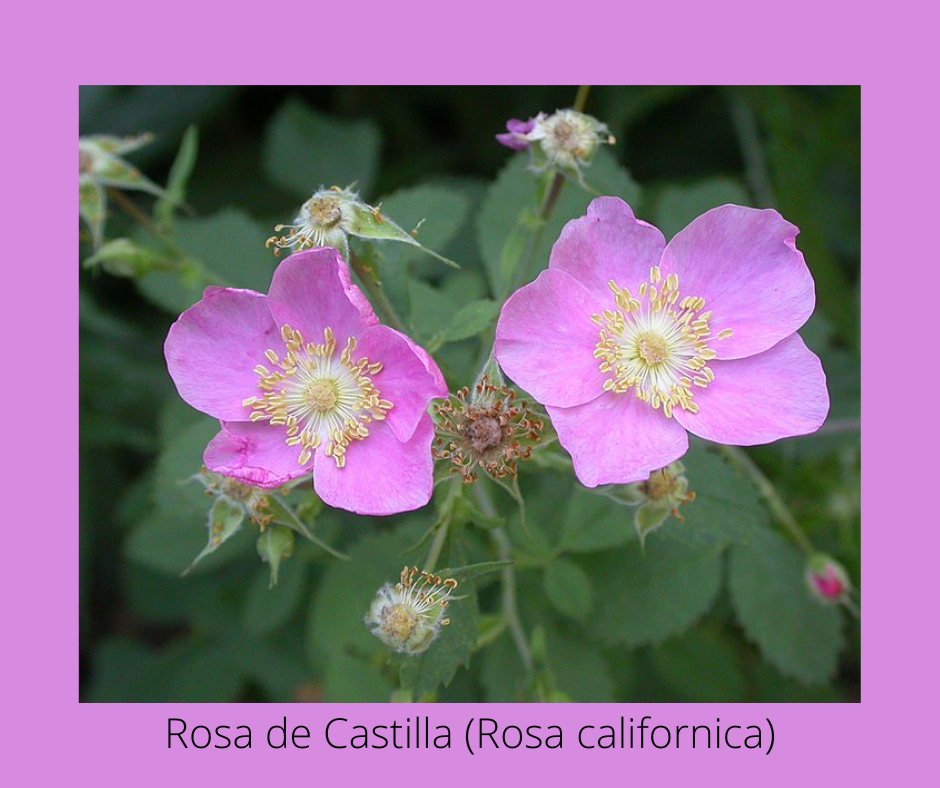
Then I found a study on Rosa californica petals as an integral part of infant care by the Chumash, one of the first indigenous groups encountered by the Spanish in the 1500s. Chumash mothers and grandmothers rubbed dried, crushed rose petals into babies’ bottoms to treat diaper rash. A decoction made from fresh petals was rubbed on teething babies’ gums or administered to treat colic.
Rosa californica is indeed native to Mexico, or what would have been ‘Mexico’ in the 1500s, including what is now Baja California. And if one wild rose existed, who’s to say there weren’t others? It was time to take a closer look at roses.
Another study on Western folklore cleared up some of the problems I had with Rosa de Castilla’s botanical name being listed in these herbals as Rosa gallica. Spanish monks to California in the 1600s recorded finding wild roses, which they called Rosas de Alejandria and Rosas de Castilla, both of which were common names for Rosa gallica, a rose that strongly resembles Rosa californica but originating in Europe. These wild roses the Spaniards were writing home about were more than likely Rosa californica. Not bothering to learn the local names, these prized and aromatic blossoms became known as Rosa de Castilla by Spanish speakers, and by this name, it is still known in Mexico.
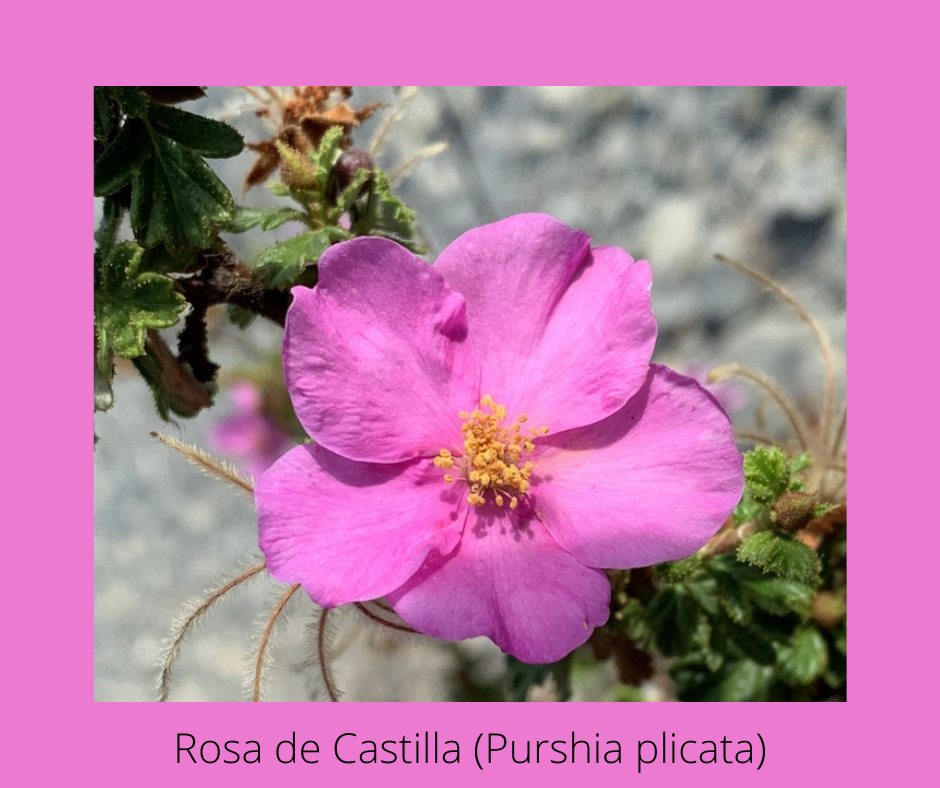
Because nothing is ever completely clear-cut in Mexico, the Purshia plicata (pink cliffrose) is also commonly known as Rosa de Castilla for the very same reasons. This native wild rose is found in northern and central Mexico.

Roses were used medicinally both in Europe and in North America, and missionaries like Juan de Esteyneffer both confused and preserved traditional uses in his work Florilegio Medicinal. The list of ailments that Rosa de Castilla was prescribed for by Esteyneffer included digestive issues, sunken fontanelle (caída de campanilla), liver inflammation caused by excessive rage (destemplanza del hígado also known as bilis), hemorrhaging, cholera, melancholy, parasites, sore throats, headaches, anxiety, and watering eyes.
Since the Spanish arrived, roses of all varieties have found their way to Mexico. However, the Rosa de Castilla is the variety predominantly used in traditional remedies, and these three varieties are used interchangeably.
I couldn’t find any scientific studies specific to the medicinal properties of Rosa californica. Rosa gallica, however, has been found to be antimicrobial, antioxidant, antibacterial, and anti-inflammatory. Extracts from its petals have been shown to inhibit lung and colon cancer cell growth and increase skin hydration and whitening. It demonstrates an anti-stress effect when taken orally and is an effective respiratory antiseptic.
Purshia plicata has been shown to be an effective anti-cancer treatment for cervical cancer and demonstrates antioxidant properties.
****
Interested in learning more about traditional Mexican herbal remedies? Check out the Exploring Traditional Herbal Remedies in Mexico series!


