The Author and Artist Hour featuring Camille Flores

Well, I had an unexpected author interview just after my 50th birthday with the amazing Toni Lontis. If you’ve watched any of my previous attempts at interviews, you might have noticed my deer-in-headlights look. As an introvert, this sort of putting myself out there is nerve-wracking, to say the least. However, Toni knew this about me going in and worked her magic so that I didn’t feel the angst as I answered her sometimes difficult questions. Of course, I still had to spend several hours recharging my batteries after the interview, but I think it was worth it overall.

I did have some trouble with the earbuds my son lent me. They kept popping out randomly. In fact, the headshot of me at the introduction to the video has me holding my ear because the earbud was not staying put. Ahh! I could have worn my heavy-duty ear-muffer headset that I use to teach in, but I didn’t want to muss my hair. So if you see me fidgeting, that’s why. 

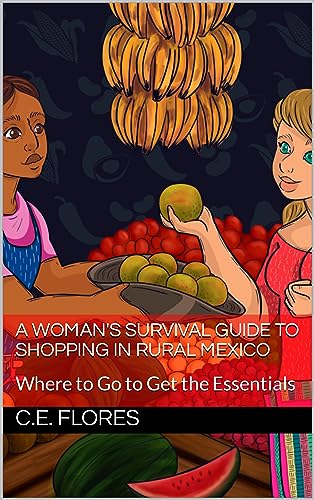
The first half of the interview is about my experiences as an American female expat and the books I wrote for the A Woman’s Survival Guide to Rural Mexico series. Although I’ve talked about most of these experiences publicly before, I suppose I hadn’t realized how much trauma I experienced and how long it’s taken to finally work my way into a life I love and be ok with those unpleasant episodes.

Then, the topic changed to herbs, and you already know that’s a subject that literally lights me up–everyone that’s seen the interview has commented on how my whole demeanor changed once I started talking about plants. Yeah, so that makes me a bit of a weirdo, but I’m ok with that. 

So if you have a mind to, you can watch the interview on Youtube:

Or you can listen to it as a podcast on Toni TV:

Or watch it on the Everyday Women’s Network:

One more thing about working with Toni Lontis…I know there are women who read this blog that have stories to tell. Toni’s multi-media platform encompasses a wide range of services for women, including personal coaching, business promotion, author interviews like the one I did, and genuine connections (she can help you find the person you need in your life at the exact moment you need it).

I’d like to encourage those women to set up a call with Toni to see how your stories can find a voice so that we all can be heard. 

1 Comment

Filed under Inspirational Writers in Mexico, Uncategorized

Staying Alive Bear-ly

Bear is feeling better!

So wouldn’t you know it, but Bear got sick. Of course, it was the weekend, and by the time Monday rolled around, he wasn’t able to keep any food down. Off to the town vet, we went.

Turns out he was running a fever because he had a parasite, respiratory, and eye infections all at once, poor guy. Although he may have picked up the infections on our walks, after all, coyotes, skunks, foxes, and other stray dogs wander about freely, it’s more likely he had these infections since we got him, and they just got worse because I didn’t know he had them. 

Bear wasn’t feeling well enough to grumble at the moto ride to town, the examination, the shots, or the waiting, although he was alert. The vet had a few signs for pets in adoption hanging up, some kittens, some chihuahuas, and two African albino hedgehogs. 

Every day for a solid week, Bear got a trip to town. During this period, Fuzz stopped eating for whatever reason, so he got a space capsule ride and an anti-parasite pill, just in case. The vet’s daughter made a fuss over him, which he loved, and he took the pill and swallowed it just for her. Whew!

By the following Monday, Bear was feeling better. He fussed a bit at the getting ready to go to town process, and while we waited, a googly-eyed pug stuck out his tongue at Bear, who barked back as if to say, “How rude.”

He got his first set of puppy vaccines and his own record book. The vet estimated he was about 5 months old.

Then George fell out of the second-floor window of my son’s house, and another round pet care began.

***

Enjoy the ongoing animal adventures of one family when they move to central Mexico and try to figure it all out in the Animal Antics South of the Border series!

Leave a comment

Filed under Animal Husbandry

Natural Healing — Vainilla

Photo credit: Michael Doss

Not everyone is aware that vainilla (Vanilla planifolia) is a gift from Mexico first cultivated by the Totonacs. When the Aztecs conquered the Totonacs, they paid their tributes in vanilla, which they called Xanath, meaning “hidden flower.” In Totonac myth, Tzacopontziza was a young girl in love with a poor farmer named Zcatan-oxga. Tzacopontziza’s beauty was noticed by the god of happiness, who tried to woo her. Tzacopontziza refused his advances. Angered by his rejection, the god of happiness made a deal with Tzacopontziza’s father for her hand in marriage. Tzacopontziza refused the marriage and ran away with her beloved. They were captured and executed, their hearts thrown into a ravine. Her heart grew into the orchid that gives us the vainilla pod and his became a bush that supported its viney weight. In other versions of the myth, the lovely Tzacopontziza had been given into temple service by her parents, and by running away with her poor farmer she committed sacrilege which ended in death for both.

Xanath was considered sacred and used as a fragrance in temples by the Totonacs. The flowers were stored in amulets as a protective force. The Aztecs, too, revered this extract. The bitter drink xocolatl was flavored with a dash of vanilla as recorded by Bernal Díaz del Castillo, a Spanish soldier. The Spanish name for this flavoring comes from the word for pod “vaina.” So “vainilla” is little pod, not very original at all. In Nahuatl, cuauhmecaexotl is the vanilla plant. The Zoque-Popoluca, who live in the southern part of Veracruz, call this plant tlilxóchitl, and the Mexicas use the term tich moya which means “black flower.” 

Hernán Cortés is given credit for taking this flavoring to Europe in the 1500s. However, the transplanted seeds never produced vanilla beans due to a lack of pollinators. 

Vanilla is one of the most expensive spices in the world because extraction is so labor-intensive. The orchid plant vanilla planifolia is a clinging vine that can get up to 300 feet long. It can take up to three years for the plant to mature enough to flower. Melipona bees, orchid bees (Euglossini), and hummingbirds are the primary pollinators of the greenish-yellow flower that only blooms for 24 hours. Cultivated vanilla planifolia is pollinated by hand. Vanilla beans are also harvested by hand as they ripen and then cured. From pollination to harvest, it takes 9 months. Some species of the orchid vanilla planifolia are found in remote areas of Oaxaca, Puebla, and Veracruz and in danger of extinction. 

Traditionally, vainilla is used as a gastro-intestinal anti-inflammatory and to treat diarrhea. The aroma is believed to reduce anxiety and depression and is prescribed in cases of susto (sudden fear), up to 25 drops a day in coffee, tea, or milk. The Cruz-Badiano codex has the first recorded illustration of the vanilla planifolia plant. The Florentine Codex records a remedy for cough made from vainilla, cacao(Theobroma cacao), and mecaxóchitl (Piper auritum).

Vanilla has between 250 and 500 different fragrance and flavor components. The most prominent is vanillin. This extract has been used to treat muscle inflammation and has been shown to inhibit cancer cell growth and useful as an alternative treatment for lung cancer

Té de Vainilla y Alhucema para el estrés

  • 2 sprigs of fresh alhucema (Lavandula angustifolia)
  • ¼ teaspoon of vainilla extract (Vanilla planifolia)

Boil 2 cups of water. Add the alhucema and allow to steep covered for no more than 5 minutes. Strain. Add the vainilla. Take the time to inhale the aroma as you enjoy the tea.

***

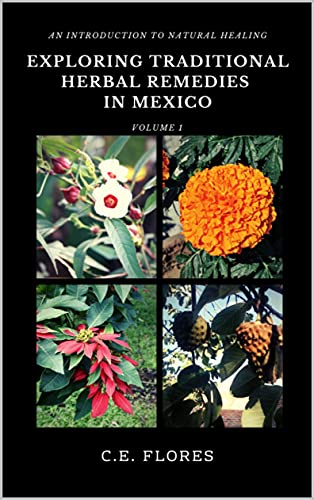
Interested in natural remedies? Uncover herbal remedies from traditional Mexican sources for healing and wellness in the Exploring Traditional Herbal Remedies in Mexico series.
Leave a comment

Filed under Health, Native fauna and flora, Natural Healing