Tag Archives: mexican traditional remedies

Natural Healing – Jícara

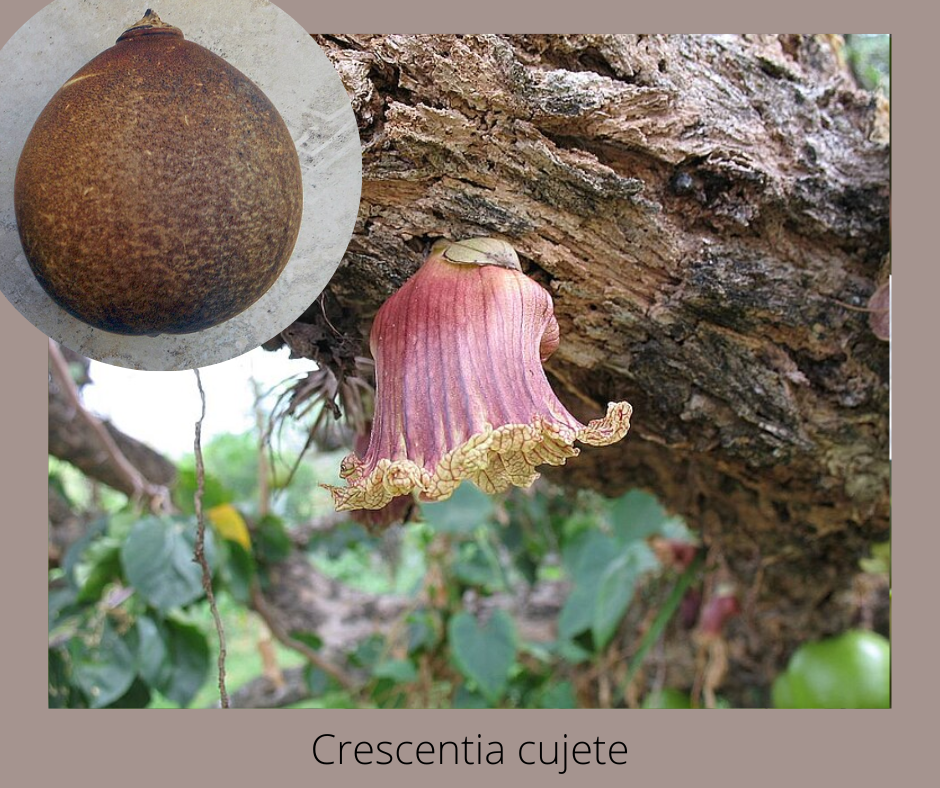
Photo credits: Timm Stolten / Daniel Di Palma

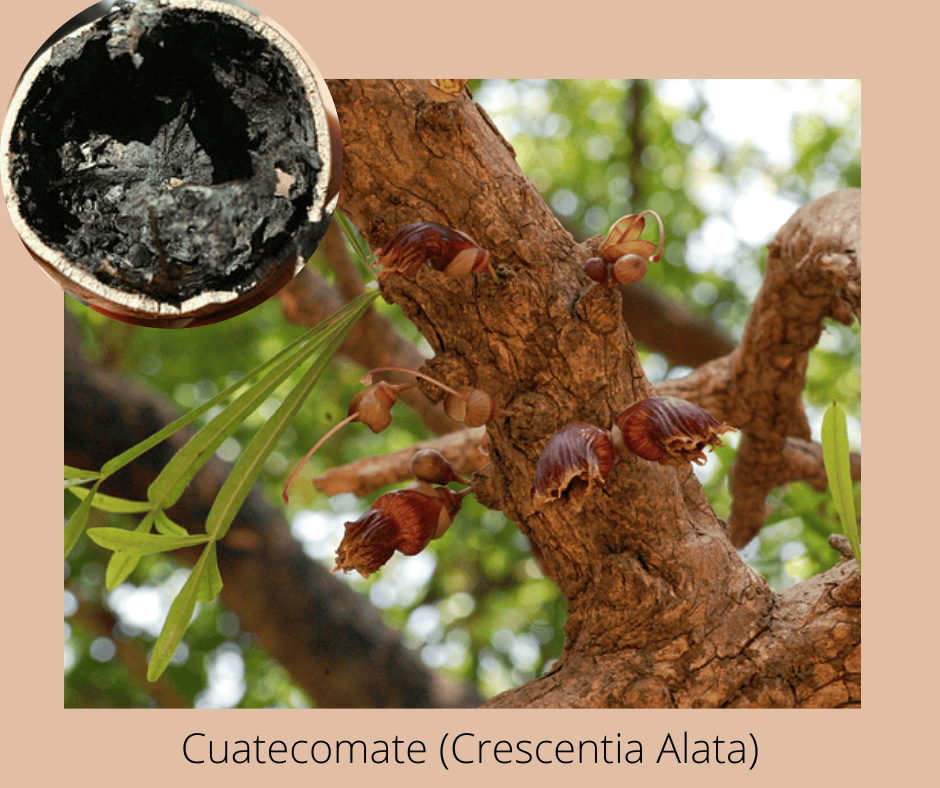
Other names for jícara (Crescentia cujete) include totuma, güiro, luuch (Maya), maxat kgax (Totonaco), and guito-xiga (Zapoteco). In English, it’s most often known as the calabash tree. Botanical synonyms include Crescentia acuminata, Crescentia arborea, Crescentia cuneifolia, Crescentia angustifolia, and Crescentia fasciculata.

Jícara is mostly found in the tropical areas of Mexico and is extremely drought-resistant. Its fragrant flowers open at night and are pollinated by bats and nocturnal insects. 

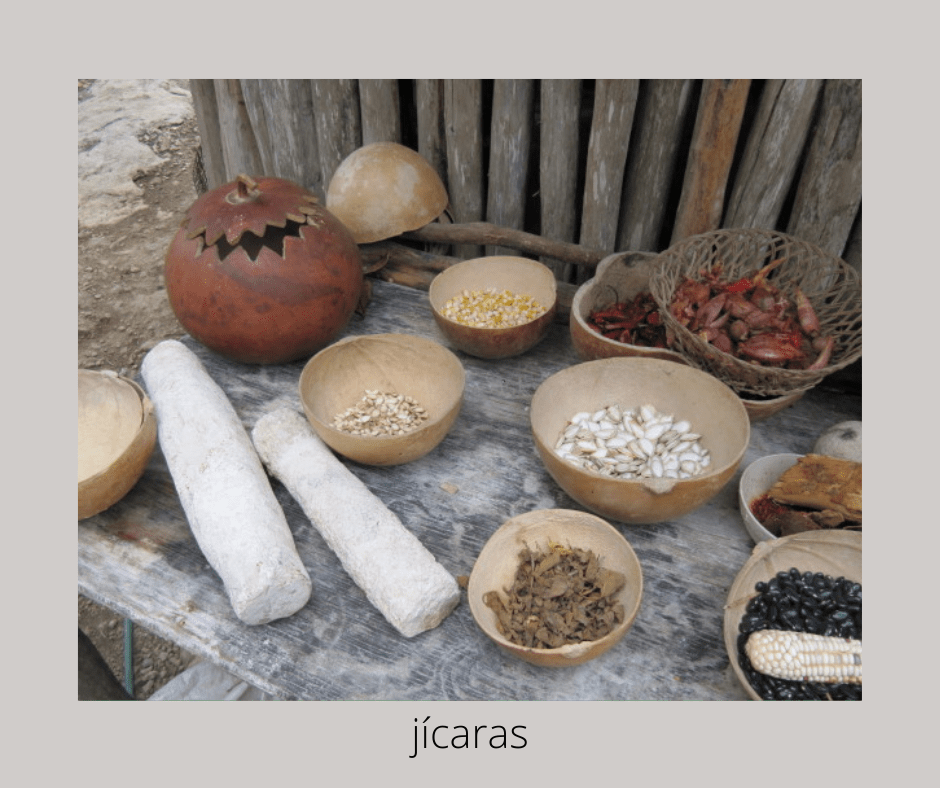
Photo credit: Leonora Enking

In Tabasco, the fruit shell is the traditional receptacle for the fermented cacao (Theobroma cacao) and maíz (Zea mays) beverage pozol. Carved bowls, spoons, and cups made from the shell are called jícaras. The wood from the trees emits no smoke when burned and is often made into animal yokes and boats. The seeds are roasted and ground with cacao (Theobroma cacao) and cinnamon (Cinnamomum zeylanicum) to prepare a medicinal beverage. 

In traditional medicine, a fruit decoction is prescribed for diarrhea, stomachache, colds, bronchitis, cough, asthma, fever, sores, anemia, and urinary tract infections. 

For breathing issues, boil two tablespoons of the fruit pulp in ½ liter of water. Drink three cups a day. For stomach issues, make a decoction with the leaves and drink three times a day before meals. In the states of Hidalgo, Puebla, Veracruz, and Yucatán, a syrup is made for respiratory diseases, including whopping cough (chichimeca) and tuberculosis, by making a hole in the fruit shell, extracting most of the pulp, and then pouring sherry (sometimes wine) into the nearly empty receptacle. The hole is sealed and left to ferment for a month. 

For spleen issues, the fruit is consumed in combination with nopales (Opuntia ficus-indica), and in cases of a split or injured hand, jícara fruit pulp is beaten with the affected hand.

The fruit pulp is eaten as a highly effective laxative and rubbed on topically to treat skin infections caused by fungi, such as ringworm and athlete’s foot. The fruit pulp has also been shown to be an effective tick deterrent due to its acaricide activity.

Studies have shown that Crescentia cujete fruit, bark, and leaves have antimicrobial, antioxidant, anti-inflammatory, and antibacterial properties. The fruit extract effectively reduces fever and demonstrates significant anti-bacterial activity. 

***

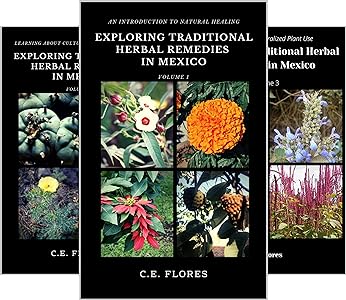
Are you interested in natural remedies for healing and wellness? Discover a treasure trove of traditional Mexican herbal remedies in the ‘Exploring Traditional Herbal Remedies in Mexico‘ series. Learn about the rich history and cultural significance of these remedies and how they can benefit your health. Get your copy today!
Leave a comment

Filed under Native fauna and flora, Natural Healing

Natural Healing — Hinojo

Photo credits: Forest & Kim Starr and  Arnaud 25.

Hinojo (Foeniculum vulgare) came to Mexico with the Spanish missionaries as part of their medicinal gardens. In traditional Mexican remedies, it is used to treat migraines, colds, and cough. It is also prescribed as a digestive aid and appetite stimulant. Hinojo seeds, leaves, roots are edible.

Women’s cures that include hinojo involve regulating menstruation, alleviating mastitis, and increasing milk production. Hinojo tea has shown positive recovery effectiveness when given to women postpartum. Women suffering from menopausal depression and anxiety conditions have experienced moderate to significant relief with regular ingestion of fennel. In large doses, hinojo acts as a uterine stimulant.

An anti-anxiety tea is made from flor de manita (Chiranthodendron pentadactylon), flor de azahar (orange blossoms), toronjil morado (Agastache mexicana), yerba buena (Mentha spicata), and hinojo in equal measures. 

Hinojo leaves have antihyperglycemic, hypoglycemic and antioxidant effects. Hinojo essential oil is an effective treatment for inflammation and arthritis. Its use in treating colds and coughs is supported by its anti-inflammatory, antibacterial, antifungal, antiviral, immunomodulatory effects. Hinojo has demonstrated effective antimycobacterial activity including tuberculous and respiratory infections. It has a calming effect on bronchial tissues. The seeds act as an expectorant to loosen phlegm in the lungs.

A remedy for colds with cough calls for three or four cups a day of hinojo seed infusion sweetened with honey.

As a digestive aid, it has been shown to be anti-inflammatory and anti-spasmodic, to speed up the digestion process of fatty foods, and be useful in the treatment of colitis.  It also reduces neuronal toxicity. For vomiting and diarrhea, boil about several hinojo stems in a liter of water and add about 30 grams of coffee. Drink on an empty stomach.

Individuals suffering from empacho (indigestion) are sometimes given a mild tea made from albaca (Ocimum basilicum), cempasúchil (Tagetes erecta), eneldo (Anethum graveolens), hinojo, hojasén (Flourensia cernua – Asteraceae), yerba buena (Mentha spicata), poleo (Mentha pulegium), and rosa de castillo (Purshia plicata) combined in equal parts. A good size pinch of this herb mix is steeped in a liter of water and a teaspoonful is administered. Another colic tea for babies is made from crushed fennel seeds.

A tea for a gasy stomach is brewed using a pinch of flor de azahar (orange blossoms), crushed anís seeds (Pimpinella anisum) and crushed hinojo seeds. Steep the ingredients in a cup of hot water for 10-15 minutes. Strain and sweeten with honey. 

Bilis, indigestion caused by a fit of anger, is treated with an infusion of hinojo leaves and flowers, guayaba (Psidium) leaves, and a pinch of marrubio (Marrubium vulgare) leaves steeped in a cupful of water. Or a tea can be made combining hinojo and romero leaves.

Note: Essential oil made from the seeds is toxic. It can cause vomiting, seizures, respiratory distress, and vomiting and should never be ingested. Hinojo may also cause contact dermatitis after handling. Because strong doses of hinojo can cause uterine contractions, pregnant women should avoid any remedy that contains it.

***

Learn more about Mexican traditional remedies!

Leave a comment

Filed under Health

A Chile By Any Other Name….

Last week I was doing some research and stumbled across a study highlighting the health benefits of cayenne pepper. The study stated that eating cayenne peppers increase digestive fluid production and boost the stomach’s defense against infections. It occurred to me that I didn’t know how to say cayenne pepper in Mexican Spanish.

So I started with Google which reported that it was “pimiento de cayena.” The lady at the molino (spice grinding shop) just looked at me blankly when I used that. Then I tried Wikipedia which said chile morrón. However, chile morrón is a bell pepper in our area.

Next I polled my Facebook group, Women Surviving Rural Mexico. One lady said she’d heard the term cayene (pronounced kai-en-nay). Another said chile dulce, which can also be used for bell peppers. And still another woman said chile piquín. Chile piquín in my area refers to very small, very spicy orange chiles. 

So I asked my sister-in-law who took a poll among her pistoleras (the ladies that make tortillas with her). They came up with the name chiltecpín roja. Doing some research on that term, I don’t think it is correct either. The word chiltecpin in Nahuatl means ‘flea chili’ and is a small, extremely hot, red chile. Incidentally, this variety is thought to be the oldest of the Capsicum genus ever cultivated.

The name game gets even more complicated when you realize that dried and fresh chiles have different monikers. The jalapeno becomes chipotle, poblano changes to ancho, chilaca dries and is then pasilla. The Anaheim chile becomes colorado, mirasol changes to guajillo, serrano dries and is then chile seco. The bola chile dried is cascabel.  

None of this helped me find out the name for the cayenne pepper, unfortunately. If anyone can give me some insight on this, I’d appreciate it! 

On the other hand, a little more digging produced the fact that any of the chiles in the Capsicum annuum family will provide similar health benefits. These chiles have been used as a spice and medicinally in Mexico since before the Spanish arrived, the uses of some of which I’ve experienced myself. 

For example, chile cola de rata (Chile de árbol) toasted on the comal will certainly clear your nasal cavity. A generous bite of chile piquín will instantly banish a headache, after your eyes stop watering that is. Getting chile juice on your hands and touching another body part will stimulate circulation rapidly and painfully.

The chile has been acknowledged by UNESCO as an Intangible Cultural Heritage of Humanity. Evidence points to the chile being part of the indigenous diet as far back as 6500 BC and domesticated by 4100 BC. Excavations under the Pyramid of the Sun at Teotihuacan have uncovered fossilized remains of Capsicum chiles dating back to CE 150-250.

Chile continues to be a primary ingredient in Mexican cuisine. Chile seed shakers are on the table in the restaurants that serve birria. Bell peppers are mixed in the nopal servings. Every salsa, including guacamole, is spiced with this little fruit. Even the candy often has chile powder on it! 

Capsaicin is the active ingredient in chile peppers. Capsaicin is what gives them medicinal properties and their spiciness. The more capsaicin in a pepper, the spicier it is.  Interestingly, you can develop an immunity to the effects of capsaicin over time. So those who consume chiles regularly don’t receive the same benefits as those that ingest them only on occasion. On the other hand, long-term consumption of capsaicin has been shown to reduce high blood pressure. 

Eating chiles increases energy expenditure and core body temperature which is lowered again through perspiration. Capsaicin reduces the production of ghrelin, the hunger hormone, and reduces the risk of stomach ulcers

Capsaicin can also reduce pain when applied in a cream to the skin. It decreases the amount of a neuropeptide that travels to the brain to signal pain. Capsaicin cream is recommended for muscle, joint, lower back, and post-operative pain. It can also help lessen pain from nerve conditions like shingles. Capsaicin cream has been successful in the treatment of psoriasis as well. 

Capsaicin slows the growth of cancer cells and causes cell death for prostate, pancreatic and skin cancers. Chiles contain antioxidants including vitamin C, vitamin E, beta carotene, choline, lutein, zeaxanthin, and cryptoxanthin which give them their red color. 

Capsaicin has antimicrobial and anti-virulent activity and is useful in combating Streptococcus pyogenes. Cayenne chile in particular has been shown to suppress the development of 16 different fungal strains. 

In Mexico, chile powder and olive oil are mixed for a liniment to treat joint and back pain. It can be sprinkled on food to improve digestion and circulation. Eaten whole, chiles are useful to promote sweating to break a fever. 

The seeds can be rubbed on hands or feet to warm the areas up. Be careful not to get any in your eyes. If that happens, use hair to rub them to reduce the burning. It works, amazingly enough. If you have long hair, don’t be offended if someone grabs a hunk over lunch to do just that.

So even though I still don’t know exactly what cayenne pepper is called in Mexico, chiles are a healthy addition to any diet!

****

Would you like to read more about Mexican traditional remedies?

3 Comments

Filed under Mexican Food and Drink, Natural Healing