I just wanted to let you know about two neat things available this week. From May 25 to May 31, you can download Writing Wisdoms: 20 Brilliant Tips from Successful, Professional Writers eBook FREE from Ultimate Bundles. In it, you’ll find the answer 20 writers gave to the question: What is the #1 piece of writing advice you’ve ever received?
Yours truly is included, and my answer is a bit smarmy, but hey, I’m all about being honest.
Then Infostack is having a contest. The Grand Prize winner gets ten paperbacks every writer should have plus $100 in Infostack credit, a 1-On-1 Coaching Call With A Certified Book Profits Accelerator Coach, 1 Year of Access to ProWritingAid Premium, and 1 Year of Access to NovelFactory Premium.
The Second Place Winner still gets all ten books. Not too shabby for a runner-up prize. You know I love books!
If I were you, I’d head on over and enter today! The Ultimate Writer Giveaway started May 24 and ends on June 6, with the winners announced on June 7.
Llantén (Plantago major) has many names in Mexico including llantén mayor, llantén de hoja ancha, lengua de carnero, orejas de burro, lengua de vaca, lantén, paletarea, plantén, anten, antena, chile de pato, and mucilago. Several sources also claimed that in Nahuatl this plant was known as acaxīlotl. However, this name actually refers to the root of the tolpatlacti, which is a reed and not the broadleaf plantain. The confusion I believe began from a description of acaxīlotl by Francisco Hernández de Toledo who stated that the leaves of the plant that the edible root is from are similar to llantén (plantain) but larger.
Llantén grows wild in La Yacata and I had no idea it had any medicinal application until I started researching it. Traditionally, llantén is applied externally for headaches, wounds, burns, insect bites, cold sores, and eye inflammation. Boiled fresh leaves are applied as a healing poultice for wounds. Leaves added to rosewater (Rosa gallica) infusion make a cooling wash for irritated eyes. Leaves applied directly to the cold sore reduce inflammation. Fresh llantén and geranio (Pelargonium spp.) leaves are mashed, salted, and bound to the head to treat headaches. Plantago major has hematopoietic activity, is inhibitory against hyaluronidase and collagenase enzymes, anti-inflammatory, anti-ulcerative, anti-bacterial, and anti-nociceptive, making it appropriate for wound healing application.
The leaves are made into a diuretic tea, gargle for sore throat and mouth sores, and as a wash for vaginal irritation. Simmer ½ cup of leaves in two cups of water for this infusion. As a diuretic, drink a cup of tea made from two to four grams of dried leaves, three times a day. It has anti-bacterial and anti-viral properties as well as demonstrated effectiveness in the management of oral mucositis and a relaxant effect on the tracheal smooth muscles of the throat. Additionally, llantén is antigiardiasic and protects against kidney damage.
Note: Llantén should not be used by individuals with heart conditions, those taking blood-thinning medication, or women who are pregnant or lactating.
***
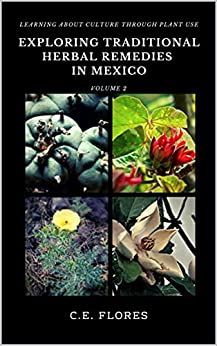
Curious about the effectiveness of Mexican herbal remedies? Delve into the science of plants for well-being by:
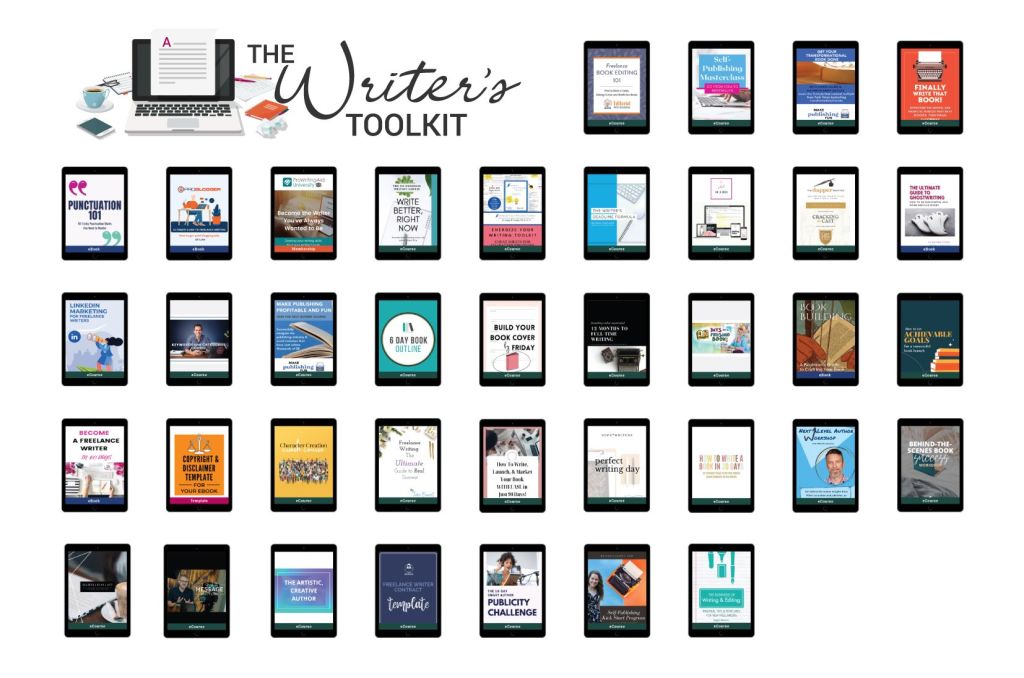
Last year, my book Book Building: A Beginner’s Guide to Crafting Your Book was included in the Writer’s Toolkit from Ultimate Bundles along with some other really useful stuff for authors and aspiring authors, which was awesome. What is even better is that The Writer’s Toolkit is on sale AGAIN for just a few days so if you missed it the first time around, you’ve got another chance. Isn’t that exciting?
From January 25 until January 27, you can get 6 eBooks, 30 eCourses, 1 Template, and 1 Membership Site for just $97. It’s a little more than many of Ultimate Bundles’ offerings, but having gone through it myself, it is totally worth it if you are an aspiring author (like me).
Additionally, there’s a FREE webinar on Monday, January 24th at 12:30 where you can learn 5 Strategies That Will Make You a More Productive Writer. You can sign up for that event here.
But that’s not all! The bonuses for this bundle are worth over $500. When you order your bundle you’ll get:
30 Day Trial and exclusive $15 discount codefrom Literature & Latte Ltd — worth $15
The Write Plan Planner from The Write Practice — worth $50
50% off all book cover packages from 100 Covers — worth $150
$250 off 1000 Storybooks‘ start to finish Children’s Book Publishing Service — worth $250
FREE 12-Month Premium Candidate Membership from ProBlogger — worth $49
This is your last opportunity to get the Writer’s Toolkit with my book Book Building: A Beginner’s Guide to Crafting Your Book through Ultimate Bundles. If you are serious about jumpstarting your writing career, then don’t wait!






 Surviving Mexico