Category Archives: Native fauna and flora

Natural Healing — Girasol

Photo credit: jaciluch

There is some debate about whether the girasol (Helianthus annuus) originated in Mexico or not. Some experts claim it is a pre-Columbian domesticated plant based on fossilized seeds found in Tabasco dating back 4,500 years and its cultivation was repressed by the Spanish because of its association with the indigenous deities and warfare. Other experts assert linguistic evidence suggests the plant was brought from another region (possibly North America).

The Nahuatl word for this plant was chimalxochitl (shield-flower) and was intimately associated with Huitzilopochtli, a sun warrior god. The names used in modern times, girasol (turns toward the sun) and mirasol (looks at the sun), refer to the plant’s movement following the sun. Mirasol and girasol morado are also names used for the purple cosmos (Cosmos bipinnatus) while the chile mirasol (Capsicum annuum) is more commonly known in its dry form, chile guajillo.

Traditionally, girasol is used as an anti-inflammatory agent for arthritis, rheumatism, and sore muscles. The Mayo people use girasol to treat tuberculosis and respiratory ailments with proven effectiveness.  

Girasol is antioxidant, antibiotic, anti-fungal, anti-diabetic, and antiglycative. It has nephroprotective, cardioprotective, and haematoprotective effects. The seed is antihypertensive, skin-protective, analgesic, and antibacterial. Nutritionally dense, it is a good source of unsaturated fatty acids, vitamins E, B1, B5, and B6, selenium, magnesium, phosphorus, copper, manganese, folate, fiber, iron, zinc, amino acids, and diterpenoids. Helianthus annuus bee pollen has also been found to have high antimicrobial and antioxidant properties. 

The stems and leaves are steeped in alcohol for 3 days to make the tincture to use as a rub for arthritis. For gout pain, 10 grams of flower petals are soaked in ½ liter of caña (Saccharum officinarum) alcohol for three days. 

An infusion for rheumatism is made with 100 grams of leaves boiled in a liter of water for an hour and drunk before meals. A tea for nerves is made by boiling 15 seeds in one liter of water for ten minutes. Allow it to cool and serve sweeten with miel (honey).

***

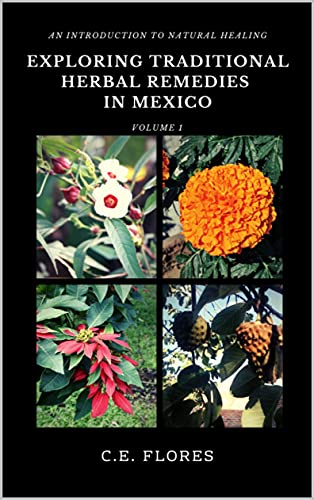
Interested in natural remedies? Uncover herbal remedies from traditional Mexican sources for healing and wellness in the Exploring Traditional Herbal Remedies in Mexico series.
Leave a comment

Filed under Alternative Farming, Health, Homesteading, Mexican Food and Drink, Native fauna and flora, Natural Healing

Natural Healing — Chia

Photo credit: Dick Culbert

Before the conquest, chia (Salvia hispanica/Salvia columbariae) was one of Mexico’s basic food sources along with maíz (Zea mays), frijol (Phaseolus vulgaris), and huaútli (Amaranthus). Bernardino de Sahagún recorded in the Historia general de las cosas de Nueva España detaled the production, comercialization, and uses of chia.

Chia was so important to the Aztecs that there are words for the process of making oil from chia (chiamachiua), one who makes the oil (chiamachiuhqui), the process of polishing something with chia oil (chiamauia), one who sells chia oil (chiamanamacac), the process of extracting oil from chia seeds (chiamapatzca), one who extracts oil from chia seeds (chiamapatzcac), chia oil (chiamatl), to become stained with chia oil (chiaua), to describe something greasy (chiauacayo) or oily (chiauac), a marzipan-like paste made from chia seeds (chiancaca), and a place where chia seeds are found (Chiapan modern-day Chiapas). 

The seed was known as chiyantli, chien, chian, chia, or chiantli. A sprig of chia was centzontecomatl. As a verb chiya or chia meant to wait for, in reference to the tedious process of extracting oil from the seeds. Chianzotzolatoli was a drink prepared with toasted maíz and chia.

Pinolatl is a beverage made from maíz and toasted chia seeds. Pinolli was ground chia (or maíz) seeds made into flour now known as pinole. The Purépecha make small tamales made from pinole which are placed on the Día de Muertos alters each year. 

Chia was associated with the diety Chicomecóatl, the feminine aspect of Centéotl. Both were deities of fertility and abundance. Corn, beans, and chia were included in the offerings made during their celebratory months. 

Medicinally, the seeds, roots, leaves, and flowers were used by indigenous groups for skin infections, gastrointestinal ailments, fever, respiratory issues, urinary tract infections, eye diseases, and disorders of the nervous system.

Raw or toasted, chia is added to beverages, soups, oatmeal, yogurt, and salads regularly in Mexico. When the seeds are soaked, they release mucilage which is a gelatin-like liquid.

Chia contains polyunsaturated fatty acids, omega-3, omega-6, dietary fiber, protein, and phytochemicals (compounds found in plants that benefit human health). Regular ingestion has shown to be useful in the treatment of obesity, hypertension, diabetes, cancer, and cardiovascular diseases. It has antioxidant, hypotensive, hypoglycemic, immunostimulatory, and antimicrobial activities. Salvia columbariae has compounds scientists believe can be used to treat strokes due to its anti-blood clotting properties. Chia is also antiatherosclerotic, neuroprotective, hepatoprotective, antidepressant, antianxiety, analgesic, laxative, and anti-inflammatory

Conjunctivitis is treated by placing a single seed in the eye. The mucilaginous substance that forms allows the eye to be wiped clean. Raw seeds are chewed as a digestive aid. For a fever, a drink made from limones (Citrus aurantiifolia), sweeted with miel (honey), and chia seeds is prescribed.

***

Interested in natural remedies? Uncover herbal remedies from traditional Mexican sources for healing and wellness in the Exploring Traditional Herbal Remedies in Mexico series.

Leave a comment

Filed under Health, Mexican Food and Drink, Native fauna and flora, Natural Healing

Natural Healing — Tomatillo

Photo credit: Stefan.lefnaer

Tomatillo (Physalis ixocarpa or Physalis philadelphica) is also known as tomate fresadilla (tomate de fresadilla), tomate de cáscara, tomate milpero, miltomate (from the Nahuatl mjltomatl field tomato), farolito, and tomate verde or just tomate. In contrast, the term jitomate is used for red tomatoes (Solanum lycopersicum) from the word XĪTOMA-TL, while these small husked fruits’ name comes from the Nahuatl term TOMA-TL.

Although best known for adding the delicious sour taste to salsa verde, tomatillo has also been used medicinally at least since the time of the Aztecs. Traditionally, this fruit which can be found in yellow, orange, green, and purple, has been used for headaches, infections, fever, stomach ailments, and diabetes although there has been no scientific evidence supporting the plant’s hypoglycemic action

On the other hand, the calyx, leaf, fruit, and stem have antimicrobial, antibacterial, and antifungal properties, with the husk having the highest concentrations. Additionally, the sticky part of the calyx has anti-inflammatory properties. The fruit has been shown to aid in digestion and is high in antioxidants. Extracts have shown promise in inhibiting pancreatic tumor growth and cancer chemopreventive properties as well.

The toasted fruit is mashed with salt and applied externally for earaches, headaches, and sore throats. Sweetened juice is prescribed for sore throats. Boiling the husk with pericón (Tagetes lucida) is recommended to make a tea to ease a sore throat and hoarseness. 

Stomach ailments caused by bilis (excess rage believed to acculumate in the liver) are treated with an infusion made from nopal root (Opuntia ficus-indica) and the leaves from albahaca (Ocimum basilicum), tomatillo, estafiate (Artemisia ludoviciana), yerba buena (Mentha spicata), and orégano de monte (Lippia graveolens). Simmer the ingredients for 10 minutes. Strain. Drink one cup a day on an empty stomach for 9 days.

***

Interested in natural remedies? Uncover herbal remedies from traditional Mexican sources for healing and wellness in the Exploring Traditional Herbal Remedies in Mexico series.

Leave a comment

Filed under Alternative Farming, Health, Native fauna and flora, Natural Healing