
Category Archives: Alternative Farming

A dismantling of sorts

Life is never stagnant. And while that is often a good thing, it also means that we must be amenable to change, even unwelcome change.

shadow front

Just delighted with the new yeguita, Shadow.

My husband had been complaining for 6 months or so about the cost and effort required to maintain our two horses, Joey and Shadow. He had opted not to plant anything this past year, and alfalfa was mighty expensive. He was especially irate about feeding Shadow, my son’s horse. I don’t know why as she didn’t eat any more than Joey, but we all knew that Joey was my husband’s consentido (favorite). He was constantly yammering at my son to contribute something towards Shadow’s feed. My son had no job. He’s 14 years old. He often took care of the horses when my husband was working or otherwise unavailable. There was no reason that he should have to pay for Shadow’s food in my opinion. It caused a decided rift in our home.
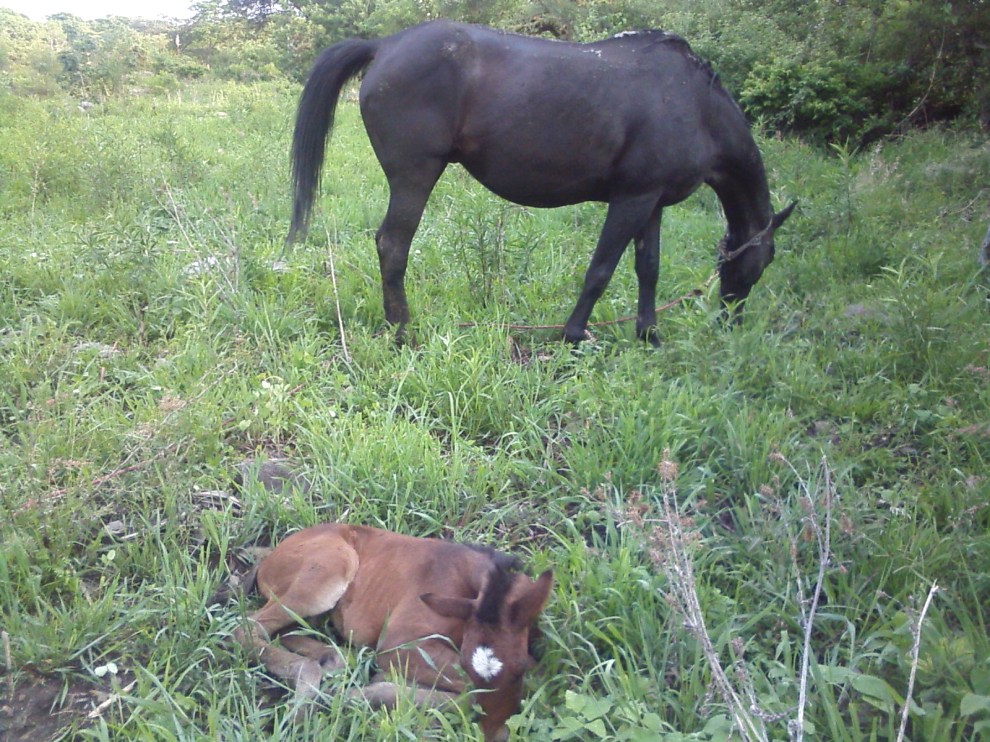
Beauty and Joey

Beauty and Joey

In the meantime, I sold Myrtle, which was registered in my name, without his explicit written permission, although I told him about the transaction. Then, my husband pulled out his trump card. The horses, Shadow and Joey, were both registered in his name since my son is a minor. He, therefore, could sell them without our permission. He started offering Shadow to various people he knew. On several occasions, someone would come by the house when he wasn’t home and I sent the prospective buyer away with a tick in his ear.
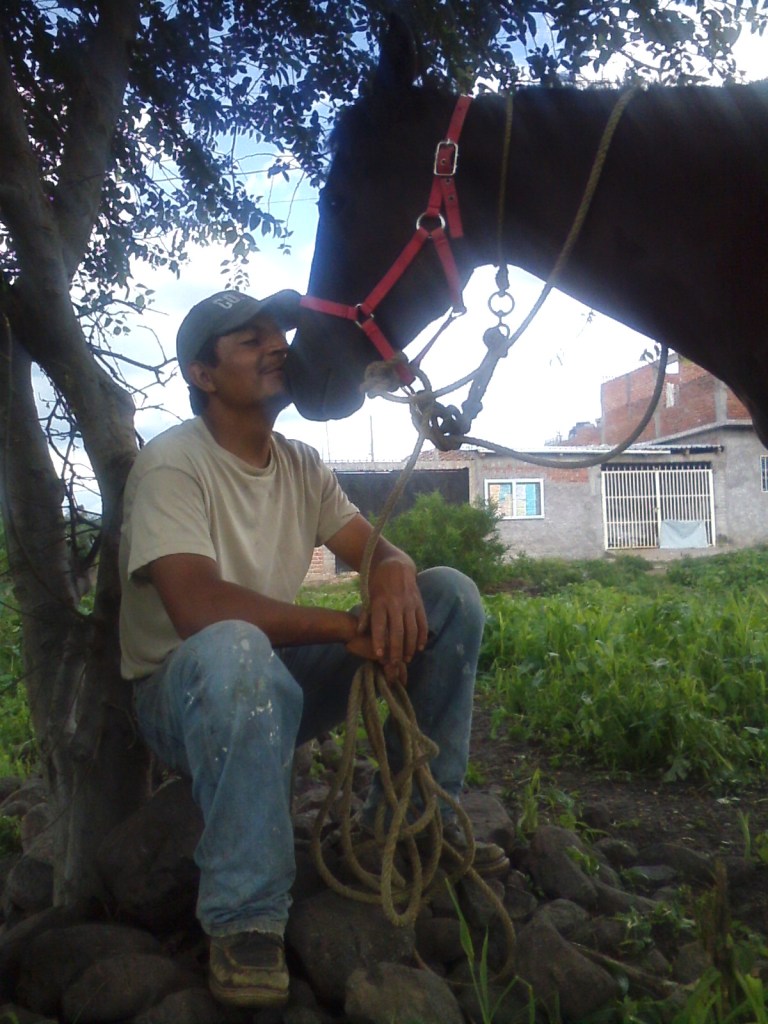
kissing horse

Then the day arrived when a serious buyer came and we were all present. My husband gave my son the final say in the matter. Tired of fighting about it, he agreed to sell Shadow. The deal was made. My husband kept 500 pesos for his commission and 500 more for the cow barn guy’s commission in making the deal but gave the rest to my son. He suggested that my son buy a motorcycle with the proceeds, but I vetoed that. No 14 year old needs a motorcycle. I took the money and hid it from the both of them. My son wanted to use some of it to buy school supplies, but I said I would pay for all of those. If there is something my son wants, and it is deemed worthy by mamush (me), he can spend the money. Otherwise, it’s to be saved for future needs.
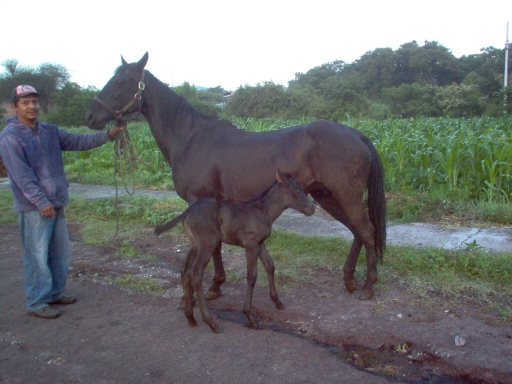
shadow

Beauty and Shadow and proud Poppa!

That night I cried. We had known Shadow since she was born. She was a lovable, gentle mare. And now that chapter of our La Yacata adventure was done.
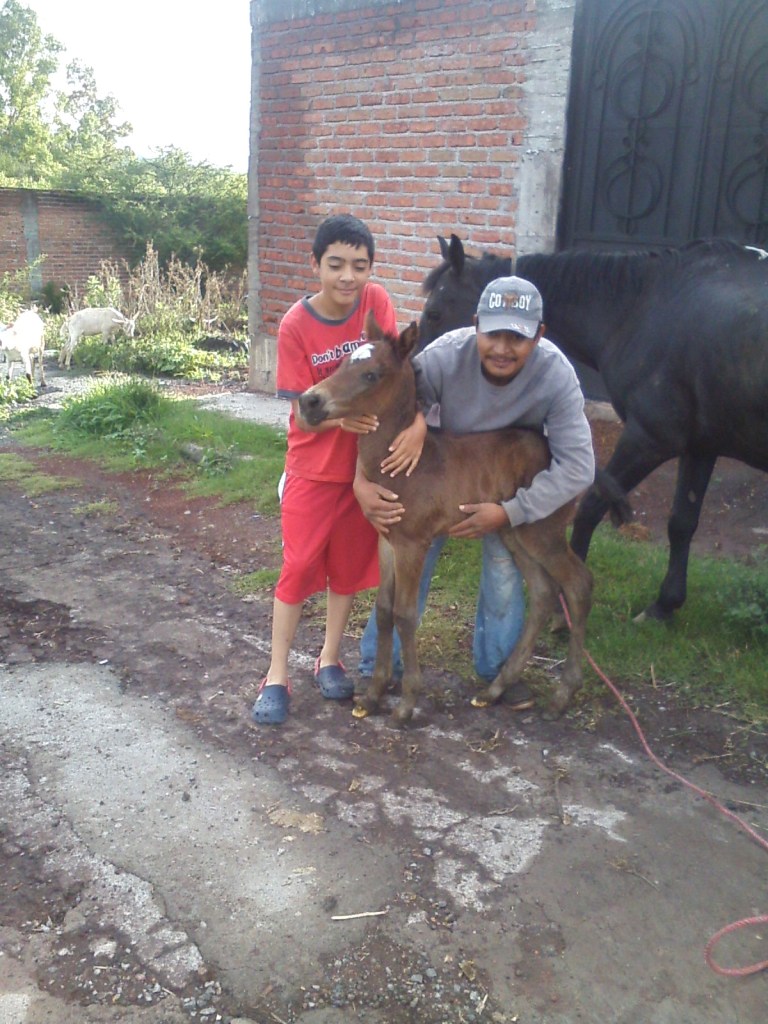
posing with Joey

My husband also decided to sell Joey a few weeks later. I had no issues with that. Joey had always been more temperamental. My son and I had often fantasized his sale. Now the horses are gone.

My husband used the money from Joey’s sale on new tires for the truck. He redesigned Shadow’s stall to accommodate the goats. Joey’s stall, with its new roof, will eventually be a new chicken coop. At the moment it is being used to store construction material for a job he has building a house in La Yacata.

Moving on.

************************************
The Craft of Herbal Fermentation Course by Herbal Academy
disclosure

4 Comments

Filed under Alternative Farming, Animal Husbandry, Homesteading

Atole


feasting

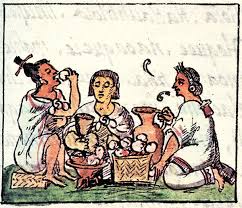
Hospitality was always a part of prehispanic life in Mexico. When guests arrive, they weretypically offered tasty and carefully prepared meals and beverages. These culinary delights were passed on generation after generation. Girls were not considered marriageable until they could grind corn and make atole.

grinding corn for atole

An excerpt from the Mendoza codex showing a mother teaching her daughter at about the age 13 in the arts of cooking.

So what’s atole?  Glad you asked.  Atole is a corn-based drink somewhat like gruel. The word comes from the Nahuatl word atolli. Atole Blanco (white) is the base drink without sugar or other flavorings, also called atole de masa.

There are oodles of flavors available. Atole negro (black) is made with the shells of the cacao bean. Atole de pinole is cornmeal atole flavored with piloncillo (brown sugar), a popular beverage among the Tarahumara people.  Chileatole is prepared with chocolate, chile peppers, vanilla, and honey.  There is also a salty chile atole made with green chiles, onion and epazote.

Atole de almendra is almond flavored. Atole de frijol is atole with beans. Sometimes fruit such as guayaba (guava) is added.

Atole de pepita chica is flavored with toasted and ground pumpkin seeds. Atole de maiz de teja is made with toasted and ground sunflower seeds. Atole de changunga, also called atole de nanche, is made from the small, yellow fruit of the same name and is a traditional drink of Purepecha people in Michoacan.

atole

Blackberry atole

Atole de zitún or zarzamora is blackberry atole.  My personal favorite!  Atole de guayaba is flavored with guava. Atole de aguamiel is sweetened with the sap of the agave plant.  Chocolate atole is called champurrado.

Atole can also be made using a rice rather than a corn base as is done with atole de arroz.   Atole colado de maiz adds milk to the basic masa mixture. Atole de flor de San Juan includes the yellow flowers of Saint John’s Wort. Atole malarrabia from Veracruz has fish in it, but I’m not sure which fish. Atole de naranja is flavored with orange juice.  Atole de camote is made with sweet potatoes.

Atole de coyol is flavored with a fruit that tastes similar to the coconut. Atole de piña is made with pineapple. Atole de avellana includes ground hazelnut. Atole de cacahuate has ground peanuts. Atole de chicozapote is made with the fruit sapodilla that grows in the mangroves region of the Yucatan Penisula. Atole de plátano is sweetened with pureed banana. Atole de mandarina is flavored with tangerine juice. Tanchucúa is an atole made in the Yucatan that includes chocolate, black pepper, and anise.

So how does one make atole? In 1651, Francisco Hernandez reported that “Atolli was eight parts water and six parts maize, plus lime, cooked until soft. The maize was then ground and cooked again until it thickened.”

There you have it, folks!  The secret recipe.  If you need more specifics, click on one of the recipe links or videos I’ve included in this post.

atole drink image

Remember, the best atole is cooked in an olla de barra (clay pot) and served in a clay cup.  The Mayan loved their atole so much they even went so far as to have glyph engraved vessels for their drinks, complete with the maker and flavor listed.


comote atole

Hieroglyphics for atole de camote


As the extensive list above demonstrates, although atole is sweetened, it’s not always sweet. The following Mexican dichos (sayings) make reference to this fact.

When newly in love, you might hear this expression  “Contigo la milpa es rancho y el atole champurrado.” (With you the corn field is as scenic as the countryside and the atole is always sweetened with chocolate)  But later on, after a few years, once the romance has dimmed, you just might hear “Más vale atole con risas que chocolate con lágrimas.” (It’s better atole with laughter than chocolate with tears.)  Simple and happy over rich and sad any day!
**************************************************
Buy 2x1Kg of Naturally Sweet Stevia and Get A Box of Sachets FREE

The Write Tribe Festival of Words #5

disclosure

9 Comments

Filed under Alternative Farming, Carnival posts, Homesteading, Mexican Cultural Stories, Mexican Food and Drink, Native fauna and flora

Pozole

pozole codex

The word pozole, also spelled pozolli or posole, means hominy and is the name of yet another traditional Mexican dish that predates the Spanish conquest. The name comes from the Náhuatl word tlapozonalli which means boiled or fluffy, referring to the corn, or the Cahíta word posoli which means cooked corn.

There are three typical versions. Just like the Mexican flag, there is a red, a white and a green pozole.

Pozole blanco (white) and Pozole verde (green) are often made with chicken rather than pork. The green color comes from the tomatillo salsa added and the red from the chile salsa used.

The soup is garnished with chopped lettuce, onion, cabbage, oregano, radish, avocado, cheese, salsa, chile powder, sour cream and a squirt of lime. Typically these are left out for each diner to add as he or she desires. Instead of tortillas, tostadas are served with this soup.

After you’ve tried this delicious soup, it’s no wonder that the Aztec served pozole only for special occasions, a tradition that continues to this day. (See Christmas Eve, Las Posadas)

The Aztec typically used the meat from the tepezcuintle (a large rodent) and cacahuazintle (large grained white corn) to make pozole.

However, there was also an extra special version made from the meat of human sacrifices.

canibal pozole

This ceremonial pozole was carefully prepared, cooked and shared among participants as part of the holy ritual. The diners were typically the highest level priests and the emperor. Commoners were prohibited this sacred version of pozole. There was a highly symbolic significance to this meal. It was a representation of the duality of life, beginning (the Aztec believed themselves to be the people of the corn) and end (death as the final product). It was considered a holy communion ritual, allowing the those that partook to experience a connection with the gods.

pozolli-en-codex.png

One of these high holy days that called for the special pozole was the festival Ecalcoaliztli, the meal of Ecatl (meaning cooked corn) in honor of Quetzalcoatl.

Apparently, human meat tasted enough like pork that when pigs were introduced in the diet by the Spaniards, it became the meat of choice for pozole. As there was no ceremony involved, pozole was then available for everyone to eat.

pozole

Although I prefer pozole blanco, my husband loves the pozole rojo. For a time, we sold pozole on Saturdays. (See Failing at your own business–Pozole) My sister-in-law T makes her pozole with pig feet.

IM000710.JPG

So how do you make pozole, using pork or chicken rather than human mean, of course?

The corn is prepared in the same fashion as the tortilla and tamal masa. My husband often uses red corn rather than white in his pozole, but the procedure is the same.

The chiles are opened and deseeded, boiled until soft (about 30 minutes), then blended with garlic and salt. My husband sometimes adds a little bread or flour to thicken it.  Strain the chile mixture, discarding the solid part.

Brown the pork. Sautee garlic and onion pieces. Add the pork, garlic and onion to a chicken broth and water mixture. Add oregano, a whole garlic, bay leaf, salt and the strained chile. Bring to a boil, then reduce to a simmer. Cover and cook about 3 hours. Add the hominy and simmer until the pork falls apart, about another hour. Remove the bay leaf and whole garlic. If the pozole is too thick, add a little more water or broth.

Garnish as desired.

pozole maruchan

Don’t treat someone like pozole who treats you like instant noodles.

And to finish off, how’s this Mexican saying? “No trates como pozole a quien te trata como maruchan.”  Don’t treat someone better than they treat you.

The Write Tribe Festival of Words #5

disclosure

17 Comments

Filed under Alternative Farming, Carnival posts, Mexican Cultural Stories, Mexican Food and Drink, Native fauna and flora