Manchas to the Moon and Back

Manchas confirmed she was not pregnant by going into an agonizing heat cycle. She was miserable. Fuzz was annoyed. Cocoa was baffled. We were at our wits’ end trying to find something to calm her. Fishy treats lasted all of 2 seconds. Catnip was sniffed up in record time by Fuzz. 

We were extra careful to keep her in the house. Her last escape was stressful for everyone. And now that we could confirm she was not pregnant, we needed to make arrangements for her sterilization. 

The space capsule came out and we corraled Manchas in it. She hated it. She hated the ride. She hated the sun and shadows. She hated the traffic. She hated the dogs at the vet. When it was our turn, we explained that she didn’t like men and that she was very fast. The vet, who was a woman, made a special note that she would take care of the operation or at least the anesthesia administering, rather than passing it off to her dad, the head vet and that she would make sure that when the capsule was opened, it would be in an enclosed space. 

Since Manchas had eaten at 5 that morning, the operation couldn’t be done until later that afternoon. So we left her there, still in the space capsule, to be picked up at 5 p.m.

We were first in line when the vet opened his doors and rushed inside for our little Manchas only to find out the vet had FORGOTTEN to give her the operation. She was still in the space capsule in the corner of the shop. He said he’d do it right then and to return in an hour. So we did.

She was totally wigged out, as is to be expected after such a trauma. The ride home was terrifying for her. When we got her home, she insisted on dragging her body from one end of the room to the other–shadows spooked her but she seemed to recognize Fuzz, Cocoa, and my feet. I tried tucking her in her basket, but she kept getting out. I finally just let her situate herself for the night–and I don’t know where she slept. Her face was filthy in the morning.

The next day she could walk better but was in obvious distress. She didn’t want to eat. Fuzz was ok with that–more food for him he thought. The vet gave us pills to give her in lieu of a daily shot since I know she wouldn’t be riding in the space capsule ever again. I tried dissolving it in milk, but she wasn’t interested. She wouldn’t eat it mushed in her food either.

By day 2 she was up and around and starting to eat. She was even more tolerant of my son and husband, at least as tolerant as not running from the room every time they approached. My son even said she let him pet her and PURRED for a few minutes. Now that’s something. By the end of the day, she had managed to remove her bandage, but she wouldn’t let anyone check her surgery site for infection. She wasn’t having any of those pills either. So we kept an eye on her and hoped for the best. 

About a week after her operation, you couldn’t even tell she’d had some major trauma. She was back to her regular, curious self. She even curled up with Fuzz again, now that those hormones were out of the way. They took up playing hide and seek in the mornings after breakfast. Manchas has a decided advantage though. Not only is she more fleet of foot than lumbering Fuzz, but she isn’t blind in one eye. They both seem to enjoy the game though, so no harm done.

***

Read more about our ongoing animal antics!

1 Comment

Filed under Animal Husbandry

Natural Healing — Hinojo

Photo credits: Forest & Kim Starr and  Arnaud 25.

Hinojo (Foeniculum vulgare) came to Mexico with the Spanish missionaries as part of their medicinal gardens. In traditional Mexican remedies, it is used to treat migraines, colds, and cough. It is also prescribed as a digestive aid and appetite stimulant. Hinojo seeds, leaves, roots are edible.

Women’s cures that include hinojo involve regulating menstruation, alleviating mastitis, and increasing milk production. Hinojo tea has shown positive recovery effectiveness when given to women postpartum. Women suffering from menopausal depression and anxiety conditions have experienced moderate to significant relief with regular ingestion of fennel. In large doses, hinojo acts as a uterine stimulant.

An anti-anxiety tea is made from flor de manita (Chiranthodendron pentadactylon), flor de azahar (orange blossoms), toronjil morado (Agastache mexicana), yerba buena (Mentha spicata), and hinojo in equal measures. 

Hinojo leaves have antihyperglycemic, hypoglycemic and antioxidant effects. Hinojo essential oil is an effective treatment for inflammation and arthritis. Its use in treating colds and coughs is supported by its anti-inflammatory, antibacterial, antifungal, antiviral, immunomodulatory effects. Hinojo has demonstrated effective antimycobacterial activity including tuberculous and respiratory infections. It has a calming effect on bronchial tissues. The seeds act as an expectorant to loosen phlegm in the lungs.

A remedy for colds with cough calls for three or four cups a day of hinojo seed infusion sweetened with honey.

As a digestive aid, it has been shown to be anti-inflammatory and anti-spasmodic, to speed up the digestion process of fatty foods, and be useful in the treatment of colitis.  It also reduces neuronal toxicity. For vomiting and diarrhea, boil about several hinojo stems in a liter of water and add about 30 grams of coffee. Drink on an empty stomach.

Individuals suffering from empacho (indigestion) are sometimes given a mild tea made from albaca (Ocimum basilicum), cempasúchil (Tagetes erecta), eneldo (Anethum graveolens), hinojo, hojasén (Flourensia cernua – Asteraceae), yerba buena (Mentha spicata), poleo (Mentha pulegium), and rosa de castillo (Purshia plicata) combined in equal parts. A good size pinch of this herb mix is steeped in a liter of water and a teaspoonful is administered. Another colic tea for babies is made from crushed fennel seeds.

A tea for a gasy stomach is brewed using a pinch of flor de azahar (orange blossoms), crushed anís seeds (Pimpinella anisum) and crushed hinojo seeds. Steep the ingredients in a cup of hot water for 10-15 minutes. Strain and sweeten with honey. 

Bilis, indigestion caused by a fit of anger, is treated with an infusion of hinojo leaves and flowers, guayaba (Psidium) leaves, and a pinch of marrubio (Marrubium vulgare) leaves steeped in a cupful of water. Or a tea can be made combining hinojo and romero leaves.

Note: Essential oil made from the seeds is toxic. It can cause vomiting, seizures, respiratory distress, and vomiting and should never be ingested. Hinojo may also cause contact dermatitis after handling. Because strong doses of hinojo can cause uterine contractions, pregnant women should avoid any remedy that contains it.

***

Learn more about Mexican traditional remedies!

Leave a comment

Filed under Health

Natural Healing — Flor de Manita

Photo of ”Chiranthodendron pentadactylon” (Mexican hand tree) at the San Francisco Botanical Garden, taken June 2005 by User:Stan Shebs 

I was fortunate enough to find some dried Flor de Manita, one of the ingredients in my favorite relaxing tea blend, with one of the local herb sellers and excitedly began my investigations on its medicinal properties. Flor de Manita (Chiranthodendron pentadactylon) is also known as El Mano de Dragón (dragon’s hand), Macpalxóchitl in Nahuatl, and in English as the Handflower tree or Devil’s hand tree because of the unique shape of its flower. It is native to Mexico and Guatemala and has been used since the time of the Aztecs as a heart tonic and as a treatment for dysentery, epilepsy, and STDs. 

It has antiprotozoal, antibacterial, antimicrobial, and antidiarrheal properties, making it an effective treatment for diarrhea. Flor de Manita extracts also have a vasorelaxant effect, supporting its use as a treatment for susto (fear/anxiety) and espanto (sudden fright).

One traditional consists of making a decoction from the bark and leaves as a wash or poultice for genital swelling and pain. A poultice made from the flowers is still used as a common treatment for hemorrhoids by traditional healers.

Tea for Heart Palpitations

1 tablespoon of each:

  • Flor de Yoloxóchitl (Talauma mexicana)(Mexican heart flower)
  • Flor de pitaya (Selenicereus undatus)(Dragon Fruit Flower)
  • Flor de manita (Chiranthodendron pentadactylon) (Handflower tree)

Boil ¼ liter of water and add ingredients. Steep for 5-10 minutes. Drink daily before breakfast without sweetener.

Tea for Nerves

Equal parts:

  • Flor de Yoloxóchitl (Talauma mexicana)(Mexican heart flower) 
  • Hojas de tila (Ternstroemia lineata) 
  • Hojas de toronjil morado (Agastache Mexicana)(Mexican giant hyssop)
  • Hojas de de hierbabuena (Mentha spicata)(spearmint)
  • Flor de Azahar (citrus aurantium)(bitter orange blossoms)
  • Flor de Manita (Chiranthodendron pentadactylon)(Handflower tree)

Boil 1 liter of water. Add herbs. Let steep for 5-10 minutes. Strain and drink liberally throughout the day.

***

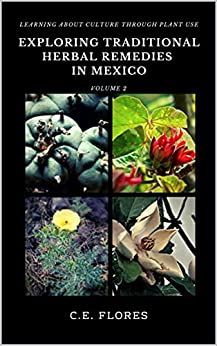
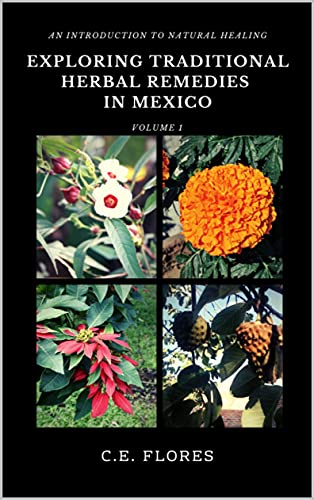
Interested in natural remedies? Uncover herbal remedies from traditional Mexican sources for healing and wellness in the Exploring Traditional Herbal Remedies in Mexico series.

Leave a comment

Filed under Native fauna and flora, Natural Healing