Internet Procedure–Again

In December, I received several text messages from the satellite internet company that our data was running out and that we should renew. I was a little concerned since I knew that we had only signed a contract for five years, and I wasn’t sure when that contract expired and what would happen after that to our service. Would they come and get the antenna? Would we just not have a working connection?

So I dug out the contract and read it through again, but I still had questions. I had my son try and call via Skype, but the number went to a fax machine. Then I tried to have him use the “chat” option on the website, but there was no way to submit a question. So I had to put saldo (money) on my phone and try to call from there. Lo and behold, the call went through. He talked to a representative who said that we could continue paying our monthly fee and they would continue providing service even though we had fulfilled the terms of our contract, which expired in November. He even managed to get my email contact information corrected. It’s only been wrong since we signed up. 

Because things seemed so uncertain with the satellite internet, we decided to see what we could do to improve or upgrade the other internet service we have. Well, that mission was a bust. The place where we had contracted the service said that our service could stop at any moment since they no longer have the portable modem setup plan. It’s not that great of a service, but something is better than nothing, right?

So our next line of inquiry was to find out if TelCel had anything we could use. Remember, we have no landlines for TelMex to piggyback on. We borrowed a water bill from my sister-in-law and headed out to the mall to ask. 

Since my son had never contracted any sort of TelCel service before, he was asked to provide four phone numbers. One was to be a house phone, one a work phone, and two references. At least one of those needed to be a número de casa (landline). Ugh! Nobody we knew had a landline in Moroleón. 

We took the form and went home to try and figure something out. We used my cell phone as the house phone and my friend Claudia as the work number. Then my sister-in-law’s cell phone was one reference, and my friend in Mexico City gave us her house’s phone number to use. Back to TelCel we went. 

This time the holdup was that my son’s CURP (personal identification number)  listed on his INE has an “e” instead of an “m,” and the computer system kept rejecting it as a valid number. My son was born in the U.S., making him an “extranjero” rather than “Mexicano” at least according to CURP. It took several hours, but eventually, someone managed to override the system into accepting his CURP.  

He contracted the service for 30 months, took everything over to the other counter, and paid two months in advance, plus the cost of the modem. It ended up being about $2000 pesos, give or take. He also got a TelCel stuffed toy, it being Christmas and all, no charge. 

Monthly, it’s the same price as our main (not satellite) internet, although apparently, there’s a 200 yearly charge added on for whatever reason. It works as well as the other internet we have, and my son is happy since he doesn’t have to work around my teaching schedule to use his laptop. Of course, if either of our internet services decides to stop providing service, that might change, but for now, we’ll take it.

***

The struggle is real! Be more prepared for a life in Mexico with the A Woman’s Survival Guide to Living in Mexico series!

Leave a comment

Filed under Getting Legal

New Herb Book in Spanish

February has another COMPLETE writing project! I’m tickled pink, well maybe green, that El boticario mexicano: Remedios herbales tradicionales para el resfriado y la gripe has been released! 

It took some time between the English and Spanish versions because, of course, it had to be translated! My son was the lead on that! He even signed up for a Spanish spelling course online of his own volition during the months he spent hammering away at the translation. 

Then the formatting took a bit of time because the program I previously used went to a monthly plan rather than a one-time fee per book, and as I have, well, I don’t know exactly how many books I have out now, but a lot of books, and paying for that would break the bank. So I had to learn how to format using another program. 

Anyway, it’s ready now, and in celebration, both the English and Spanish ebook versions are FREE for the next few days.

***

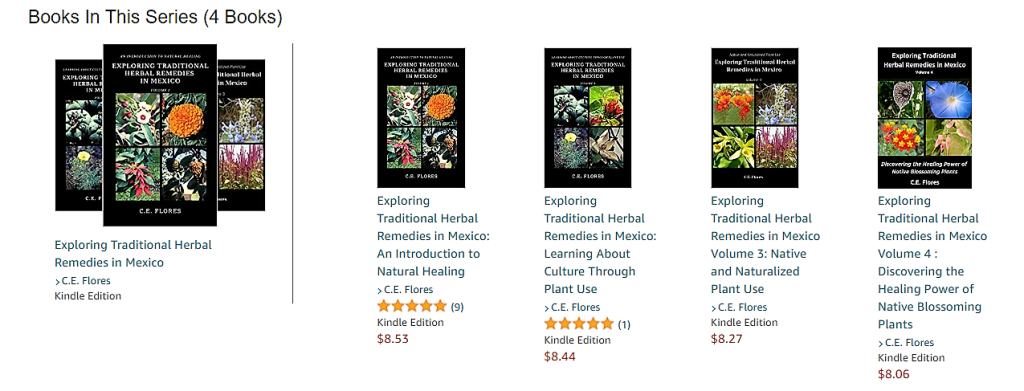
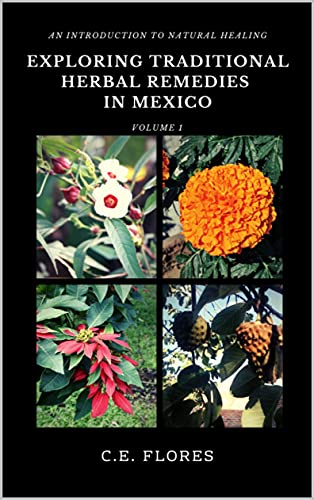
Don’t forget about the Exploring Traditional Herbal Remedies in Mexico series.

Leave a comment

Filed under Health, Natural Healing

Natural Healing — Chia

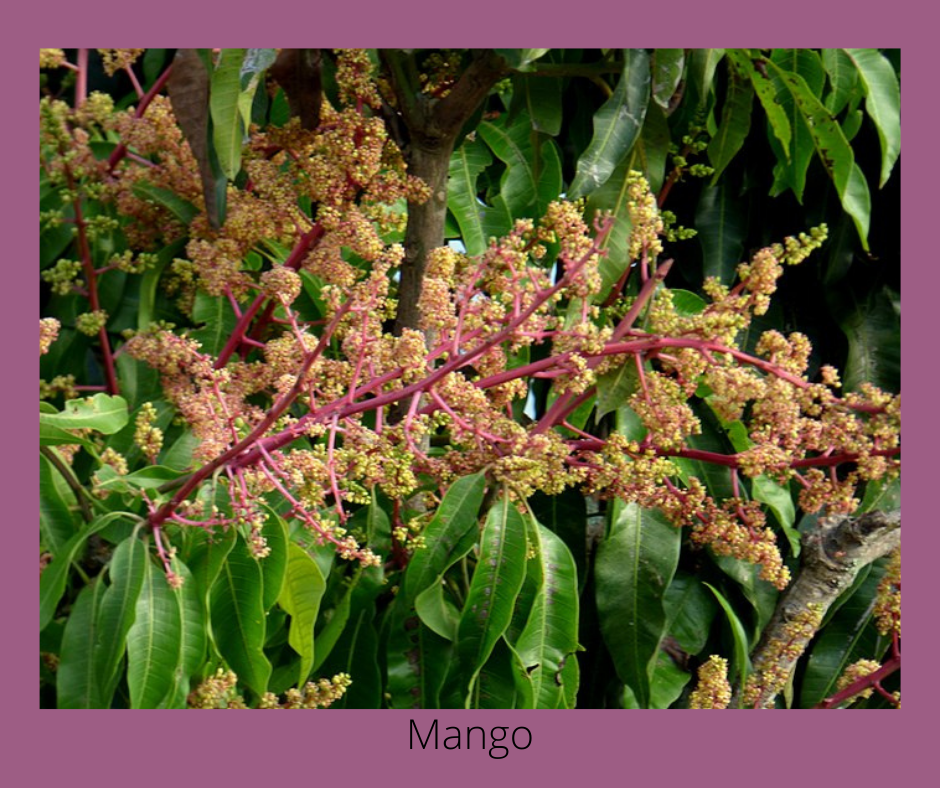
Photo credit: Dick Culbert

Before the conquest, chia (Salvia hispanica/Salvia columbariae) was one of Mexico’s basic food sources along with maíz (Zea mays), frijol (Phaseolus vulgaris), and huaútli (Amaranthus). Bernardino de Sahagún recorded in the Historia general de las cosas de Nueva España detaled the production, comercialization, and uses of chia.

Chia was so important to the Aztecs that there are words for the process of making oil from chia (chiamachiua), one who makes the oil (chiamachiuhqui), the process of polishing something with chia oil (chiamauia), one who sells chia oil (chiamanamacac), the process of extracting oil from chia seeds (chiamapatzca), one who extracts oil from chia seeds (chiamapatzcac), chia oil (chiamatl), to become stained with chia oil (chiaua), to describe something greasy (chiauacayo) or oily (chiauac), a marzipan-like paste made from chia seeds (chiancaca), and a place where chia seeds are found (Chiapan modern-day Chiapas). 

The seed was known as chiyantli, chien, chian, chia, or chiantli. A sprig of chia was centzontecomatl. As a verb chiya or chia meant to wait for, in reference to the tedious process of extracting oil from the seeds. Chianzotzolatoli was a drink prepared with toasted maíz and chia.

Pinolatl is a beverage made from maíz and toasted chia seeds. Pinolli was ground chia (or maíz) seeds made into flour now known as pinole. The Purépecha make small tamales made from pinole which are placed on the Día de Muertos alters each year. 

Chia was associated with the diety Chicomecóatl, the feminine aspect of Centéotl. Both were deities of fertility and abundance. Corn, beans, and chia were included in the offerings made during their celebratory months. 

Medicinally, the seeds, roots, leaves, and flowers were used by indigenous groups for skin infections, gastrointestinal ailments, fever, respiratory issues, urinary tract infections, eye diseases, and disorders of the nervous system.

Raw or toasted, chia is added to beverages, soups, oatmeal, yogurt, and salads regularly in Mexico. When the seeds are soaked, they release mucilage which is a gelatin-like liquid.

Chia contains polyunsaturated fatty acids, omega-3, omega-6, dietary fiber, protein, and phytochemicals (compounds found in plants that benefit human health). Regular ingestion has shown to be useful in the treatment of obesity, hypertension, diabetes, cancer, and cardiovascular diseases. It has antioxidant, hypotensive, hypoglycemic, immunostimulatory, and antimicrobial activities. Salvia columbariae has compounds scientists believe can be used to treat strokes due to its anti-blood clotting properties. Chia is also antiatherosclerotic, neuroprotective, hepatoprotective, antidepressant, antianxiety, analgesic, laxative, and anti-inflammatory

Conjunctivitis is treated by placing a single seed in the eye. The mucilaginous substance that forms allows the eye to be wiped clean. Raw seeds are chewed as a digestive aid. For a fever, a drink made from limones (Citrus aurantiifolia), sweeted with miel (honey), and chia seeds is prescribed.

***

Interested in natural remedies? Uncover herbal remedies from traditional Mexican sources for healing and wellness in the Exploring Traditional Herbal Remedies in Mexico series.
Leave a comment

Filed under Health, Mexican Food and Drink, Native fauna and flora, Natural Healing