Well, we haven’t done much lately, so there really aren’t any updates. Building materials are sky-high, so nothing new to report on my son’s house. The rainy season has been wonky. Pretty much all the crops in the area look like they won’t amount to a hill of beans (literally). The bananas aren’t ripe yet on our surprise banana tree. Patience is the name of the game these days.
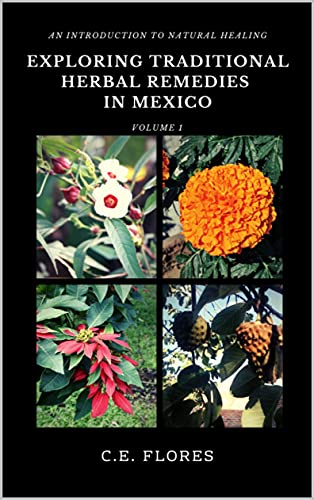
But as an author, I have some exciting news. Cherokee By Nature in Apodaca, Mexico, is now carrying two of my books. Take a look!
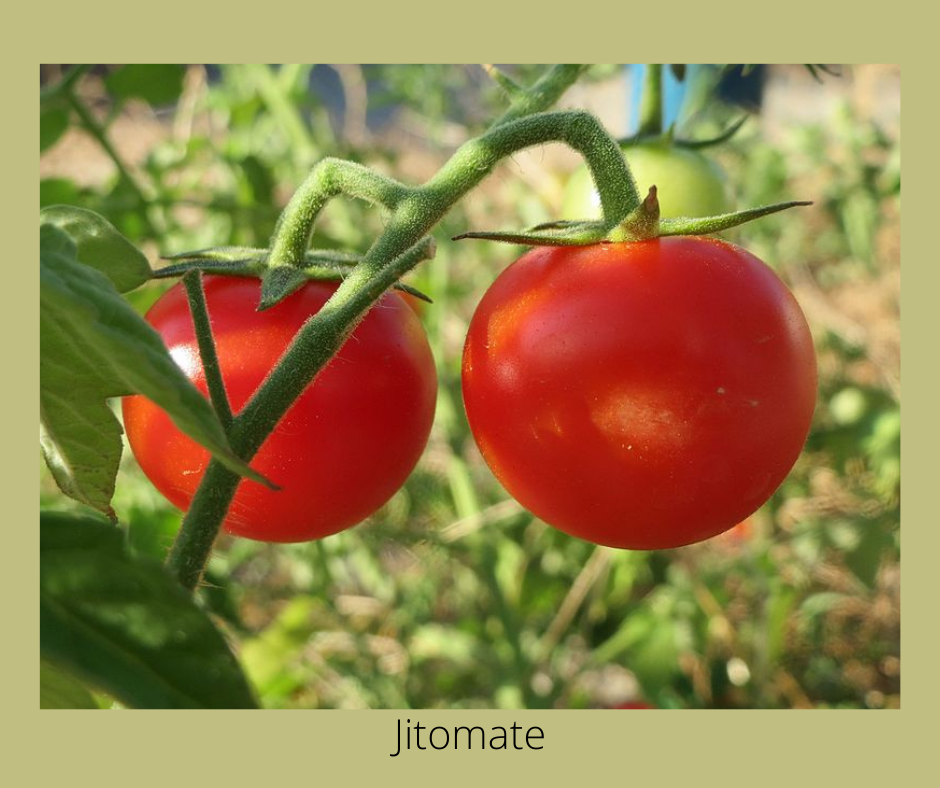
The term used in Mexico for these red, delicious fruits is jitomate (Solanum lycopersicum) from the Nahuatl work xitomatl. Tomate is more commonly used for the green husked fruit tomatillo (Physalis philadelphica). Other names include Aadi-maxi in Otomí, bachuga in Cuicatleca, bti’ux in Zapoteca, and ts’ulub’p’ak in Maya. Botanically, the jitomate is a fruit rather than a vegetable because it contains the seeds of the plant. Nutritionists, on the other hand, classify them as vegetables based its low fructose content.
The original progenerate Solanum pimpinellifolium was native to Ecuador and Peru with fruits the size of peas. The indigenous people, including the Aztecs, worked at cultivating the plant until it became a staple food source. In fact, Bernardino de Sahagún, stated there were a number of varieties he discovered in the Tenochtitlán market including “ large tomatoes, small tomatoes, leaf tomatoes, sweet tomatoes, large serpent tomatoes, nipple-shaped tomatoes,” and tomatoes of all colors from the brightest red to the deepest yellow.”
Hernán Cortés himself may have taken the first jitomate (a small yellow one) to Spain in 1521.
The Spanish introduced the jitomate to the rest of Europe where it was initially viewed with suspicion since it is part of the nightshade family and therefore related to belladonna, a known poison. The leaves and green fruit do contain tomatine, which is toxic, but the ripe fruit does not.
Linnaeus classified the plant as Solanum lycopersicum in 1753. However, in 1768, Philip Miller moved the plant into its own genus Lycopersicon esculentum. Genetic study supports Linnaeus’s classification although some herbals and scientific papers that I consulted in my research still use Miller’s classification.
Traditionally, jitomate has been used medicinally as a treatment for diabetes, cancer, asthma, cataracts, and heart disease in Mexico. It’s considered a “cold” food item and used to treat “hot” infirmities.
Juice from a ripe jitomate is squeezed in the eye infected with conjunctivitis 3 to 6 times a day. A mouthwash for oral thrush is made from 20 albahaca (Ocimum basilicum) leaves, 1 jitomate leaf, and the juice from a cebolla (Allium cepa) boiled in 1 liter of water.
A jitomate leaf is applied to cold sores. For fever, two tomatoes are boiled then wrapped as a plaster on the feet and left on overnight. The leaves are prepared in an infusion for a wound wash. The fruit pulp is also used as a facial tonic.
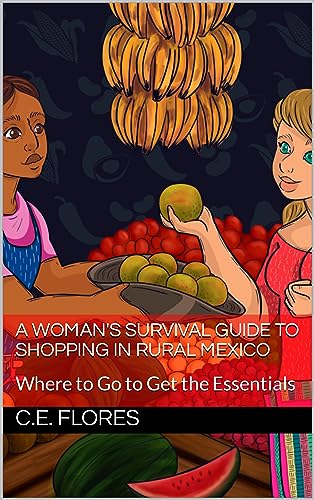
It’s been ages since I’ve added a book to A Woman’s Survival Guide to Mexico series, but today’s the day!
A Woman’s Survival Guide to Shopping in Rural Mexico is your indispensable companion on retail expeditions. Whether you seek groceries to tame your rumbling stomach or dare to delve into the world of livestock trade, this invaluable tome will equip you with the savvy to navigate the sometimes daunting yet endlessly fascinating shopping experience.
The ebook version is free until August 5 on Amazon! Get your copy today!










 Surviving Mexico
