I don’t know about you, but things being what they are lately mean I don’t have a lot of cash right now. There’s a lot of pressure to BUY something with Black Friday, Cyber Monday, and the holidays, and welp, just not gonna happen this year.
So, since I figure some of you are in the same boat as me, I thought I’d offer several of my ebooks for FREE this weekend. That way, you can have the “virtual shopping experience” and not spend a dime.
Although we were all gung-ho to get some estimates for the sewer hookup, the powers that be in the presidencia told us that we needed to focus on the water project first. As they were willing to entertain the idea of legalizing the illegal pozo (well) that Chuchi commissioned and then sued us over, we needed to reexamine the perforation.
After the well was closed by the water commission and the lawsuits ran their course, we made a sort of roof to cover the open hole to the abyss. This was to prevent any animals or humans from falling to their deaths and give some measure of protection to the tubes that were installed in the event we could make use of it sometime in the unforeseeable future. That was done about 10 years ago.
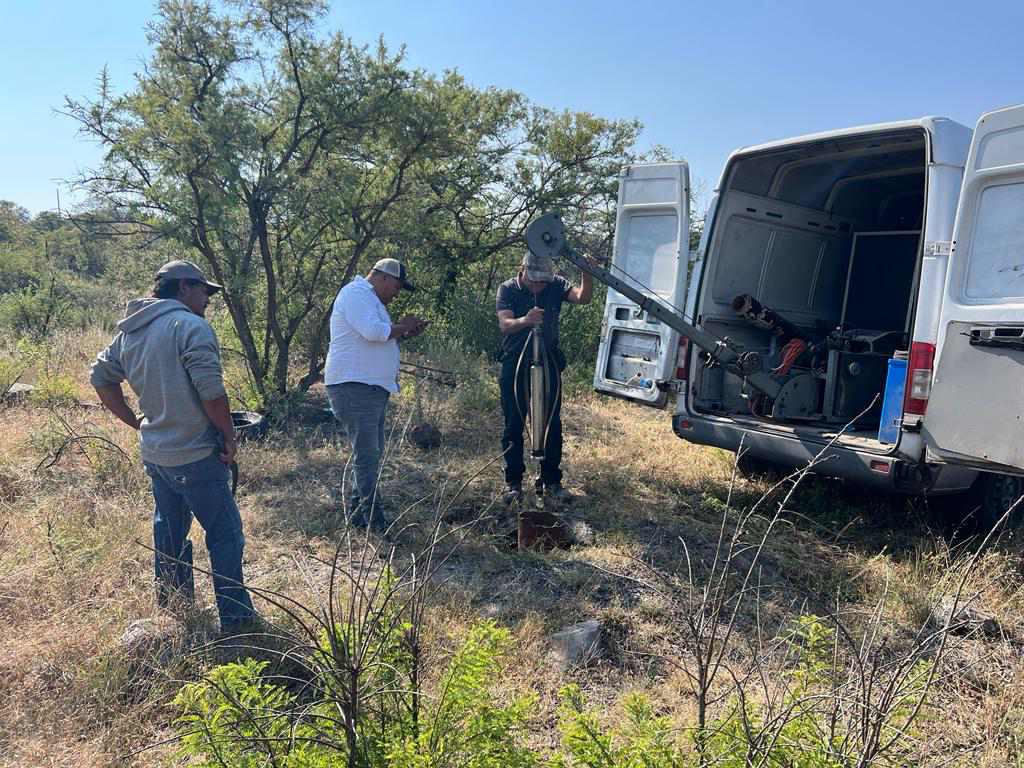
In November, we commissioned a well study that involved uncovering the site, taking depth measurements, and dropping a camera down the hole to see its condition. Unfortunately, someone deliberately threw a boulder down the well, and it was lodged about 100 feet down, so the well study company could not get accurate readings. Three guesses on who I suspect of doing the dastardly deed.
This well study, which isn’t useable as it is incomplete, cost 7000 pesos. We’ll need someone to come out to clear the boulder and clean any debris at the bottom of the well. The estimate for that job is about 90,000 pesos. Next, a new study will need to be done (another 7000 pesos), and then a water quality and quantity study to see if the water table can handle a drain on it at that location, and that will be about another 13,000 pesos.
The total expense would only be about 200 pesos per lot, divided equally among the property owners. However, as we discovered with the demanda (lawsuit), not even half paid the 250 pesos that saved our properties from repossession. And as we have a small window of opportunity to take advantage of the presidencia’s offer to legalize (next year being an election year and all), we can’t wait for the grumblers and chin pullers to open their wallets and pay up.
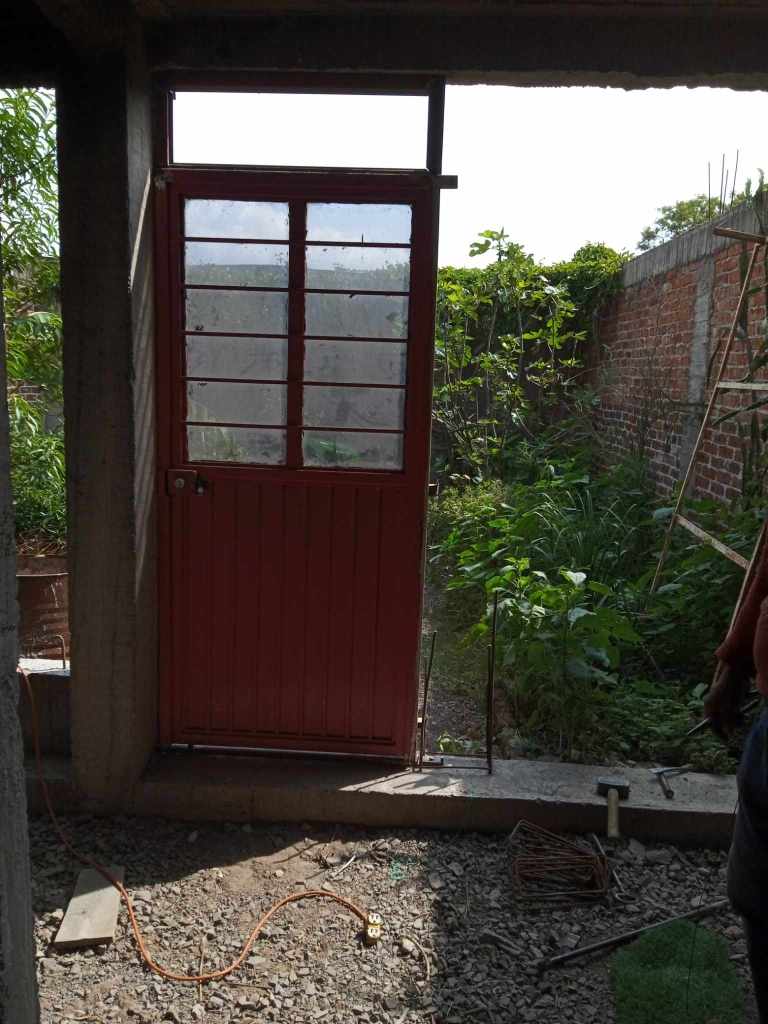
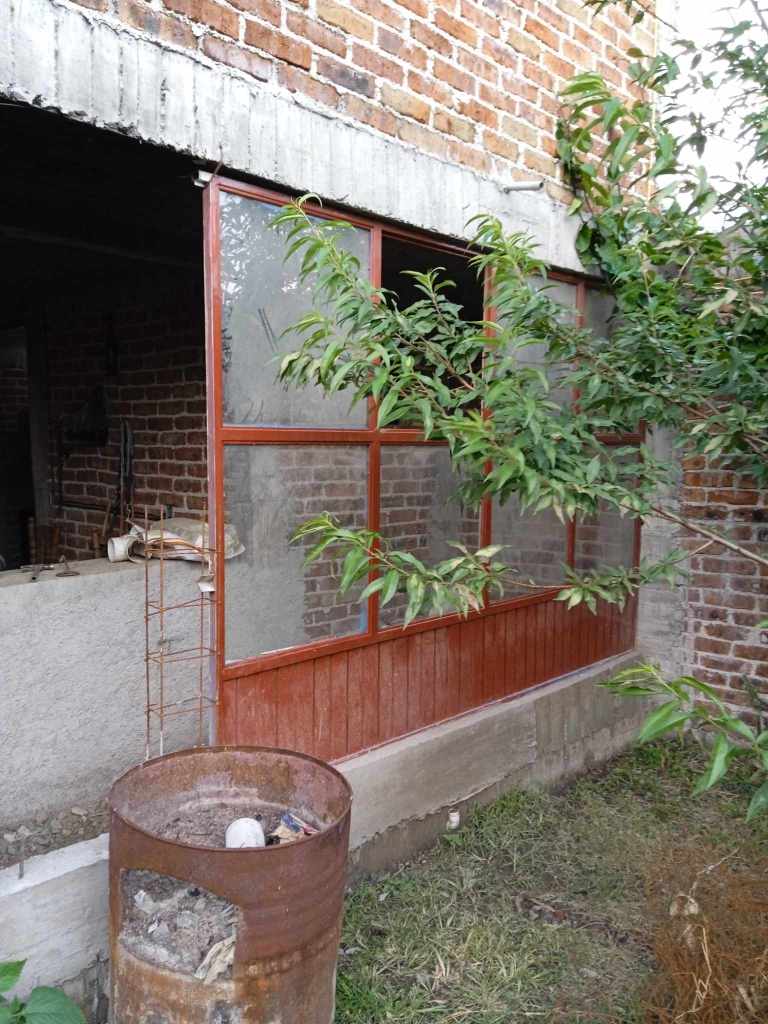
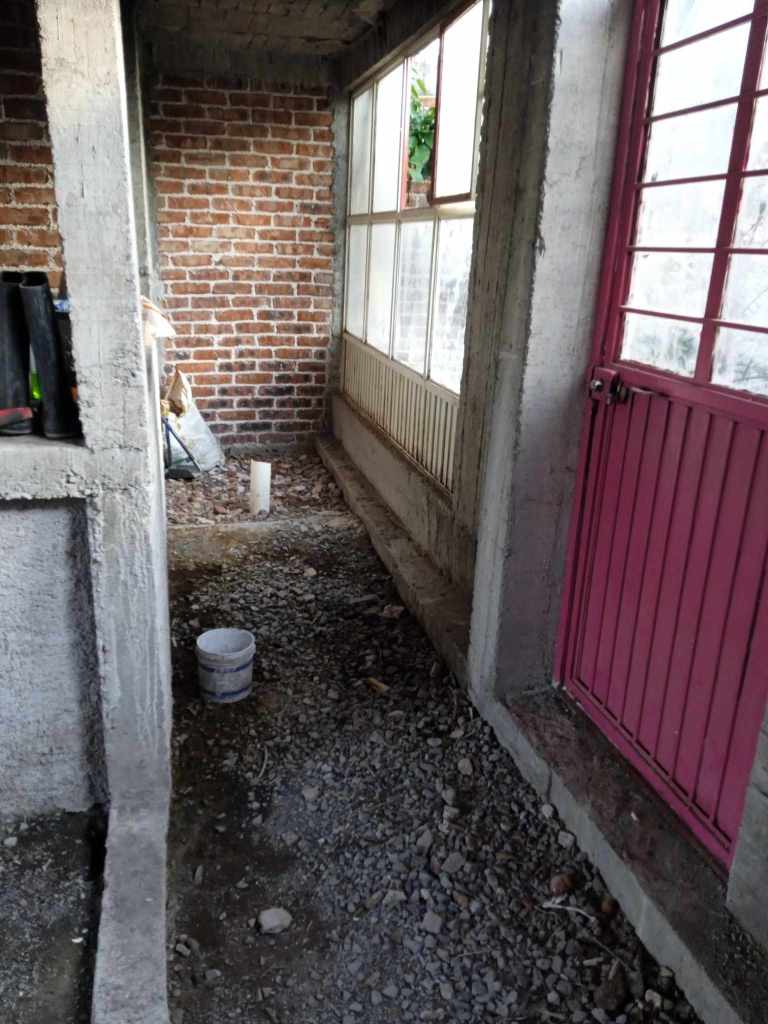
About six months ago, we were cruising through town on the way to do some errands, and I saw several sets of windows and doors propped outside a house with a for sale sign. I made my husband circle back around and stop to ask about them. The owners were remodeling and selling them cheaply. Really cheap. We paid $1500 pesos for a wall of windows and a door with a frame. Seeing how my sister-in-law just bought a new door for her house and paid $ 4,000 pesos for that alone and nearly $20,000 for a set of windows, this was a steal!
My husband and son headed back with the truck and brought our new-to-us building materials home. They have been leaning against the wall of my son’s house since then until last month when they were finally installed.
Initially, my husband wanted to cut the windows into pieces and turn them on their sides, and I don’t know what else. I vetoed that idea. They were in perfect condition as they were. We just needed to shape the back wall around their measurements. So that’s what we did.
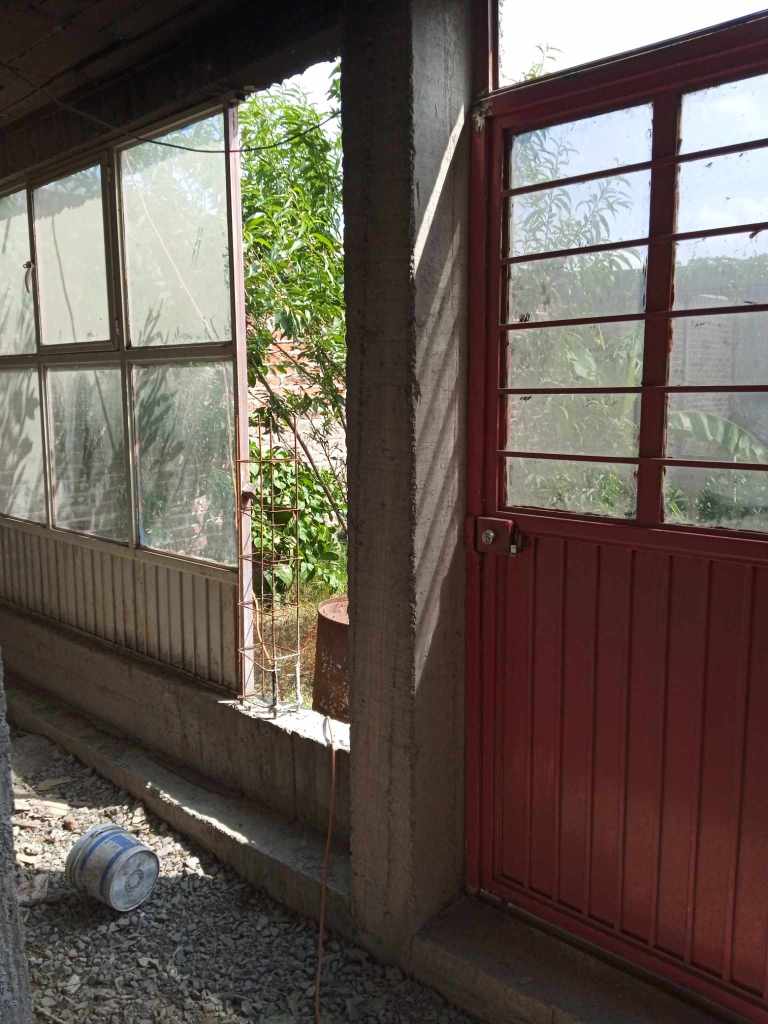
This involved the three of us hoisting it up to set it in place. Or rather, my son hoisting, me holding firmly to the sides, and my husband securing the top with wire until it was in position, about a foot and a half above the ground. Suspending it this way allowed my husband to build a base beneath it, which firmly holds it in place.
Next, the door frame was positioned, and the open areas filled in, which included a half-wall. He used stones and cement since we’d run out of bricks, but after “patching” (applying a layer of cement), it should be indistinguishable from the other walls. We’ll need to commission a set of windows for that area, but the end result will be a fraction of what we’d have paid had we not stumbled across those used building materials.
My son’s dogs, Fred, George, and Bruce, are not too happy with the new addition. They aren’t able to come and go to the back garden as they please anymore.
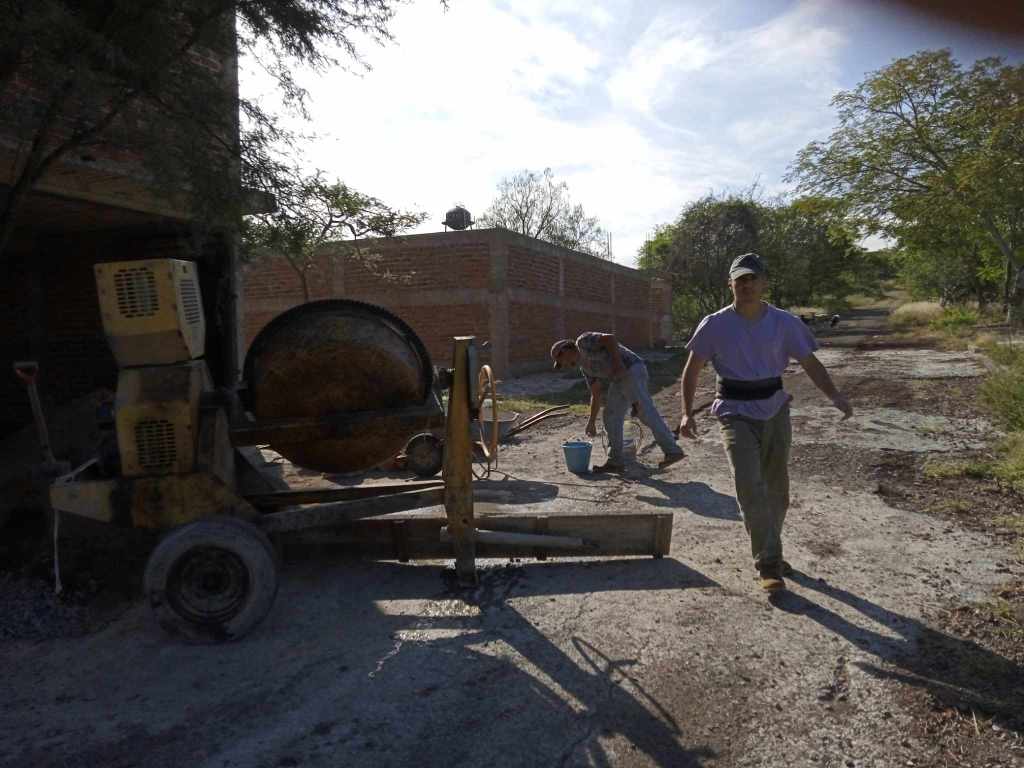
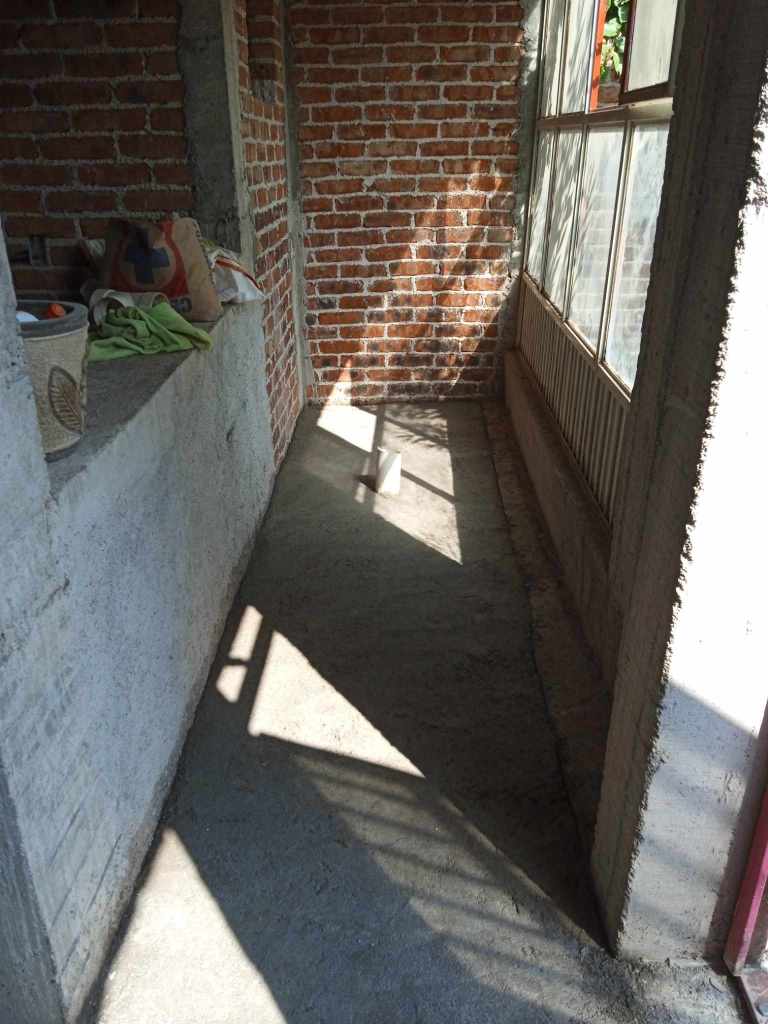
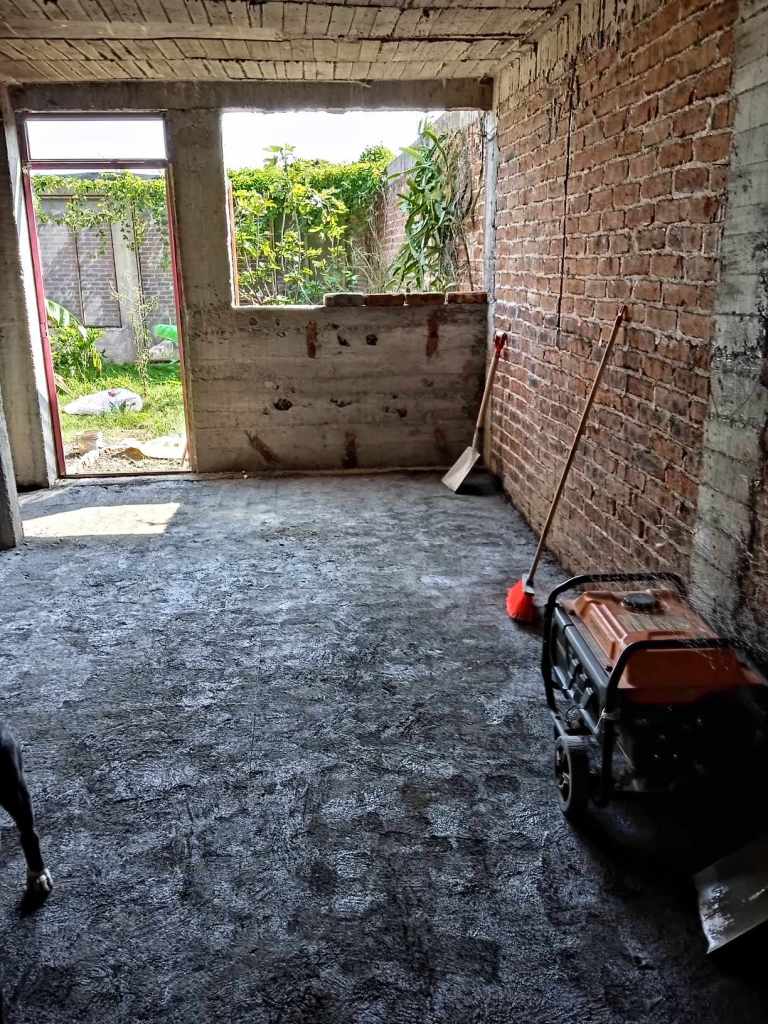
Since we were rockin’-and’rollin’ in the construction department, we went ahead and rented the mixer to finish up the floor on the ground floor. It didn’t require rebar like the second-floor, so all we needed to purchase was some cement. My son and husband spent the day shoveling sand, gravel, cement, and water into the mixer and hauling it bucket by bucket to the designated area. Finally, it was finished, and it doesn’t look too bad if I do say so myself.
The next project, according to my husband, is the plumbing.