Surviving a Lightning strike in La Yacata

lightning map.jpg

Did you know that Mexico has the highest fatalities due to a lightning strike in all of North, Central and South America? Mexico averages 220 deaths per year. At least 7,300 people were killed by lightning strikes in Mexico between 1979 and 2011. More than 45% of the deaths were young males between 10 and 19 years of age and most strikes happen the first half of the rainy season, between June and August. The state of Guanajuato, where we live, has the fourth highest death count. And as we have a son in the high-risk age category, these statistics trouble me.

According to researchers, this extraordinarily high number of deaths due to lightning strikes is not an equal opportunity phenomenon. “Fatalities largely depend on socio-economic factors and not the frequency of lightning strikes,” said Ronald Holle, a global lightning expert at Vaisala Inc in Arizona.

Take for example the unfortunate lightning strike that killed 7 and injured two in a farming community near the towns of Mesa Cuata and El Terrero in Guanajuato state. Three female farm workers, ages 19, 32 and 44 were killed along with four children ages 3, 5, and 14. All were struck while working out in an unsheltered field. Many houses in Mexico, including those in La Yacata, do not have electricity or indoor plumbing, two ways that lightning can be channeled harmlessly to the ground. Houses made of adobe often do not even have metal rebar built into their structures which can also divert lightning strikes.
lightning local

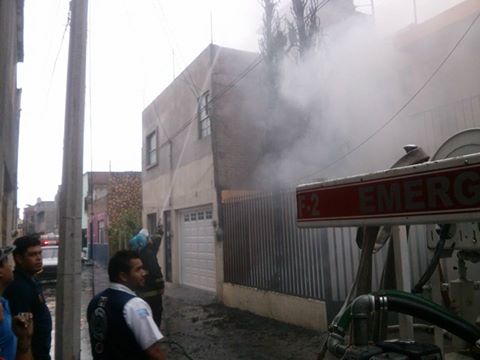
Lightning damaged a building June 2016 in Uriangato, the town next to us.

So what can be done to maximize your survival during a lightning storm?

Take shelter. No place is safe outside in a thunderstorm. My grandmother always made us come inside from the porch during storms, but that’s not something generally done here in Mexico.

The shelter should be a building that has electricity, phone lines or plumbing. The electric, telephone or plumbing lines will attract the lightning and channel it. But wait! La Yacata has no electricity or phone lines and although we have plumbing, our tubes are mostly plastic. Fortunately, lightning can travel through any metal wires or bars in concrete walls or flooring and that we have plenty of. (See Up on the roof that nearly wasn’t)
cam04364.jpg

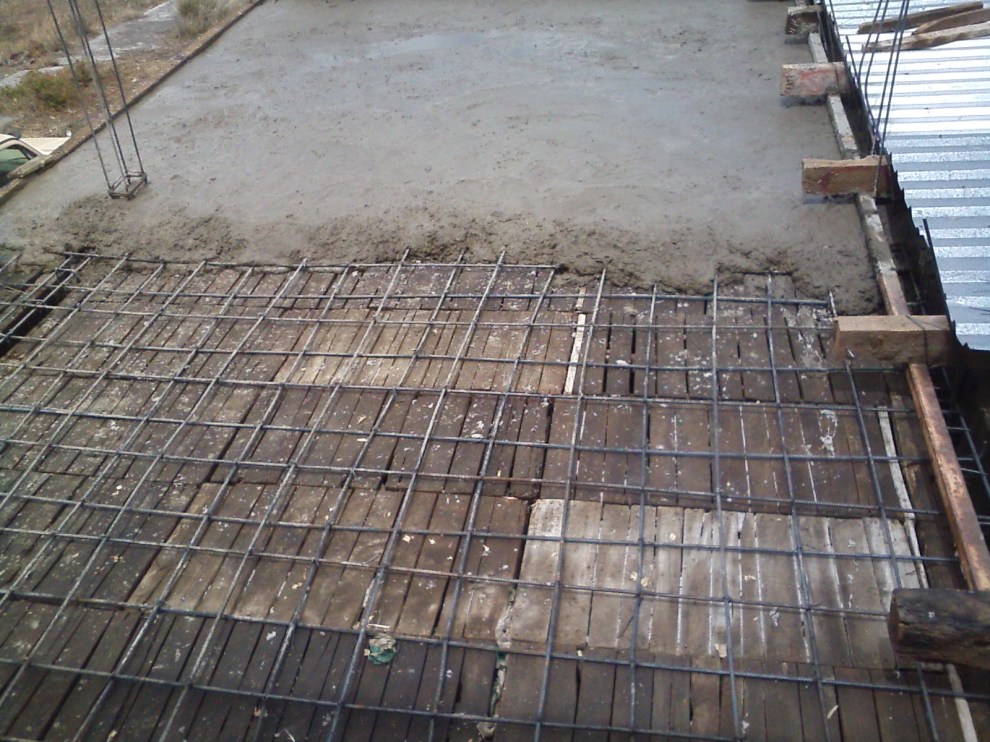
Metal bars are the foundation of our roof.

If you take shelter in a vehicle, it must be a vehicle with a metal roof and sides. The metal will divert the lightning around you. If the vehicle has no roof, like a motorcycle, or is made of fiberglass, it is not a safe vehicle in which to take shelter.

If you are already indoors, do not use your phone, computer or other electrical equipment. No problem in La Yacata! (See La Yacata still has no electricity) Stay away from sinks, baths, and faucets. Stay off porches (Thanks, Grandma!). Stay away from windows and doors. Do not lie on concrete floors or lean against concrete walls.

survive lightning

If you are outside and can not reach adequate shelter, move away from hills, mountain ridges, and peaks. La Yacata is in a valley. Do not lie on the ground. Do not take shelter under a tree or rocky overhang. There aren’t too many trees in La Yacata and the rocky overhangs typically are already occupied with skunk or fox dens. Get away from ponds, lakes, pools and other bodies of water. Again, no problem in La Yacata as there is no natural water source.(See Water Woes) (See Also Lightning Strike kills 2 in Playa del Carmen) Stay away from barbed wire fences, power lines, windmills, silos or other objects that may attract the lightning. There are several lots that have barbed wire, but it is easy to avoid those areas.

Stay away from areas that have already been struck by lightning. Lightning can strike twice and often will. Even if it is not raining, if you can hear thunder, you are at risk for a lightning strike. Lightning can strike from 10 to 15 miles from a thunderstorm. Anvil lightning can strike over 50 miles from thunderstorms.

So there you have it!

Knowing these simple facts will help you survive a lightning strike–in La Yacata or wherever you are.
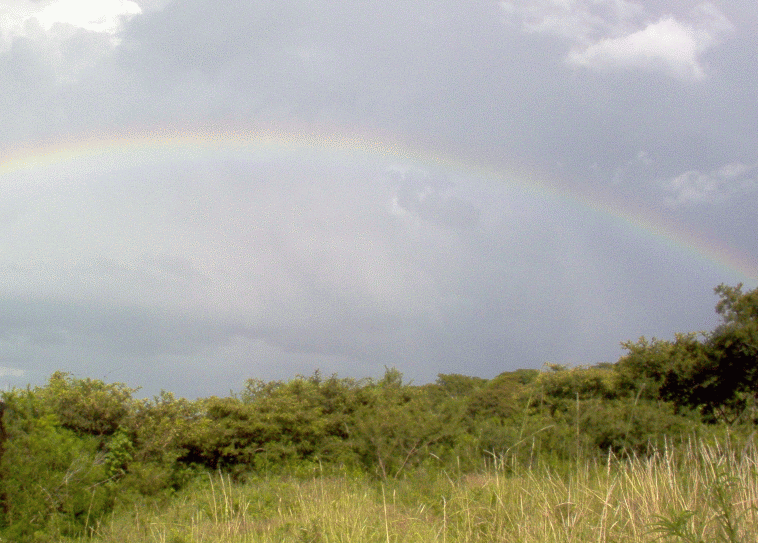
rainbow over la yacata

*************************

 

6 Comments

Filed under Carnival posts, Electricity issues, Safety and Security, Water issues

Surviving a Kakistocracy in La Yacata

cam04084.jpg

Kakistocracy occurs when the least qualified are in positions of power. That definition certainly fits Mexico to a T.

The whole mismanagement of funds and the lack of services in La Yacata can be followed back to having the least qualified person in charge for more than 20 years. (See Birth of the Revolution) La Yacata is just a small not-quite village, but how high does this bad governing go, really?

Let’s look at the highly publicized case of the 43 students from the Ayotzinapa Normal School who disappeared in 2014 as an example of the ineptitude. To make this long story shorter, here’s a brief summary of the facts known to date.  On September 26 of that year, 6 innocent bystanders were killed, 25 were wounded and 43 protesting students were abducted by local police in Iguala, Guerrero, which is about 80 miles south of Mexico City. (See also El Dia del Estudiante) Various elements of human rights violations were perpetrated in this incident. Starting at the bottom rung, local police were guilty of homicide and attempted homicide in the initial confrontation. Then once the students were detained, they were turned over to the crime syndicate Guerreros Unidos (United Warriors) by local police enforcement who then murdered every single one. Talk about a breach in due process there!

On September 28, 22 local police officers were arrested for their participation in the abduction and murder of the students and bystanders. But this was more than a local rogue police force. On September 30, a warrant was issued for the arrest of the Iguala mayor and his wife as well as the Director of Public Security, all of whom fled. The mayor and his wife were able to evade arrest until November 4. The Director of Public Security is still at large.

The ensuing protests in Mexico had a domino effect on the government structure. On October 23, the Governor of Guerrero resigned once it became clear that he had actively protected corrupt officials and possibly contributed to a cover-up of the events that transpired on Sept 26.

The PRD political party founder and senior leader resigned on November 25.  PRD is the dominant political party in Guerrero.

The Mexican Attorney General had received prior information about the cartel ties of the Iguala mayor and did not act on that information and is currently under investigation. He resigned his post on February 27, 2015.

Further investigation has shown that the Mexican Armed Forces were also present on September 26 and did nothing to aid the unarmed students or bystanders. In fact, the Army tried to run interference by preventing wounded students from receiving medical attention at the local clinic. The current Supreme Commander of the Mexican Armed Forces is the current Mexican president Enrique Peña Nieto. The President also holds the right to appoint the Attorney General.

Thus, kakistocracy is evident all the way to the top level of government in Mexico. But it doesn’t stop there. Several experts have traced the hierarchy of power to the U.S. And as long as the U.S. is pulling the strings, Mexico will continue to be a kakistocracy. (See La Llorona Returns)

So how does all this make La Yacata the perfect place to live in the event of kakistocracy? Well, once the colonos (community members) became fed up with the local kakistocracy, we staged a coup, albeit a legal one and elected a new governing body. Although we have yet to succeed in uniting the community enough to really benefit ourselves, we have prevented the continued exploitation by the same corrupt representative. (See You can lead a horse to water, sewage, and electricity)  Therefore, we are all ready for the coming revolution!

**********************


4 Comments

Filed under Carnival posts, Politics, Safety and Security

Surviving a Jawhole disaster in La Yacata

miserable-flooding-is-a-fact-of-life-in-mexico-citys-impoverished-iztapalapa-borough-1401737787

A jaw hole is a hole in which dirty water or sewage is collected. And yes, there are apocalyptical disasters involving sewage, and not just in third-world countries either.

London, UK. 1878. The local sewage system still in use today had formed large mud banks of waste in the Thames River. The steamer Princess Alice sunk in the middle of the Thames and 650 people died from drowning in the raw sewage.

Louisville, Kentucky, USA. February 13, 1981. Two miles of road were destroyed when hexane vapors illegally discharged into the sewers caught fire and caused a series of explosions.

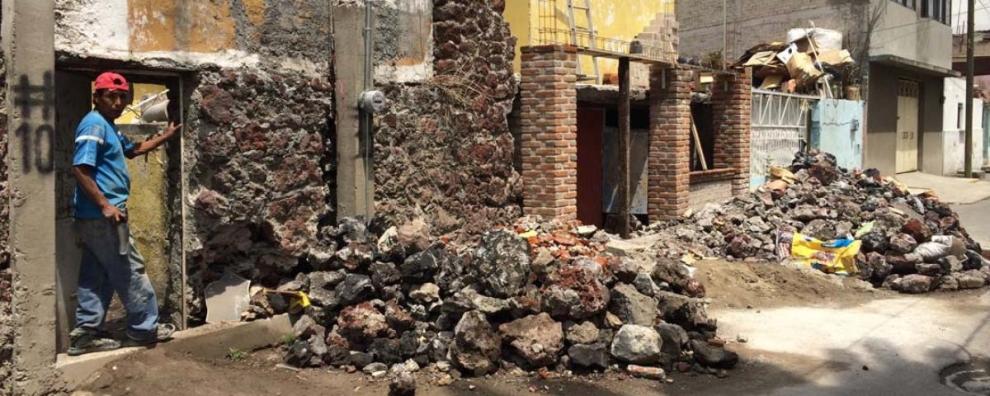
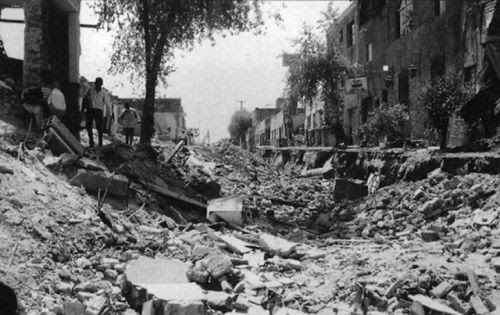
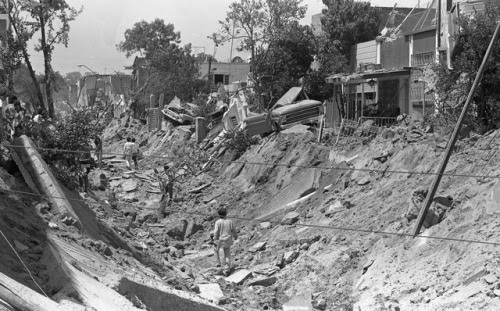
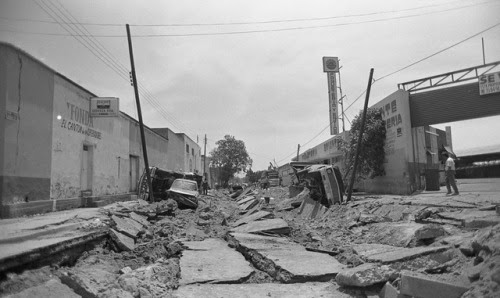
Guadalajara, Jalisco, Mexico. April 22, 1992. Two hundred fifty-two people were killed, 500 were injured and another 15,000 people were left homeless after gas explosions in the sewer system destroyed 5 miles of streets. Strong gas smells had been reported by residents four days previous to the disaster, however, city officials felt it was not necessary to evacuate the area.


Um El-Naser, Gaza. March 27, 2007. Seventy percent of the village’s homes were submerged in 2 meters of raw sewage when the earthen wall of a cesspool sewage pool collapsed. Five people were killed, including two babies, an elderly woman, and a 15-year-old girl, 20 more people were injured. The collapse was due to sand theft from the areas around the embankment. The sand had been sold to building contractors.

Edinburgh, Scotland. April 20, 2007. A pump failed at the city’s sewage processing plant and caused millions of liters of waste to flow into the Firth of Forth for days. It was devasting to the local fish and wildlife.

San Isidro and La Providencia, Mexico. April 2011. Three children were injured and more than 200 homes were flooded when a sewage pipe cracked.

So what about La Yacata? Well, we aren’t connected to the main sewer line. (See You can Lead a horse to water, sewage, and electricity) Although we reuse quite a bit of our greywater for our garden, our toilet and shower drains are connected to a pipe that connects to the drenaje (drainage) out to the road. To no one’s surprise, the pipes in the road are not the appropriate size. These smaller than requisite pipes run down the road and swerve to the left and open out to the arroyo (an open drainage pit or jaw hole). The little towns up the road, Caricheo, Pamaceo, La Ordeña, Las Peñas, all have the same jaw hole. The sewage goes away–to where I’m not exactly sure.

One of our neighbors once mentioned that he likes to stand under the pipe and bathe during the rainy season. EWW! Be that as it may…

We have a beginning of an environmental disaster on our hands. Our neighbor has pigs. (See Hate Thy Neighbor) He shovels the pig poop into the sewer pipes. The sewer pipes are not designed for human poop much less pig poop. Pig poop has backed up into the sewer pipes and has been oozing out of the open sewer pipe of the house down the street. Our house is above the pig farm, so the poop hasn’t reached us yet, but if it does, boy am I going to pitch a fit!

Our plan is to call the Departamento de Ecologia before that happens. I’m sure the neighbor won’t be happy with us, but hey, poop is icky!  And I hope the road doesn’t collapse over the sewer one day like happened to this poor woman in India!

****************************


10 Comments

Filed under Carnival posts, Construction, La Yacata Revolution