Natural Healing — Damianita

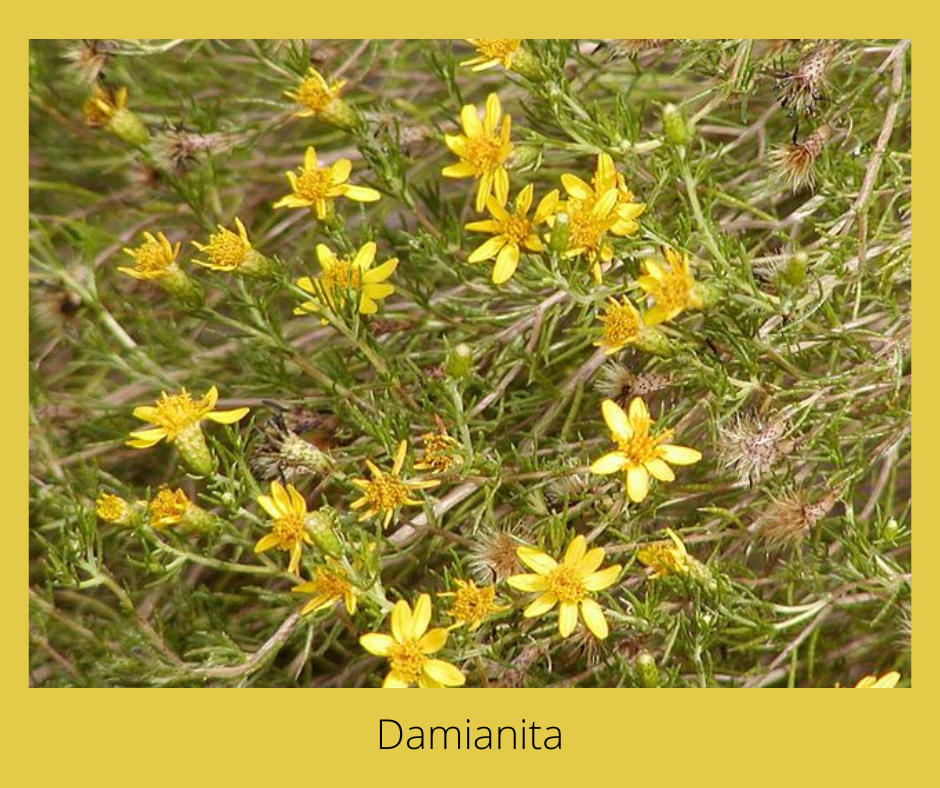
Photo Credit: Stan Shebs

Damianita (Chrysactinia mexicana) is often called Hierba de San Nicolás (Saint Nicolas’ herb), which should not be confused with Piqueria trinervis, also known as Hierba de San Nicolás. Other common monikers have confusing overlaps as well. Although the term damaina is the most popular name for Turnera diffusa, it is sometimes used for Chrysactinia mexicana too. Therefore, Falsa damiana is a better name in this case. Garañona is a name given to both Castilleja tenuiflora and Chrysactinia mexicana in certain areas. Using the name Mariola or Romerillo leads to alternate plants Parthenium incanum and Asclepias linaria, respectively. Tatalencho is the term for Gymnosperma glutinosum or Chrysactinia mexicana depending on the region. 

On the other hand, Yeyepaxtle and the spelling variant Llellepaxtle are self-contained labels, as are San Nicolás Calanca, Tse ñ’ethi, and Damianita daisy. 

Damianita is mostly associated with fertility and the sexual organs in Mexico. However, it is also employed to reduce fever, treat rheumatism and tuberculous, and lessen the severity of diarrhea. It’s considered a “cold” plant and thus apt to treat “hot” infirmities. 

A decoction is prescribed for nine consecutive mornings before a woman’s period is due to make the womb more receptive to conception. This fertility treatment is prepared by adding one or two tablespoons of chopped leaves to a cup of boiling water and allowing it to steep for up to twenty minutes. An infusion of damianita should also be given to the male partner as it has both an aphrodisiac and prosexual stimulatory effect.

A hot decoction made from the entire plant is suggested as a sitz bath for relief from painful menstrual cramps. Boiled crushed leaves are used as a poultice for earache. Muscular aches and pains can be relieved by adding full branches to the bath. 

A tepid douche made with a teaspoon of honey and damianita is made for treating gonorrhea, sometimes called purgación. Another douche for syphilis is an infusion made from five damianita leaves and Tlalchichinole hembra (kohleria deppearia) in a half liter of water. This same infusion is drunk for ulcers and diarrhea, one cup in the morning and one at night. Chrysactinia mexicana is both diuretic and antispasmodic, thus useful in the treatment of intestinal spasms, diarrhea, and menstrual cramps. 

A douche made from a whole damianita plant is recommended for leukorrhea or flujos blancos, followed by drinking a decoction made of llantén (Plantago major) leaves. Chrysactinia mexicana has anti-fungal properties, which means if the flujos blancos are a result of yeast or other fungal infection, this douche could be beneficial. 

Chlamydia, gonorrhea, and syphilis are caused by bacteria. Therefore, the antimicrobial activities found in Chrysactinia mexicana can provide effective treatment for these and other fungal STDs. 

For tuberculosis, pneumonia, or other respiratory conditions, an infusion is prepared with the damianita leaves. Chrysactinia mexicana demonstrates antimycobacterial activity, supporting this traditional use. For a respiratory tea, boil fresh branches and drink daily as “agua de uso” (in place of water) until symptoms abate.
Additionally, Chrysactinia mexicana shows a pronounced antihyperglycemic effect and has a clear anti-depressant-like effect.

***

https://amzn.to/3CoZsKWInterested in natural remedies? Uncover herbal remedies from traditional Mexican sources for healing and wellness in the Exploring Traditional Herbal Remedies in Mexico series.

Leave a comment

Filed under Native fauna and flora, Natural Healing

Rosie Mula

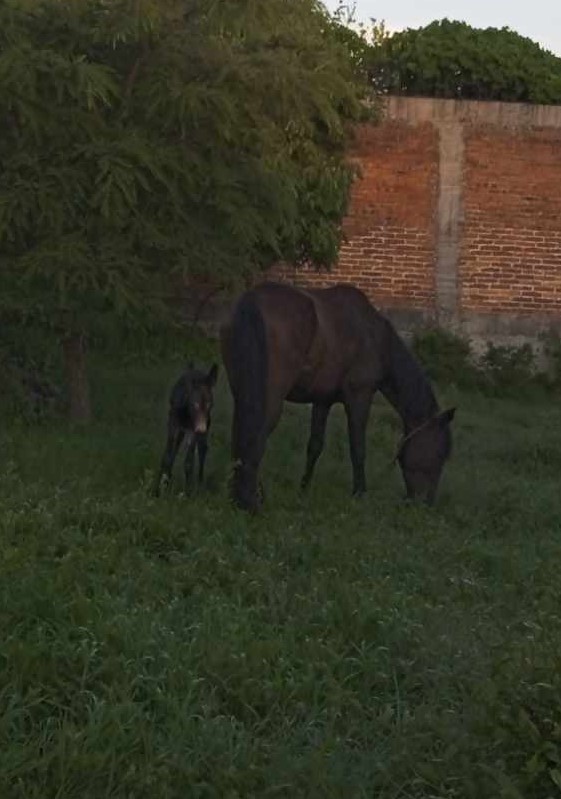
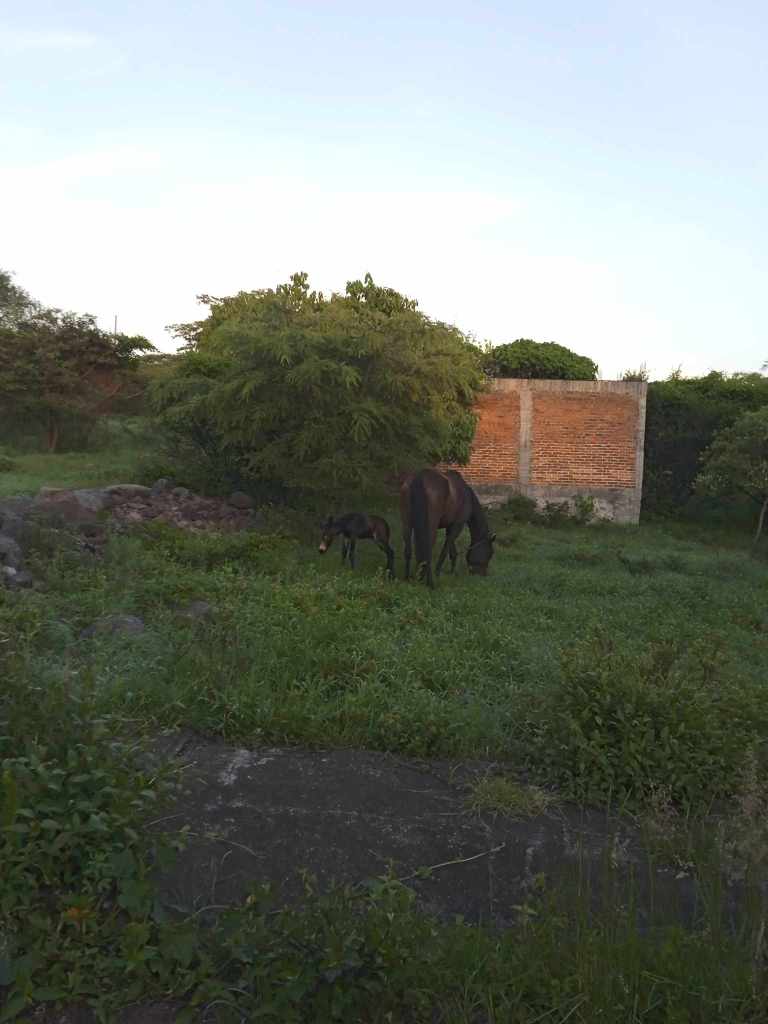
This morning, we were awakened by the sound of a little whinny that did not belong to Lady. It seemed that little Miss Rosie Mula had arrived. 

Obviously, by her surname, you can guess that Rosie is a mule, not a colt. My husband bred Lady to a donkey last year, the date coinciding with one of the annual cabalgatas (community horse rides). He’d been waiting impatiently for three months or more, not completely convinced that Lady was actually pregnant, even though she had the obvious signs of pregnancy, a swollen abdomen and udder. He kept doing the calculations and said that she was way overdue, as horse pregnancies are typically 11 months. Then he did the calculations again and swore that a mare’s first pregnancy always lasts 12 months, just like a woman’s first pregnancy is ten months. I told him he was full of hooey since a human’s pregnancy is always 40 weeks (or ten months), whether it’s the first pregnancy or last. But remember, his mother swore her pregnancies (all 11 of them) only lasted eight months. 

Anyway, I did a little research and discovered that the gestation period for a mare carrying a mule foal is typically around 11 to 12 months, whereas a colt pregnancy is, on average, 340 days. So, Lady’s pregnancy was just as long as it needed to be, which ended up being 12 months and a week if my husband’s calculations were correct, which I’m not entirely convinced they were.

I also learned a little bit more about mules and will share this information with you because I know you’re dying to know. A mule results from breeding a male donkey, known as a jack, to a female mare. Mules typically have the body shape and size of a horse but with long ears, a tufted tail, and sturdy, compact body of the donkey dad. They can vary in size depending on the breeds of the horse and donkey parents but are generally similar in size to horses and come in various colors. 

Female mules, like our Rosie, are called mollies and are generally sterile due to the difference in chromosome numbers between horses (64 chromosomes) and donkeys (62 chromosomes), resulting in mules having 63 chromosomes. This odd number typically prevents the formation of viable eggs or sperm. Although extremely rare, there have been cases of mollies reproducing when bred with a horse or donkey. Hmmm.

Mules are known for their intelligence, patience, endurance, and sure-footedness. They are often considered more cautious and less flighty than horses. They also often have superior strength and stamina than horses of similar size. Lady is an excellent work-horse, plowing the fields until this last week. She’s also incredibly smart. Remember the goat door opening incident? We’ll see how these characteristics develop in Rosie. 

Lady has already proven to have all the hallmarks of an excellent mother. She nickers at Rosie, and Rosie obeys. Over the years, some of our nanny goats have totally failed at motherhood, but not one of our mares. 

It’s always nice to have a baby around, no matter what the breed. 

**********

Want more homestead animal stories? Check out the Animal Antics South of the Border series!

Leave a comment

Filed under Animal Husbandry, Homesteading

Pozo Update

The last video of the interior of the pozo (well) ran into a hitch because the water was dirty, and the camera couldn’t get a good picture of the bottom. So Super Prez had a bulto de cal (lime) dumped in and added more water in the hopes that the sediment would fall to the bottom and a clear image could be obtained. 

The video was then delayed because the camera broke. Finally, another company was hired, and a video was taken. The results weren’t terrible, but they weren’t as definite as we would have liked. 

The camera was able to film to 174 meters before running into the rock that had been demolished but not removed. The supporting tubing was 10 inches rather than 12 inches and of inferior quality. Super Prez said that we could insert a better tube inside the tubing that doesn’t meet the specs as reinforcement. That would also “fix” the damage caused by the giant boulder being thrown in. 

The company that agreed to clean the pozo was scheduled to come out the week of Semana Santa. Then, we would see how bad the obstruction was. However, it was a full month later before they finally arrived. 

When they did, the truck with the machinery zoomed past me while I was out walking the dog. It barrelled up the road to the pozo and less than 15 minutes later, I heard the machinery hammering away. Super Prez arrived shortly after and took some pictures. The first day (or ¼ day, as it were) went well. The crew did not show up the next day and was delayed the third day with a flat tire. They did finally return and worked about an hour more to remove the debris.

Another video was taken, and the well ended up being 239 meters deep, more than what we needed. Hooray! This information was then submitted as evidence to the water and sewer office (El Sistema Municipal de Agua Potable y Alcantarillado).

So now that we knew the well was deep enough, it was time to determine if there was enough water to support our little community. And for this, we’d need someone to conduct el aforo (water volume study).  Super Prez gathered several bids and finally picked a company out of Cuitzeo, about 20 minutes away. It took them about a month to get her, though, with one delay after another. Several times, they sent pictures of the truck all ready to roll, only to call back the next day with another excuse. 

I was all for hiring another company at that point, but Super Prez said they were substantially less costly than any of the others, that the were known for quality work, and that we would need that money we saved for other items. So we waited. 

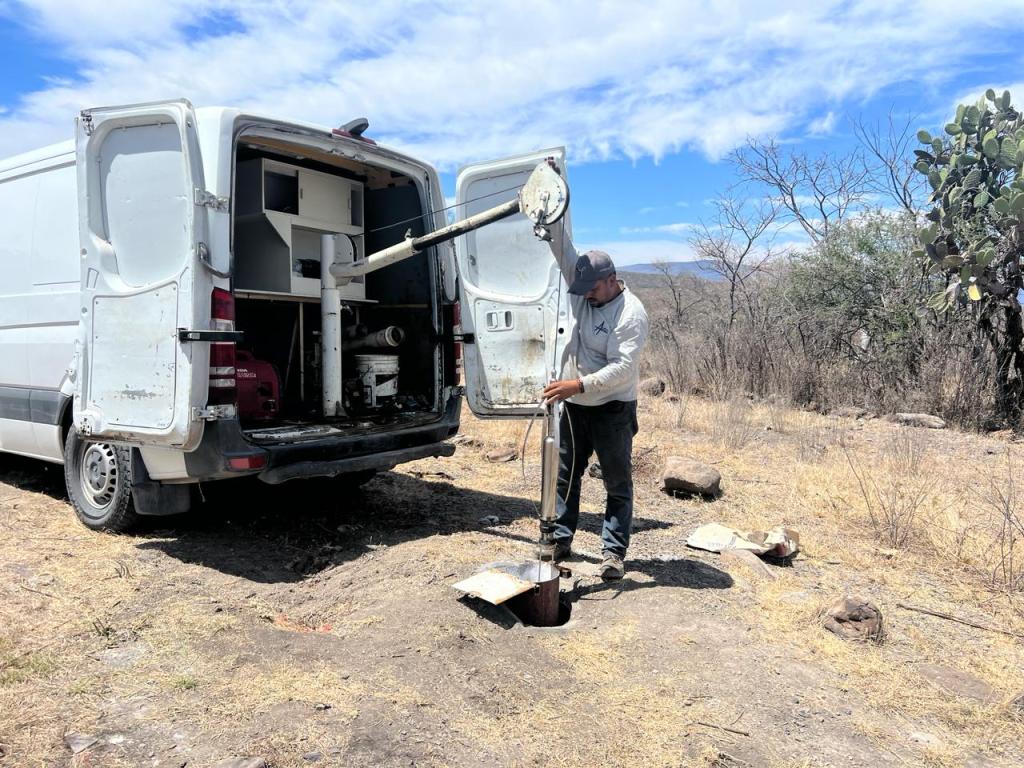
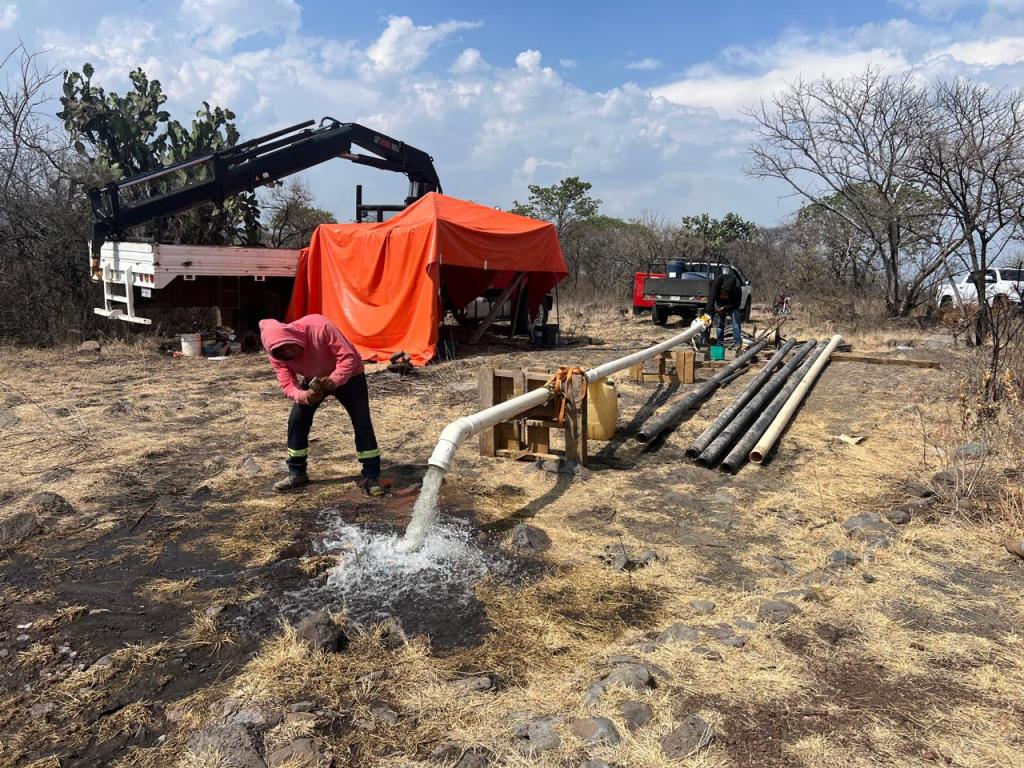
Finally, the last week of May, they arrived and immediately started setting up. This involved inserting tubes and connecting a pump. They would pump the water from the depths of the well over several days and determine how long it took for the groundwater to replenish itself. We originally were going for 48 hours, but ended up doing 36 hours with the approval of SMAPAM. After all, we were in a drought, and we didn’t want to be excessively wasteful. 

The water was not hot but lukewarm. The pozo dug last year at the intersection had issues with the temperature of the water. It came out too hot to use without mixing it with cooler water. Not this baby. 

The quantity of water was phenomenal. For the first 24 hours, it came out at around 13 liters per minute. After that, it remained at a steady 9 liters per minute. We needed only 1 liter per minute to cover the current residents’ needs, so we were all good there.

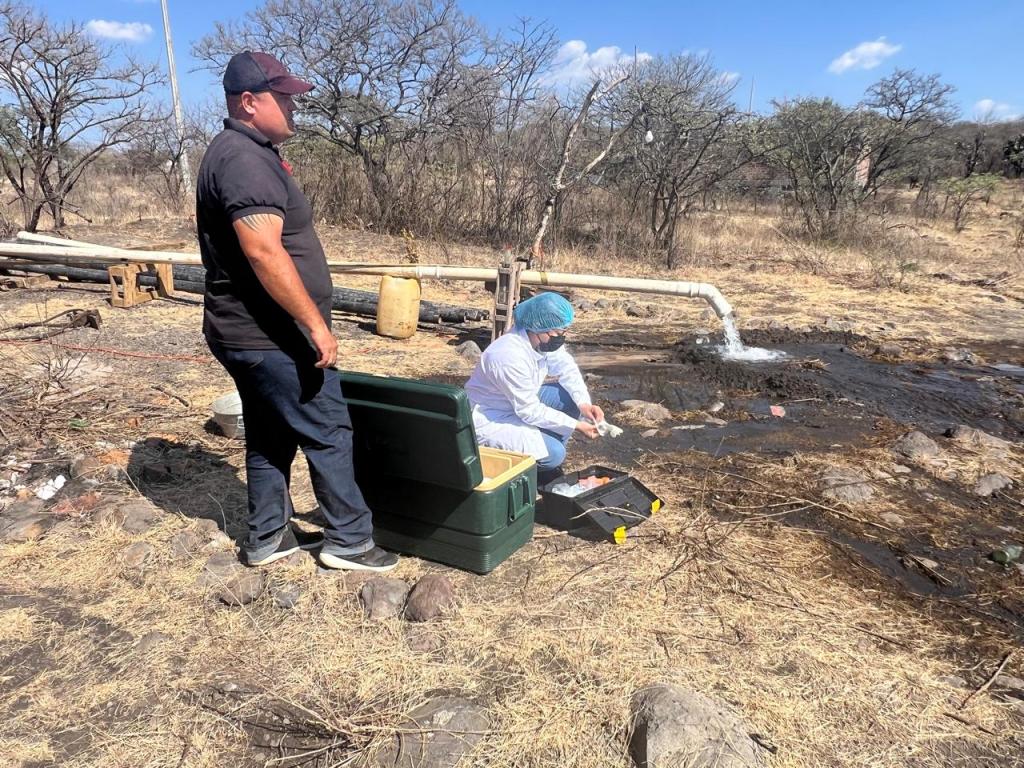
Mid-way through the aforo, the water analysis people came out to take samples. These were sent to the laboratory, and we’ll have the results in about 3 weeks. We have a lot depending on the favorable conclusion of this final study.  

While all these shenanigans were going on, CFE (Comisión Federal de Electricidad) paid a surprise visit to La Yacata and brought some totally expected but welcome news. More to come.

********

Not sure what’s going on? Get the backstory from La Yacata Revolution: How NOT to Buy a Piece of Heaven in Mexico.

5 Comments

Filed under Homesteading, La Yacata Revolution