Let There be Light – Part 3

With just days left before the contractor’s deadline, Super Prez received a summons from the CFE supervisor. He didn’t seem too worried about it, but I was a nervous wreck. I was just imagining that there would be some further delay or issue that would cause the entire thing to be canceled. 

When the supervisor and his posse did show up, it wasn’t nearly so dramatic, although some things needed clarified. Our original grant included 40 casas + 3 lots which would have muretes installed. The bajada (line connection), meter, and CFE contract were included. Not surprisingly, we’d exceeded that number. So, the meeting was to clarify that only 43 properties would have electricity installation. The additional 22 muretes that we were still scrambling to install, would not be included in this grant but could be added on. Super Prez said that they would be able to get their CFE contract at no cost with a letter from the association. Okie dokie!

We also asked about the houses that were just past the line CFE installed. The supervisor explained the procedure for requesting another grant and said it would take about 15 months for approval. He also said there was a way to apply for a small project, and he could fast-track it, and it could be done in 28 days. CFE would pay 70%, and we would pay 30%. My thoughts were we could do the fast-track mini-project at our cost and then apply for the remaining sections of La Yacata through the grant process so that these homes with people actually living in them could have electricity by the end of the year.

We also tried to get a firm end date for the current project by promising birria (goat). The supervisor wasn’t willing to give a day, but he did say that he would be back on Tuesday to install the meters and might have a better idea of the timeline. The holdup was that the main connection at the intersection would need to be a “live” connection, and that would require three different crews. 

He left his work crew in La Yacata and zoomed off. FINALLY, they arrived on our street. Our house and my son’s, sister-in-law’s, and father-in-law’s houses were given the “bajada” (line connection) and meters were installed. 

My son said he didn’t want to get too excited because there was STILL no electricity, and it was like a mirage. Just when you thought you’d reach the oasis, there it was, still in the distance. 

Tuesday came around, and the supervisor said he would be there at 10 am. Well, that came and went. Then he said he would be there by noon. Super Prez had an appointment in Morelia and couldn’t stick around, so that left lil’ol’ me. Half past noon, the supervisor arrived. I waddled my butt down to the first street with all the solicitudes for the 43 connections, and we were off.

The first road had four houses and a murete on a lot. The supervisor would take a picture of the meter and write down the numbers on the solicitud that corresponded to the location. Then, we would move on to the next one. 

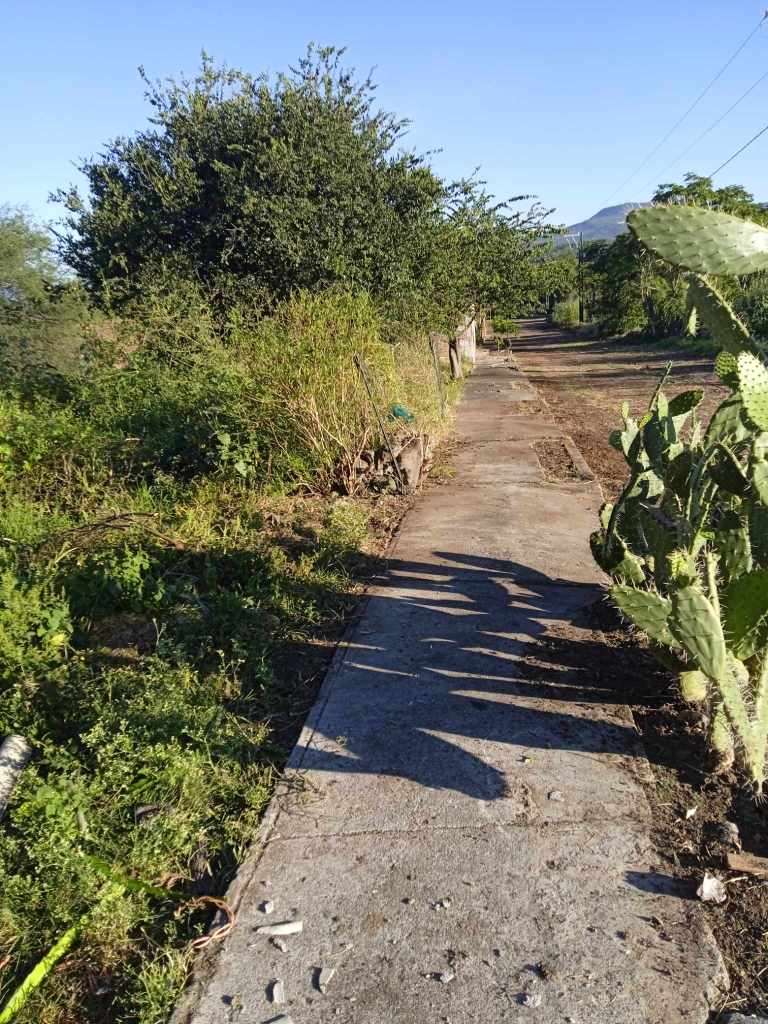
I did my best to entertain the guy by sharing tidbits about the owners and various animals we encountered on our trek. These stallions weren’t friendly, and it was best to walk far from them, but this stray dog was nice and just wanted some attention. This was the first house built in La Yacata, and the owner had waited almost 30 years to finish it. This house wasn’t well constructed and likely to collapse at any minute. These people have pigs right next to their bedroom and watch where you step. Yuck! This woman had tried several times to live out here but found it too difficult to do so with her kids and was renting. She was so excited to be getting electricity. Those two houses were just outside the line, and those two over there were owned by widows who were desperate to stop renting in town. Watch out for the next house; a furious chihuahua guards it. And so on and so forth… 

One murete had not been installed and still lay forlornly on the ground. I confirmed that without that one, there were 42 solicitudes, and I wasn’t sure when the murete hadn’t been set. The supervisor called the contractor and asked if all 43 meters had been installed. The contractor said yes until the supervisor asked specifically about the murete that hadn’t been installed, and the contractor had to backtrack and say, well, yes, there was one that hadn’t been done. The location of the meter was confirmed (in the contractor’s possession), and arrangements were made to get it done. 

It was a HOT two hours trudging around. My head hurt something fierce when we were done. The supervisor said that he’d be in contact on Friday to confirm the connection date and so we could schedule the convivio (community gathering). 

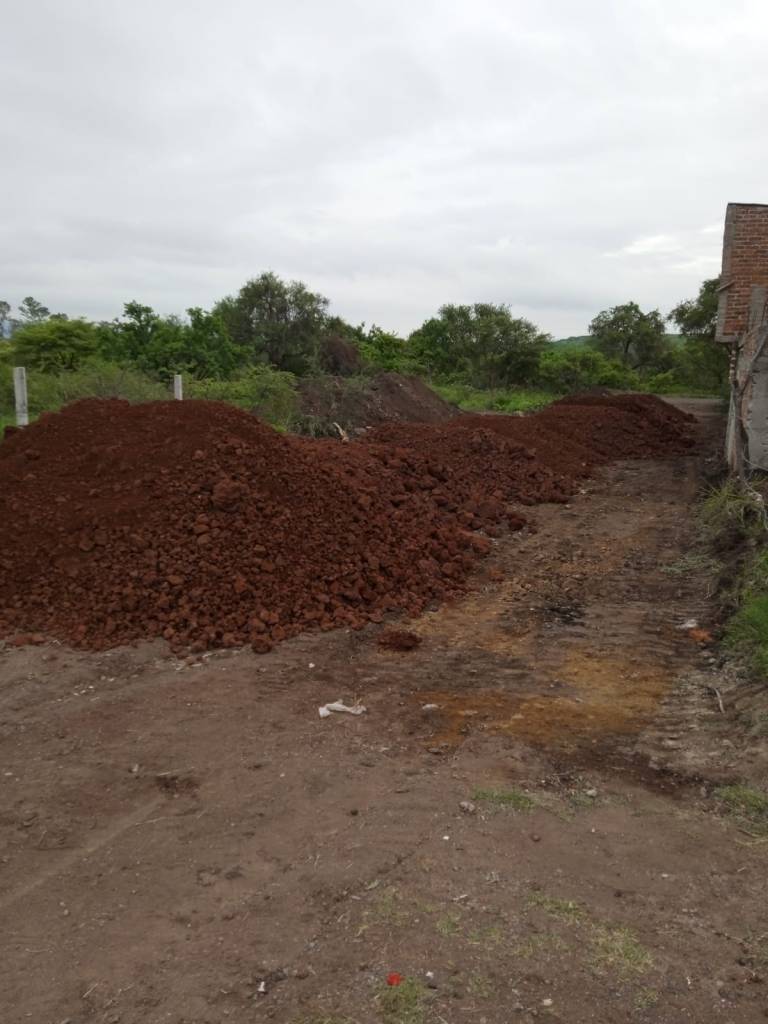
The next day, the contractor’s crew was out with the truck that had the winch. They came down to ask exactly where the murete was to be installed, and I trekked up the hill with them. There were several holes on the lot. It appeared the rocky soil made digging to the required depth difficult, and there were multiple excavations. I called and sent messages to Super Prez to see if he could shed some light on which hole was to be used. He didn’t answer–out of the area, I suspected. So I waved my hand generally to the pit closest to the main road and pronounced it good. That’s where the post was planted. 

The contractor’s crew then became scarce, although we had 15 more muretes to set. Super Prez was informed that these could be installed without cost, but another set of requirements would need to be met. 

***

Read about how it all began in La Yacata Revolution–now available on Amazon!

Leave a comment

Filed under Electricity issues

Let There be Light – Part 2

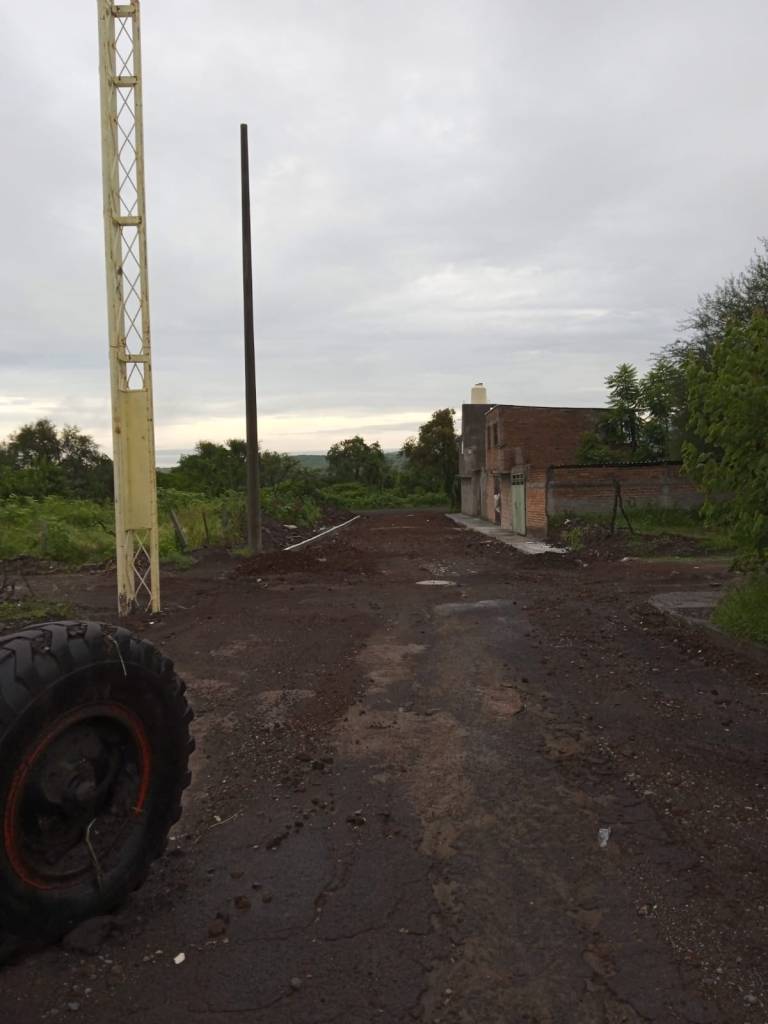
Months and months of slow-moving activity followed. Well, it was 120 days, but it felt like a terribly long time. Days would go by, and there would be no sign of the contractor’s workers or CFE. Then suddenly, there would be a flurry of activity and a small advance towards electricity, causing me to hope again—just to be brutally disappointed when no one would be out here working the following day. 

We also had such a hard time getting in contact with the contractor or his CFE supervisor to ask questions or express concerns. I say we, but for the most part, I let Super Prez do the phone calls. I don’t hear well, and then trying to convey myself in Spanish on the phone—whew, not my fav activity. 

Originally, the project covered a good section of La Yacata, although not the entire area. Two entire sections with houses where people were actually living were left out. The project gave us 40 house/construction connections, including the mufa (meter and pole combo) and 3 additional muretes (a base designed to be placed on lots without construction). So I started having people come and fill out the solicitud (application). Our only requirement was that the lot must be in good standing. That means it was properly registered with a registered ownership certificate, and the first-semester aportaciones (fees) were paid. These amounted to $3900, and we’d been requesting them since February.

The solicitud was short and wouldn’t have taken but 5 minutes per person if there weren’t so many “concerns” at each interaction that I needed to address. The first-semester aportaciones were due in July, and here it was September, and people were just now trickling in to make their payments because of their “concerns.” Mostly, they wanted to know what the money was spent on. Well, we had that taken care of. Not only was this information posted in the community Whats App and Facebook groups, but an illustrated poster was in the glass case that served as a community message board at my son’s house. Additionally, each lot had a printout at the end of July that detailed its standing when it comes to aportaciones and money yet owed. This document also had the breakdown of every single item we spent money on in the first semester, the total paid, and the amount due per lot. Some items were less than 2 pesos, while the derechos de agua (water rights) were $3000 per lot. 

Unfortunately, due to the poor literacy rate in La Yacata, a good portion of the colonos couldn’t read the lists. For those individuals, I would go through the printout, line by line, and explain what each item was for. Thus, each solicitud session lasted about 20 minutes. Then, many had to return with a copy of their IFE (voter’s registration card), a requirement for the solicitud. 

We ended up with 22 lots that wished for electricity connections and 37 fincas/casas, which exceeded the 40 + 3 total given to us by CFE. Super Prez spoke with the project’s coordinators, and they agreed to connect any lot with a murete and even help install muretes. However, that didn’t turn out to be completely true.

House with mufa & lot with murete

Many of the applicants were women whose men were in the US and not available to make their murete. My husband was hired for two; each one took a full day, and we were running out of time. A few more individuals were able to hire someone to get their murete up, but the vast majority weren’t able to. Super Prez decided that we would order some from a CFE-approved company and have them delivered. 

CFE worker installing one of the purchased muretes

The first order was for 12 muretes. I collected the money, gave a receipt, and went to the bank to deposit the cash upon delivery. Then there were others who wanted muretes and the second order was originally 5, but 2 backed out, so it was just 3. Again, I collected the money, gave a receipt, and went to the bank to pay for the delivery. 

We had all the muretes we needed, but now there was an issue of digging holes to accommodate and set the muretes. Super Prez had two guys already out daily in La Yacata clearing off the sidewalks (something that hadn’t been done in 20+ years). He switched their task to hole digging, and after just one afternoon, the guys quit. A few colonos had someone come out and dig their holes, but again, a lot of these wives and mothers weren’t able to do that. 

Now we were on a deadline. Things would NEED to be done before October 20 or the contractor would have to pay a fine. October 16 came and went, and there were still holes to be dug and muretes still to install. 

***

Read about the original La Yacata Revolution–now available on Amazon!

Leave a comment

Filed under Electricity issues

Natural Healing — Pega Ropa

Photo credit: Francisco Emilio Roldán Velasco

Mentzelia aspera is given the name pega ropa (sticks to clothes) and Mentzelia hispida, pegajilla (a little sticky), because they literally stick to any fabrics or fur that happen to brush against it, hitching a ride. In fact, bats have been known to become hopelessly entangled in the plant. This stick-to-it-ness led to its prescription for caída de matriz (displaced uterus) with the belief that something that sticky could keep that roving womb in place. 

Other names for both plants include pega-pega (it sticks, it sticks), pegoste (sticky), and pegajoso (clingy). Mentzelia hispida is known as tsayuntasy or tsots-k’ab in Maya and zazálic or zazale with a spelling variant sasele which mean “something sticky” in Nahuatl. Zazalic patli was a medicine made from the “sticky rods” given to women who had given birth either as an aid to expel the placenta or to help move the internal organs back into place. English names include blazing stars and stickleafs.

Not much research has been done on the medicinal value of the Mentzelia genus. There are approximately 95 varieties found worldwide. Twenty-five species of Mentzelia grow in Mexico. 

Photo credit: Francisco Emilio Roldán Velasco

Mentzelia aspera and Mentzelia hispida are often used interchangeably in traditional medicine. Pegajilla ashes are applied to the skin for pimples. Pega ropa pulverized root induces vomiting. An infusion made from the entire plant, except the roots, is given to relieve rheumatism and anemia and drunk as agua de uso (in place of water). 

For the condition, hervor de sangre, which, as close as I can figure, is an eruption of boils resulting from a skin infection or cancer, the plant is boiled, and the water is used for bathing the afflicted area. Mentzelia aspera has enhanced antiproliferative activity, and Mentzelia chilensis (native to Chile) is anti-inflammatory, supporting this traditional use. In the state of Guanajuato, pega ropa is given as an infusion to improve fertility, again with the idea that the baby will “stick” in the womb until full term. In Puebla, the same infusion is given to loosen the placenta during a difficult birth. Mentzelia infusions are prescribed for syphilis in Mexico, while in Oaxaca it is a gonorrhea remedy. It’s classified as a “cold” plant. Martín de la Cruz and Bernardino de Sahagún recorded that the Aztecs used this plant to treat urinary tract disease as well.

***

Interested in natural remedies? Uncover herbal remedies from traditional Mexican sources for healing and wellness in the Exploring Traditional Herbal Remedies in Mexico series.

Leave a comment

Filed under Native fauna and flora, Natural Healing