Tag Archives: traditional mexican herbal remedies

Natural Healing — Llantén

Photo credit: Robert Flogaus-Faust

Llantén (Plantago major) has many names in Mexico including llantén mayor, llantén de hoja ancha, lengua de carnero, orejas de burro, lengua de vaca, lantén, paletarea, plantén, anten, antena, chile de pato, and mucilago. Several sources also claimed that in Nahuatl this plant was known as acaxīlotl. However, this name actually refers to the root of the tolpatlacti, which is a reed and not the broadleaf plantain. The confusion I believe began from a description of acaxīlotl by Francisco Hernández de Toledo who stated that the leaves of the plant that the edible root is from are similar to llantén (plantain) but larger. 

Llantén grows wild in La Yacata and I had no idea it had any medicinal application until I started researching it. Traditionally, llantén is applied externally for headaches, wounds, burns, insect bites, cold sores, and eye inflammation. Boiled fresh leaves are applied as a healing poultice for wounds. Leaves added to rosewater (Rosa gallica) infusion make a cooling wash for irritated eyes. Leaves applied directly to the cold sore reduce inflammation. Fresh llantén and geranio (Pelargonium spp.) leaves are mashed, salted, and bound to the head to treat headaches. Plantago major has hematopoietic activity, is inhibitory against hyaluronidase and collagenase enzymes, anti-inflammatory, anti-ulcerative, anti-bacterial, and anti-nociceptive, making it appropriate for wound healing application.

The leaves are made into a diuretic tea, gargle for sore throat and mouth sores, and as a wash for vaginal irritation. Simmer ½ cup of leaves in two cups of water for this infusion. As a diuretic, drink a cup of tea made from two to four grams of dried leaves, three times a day. It has anti-bacterial and anti-viral properties as well as demonstrated effectiveness in the management of oral mucositis and a relaxant effect on the tracheal smooth muscles of the throat. Additionally, llantén is antigiardiasic and protects against kidney damage

Note: Llantén should not be used by individuals with heart conditions, those taking blood-thinning medication, or women who are pregnant or lactating. 

***

Curious about the effectiveness of Mexican herbal remedies? Delve into the science of plants for well-being by:

Exploring Traditional Herbal Remedies in Mexico.
Leave a comment

Filed under Health, Native fauna and flora, Natural Healing, Uncategorized

Natural Healing — Cola de Caballo

Photo credit: Allen Gathman Equisetum hyemale subsp. affine

The other day in the market, I noticed several bound herb packets including te de limon and manzanilla. The third mound was unfamiliar to me, so I asked about it. The woman selling them said it was cola de caballo and was for kidney disease. All righty then, time for another plant study!

Cola de caballo (Equisetum spp) is also known as equiseto, limpiaplata, cien nudillos, cola de rata, caña carricillo, and candalillo in Mexico. This plant is believed to have been part of the staple diet of herbivorous dinosaurs. There are about 30 species and subspecies in the Equisetaceae family, which reproduce by spores rather than seeds. At least three varieties, Equisetum hyemale subsp. affine, Equisetum laevigatum and Equisetum myriochaetum, are native to Mexico. 

Traditionally in Mexico, it’s used as a diuretic, for kidney stones, and bladder or urinary tract infections. It’s also used in treatments for gout, wounds, hair loss, conjunctivitis, cough, diabetes type 2, and to increase energy. The young shoots are eaten as a vegetable. It has a grassy flavor, as to be expected.

A tea made from romerillo (Viguiera linearis) and cola de caballo (Equisetum laevigatum) is prescribed in Chiapas, Durango, and Sonora to treat urinary disorders. In Oaxaca, a tea prepared with 4 teaspoons dried or 8 teaspoons fresh of leaves, flowers, stems, and roots (Equisetum hyemale subsp. affine) in 1 cup of boiling water is given for kidney stones. Allow the infusion to steep from 5-20 minutes. Strain and drink daily before meals. In Chiapas, Guerrero, and Oaxaca, cola de caballo (Equisetum myriochaetum) is combined with barba de maíz (Zea mays), corn silk, for treatment of kidney ailments. Seven to 12 grams of each ingredient is added to ½ liter of water and boiled for 15 minutes. Two cups are prescribed daily. Yet another kidney stone treatment calls for a decoction made from cola de caballo (Equisetum myriochaetum), nopal paddle (Opuntia ficus-indica), and gobernadora leaves (Larrea tridentata) prepared every morning and cooled by the morning dew for 40 days.

A wash for wounds consists of 200 grams (Equisetum myriochaetum) boiled for 30 minutes in 2 liters of water. Because cola de caballo has a high silicone content, it is believed that drinking a daily infusion will promote shiny hair and strong nails.

Research on Equisetum arvense, the most commonly studied variety, has been shown it to be anti-inflammatory, antibacterial, antioxidant, antidiabetic, anticancer, cardioprotective, and antimicrobial. This variety has also demonstrated the ability to increase bone mineral density supporting its use in treating wounds including its application to bone healing.

Equisetum myriochaetum also shows promising health applications. It has anti-tumor, anti-diabetic, antioxidative, and diuretic activity. Equisetum hyemale is antimicrobial, antifungal, and antiparasitic. It also lowers cholesterol. Most other species and subspecies have not been examined thoroughly, but undoubtedly will have similar properties.

Note: Individuals with low potassium levels should not use remedies with cola de caballo.

***

Interested in health? Learn traditional Mexican plant remedies used today for wellness with

Exploring Traditional Herbal Remedies Volume 1 & 2.

1 Comment

Filed under Health, Native fauna and flora, Natural Healing

Natural Healing — Flor de Tila

Flor de tila (Ternstroemia lineata)

Originally, I was under the impression that the flor de tila that was a staple ingredient in my favorite relaxing tea blend was from the Mexican linden tree. After all, several herb books I own that focus on Mexican herbs use the terms linden and tila interchangeably. However, doing just a little more research, I found that flor de tila is NOT any species in the family Malvacaea at all. Rather it belongs to the Pentaphylacaceae family and all my research on this beneficial herb went out the window since I had been searching for the wrong plant. What is more likely is that the correct term in Mexico is flor de tilia (not tila) or flor de tilo when referring to the blossoms of the linden tree in the genus Tilia. 

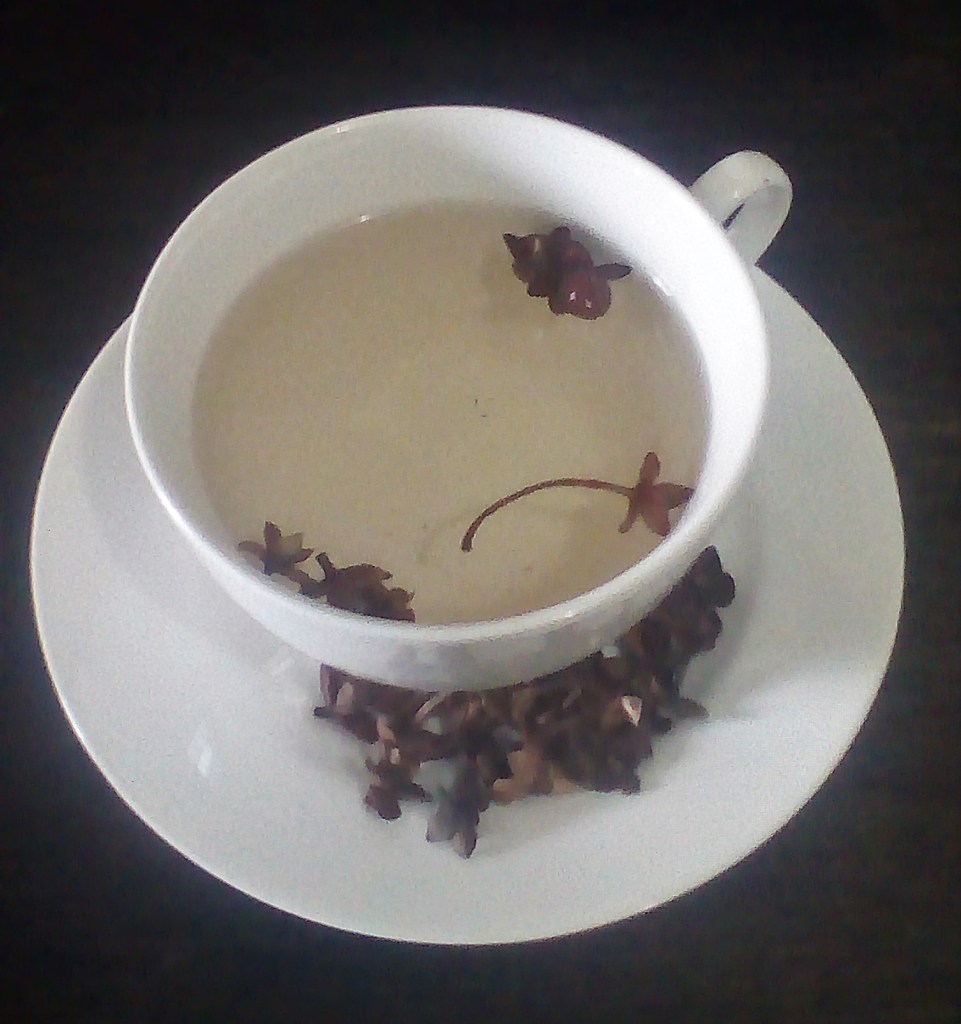
As you can see from the picture, Flor de tila (Ternstroemia lineata) dries much darker than linden flowers. The flower structure is also very different. Linden trees are much larger than the Ternstroemia lineata, which tends to only grow to about 20 feet. 

Flor de tila (Ternstroemia lineata) is native to areas of higher altitudes in central Mexico. It is also known as ucharillo and charapit uku in Purépecha. The wood is used to make certain guitar components. This plant is used in traditional Mexican remedies for insomnia, menstrual cramps, and headaches. It is also used as a digestive aid, sedative, and for bronchitis. 

There have been no studies done on the medicinal properties of Ternstroemia lineata. In fact, until recently, this species was classified as Ternstroemia pringlei, also known as flor de tila. A few studies have been done on Ternstroemia pringlei showing it has a sedative effect supporting its use for insomnia treatment. Leaf extracts from the plant are effective against liver flukes and the leaf, petal, fruit and seed are antioxidant.

I did find a few concoctions in my little herb books that use Ternstroemia lineata and not linden but because of the error in identification, I had to discount many of the remedies both online and from the books in my library.

Flor de tila (Ternstroemia lineata)

Flor de Tila Headache Tea

Boil ½ liter of water.

Add:

  • 2 to 4 grams of flor de tila (Ternstroemia lineata)
  • To make a sleep aid tea, add 10 grams of bitter orange leaves (Citrus × aurantium).
  • To make a cough tea, add 5 grams of (starflower)(borrajo officinalis).

Flor de Tila Heart Palpitation Tea

Drink daily before meals

Boil ¾ liter water.

Add:

  • 5 matarique branches (Psacalium decompositum)(Desert Indian brush)
  • 20 flores de tila (Ternstroemia lineata)(Tila flowers)
  • 2 pinches of sauco (Sambucus)(elder flowers)
  • 2 flores de manitas (Chiranthodendron pentadactylon)(Hand Flower Tree flowers)
  • 1 branch of alfalfa (Medicago sativa)
  • 2 pieces of valeriana roja (Centranthus ruber)(red valerian)

***

Interested in natural remedies? Uncover herbal remedies from traditional Mexican sources for healing and wellness in the Exploring Traditional Herbal Remedies in Mexico series.

Leave a comment

Filed under Health, Native fauna and flora, Natural Healing