
Tag Archives: natural healing

Natural Healing — Huaútli

Photo credit: Kurt Stüber

Did you know that May is National Amaranth month? And did you know that amaranth is a native Mexican plant with oodles of health benefits?

Let’s dive into the history a bit. The Amaranthus species has three varieties cultivated as a grain. These are Amaranthus cruentus (Blood amaranth), Amaranthus hypochondriacus (Prince’s feather), and Amaranthus caudatus (Loves-lies-bleeding). The first two are native Mexican plants while Amaranthus caudatus was originally native to Peru.

Amaranthus cruentus is huauhtli in Nahuatl and known by that term’s variation huaútli throughout Mexico. In Maya, it is xtes or tez, alparie in Purépecha, guegui in the language of the Raramuri, xidha in Otomí and wa’ve in Huichol. Other names for varieties of this plant include quelite, bledo, and quintonil all of which are also used to identify plants in unrelated species, making them problematic for identification purposes. Amaranto is another moniker gaining popularity.

The importance this grain once held in the prehispanic is seen by the number of names in Nahuatl for specific varieties. Black amaranth was tlilhuauhtli. Xochihuauhtli was yellow amaranth. Wild amaranth was tezca huauhtli. Another type of amaranth was michihuauhtli. And texouauhtli was the word for blue amaranth. This language precision was natural considering approximately 80 percent of the prehispanic indigenous diet was made up of this grain. Huaútli was cooked, popped, or ground into flour. It was used for atole, tamales, and tortillas. The tender leaves were boiled as a vegetable.

Discoveries of this grain in the kitchens and places of worship at an excavation site in Tepetitlán, an area near Tula, further demonstrate its importance. Tula is not an area where maize thrives because of altitude, frost layer, and poor soil quality. Instead, huaútli was the main crop for the area, especially valued during drought periods as it could be stored in clay pots for long periods of time without rotting. 

According to the Mendoza Codex, newborn babies were bathed with leaf infusions. Amaranth paste was used to make symbolic objects presented to a new baby to help identify its place in society, such as a bow and arrow for a hunter, a scribe’s utensils for the priesthood, and so on. 

Amaranto seeds formed into a ball with agave honey called tzoalli was a common travel food. Mixed with blood it was an offering to the gods. Warriors ate it to increase their strength. Today, this recipe is known as alegrías (joys) and is found in traditional sweet selections throughout the country and during the Día de Muertos festivities molded into skulls. 

Tzoalli was vilified by Spanish priests after witnessing the festivities of the Aztec god Huitzilopochtli, the principal deity of war, sun and human sacrifice, and the patron of the city of Tenochtitlan, which was celebrated in what is now December. Among processions, dancing, singing, praying, and human sacrifice, a representation of the god was formed from tzoalli. At the conclusion of the holiday, this was cut into small pieces and celebrants partook of a piece in a communal ceremony known as “the eating of the gods.” The Catholic Church outlawed the cultivation of huaútli, punishing anyone who planted it by cutting off their hands and anyone who ate it with death. 

Amaranthus is an extremely adaptable crop, heat/drought-resistant, with no major disease issues, and easy to grow. It is full of iron, calcium, phosphorous, folic acid, manganese, selenium, magnesium, vitamin A, vitamin C. 

It has a higher protein concentration than most other cereal grains and is considered a preventative food source for cardiovascular disease, cancer, and diabetes. Infant formulas made with Amaranthus cruentus are nutritionally rich. Made into flour, it is a tasty alternative to wheat products

In addition to nutritional and spiritual elements, huaútli has medicinal value. A tea infusion made from the flowers is prescribed as a daily heart tonic. Studies have demonstrated its anti-hypertensive and antioxidant properties. It is also antifungal and anti-inflammatory

Traditionally, a tea infusion made from the leaves is prescribed for diarrhea and stomach pain. For chest and back pain, the infusion is made from the flowers. For menstrual pain, the flowers are boiled in chicken broth. Leaf poultices are applied for cold sores and skin infections.

Alegrías

  • ⅛ cup of water
  • 1 cone of piloncillo (brown sugar)
  • ¼ cup of honey 
  • ½  limón juice
  • 1 cup + 3 tablespoons of amaranth seeds
  • 1 cup of a variety of seeds, nuts, and dried fruit (optional)

In a skillet over medium heat, toast the amaranth seeds until they puff up and are evenly browned, about 10 minutes. If adding nuts or pumpkins seeds, add them to the amaranth and toast briefly.

In another pot, combine the water and piloncillo. Stir over low heat until the piloncillo dissolves. Add the honey and mix again. Then add the limón juice and simmer for 15 minutes. Remove from heat and allow to cool for about 10 minutes. If adding dried fruit, do so now. 

Pour the liquid mixture over the toasted seeds and mix thoroughly. Spread the combined ingredients in a pan lined with wax paper. Allow it to set for 2 hours. Cut into bars or use shaped cookie cutters.

***

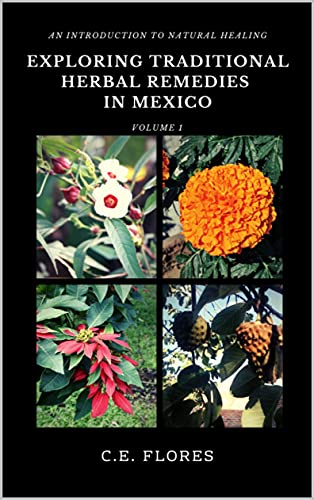
Interested in natural remedies? Uncover herbal remedies from traditional Mexican sources for healing and wellness in the Exploring Traditional Herbal Remedies in Mexico series.
Leave a comment

Filed under Health, Homesteading, Native fauna and flora, Natural Healing

Natural Healing — Mejorana

Photo credit: Sten

Mejorana’s medicinal properties were brought to my attention when Chencha, the local curandera, prescribed me an infusion with equal parts romero (Salvia rosmarinus), mejorana, and tomillo (Thymus vulgaris) for my upset stomach after I missed a limpia (cleansing) session. These herbs should be boiled in 1 liter of water. Strain and add the juice from one limón (Citrus aurantiifolia) and a teaspoon of honey. It has an extremely herby taste however it proved to be quite effective.

So down the rabbit hole of research, I went. Mejorana (Sweet marjoram) has two botanical names that are considered synonymous, majorana hortensis and origanum majorana. In Mexico, it’s often prescribed for digestive problems, menstrual cramps, and diabetes. It should not be used in large doses during pregnancy because it has hormonal-altering components. 

This herb is a Mediterranean native and was brought to Mexico with the Spanish conquerors. It is similar to oregano in flavor but slightly sweeter hence the name ‘Sweet Marjoram.’

Studies have shown that mejorana is antibacterial, antifungal, antioxidant, antiparastitic, antidiabetic, anticancer, anti-inflammatory. It has both liver and kidney protective properties. It naturally reduces the sensation of pain and fever and is effective in the treatment of acute infectious diarrhea. Other studies have demonstrated mejorana is cardio and gastroprotective. Additionally, mejorana works to restore hormonal balance and has antidepressant-like properties.

For digestive issues, drink 2 cups a day of an infusion made from fresh cuttings. Use 1 finger-sized sprig for each cup. If using dried mejorana, use one tablespoon for each cup of water. For headaches, dip a cloth into the infusion and cover the eyes with it.

***

Interested in discovering a path to wellness through traditional medicine? Discover Mexican herbalism with common remedies used today in the Exploring Traditional Herbal Remedies in Mexico series.

Leave a comment

Filed under Health

2021 Limpia–bad mojo be gone

I don’t know about you, but 2021 brought with it a lot of bad energy and sorrow. My mom died in May. My uncle, her youngest brother, died in November. People that I love have been ill and have yet to recover. The uncertainty of what might be open and what remained closed and whether it would be better to avoid holiday social gatherings brought more stress. The rising cost of living. Employment uncertainty. I could go on, but you get the gist.

With all of this, my sister-in-law decided that it would be fortuitous to visit Chencha, the curandera again. We haven’t been there in years. In fact, Chencha did not receive any visitors for over a year when she was recovering from COVID and in mourning for her husband that died of the same illness. But since she was up and about again, a spry 70-year-old, my sister-in-law made an appointment for us.

We were the only visitors in the waiting room at each visit. We all wore masks and took proper sanitary precautions. And so here’s how the limpias went.

Both my sister-in-law and I had her read the cards for us first. Our readings were very similar, the main difference being that T. would be introduced to a man from the U.S. shortly and have a whirlwind romance. No romance in my future. However, all the projects I have in mind will work out to my benefit, which was mostly my concern. I tend to overdo it when it comes to future plans. 

Then it was time for the limpia, cleansing. I called my husband in and had him go first. He wasn’t expecting that. He didn’t want his cards read either. Said he didn’t want to know. Anyway, Chencha started her prayers and all of a sudden burped so loud I imagine people in the street could hear it. She stopped a moment and said that my husband “andas bien fregado” (in bad shape). I have to agree with her there. She started again with the egg and rue branch movement and upped the intensity of her prayer. 

When she finished and went to crack the egg that had passed over and around my husband’s body, there was some sort of black figure in the yolk. She said it looked like a person in a wheelchair. Her interpretation of that was that someone was seeking to harm him. Their intentions were that he’d end up unable to get around, an invalid. She gave him a candle, a blessed Jesus card, and a bottle of Chloro-feel, mint-flavored. This beverage contained sodium copper chlorophyllin (a digestive aid), methylparaben (a preservative), mint, and propylparaben (an anti-fungal and anti-microbial compound). He was to drink a shot of it 2-3 times a day. He did and it certainly cleaned out his intestines. 

T. and I had a bit of salado (saltiness) in our egg. This is thought to be due to people’s jealousies and their petty actions caused by that. I’m never too chuffed about what other people think of me. T., on the other hand, was all in a dither. Since none of us had clear yolks, we went back a second time. 

The second visit resulted in a nearly clear egg for me, a cloudy one for T. and an extremely cloudy, but no black figure for my husband. Chencha also gave T and me plants. She said these were called La Flor del Espiritu Santo (Holy Spirit Flower) because the flower looked like a dove. There are a variety of colors, but ours were orange/yellow. She said these would bring money into our place of business if we planted them there. Since T and I both work out of our homes, we planted them there. For plant lovers, this plant is Epidendrum radicans Pav. ex Lindl., which is a type of wild orchid. 

I didn’t go to the third session. I developed a rapid onset stomach flu or something and stayed in bed. My husband and T. went and had their limpias. T. was nearly better, but could stand for one more session. My husband was still in bad shape. 

Chencha sent a remedy home for me with my husband. She told him (and even wrote it down) to make a tea with equal parts romero, mejorano, and tomillo. Boil them in 1 liter of water. Then strain and serve. Add one tablespoon of honey and the juice from one limón. 

I had all of those ingredients on hand and my tea was soon prepared. I drank two cups before bed. By morning my fever was gone and my stomach was improved. YEAH! 

So, in all, I can’t say the three of us were rid of the bad 2021 mojo completely according to the egg thingy. It looks like we’ll be carrying some of it forward into 2022. Well, I guess we’ll have to see how it goes then. Onward!

3 Comments

Filed under Health, Natural Healing