Tag Archives: herbal remedies

The Mexican Apothecary

As we head into cold and flu season, I’m redoubling my efforts at staying healthy. I’m eating oodles of mandarinas that have arrived fresh off the tree at the fruteria. I’ve upped my intake of vitamins, including C & D. And I’ve incorporated even more garlic into my meals. These few things coupled with sensible social distancing and hand washing, well, here’s hoping for an illness-free holiday season. 

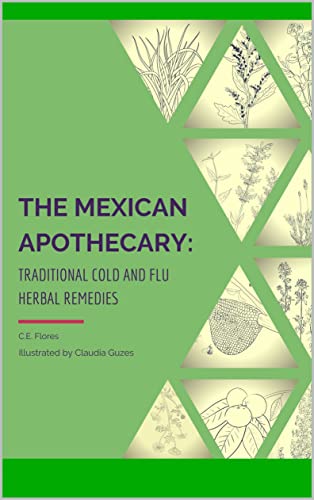
Along those lines, I’m also delighted to announce the publication of The Mexican Apothecary: Traditional Cold and Flu Herbal Remedies, now available on Amazon. In this beautifully illustrated book (with drawings by Claudia Guzes), you’ll discover information about more than 70 cold and flu remedies commonly used in Mexico including traditional treatments for:

  • Cough
  • Stuffy noses and congestion 
  • Headaches 
  • Sore eyes and earaches
  • Nausea and diarrhea
  • Sore throat and cold sores

There are also 44 plant studies with well-researched scientific support for each herb’s specific use as traditional alternative medicine.

Recently, I chatted with Roxana Bangura from the Bangura Chronicles about the validity of herb use for wellness and we talked about my book. You can check out that conversation here:

Mexican Traditional Herbal Remedies with Author C.E. Flores

If you are interested in downloading the Bugambilia Cough Remedy information I talk about with Roxana, you can do that below.

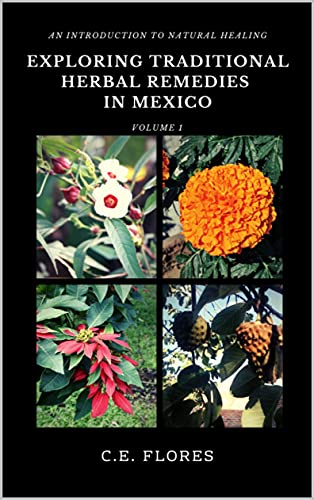
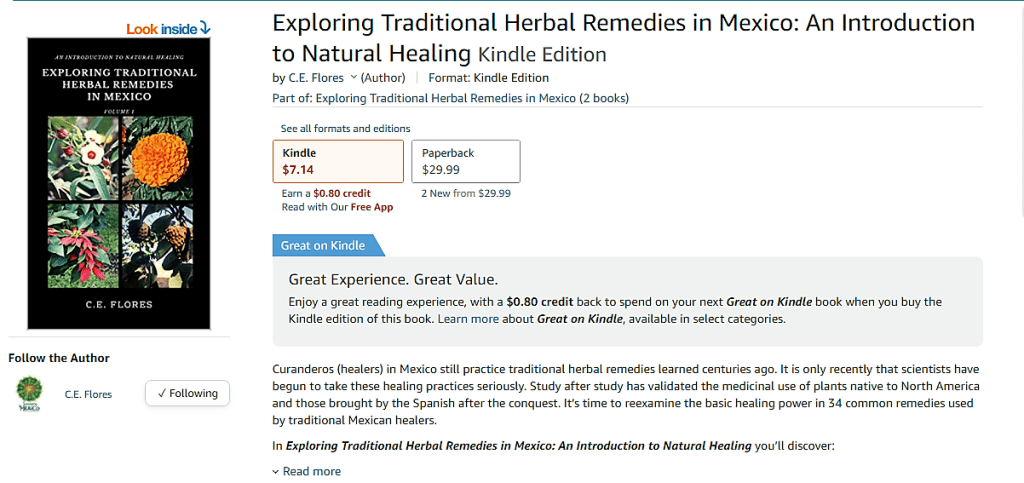
In other herb news, my book, Exploring Traditional Herbal Remedies in Mexico: An Introduction to Natural Healing was inducted into the Great On Kindle Program. When you buy the kindle version of this book, you get credit towards another book purchase from the Great On Kindle Program. It’s quite an honor for little ol’ me. 

Any of these herb books would make great gifts, for yourself or another health-minded loved one!

Leave a comment

Filed under Health

Natural Healing — Flor de Tila

Flor de tila (Ternstroemia lineata)

Originally, I was under the impression that the flor de tila that was a staple ingredient in my favorite relaxing tea blend was from the Mexican linden tree. After all, several herb books I own that focus on Mexican herbs use the terms linden and tila interchangeably. However, doing just a little more research, I found that flor de tila is NOT any species in the family Malvacaea at all. Rather it belongs to the Pentaphylacaceae family and all my research on this beneficial herb went out the window since I had been searching for the wrong plant. What is more likely is that the correct term in Mexico is flor de tilia (not tila) or flor de tilo when referring to the blossoms of the linden tree in the genus Tilia. 

As you can see from the picture, Flor de tila (Ternstroemia lineata) dries much darker than linden flowers. The flower structure is also very different. Linden trees are much larger than the Ternstroemia lineata, which tends to only grow to about 20 feet. 

Flor de tila (Ternstroemia lineata) is native to areas of higher altitudes in central Mexico. It is also known as ucharillo and charapit uku in Purépecha. The wood is used to make certain guitar components. This plant is used in traditional Mexican remedies for insomnia, menstrual cramps, and headaches. It is also used as a digestive aid, sedative, and for bronchitis. 

There have been no studies done on the medicinal properties of Ternstroemia lineata. In fact, until recently, this species was classified as Ternstroemia pringlei, also known as flor de tila. A few studies have been done on Ternstroemia pringlei showing it has a sedative effect supporting its use for insomnia treatment. Leaf extracts from the plant are effective against liver flukes and the leaf, petal, fruit and seed are antioxidant.

I did find a few concoctions in my little herb books that use Ternstroemia lineata and not linden but because of the error in identification, I had to discount many of the remedies both online and from the books in my library.

Flor de tila (Ternstroemia lineata)

Flor de Tila Headache Tea

Boil ½ liter of water.

Add:

  • 2 to 4 grams of flor de tila (Ternstroemia lineata)
  • To make a sleep aid tea, add 10 grams of bitter orange leaves (Citrus × aurantium).
  • To make a cough tea, add 5 grams of (starflower)(borrajo officinalis).

Flor de Tila Heart Palpitation Tea

Drink daily before meals

Boil ¾ liter water.

Add:

  • 5 matarique branches (Psacalium decompositum)(Desert Indian brush)
  • 20 flores de tila (Ternstroemia lineata)(Tila flowers)
  • 2 pinches of sauco (Sambucus)(elder flowers)
  • 2 flores de manitas (Chiranthodendron pentadactylon)(Hand Flower Tree flowers)
  • 1 branch of alfalfa (Medicago sativa)
  • 2 pieces of valeriana roja (Centranthus ruber)(red valerian)

***

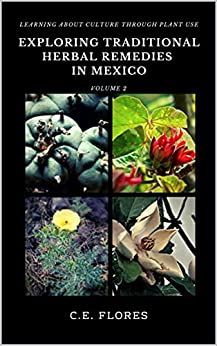
Interested in natural remedies? Uncover herbal remedies from traditional Mexican sources for healing and wellness in the Exploring Traditional Herbal Remedies in Mexico series.

Leave a comment

Filed under Health, Native fauna and flora, Natural Healing

Natural Healing–Zapote Blanco

Zapote blanco (Casimiroa edulis) Photo credit Daderot.

Zapote blanco (Casimiroa edulis) is a tree native to Mexico and Central America. In Nahuatl, it is known as cochizapotl, cochiz-xihuitl or Iztactzopotl which translate as sleep fruit. In Maya, it is called yuy. Other names in Spanish are matasano sapote, sapotilla, chapote, and zapote dormilón.

The tree bears a sweet fruit with a soft seedy white inside and green skin similar in appearance to an apple. Traditionally, the leaves are used as a sedative to treat nervous disorders and insomnia and to lower blood pressure. Studies have shown that the leaves and seeds are anti-hypertensive, supporting their use in the treatment of high blood pressure. This plant has also been determined to have anti-anxiety and sedative effects. It’s one of the ingredients in my favorite “relaxante” tea.

The leaves and fruit are also used to reduce rheumatoid arthritis pain and empacho (stomach upset). Francisco Hernández de Toledo mentions in the Florentine Codex that zapote blanco was used to treat diarrhea in infants and calmed children’s upset stomachs caused by excess gas. The seeds have hypnotic and aphrodisiac effects. The leaves are applied as a poultice for wound treatment. Powder made from ground seeds is used to treat skin infections. 

The fruit has been shown to possess antioxidant, anti-inflammatory, and antitumor properties. Infusions made from the leaves work well as an anti-depressant. Leaf extracts from the zapote blanco are anti-cancer in nature, inhibit HIV-1 reverse transcriptase, and are potentially anti-epileptic

Zapote blanco leaves are also used in a cleansing wash for women post-delivery in some areas of Mexico. The leaves are combined with romero (rosemary) and pirul (Schinus molle) and the woman bathes using the infused water for 3 or 4 days after giving birth. Another purification treatment involves brushing a bundle of leaves still attached to the stems across the body of a person who wishes to be cleansed in the temazcal (steam bath).

The leaves are cooked and ingested as a vegetable to treat diabetes in some areas. The Otomí ingest cooked leaves as a treatment for anemia, called el iztaquiotl.

Leaves added to a warm bath used to to treat body pain and fever. For arthritis pain, the branches, leaves, and seeds are made into an infusion. The root from the zapote blanco tree is used as an effective wash to treat gonorrhea in Guatemala. Zapote blanco should not be used during pregnancy as it can cause uterine contractions.

Zapote Leaf Insomnia Tea

  • 10-20 leaves from Zapote blanco (Casimiroa edulis)

Boil in ½ liter of water. Strain. Drink one cup an hour or two before bed after the last meal of the day.

Zapote Leaf Blood Pressure Decoction

  • 25 Zapote blanco leaves (Casimiroa edulis)
  • 15 chayote leaves (Sechium edule)

Boil 10 minutes in 1 liter of water. Strain and sweeten with honey.

****

Interested in natural remedies? Uncover herbal remedies from traditional Mexican sources for healing and wellness in the Exploring Traditional Herbal Remedies in Mexico series.

Leave a comment

Filed under Health, Native fauna and flora, Natural Healing