
The plant quesitos (Malva spp.) “little cheeses” gets its name from shape of the plant’s fruit. My husband has pointed this plant out on several of our wildflower explorations, being consistant about reminding me that it was edible (although not very tasty in my opinion). He also never fails to mention that his 5 sisters would harvest the plant’s quesitos for their dolls.
The term malva is also used in our area but reserved for the more ornamental versions of this species. Other names in Mexico include malva de quesitos, malva de Castilla, ahala, malba, malva alboheza, malva verde, violeta de cuchi, hierba quesera, quesillos en Veracruz, juriata eranchi and juriaterango in Purépecha, du-ene in Mazahua, alahuacciopatli in Nahuatl, and baldag malv in Zapotec.
Traditionally, malva is used as a digestive aid and wound wash. An infusion made from the leaves is prescribed for kidney problems. Fresh, crushed leaves are applied to bruises to reduce inflammation. The leaves are boiled as a vegetable and the “quesitos” are eaten as well. Its seeds are included in poultry feed.
There are at least 240 genera and more than 4,200 species in this classification. Only a handful have been studied thoroughly. Malva has been used as a food source and medicine for thousands of years. The origin of this species is uncertain, although some experts suggest that perhaps the Malvaceae family came from the Mediterranean area.
In general, Malva plants have diuretic, anti-diarrheal, and laxative properties. They possess moderate antimicrobial activity, high anti-inflammatory and wound healing properties, and strong anti-oxidant and anti-cancer properties.
Malva parviflora (cheeseweed) is the most commonly found variety of malva found in Mexico. Malva parviflora is anti-inflammatory and improves cognitive deficit that results from Alzheimer’s disease. The leaves inhibit insulin resistance and lower cholesterol levels. It is also an effective tuberculosis treatment.
In Puebla, malva parviflora root is made into an infusion for dysentery. In other areas, the leaves are applied topically or a leaf infusion is administered to treat rheumatoid arthritis. In Chiapas, a foot bath for swollen feet is made from the leaves. Children with a fever are bathed in water that contains malva leaves and flowers in many areas of Mexico. Its also used in remedies for diarrhea, cruda (hangover), empacho (indigestion), TB, colds, sore throat, cough, bronchitis, and cavities. Crushed leaves are applied topically for wounds, cuts, animal stings, headaches, and mouth sores. A cold compress is made by boiling one entire plant in a liter of water then allowing it to cool completely. The herb is wrapped in a cloth and applied to the affected part. The cloth is rewet every 10 minutes for half an hour. An infusion is made as an eyewash.
Malva de Quesitos Sore Throat Tea
- 4 teaspoons of dried or 8 teaspoons of fresh malva de quesitos including leaves, flowers, stems, and roots (Malva parviflora)
Add the herb to a cup of boiling water. Steep for 5 – 20 minutes. Strain. Allow it to cool for 15 minutes more. Drink 3 cups a day.
The roots and leaves of malva rotundifolia, known as malvón, are used in a bath to lower fever in Mexico and Guerrero states. The dried or fresh flowers are boiled for an infusion drank lukewarm before breakfast and before bed for headache, joint pain, and stomach ailments. The roots and leaves are made into a decoction for a stomach cleanse.
Malva neglecta (L.) Wall., malva de quesitos, is often used as a digestive aid in instances of empacho (indigestion) or coraje (anger sickness). It’s also prescribed for urinary infections and fever. This plant has considerable antioxidant and wound healing properties.
Malva verticillata L. var. crispa is a common food item served raw in salads or cooked as a vegetable. It is a rich source of antioxidants.
Malva sylvestris, known as malva de campo or malva silvestre, is mostly used as an internal or external anti-inflammatory agent in Mexico. It is also an ingredient in treatments for chickenpox and after-birth expellant. Used as a tea infusion, it’s given to reduce the intensity of cough, bronchitis, and asthma and as a digestive aid. Malva sylvestris has antioxidant, anti-inflammatory, antimicrobial, antibacterial, and renal-protective properties. The flowers are analgesic and anti-inflammatory. The leaves are anti-cancer, anti-ulcerogenic, and encourage the formation of skin tissue. It is also neuroprotective and shows promise as a food source that reduces brain inflammation associated with depression and mild traumatic brain injury.
Malva de Campo Diuretic Infusion
- One part cola de caballo (Equisetum myriochaetum)
- One part barbas del maíz (Zea mays) cornsilk
- One part malva de campo (Malva sylvestris)
- One part perejil (Petroselinum crispum)
Combine herbs in equal parts. Pour a cup of boiling water over a rounded teaspoon of the mixture. Steep for 10 minutes. Strain. Drink in the morning before breakfast.
***
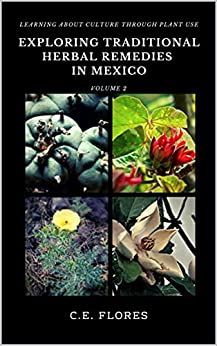
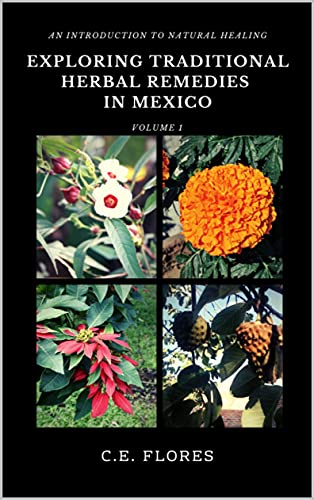
Interested in discovering a path to wellness through traditional medicine? Discover Mexican herbalism with common remedies used today with the series Exploring Traditional Herbal Remedies in Mexico.