
Tag Archives: herbal remedies

Natural Healing–Zapote Blanco

Zapote blanco (Casimiroa edulis) Photo credit Daderot.

Zapote blanco (Casimiroa edulis) is a tree native to Mexico and Central America. In Nahuatl, it is known as cochizapotl, cochiz-xihuitl or Iztactzopotl which translate as sleep fruit. In Maya, it is called yuy. Other names in Spanish are matasano sapote, sapotilla, chapote, and zapote dormilón.

The tree bears a sweet fruit with a soft seedy white inside and green skin similar in appearance to an apple. Traditionally, the leaves are used as a sedative to treat nervous disorders and insomnia and to lower blood pressure. Studies have shown that the leaves and seeds are anti-hypertensive, supporting their use in the treatment of high blood pressure. This plant has also been determined to have anti-anxiety and sedative effects. It’s one of the ingredients in my favorite “relaxante” tea.

The leaves and fruit are also used to reduce rheumatoid arthritis pain and empacho (stomach upset). Francisco Hernández de Toledo mentions in the Florentine Codex that zapote blanco was used to treat diarrhea in infants and calmed children’s upset stomachs caused by excess gas. The seeds have hypnotic and aphrodisiac effects. The leaves are applied as a poultice for wound treatment. Powder made from ground seeds is used to treat skin infections. 

The fruit has been shown to possess antioxidant, anti-inflammatory, and antitumor properties. Infusions made from the leaves work well as an anti-depressant. Leaf extracts from the zapote blanco are anti-cancer in nature, inhibit HIV-1 reverse transcriptase, and are potentially anti-epileptic

Zapote blanco leaves are also used in a cleansing wash for women post-delivery in some areas of Mexico. The leaves are combined with romero (rosemary) and pirul (Schinus molle) and the woman bathes using the infused water for 3 or 4 days after giving birth. Another purification treatment involves brushing a bundle of leaves still attached to the stems across the body of a person who wishes to be cleansed in the temazcal (steam bath).

The leaves are cooked and ingested as a vegetable to treat diabetes in some areas. The Otomí ingest cooked leaves as a treatment for anemia, called el iztaquiotl.

Leaves added to a warm bath used to to treat body pain and fever. For arthritis pain, the branches, leaves, and seeds are made into an infusion. The root from the zapote blanco tree is used as an effective wash to treat gonorrhea in Guatemala. Zapote blanco should not be used during pregnancy as it can cause uterine contractions.

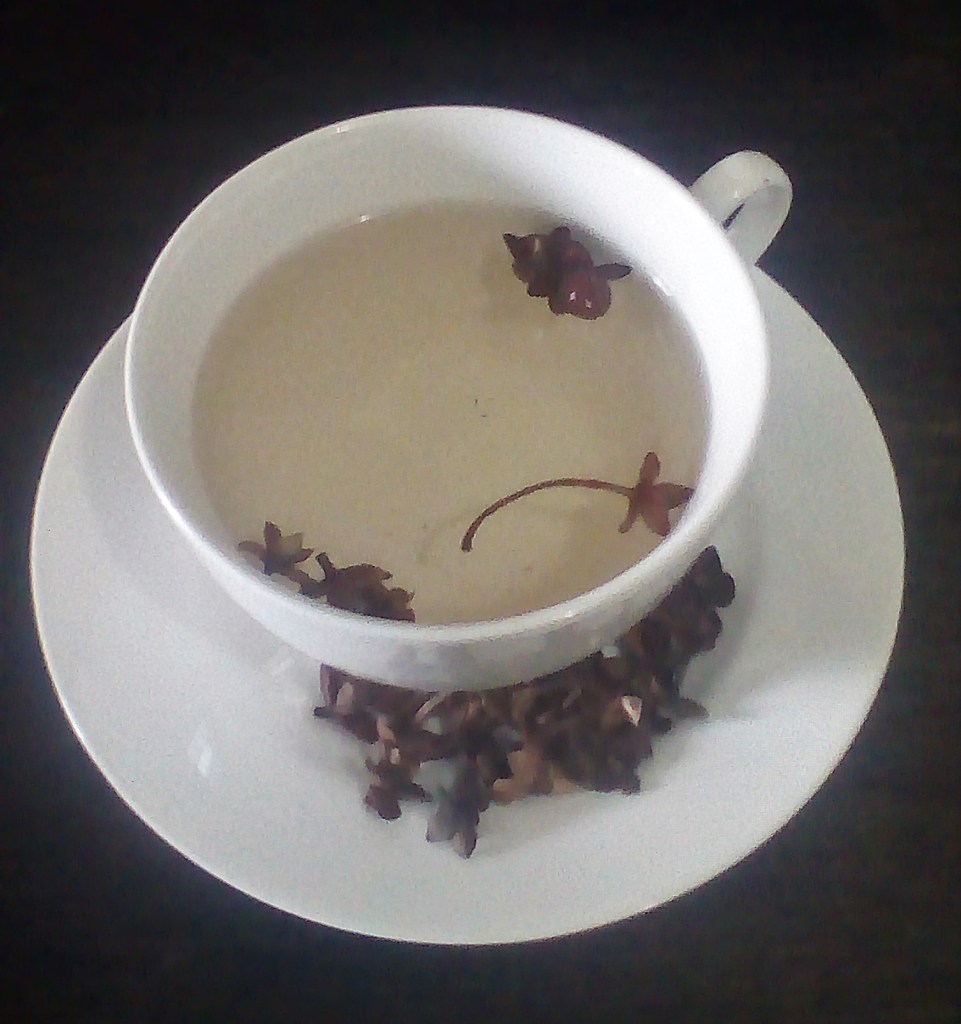
Zapote Leaf Insomnia Tea

  • 10-20 leaves from Zapote blanco (Casimiroa edulis)

Boil in ½ liter of water. Strain. Drink one cup an hour or two before bed after the last meal of the day.

Zapote Leaf Blood Pressure Decoction

  • 25 Zapote blanco leaves (Casimiroa edulis)
  • 15 chayote leaves (Sechium edule)

Boil 10 minutes in 1 liter of water. Strain and sweeten with honey.

****

Interested in natural remedies? Uncover herbal remedies from traditional Mexican sources for healing and wellness in the Exploring Traditional Herbal Remedies in Mexico series.
Leave a comment

Filed under Health, Native fauna and flora, Natural Healing

Natural Healing – Flor de Azahar

Citrus × Aurantium (photo credit Zeynel Cebeci)

The word Azahar comes from the Arabic az-zahr which means flowers. This term can refer to the blossoms of el naranja, el limonero (Citrus × Limon), or even the cidro or citrón (Citrus medica) tree. Most often, Flor de Azahar refers to sweet orange flowers (Citrus × Sinensis) rather than bitter orange (Citrus × Aurantium). However bitter orange blossom is the preferred ingredient for the Mexican pastry pan de muerto.

Citrus trees are not native to Mexico. They arrived with the Spaniards in the 1500s and were embraced as both a flavoring and a medicinal component. One account of the town of Chapala records that Father Sebastián de Párraga arrived in 1562 and planted the first orange trees in the area. 

Flor de Azahar is used to treat anxiety, insomnia, and as a digestive stimulate in traditional Mexican remedies. A tea made from blossoms and leaves is used as a remedy for anger issues known as muina or coraje. Adding 7 drops of rum or brandy to Té de Flor de Azahar (Orange Blossom Tea) is thought to help menopausal hot flashes and alleviate menstrual cramps.

Flor de Azahar is also used to treat tuberculosis in some areas of Mexico. Bitter orange (citrus × Aurantium) and sweet orange (citrus × Sinensis) have been shown to have anticancer, antianxiety, antiobesity, antibacterial, antioxidant, pesticidal, antimycotic, and antidiabetic activities. They have mild sedative effects, supporting their use in insomnia and anxiety treatments. Sweet orange (citrus × Sinensis) is an effective treatment for infectious diarrhea and both sweet and bitter orange have antimycobacterial activity supporting their use as a treatment for respiratory issues including tuberculosis.

Té de Flor de Azahar (Orange Blossom Tea)

Here are some simple remedies you can make using Flor de Azahar.

Anxiety Tea

Boil ¼ liter of water. Add:

  • 1 tablespoon Flores de Azahar (Citrus × Aurantium)

Sweeten with honey. Drink 3 cups per day. The last cup should be drunk right before bed.

Digestive Elixer

  • 1 liter of water 
  • 4 to 6 tablespoons of flores de Azahar (Citrus × Sinensis)
  • 1 ½ kilo of sugar
  • 2 tablespoons of rum

Boil until it gets syrupy. Take 1 tablespoon after each meal.

Insomnia Tea

Boil ¼ liter of water. Add:

  • 1 tablespoon of Flor de Tila (Ternstroemia lineata)
  • 1 tablespoon of Flor de Azahar (Citrus × Sinensis)
  • Sprinkle with canela (cinnamon)

Stress Headache Tea

Boil 1 liter of water. Add:

  • 1 tablespoon Flores de Azahar (Citrus x Aurantium)
  • 1 tablespoon Passiflora (Passiflora  edulis)
  • 1 tablespoon Flor de Tila (Ternstroemia lineata)
  • 1 tablespoon Manzanilla (Matricaria chamomilla)

Steep for 10 minutes. Strain and enjoy.

****

Interested in natural remedies? Uncover herbal remedies from traditional Mexican sources for healing and wellness in the Exploring Traditional Herbal Remedies in Mexico series.

Leave a comment

Filed under Health, Mexican Food and Drink, Natural Healing

Natural Healing — Toronjil Morado

I had quite a time identifying the Toronjil Morado (Agastache mexicana) that grows in my garden. The issue came with the general translation of toronjil as lemon balm, also known as Melissa. In certain remedies, these plants are used interchangeably since they both belong to the Lamiaceae family of plants. However, the two plants have very different characteristics.

Toronjil morado (Agastache mexicana) is Mexican giant hyssop and native to Mexico. The indigenous people of central Mexico used toronjil morado (Tzompilihuiz-xihuitl) as an inhalant to treat colds. A white-flowered subspecies, toronjil blanco (Agastache mexicana xolocotziana)(Tzompilihuitz-patli), was used in poultices for wound treatment. Other names for this plant include Toroji (Otomí), Agastaché mexická (Checo), Pinkil (Tepehua), Júpachi, and Noritén. Agastache mexicana was classified as a “hot” treatment (as opposed to dry, wet, and cold). Used in conjunction with ahhuachcho tonatiuh-yxiuh (tonatiuh ixiuh ahuachyo / tonatiuh yxiuh ahhuachcho) and incense (probably copal), it was used as a parasite treatment. 

These days, toronjil morado is used mostly for its sedative effects in the event of espanto or susto (a sudden scare) or mal de ojo (the evil eye) in central Mexico. Don’t be too hasty to dismiss this lovely purple flowing plant because of its main uses, however. It has quite a bit to offer.

According to popular belief, symptoms of espanto or susto (fright) include loss of appetite, insomnia, depression, and paleness, some of which this plant can actually help with. Furthermore, toronjil morado is prescribed for stomach pain, excessive bile (coraje), cough, vomiting, chills, and anxiety, while toronjil blanco (Agastache mexicana xolocotziana) is sometimes taken to treat heart disease. Studies have shown that both varieties are anti-inflammatory, anxiolytic, (anti-anxiety), sedative and antioxidant. Toronjil blanco does indeed have anti-hypertensive and vasorelaxant effects, supporting its use for heart disease. According to research, it is toronjil blanco rather than toronjil morado that is more effective in treating stomach ailments such as ulcers, colitis, and abdominal pain. 

Additionally, scientists have found that Agastache mexicana is an effective treatment for asthma, pain associated with inflammation, and can be used as a non-toxic botanical fungicide.

Anxiety Tea

Equal parts:

Boil for 10 minutes. Allow to steep 5 minutes. Strain and serve.

Insomnia Tea

  • 15 to 20 grams of leaves Toronjil Morado (Mexican giant hyssop) (Agastache mexicana)
  • 10 grams of orange tree leaves (Citrus sinensis)

Brew in one liter of water. Strain. Drink one cup before bed.

*****

Interested in natural remedies? Uncover herbal remedies from traditional Mexican sources for healing and wellness in the Exploring Traditional Herbal Remedies in Mexico series.

Leave a comment

Filed under Natural Healing