Tag Archives: herbal remedies

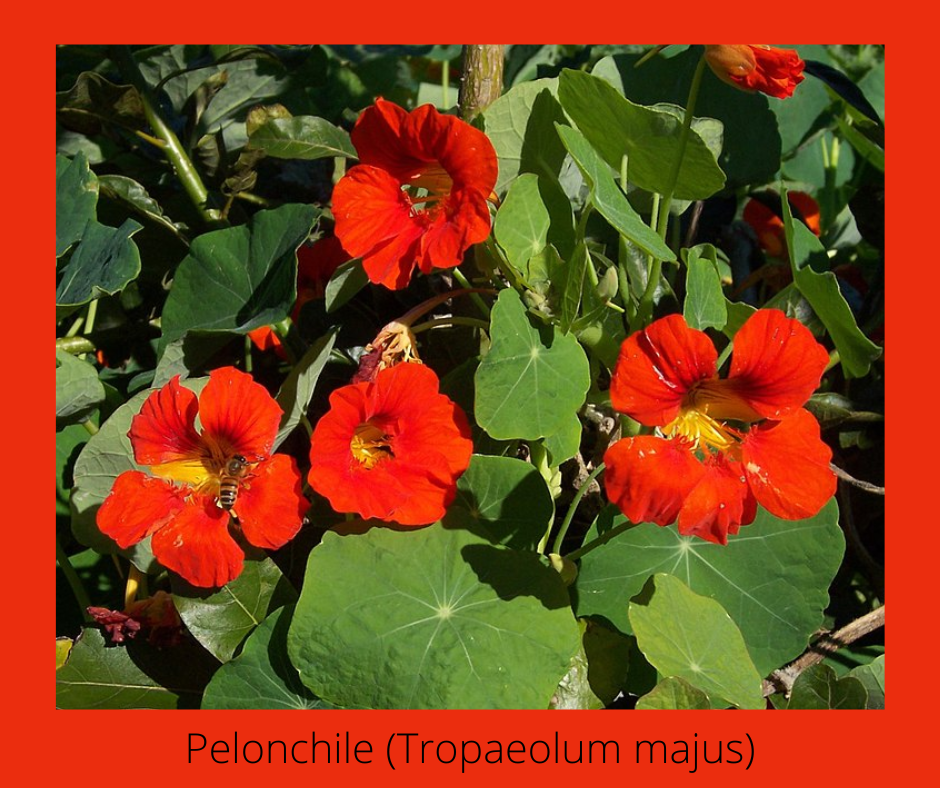
Natural Healing — Pelonchile

Photo credit: B.navez

Tropaeolum spp. is native to Central and South America, from Chile to Mexico. As seems quite common among plants, there are some naming issues that cause confusion. First, in English, this plant is often called nasturtium. However, it does not belong to the watercress genus Nasturtium officinale. Tropaeolum was given this common name because it produces a similar oil as watercress.  

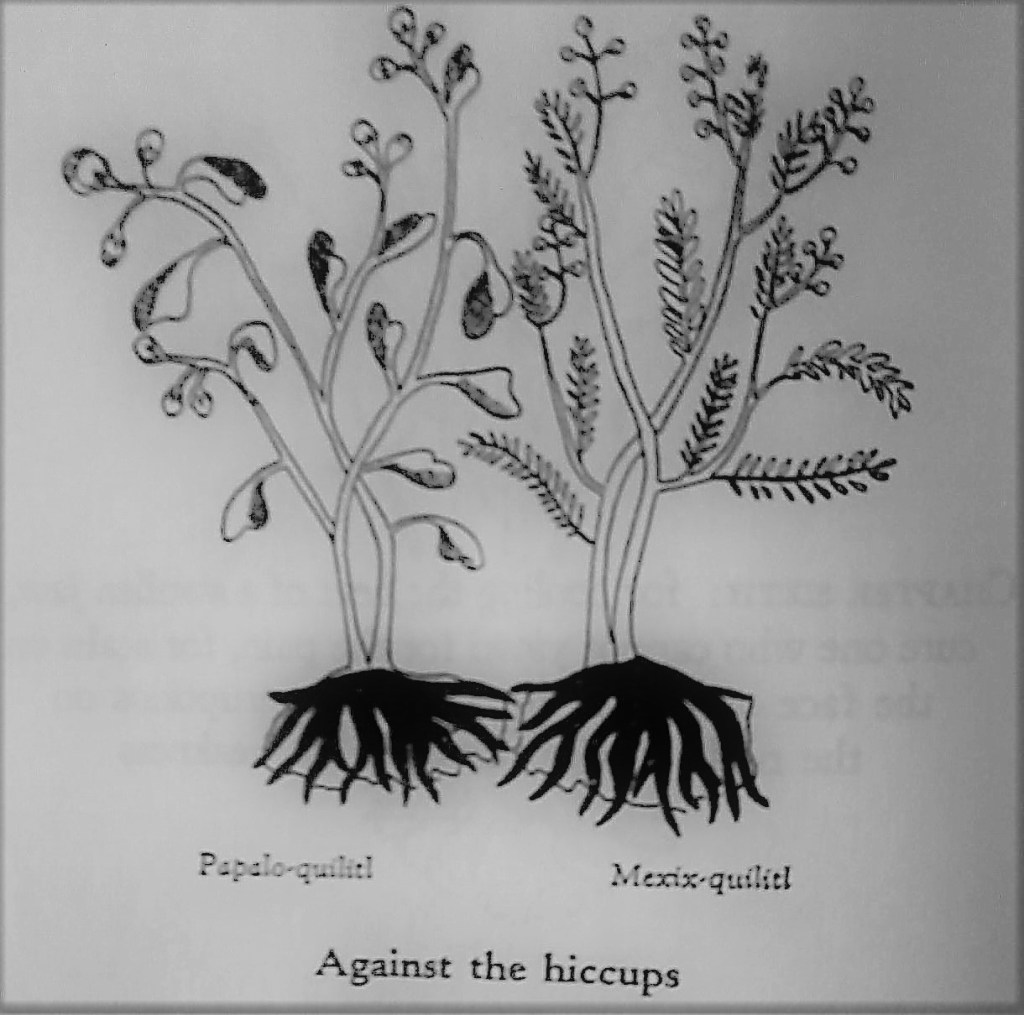
Another language name issue is the term mastuerzo used for this plant from the Spanish nastuerzo, meaning “de nariz torcida” (crooked nose). Mastuerzo is also used to identify the plant Lepidium virginicum, known as pepperwort in English and Mexixquilit in Nahuatl. I’ve seen several reputable herb texts make this misidentification error with the Nahuatl term. The matter is made clear with this illustration for a hiccup remedy from The Classic Codex of 1552. The plant Mexixquilit in no way resembles the climbing Tropaeolum majus but is a fair representation of Lepidium virginicum.

Pelonchile from the Nahuatl pelonchili is a more precise name for this plant. The etymology gives us even a little history. Pelon from the word pelun meaning from Peru, and chili the term for anything spicy. This breakdown suggests that the plant originally came from South America and lets us know that it has a spicy taste. Nicolás Monardes, author of the 1569 herbal Historia medicinal de las cosas que se traen de nuestras Indias Occidentales introduced pelonchile to Spain. 

Other names include capuchina, cachaco de muladar, espuela de caballero, mexiquelite from the original pelonmexixquilitl meaning edible plant from Peru, texao, marañuela, taco de reina, curutziti, chimbindo in the Bajio region of Mexico, cuitziquiendas in the Tarascan language, and jauaxola in Purépecha.

The Tropaeolum genus has about 80 species. The climbing varieties belong to the family Tropaeolum majus, and the bushier types are classified as Tropaeolum minus. The flowers and leaves are edible for all varieties. Juice is made from a handful of crushed fresh leaves drunk before breakfast for at least 15 days as a tonic. The leaves are also added to soups for a lightly spicy flavoring.

Pelonchile is full of trace elements and bioactive compounds easily absorbed by humans. The flowers contain potassium, phosphorus, magnesium, phosphorus, iron, copper, and zinc. Because of the plant’s high content of vitamin C, anthocyanins, and polyphenols, it provides antioxidant activity. 

Melasma, a condition that causes dark, discolored patches, and chloasma, the same condition that occurs in pregnant women, is treated with a decoction made with Pelonchile flowers drunk two or three times a day. 

Pelonchile essential oil demonstrates antimicrobial, antifungal, anti-diabetic, hypotensive, anticancer, and expectorant effects. It has been shown to be effective in the treatment of digestive and respiratory illnesses, especially bacterial infections in the bladder and upper air tract. 

An infusion made from the dried plant is prescribed for colds, flu, bronchitis, and cough. To make this, five grams of pelonchile are added to one cup of boiling water. Allow it to steep for ten minutes before straining. Drink two cups per day for three or four days. 

The seeds contain a high content of erucic acid, which can be used to treat adrenoleukodystrophy, a hereditary condition that damages the myelin sheath that insulates nerve cells in the brain. It is a strong diuretic. A cold infusion for digestion is prepared by adding a pinch of stems, leaves, or seeds to a cup of cool water and allowing it to steep overnight before drinking. 

The leaves have been shown to be useful in the treatment of liver cancer. The plant is antibiotic. It also shows the potential to prevent and treat obesity. It demonstrates anti-bacterial and anti-inflammatory properties.

***

Interested in natural remedies? Uncover herbal remedies from traditional Mexican sources for healing and wellness in the Exploring Traditional Herbal Remedies in Mexico series.

Leave a comment

Filed under Health, Native fauna and flora, Natural Healing

Your Digital Wellness Toolbox: 20+ Resources for Real Life (Plus My Herbal Book!)

I’m so excited to share something that’s right up my herbal love alley:
👉 The Ultimate Healthy Living Bundle, available only from July 14–18, 2025.

This digital bundle brings together 20+ handpicked resources that cover:

  • Natural remedies & wellness routines
  • Habit building (without guilt)
  • Simple, nourishing meal solutions
  • Mental health support
  • Family-focused wellness tools

🎉 And yes — my book is included!

📖 The Mexican Apothecary: Traditional Cold and Flu Herbal Remedies

This book is rooted in centuries of tradition and filled with 140+ home remedies for coughs, congestion, sore throats, digestive upset, immune support, and more.
It includes:

  • 67 traditional plant studies with scientific references
  • Remedies passed down through generations of Mexican healers
  • A guide to clearing and cleansing the sickroom
  • Easy, accessible preparations with herbs you can often find in your kitchen or garden

Whether you’re new to natural health or looking to reconnect with ancestral herbal wisdom, this is a resource you’ll return to again and again.

And guess what else? When you grab the bundle by July 15, you’ll also receive a free $60 microgreen growing kit from Orta Kitchen Garden — just pay shipping.

Everything in this bundle is digital and instantly accessible, so you can start transforming your wellness from day one.

💚 This is about building sustainable health in a way that fits your rhythm, not someone else’s.

Start here:
✅ Take the free “What’s Your Wellness Style?” quiz to better understand your healing path:

✅ Then, grab the bundle that aligns with your natural style
(Available July 14–18 only!)

Leave a comment

Filed under Health, Uncategorized

Natural Healing — Damiana

Photo credit: Katherine Wagner-Reiss

Damiana (Turnera diffusa var. Aphrodisiasca) should not be confused with damianita (Chrysactinia mexicana) or Hierba (alternatively spelled Yerba) Damiana (Turnera Ulmifolia). Turnera diffusa is also called Hierba del ahorcado and Rompecamisas Macho. Other names include Aguita de damiana, Damiana de California, Damiana de Guerrero, and Mexican damiana.

Turnera diffusa var. Aphrodisiasca, as the name implies, is prescribed for all sorts of sexual dysfunction in Mexico, from impotence to infertility. It is also recommended as an appetite stimulant, digestive aid, anxiety tonic, and mild diuretic. 

As an appetite stimulant or diuretic, three cups of a fresh leaf infusion per day are drunk, one before breakfast and the others between meals. Thirty-two ounces of damiana leaves are boiled in one liter of water for 15 minutes. This is also the recommendation for a damiana hangover headache remedy. 

To reduce nighttime anxiety and encourage restful sleep, an infusion of flor tila (Ternstroemia lineata), azahares de naranjo (Citrus sinensis), and damiana, sweetened with honey, is brewed before bed. 

An anti-anxiety, anti-depressive tea is made by steeping a rounded spoonful of damiana in a cup of boiling water. This tea should be prepared daily and enjoyed first thing in the morning. Turnera diffusa has demonstrated antidepressant and anxiolytic-like effects supporting this traditional use.

Frío de matriz (cold womb), believed to be one of the primary causes of infertility, is treated with a damiana douche and tea. This supposedly “warms” the womb, allowing for pregnancy to occur. Studies have shown that Turnera diffusa has a pro-sexual effect, supporting its use in the treatment of sexual dysfunction, although whether or not that includes “warming” the womb is still up for debate.

Turnera diffusa is antibacterial, antimicrobial, antioxidant, and immunomodulatory. It is both liver and kidney protective. Damiana has potential as an antidiabetic and anti-cancer compound. Turnera diffusa has also proven to be beneficial in the treatment of stomach ulcers.

Photo credit: Tamilselvi V

Turnera ulmifolia is often used interchangeably with Turnera diffusa in many herbal remedies in Mexico, although its properties are slightly different. Hierba (or Yerba) damiana is also known as Clavel de Oro. Fresh leaves are often used for illnesses caused by inflammation and to boost immune system function. Dry leaf decoctions are used as a wash for skin infections. An infusion made from the entire plant is made for ear or kidney infections.  

It is often given to alleviate menstrual problems, as a digestive aid, and cough expectorant. A cough expectorant tincture is made from 30 grams of leaves, one cup of alcohol, and three tablespoons of honey. Allow the leaves to soak in the alcohol in a tightly sealed glass bottle for six days. After that, remove the lid and place the bottle in boiling water for three minutes. Allow it to cool. Strain the leaves out and add the honey. Close the bottle again and shake it vigorously for several minutes. Take one tablespoon daily before breakfast until the cough abates. 

Hierba damiana is antibiotic, anti-hyperglycemic, antioxidant, antimicrobial, and anti-inflammatory. It has a significant antiulcerogenic effect,  exhibits hepatoprotective properties, and is beneficial in the treatment of intestinal parasites.

***

Interested in natural remedies? Uncover herbal remedies from traditional Mexican sources for healing and wellness in the Exploring Traditional Herbal Remedies in Mexico series.

Leave a comment

Filed under Native fauna and flora, Natural Healing