Category Archives: Natural Healing

Natural Healing — Toronjil Morado

I had quite a time identifying the Toronjil Morado (Agastache mexicana) that grows in my garden. The issue came with the general translation of toronjil as lemon balm, also known as Melissa. In certain remedies, these plants are used interchangeably since they both belong to the Lamiaceae family of plants. However, the two plants have very different characteristics.

Toronjil morado (Agastache mexicana) is Mexican giant hyssop and native to Mexico. The indigenous people of central Mexico used toronjil morado (Tzompilihuiz-xihuitl) as an inhalant to treat colds. A white-flowered subspecies, toronjil blanco (Agastache mexicana xolocotziana)(Tzompilihuitz-patli), was used in poultices for wound treatment. Other names for this plant include Toroji (Otomí), Agastaché mexická (Checo), Pinkil (Tepehua), Júpachi, and Noritén. Agastache mexicana was classified as a “hot” treatment (as opposed to dry, wet, and cold). Used in conjunction with ahhuachcho tonatiuh-yxiuh (tonatiuh ixiuh ahuachyo / tonatiuh yxiuh ahhuachcho) and incense (probably copal), it was used as a parasite treatment. 

These days, toronjil morado is used mostly for its sedative effects in the event of espanto or susto (a sudden scare) or mal de ojo (the evil eye) in central Mexico. Don’t be too hasty to dismiss this lovely purple flowing plant because of its main uses, however. It has quite a bit to offer.

According to popular belief, symptoms of espanto or susto (fright) include loss of appetite, insomnia, depression, and paleness, some of which this plant can actually help with. Furthermore, toronjil morado is prescribed for stomach pain, excessive bile (coraje), cough, vomiting, chills, and anxiety, while toronjil blanco (Agastache mexicana xolocotziana) is sometimes taken to treat heart disease. Studies have shown that both varieties are anti-inflammatory, anxiolytic, (anti-anxiety), sedative and antioxidant. Toronjil blanco does indeed have anti-hypertensive and vasorelaxant effects, supporting its use for heart disease. According to research, it is toronjil blanco rather than toronjil morado that is more effective in treating stomach ailments such as ulcers, colitis, and abdominal pain. 

Additionally, scientists have found that Agastache mexicana is an effective treatment for asthma, pain associated with inflammation, and can be used as a non-toxic botanical fungicide.

Anxiety Tea

Equal parts:

Boil for 10 minutes. Allow to steep 5 minutes. Strain and serve.

Insomnia Tea

  • 15 to 20 grams of leaves Toronjil Morado (Mexican giant hyssop) (Agastache mexicana)
  • 10 grams of orange tree leaves (Citrus sinensis)

Brew in one liter of water. Strain. Drink one cup before bed.

*****

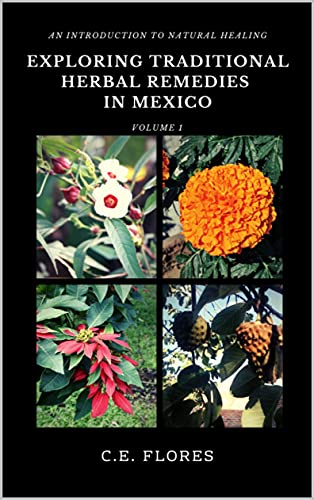
Interested in natural remedies? Uncover herbal remedies from traditional Mexican sources for healing and wellness in the Exploring Traditional Herbal Remedies in Mexico series.
Leave a comment

Filed under Natural Healing

Garden and Sustainable Living Bundle Flash Sale

Although in many areas, the gardening season is well underway, here in central Mexico, we planted in June and the corn is just knee high to a grasshopper (or maybe a little taller). Rainy season has been, well, wet and things are green and lush. 

If you are like me, you are already looking forward to harvest and plotting how you might better improve your yield. Remember, we bought that lot and put up a wall this year, but didn’t get it finished in time for much planting. Between now and next growing season, my husband promises to have some raised beds for me to putter around in. WOOHOO! 

So I’m delighted that the Gardening & Sustainable Living Bundle is up for a flash sale July 29 and 30. For these two day, you’ll be able to get 12 eBooks, 6 eCourses, 7 Printables and Workbooks for under $25. 

Gardening and Sustainable Living Bundle 2021

Looking at the breakdown of categories, there are 4 resources for getting started, 4 for planning, 8 devoted to growing food, and 9 resources on sustainability, which is the group I’m most interested in. The total value of this bundle is $582.80.

But wait, there’s more! If you purchase the Garden & Sustainable Living Bundle, you’ll have the opportunity to purchase the Herbs & Essential Oils Super Bundle too! AND that bundle includes my last herbal compilation Traditional Mexican Herbal Remedies, which is ONLY available through Ultimate Bundles. It includes 20 herbs, or rather 19 and miel sagrado (sacred Melipona honey) and their medicinal use by Mexican healers as well as scientific research on their effectiveness in treating a variety of ailments.

With the Herbs & Essential Oils Super Bundle you’ll get 18 ebooks (including mine), 11 courses, 6 printables and workbooks, worth a total of worth $684.36 for $37. 

So if you’ve a hankering for gardening and herbs, this is the Ultimate Bundle combo for you! But remember, these are only available during the flash sale, so don’t dilly dally!

Leave a comment

Filed under Health, Homesteading, Native fauna and flora, Natural Healing

Natural Healing — Canela

Although there are several types of cinnamon available commercially, Mexican recipes and remedies call for cinnamomum zeylanicum otherwise known as Ceylon cinnamon. These light brown sticks are made up of many thin layers and are easily ground with a metate (grinding stone). 

This spice was brought to Mexico in 1690 by Juan de Esteyneffer, a Jesuit physician from Germany. He combined remedies and treatments he learned in New Spain (Mexico) with the European knowledge he had as a pharmacist in his work Florilegio Medicinal, published in 1712. Juan de Esteyneffer had a powerful belief in the healing properties of cinnamon or rather canela from the Latin word cannella meaning “little tube” referring to the way the bark curls as it dries. He prescribed it as a cure for sudden blindness and deafness indicating that the physician should chew on a stick and then blow the pieces into the eyes or ears of the afflicted. 

While that particular remedy didn’t catch on, canela is used to treat stomach issues, fever, cough, colds, rheumatism, regulate menstruation, teething issues, motion sickness, and hangovers in Mexico. It also is considered an aphrodisiac. 

Canela essential oil is used as a rub for rheumatism. Cinnamomum zeylanicum has wound healing properties, being both anti-inflammatory and anti-nociceptive (reducing the sensation of pain). 

For cough, 1 section of canela, gordolobo (mullein), ajo (garlic), is boiled in ¼ liter of water and drunk as needed, sweetened with honey and flavored with limón (lime). Cinnamomum zeylanicum is an effective fungicide and can be used to treat a variety of fungi that cause respiratory infections. 

It has antimicrobial, antibacterial, and antiparasitic properties as well as anti-gastric ulcer and anti-secretagogue effects, supporting its use as a stomach ailment remedy. It has also shown to be effective against Porphyromonas gingivalis, a bacteria found in the upper gastrointestinal tract, the respiratory tract and the colon. Both rheumatoid arthritis and Alzheimer’s disease have been associated with this periodontal infection. 

Motion sickness calls for canela tea. Teething issues are treated with a decoction of canela, mejorana (marjoram), butterfly bush (Buddleia davidii), menta (peppermint) and cempasuchil (marigold) is administered. 

Cinnamomum zeylanicum has hepato-protective effects, making it a beneficial addition to those that drink just a bit too much alcohol by reducing the effects on the liver. It also lowers the serum cholesterol levels. 

Studies have shown that canela is useful in the treatment of PCOS (Polycystic ovary syndrome) and helps regulate menstrual cycles among women with this condition. It has also shown to be effective in reducing menopausal symptoms. For cramps, a decoction made with the flowers from la barra de San Jose (Joseph’s staff) and cinnamon is the recommended remedy. A postpartum treatment calls for ajo (garlic), ruda (rue), laurel, romero (rosemary), orange peel, clavo (clove), canela, and alum is added to a small brazier of coals and burned. The new mother stands over the brazier as it smokes. This treatment is done every other day until the 40-day postpartum period is over. 

Canela has anti-cancer properties and has been useful in treating leukemia. It has been shown to have antioxidant properties and be useful in reducing damage to the pancreas often experienced by those with diabetes as well as being antidiabetic in nature. Studies suggest that regular ingestion may halt or delay Alzheimer’s disease. It has also been shown to be effective in reducing the progression of multiple sclerosis. The combination of cinnamon bark extract and honey has potential activity against acne-causing bacteria.

Although tea is the typical method of preparation as an herbal remedy, canela is also a staple in many other traditional beverages. Mexican chocolate, horchata (rice milk) and cafe de olla (coffee) are always made with a dash of canela. Mole, the thick chocolate sauce served with meat and rice, also uses canela, both when it is in broth form and then added again when ground. Tepache, an alcoholic beverage made from pineapple is seasoned with cinnamon. One of the most common atole (a thick corn drink) flavors is canela. And finally Ponche Navideño (Christmas punch) would not taste the same without this little twig. 

***

Interested in natural remedies? Uncover herbal remedies from traditional Mexican sources for healing and wellness in the Exploring Traditional Herbal Remedies in Mexico series.

1 Comment

Filed under Health, Mexican Food and Drink, Natural Healing