Category Archives: Natural Healing

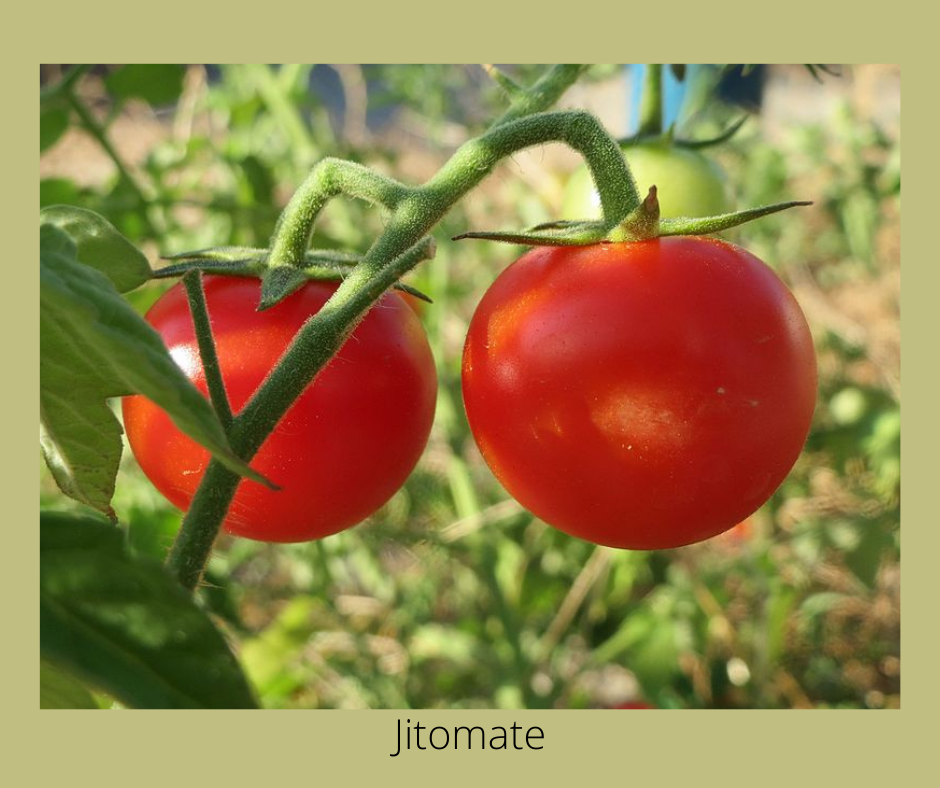
Natural Healing — Jitomate

Photo credit: AnRo0002

The term used in Mexico for these red, delicious fruits is jitomate (Solanum lycopersicum) from the Nahuatl work xitomatl. Tomate is more commonly used for the green husked fruit tomatillo (Physalis philadelphica). Other names include Aadi-maxi in Otomí, bachuga in Cuicatleca, bti’ux in Zapoteca, and ts’ulub’p’ak in Maya. Botanically, the jitomate is a fruit rather than a vegetable because it contains the seeds of the plant. Nutritionists, on the other hand, classify them as vegetables based its low fructose content. 

The original progenerate Solanum pimpinellifolium was native to Ecuador and Peru with fruits the size of peas. The indigenous people, including the Aztecs, worked at cultivating the plant until it became a staple food source. In fact, Bernardino de Sahagún, stated there were a number of varieties he discovered in the Tenochtitlán market including “ large tomatoes, small tomatoes, leaf tomatoes, sweet tomatoes, large serpent tomatoes, nipple-shaped tomatoes,” and tomatoes of all colors from the brightest red to the deepest yellow.”

Hernán Cortés himself may have taken the first jitomate (a small yellow one) to Spain in 1521.

The Spanish introduced the jitomate to the rest of Europe where it was initially viewed with suspicion since it is part of the nightshade family and therefore related to belladonna, a known poison. The leaves and green fruit do contain tomatine, which is toxic, but the ripe fruit does not. 

Linnaeus classified the plant as Solanum lycopersicum in 1753. However, in 1768, Philip Miller moved the plant into its own genus Lycopersicon esculentum. Genetic study supports Linnaeus’s classification although some herbals and scientific papers that I consulted in my research still use Miller’s classification.

The jitomate is full of goodness. It is anti-cancer, antimicrobial, antimutagenic, anti-inflammatory, anti-neurodegenerative, and anti-platelet. It has antioxidant and cardioprotective properties. Recent studies have found that its antimicrobial activity makes it an effective treatment for symptoms of coronavirus as it mitigates acute lung inflammation and damage. 

Traditionally, jitomate has been used medicinally as a treatment for diabetes, cancer, asthma, cataracts, and heart disease in Mexico. It’s considered a “cold” food item and used to treat “hot” infirmities. 

Juice from a ripe jitomate is squeezed in the eye infected with conjunctivitis 3 to 6 times a day. A mouthwash for oral thrush is made from 20 albahaca (Ocimum basilicum) leaves, 1 jitomate leaf, and the juice from a cebolla (Allium cepa) boiled in 1 liter of water.

A jitomate leaf is applied to cold sores. For fever, two tomatoes are boiled then wrapped as a plaster on the feet and left on overnight. The leaves are prepared in an infusion for a wound wash. The fruit pulp is also used as a facial tonic.

***

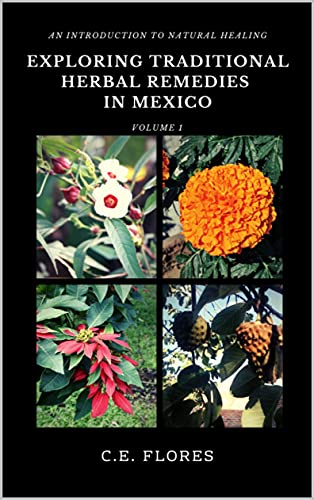
Interested in natural remedies? Uncover herbal remedies from traditional Mexican sources for healing and wellness in the Exploring Traditional Herbal Remedies in Mexico series.
Leave a comment

Filed under Alternative Farming, Health, Mexican Food and Drink, Native fauna and flora, Natural Healing

Natural Healing — Coco

Photo credit: Tony Hisgett

Coconuts were first cultivated by the Austronesian in Oceanic Southeast Asia. Sailors introduced the coconut to Panama and it arrived in Mexico via the Colima and Acapulco ports around 1539. Coconut plantations along the west coast of Mexico were established during the 16th and 17th centuries. 

In Mexico, coconut is often used to treat diarrhea and dysentery. It is considered an effective diabetic treatment and is prescribed to regulate blood pressure, detoxify the liver, and lower cholesterol levels. 

The kernel and coconut water are antiviral, antifungal, antimicrobial, anti-inflammatory, and antioxidant. Coconut is also hepatoprotective and an immunostimulant. Its antidermatophytic and skin moisturizing properties make it a good choice for skin infections. It is also hypoglycemic and antidiabetic supporting its use as a diabetic treatment in traditional Mexican herbalism.

Coconut is anti-hepato steatotic and hypocholesterolemic, thus a healthy option for those suffering from fatty liver disease. It has anticancer and anti-neoplastic properties as well. Coconut demonstrates antiparasitic, insecticidal, antitrichomonal, and leishmanicidal activities. It shows moderate inhibitory activity and strong antibacterial activity against infections that cause gastrointestinal disorders. 

In remedies, it’s important to note that coconut milk and coconut water are not the same. Coconut milk is made by pressing grated coconut meat with hot water. It can be used as a milk substitute. Coconut water is the clear liquid found in a ripe coconut.

For parasites, ½ cup of pineapple or papaya juice and ½ cup of coconut milk should be drunk in place of breakfast for nine mornings. No food should be eaten for two hours after drinking. For a cough, open and crush a coconut. Then place it over low heat with honey and allow it to cook until a syrup forms. This syrup should be taken every three hours. 

To bring on menstruation the hairs of the outer shell of a coconut are included in a decoction of aguacate seed (Persea americana), pecan shells, and the leaves of the purple wandering Jew. To treat an excessive menstrual flow (called enfrió de señoras), again the hairs of the outer shell of a coconut are added to a decoction made from the leaves of the purple wandering Jew (Tradescantia zebrina ‘Purple’), llantén (Plantago major), and ortiga mayor (Urtica dioica).

***

Interested in natural remedies? Uncover herbal remedies from traditional Mexican sources for healing and wellness in the Exploring Traditional Herbal Remedies in Mexico series.

1 Comment

Filed under Health, Natural Healing

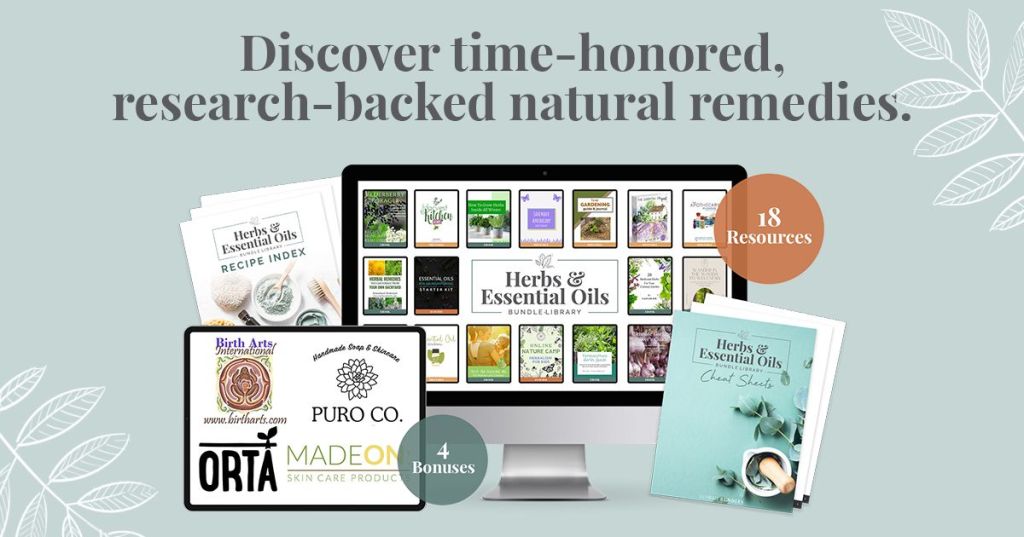
Unlocking the Power of Herbal Resources with the Herbs & Essential Oils Bundle from Ultimate Bundles

Herbs have always held a special place in my heart. The way they effortlessly infuse flavors into my culinary creations, their ability to soothe and heal, and their enchanting aromas that transport me to a serene state of mind – herbs truly are nature’s gift to us. 

And, of course, I want to share that inner herb song of mine with EVERYONE! So I would be remiss if I didn’t share the Herbs & Essential Oils Bundle from Ultimate Bundles. 

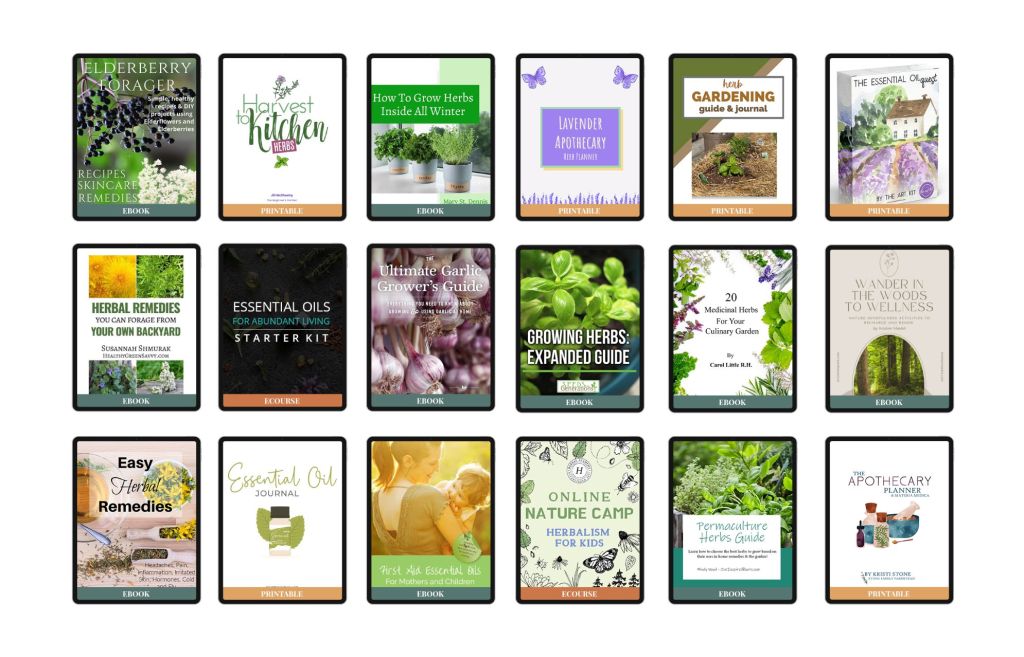
With 18 valuable resources worth $313.40, this bundle is a gateway to understanding and harnessing the power of herbs in our everyday lives. From eBooks to eCourses and printable planners, each resource is carefully curated to provide an immersive herbal experience.

  • 20 Medicinal Herbs for your Culinary Garden by Carol Little R.H. (eBook) $19.99
  • Easy Herbal Remedies by Kelly Cable (eBook) $9.97
  • Elderberry Forager by Vladka (eBook) $8.50
  • EO Starter by Dr. Z (eCourse) $47.00
  • Essential Oil Journal Bundle by Cari Dunn (Printable) $12.99
  • First Aid Essential Oils For Mothers and Children by Kim Morrison (eBook) $12.98
  • Growing Herbs: Expanded Guide by Jason Matyas (eBook) $15.00
  • Harvest to Kitchen Herbs by Jill McSheehy (Printable) $29.00
  • Herb Gardening Guide and Journal by Tracy Lynn (Printable) $14.00
  • Herbal Remedies You Can Forage from Your Backyard by Susannah Shmurak (eBook) $5.99
  • How to Grow Herbs Inside All Winter by Mary St. Dennis (eBook) $17.00
  • Lavender Apothecary Herb Planner by Lexi Roark (Printable) $9.99
  • Online Nature Camp: Herbalism for Kids by Herbal Academy (eCourse) $29.00
  • Permaculture Herbs Guide by Mindy Wood (Printable) $17.00
  • The Apothecary Planner by Kristi Stone (Printable) $27.00
  • The Essential Oil Quest Board Game by Dana | The Art Kit (Printable) $15.00
  • The Ultimate Garlic Grower’s Guide: Everything you need to know about growing and using garlic at home by Anna Sakawsky (eBook) $10.00
  • Wander in the Woods to Wellness: Nature Mindfulness Activities to Recharge and Renew by Kristen Mastel (eBook) $12.99

And the bonuses are amazing!

BONUSES (4 Bonus Offers worth $422.00)

  • Introduction to Herbalism course from Birth Arts International worth $350
  • Lavender Beesilk Jr Emollient 1 oz. (or $15 toward one of two other gifts) from MadeOn Skin Care worth $15.00
  • Two bars of soap, any scent from PuroCo. worth $32.00
  • Factory Second Self-Watering Seed Pot from Orta Kitchen Garden worth $25.00

The Bundle is only available from June 19 to June 23, so don’t wait too long!

Leave a comment

Filed under Natural Healing