Category Archives: Native fauna and flora

Battling Nature—Spiders

spider

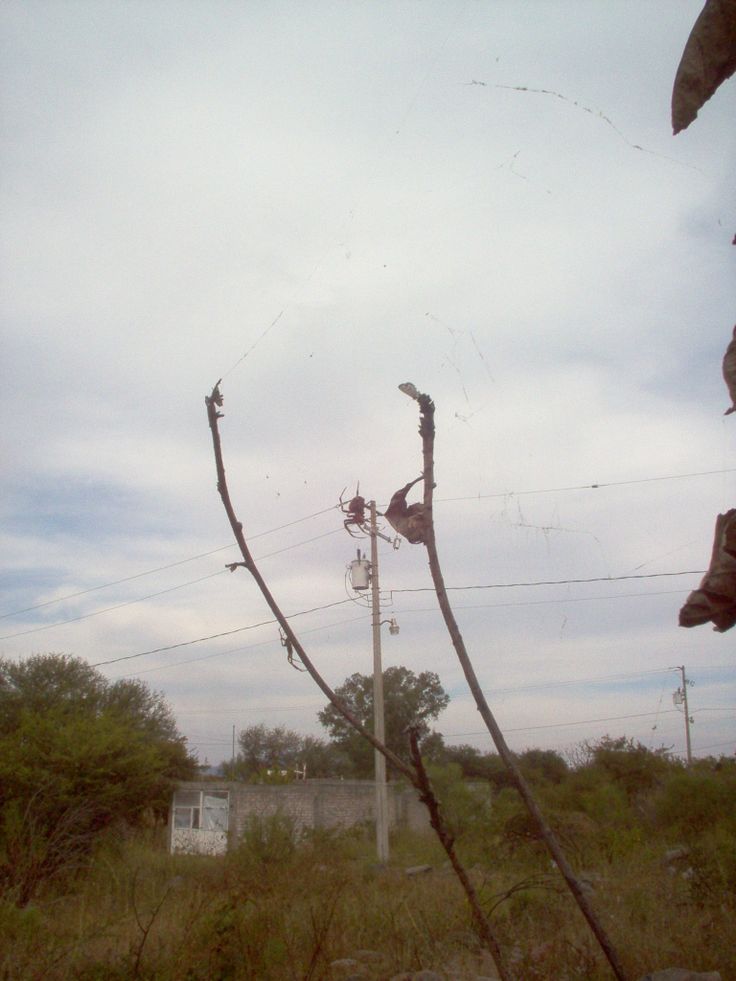
Watch out for the spiders in La Yacata!

For the most part, I am OK with spiders. Spiders keep the fly population under control and that’s a good thing. (See Battling Nature—flies) I have never been one of those shrieking ninny girls that faint dead away at the sight of the long-legged arachnids unless of course, it is in my hair, then I do the Funky Chicken dance until it is removed. However, I have discovered that La Yacata has its own set of scary spiders.

tarantula

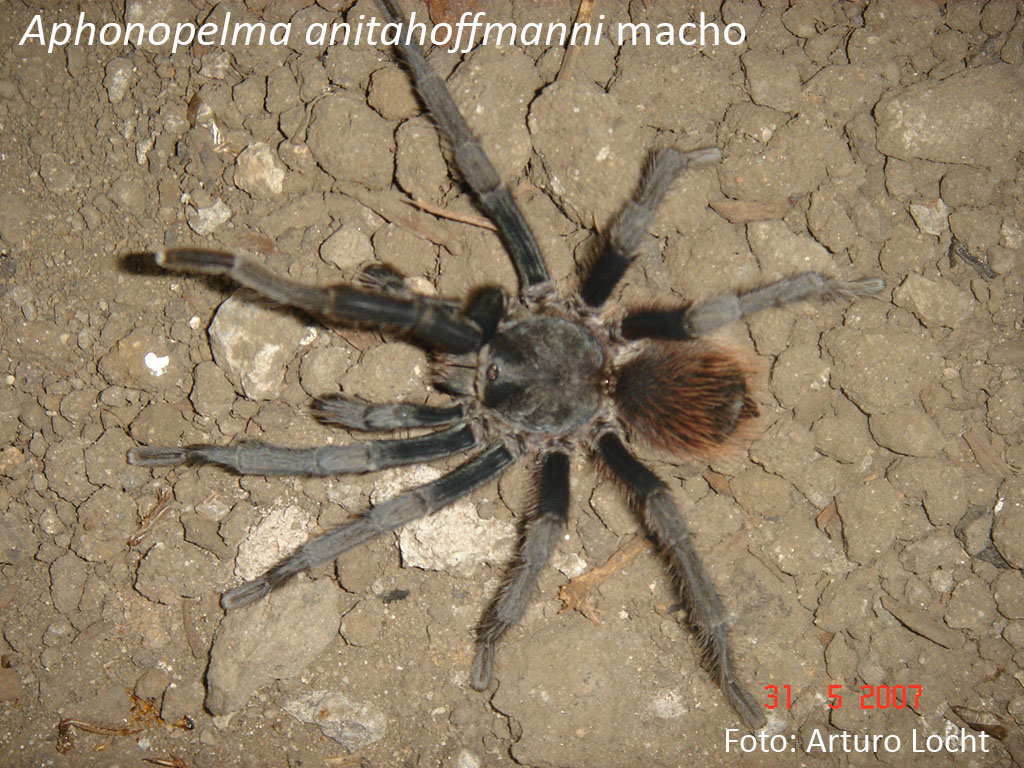
For instance, the tarantula. According to some, Mexico is in second place for a  number of tarantula species in the world, with 66 documented species, and could be the first, however, nobody has been actively investigating them. Huh, wonder why.

I have seen tarantulas, up close and personal, inside my home, at the front door and in the road outside. And they are huge, often the size of my hand or larger. And they are hairy! Run away! Run away!

orange tarantula

Our close encounters with the tarantula kind have been two distinct species, a brown furry 8 legger and an orange furry 8 legger. The brown tarantula has visited us in La Yacata late at night and caused considerable consternation. The orange tarantula has visited the Crappe Shoppe in town in the mid-afternoon, causing even more consternation. I had visions of being eaten alive like in the giant red ant scene in Indiana Jones and the Kingdom of the Crystal Skull .
YIKES!

My general reaction has been consistent. Scream, jump around, jump around some more, yell for my husband who comes with a shovel or other blunt instrument and mashes it after jumping around himself and then disposes of the body.

I know, I know. Even spiders are God’s creatures and have a place in this world, but ACH!

black_widow

The second spider that causes us anxious moments is the Black widow spider,  easily identified by the red hourglass marking on her abdomen. These spiders I give a WIDE berth. I have this fear that large bloated abdomen will explode (completely irrational I know), so I don’t smash this spider when found, but chase it as far from my personal space as possible. Sometimes this means I actually scoop it up in a container and deposit it some distance from my home, work or current location.

wolf spider

And finally, the last spider encountered to date that totally freaks me out is the wolf spider.  These arachnids are not only large, hairy and ugly but FAST! Catching one in order to relocate it is nearly impossible. What typically happens is that in the process of pursuit and capture, the spider loses a limb and then we are chasing around a 7-legged freaky thing, hopping and hollering. Sometimes we can catch it, sometimes it escapes.

Our official spider weapon!

Our official spider weapon!

Because of the plethora of spiders in La Yacata, I bought a chimney sweep which I use to remove spider webs as part of my weekly cleaning routine. I realize that the webs that I am removing are made by the harmless daddy long-legs and not the 3 scary spiders I have just mentioned, but it makes me feel better.

***************************************************

disclosure


1 Comment

Filed under Battling Nature, Native fauna and flora

Natural Healing–Maguey AKA Agave

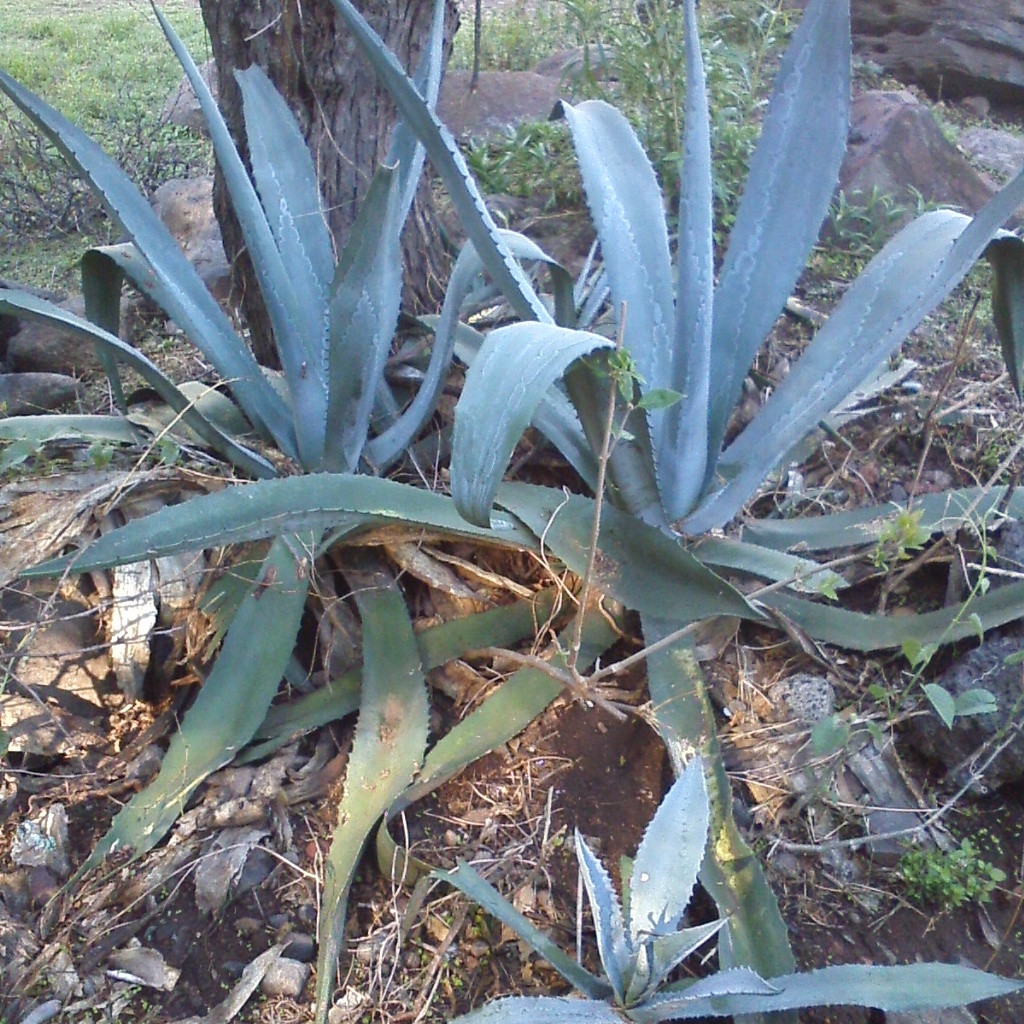
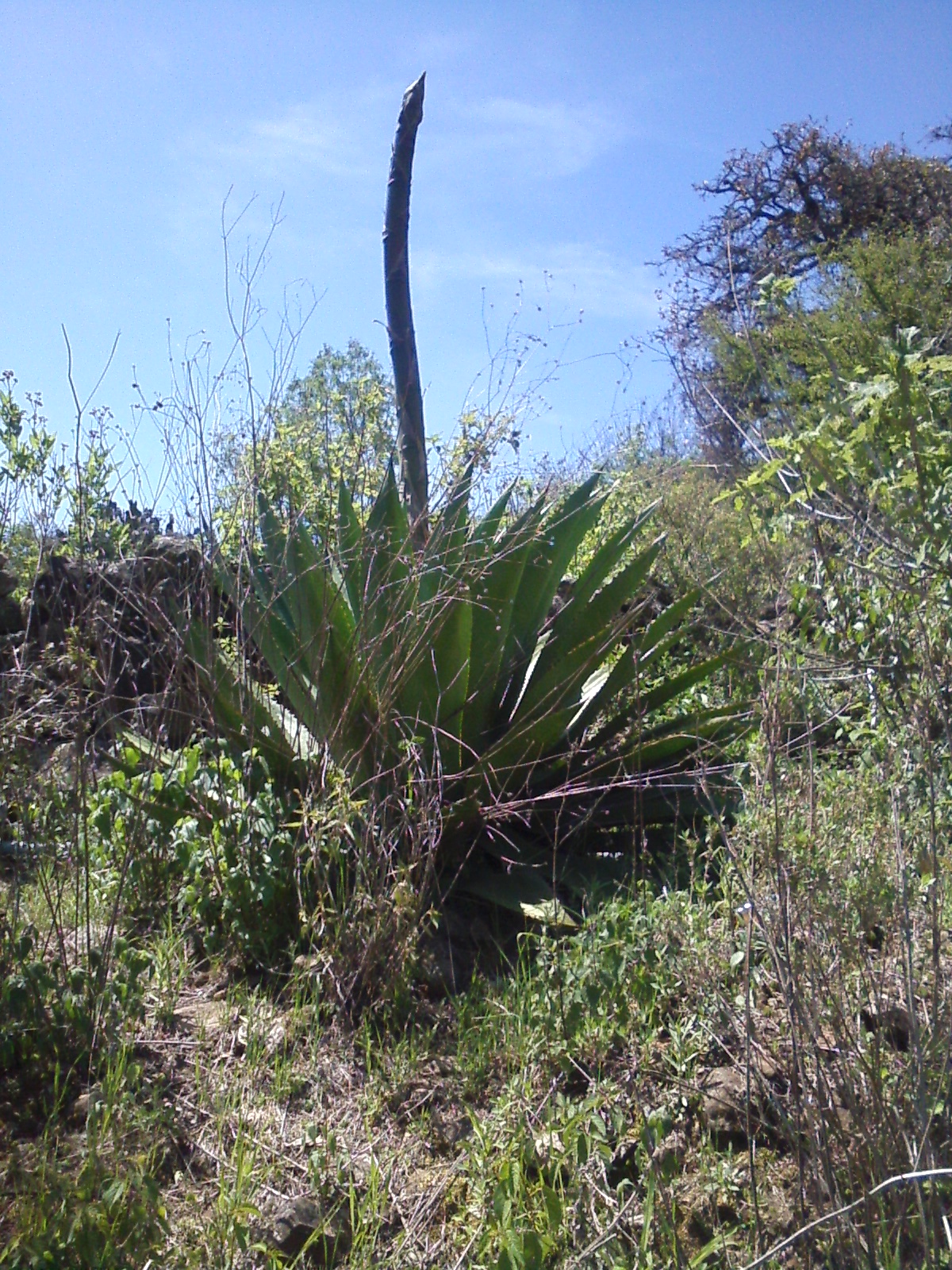
maguey Since time unknown, the maguey or agave plant has been used by the people in Mexico for clothing, medicine, shelter, fuel, alcohol and tools. Fibers, called pitas, were taken from the plant and woven into cloth. Thorns were used as sewing needles. Pencas (leaves) were dried to burn as fuel or overlaid for roofing. The sap was used as a sweetener, as medicine or distilled for alcohol. The Aztecs/Mexica even had a specific patron deity for this plant, the goddess Mayahuel.
goddess Mayahuel

The goddess Mayahuel

The maguey or agave plant is often mistaken for sábila (aloe vera), but is not closely related. Nor is it a cactus. The maguey can grow without irrigation and can withstand a great variation of moisture and temperature. It grows wild, but can also be cultivated.It may take 10 to 12 years for a maguey plant to be mature enough to “flower”. The “flower” is a large, obtrusive stalk that grows right from the middle of the plant. After flowering, the plant typically dies. flowering maguey To harvest, the stalk is cut before it blooms, leaving a hollow where the aguamiel (honey water) is collected. This juice can be fermented into an alcoholic drink which the Aztecs called octli, and is now called pulque. For tequila or mezcal, the sap is collected by heating the center of the plant in ovens and then distilled.
pulque god Tezcatzoncatl

The Aztec/Mexica god of pulque wine, Tezcatzoncatl.

According to my trusty source, Antiguo Recetario Medicinal Azteca, this plant is more than just making tequila or pulque. It can treat syphilis, accelerate the formation of scarring on wounds, cure gonorrhea, can be used as a strong stomach and intestine antiseptic (the sap has antibiotic properties which was also used to kill both staphylococcus aureaus and E. coli bacteria) and is useful as a laxative. Additionally, Bernardino de Sahagún attested in his book Historia General de las cosas de la Nueva España, that aguamiel was also used as a treatment for sore throats by the Aztecs.
drinking pulque

Drinking pulque.

Antiguo Recetario Medicinal Azteca suggests that for syphilis treatment, water and 10 drops of the sap from the root of the maquey should be drunk in the morning and 10 drops in the afternoon on the first day of treatment. The second day the dosage should be 20 drops and so on until 200 drops are ingested in each day. For aid in scar formation, heat the pencas (leaves) and squeeze out the juice much as you would with aloe vera. (See Animal Doctoring) The juice should be boiled with a little sugar until thickened. The salve should be placed on a cloth and tied around the wound. Gonorrhea can be treated by drinking the 1/4 cup of cooked aguamiel (maguey juice) for 15 days. For stomach and intestine cleansing, it is recommended to drink one glass of aguamiel with breakfast. While most pharmaceutical companies would poo-poo the use of maguey in treatment, these recipes have been around a long time and there may be some basis for using maguey medicinally. maguey agave We have even used the maguey penca in cooking goat. We dug a large hole and lined it with rocks which we then lined with dethorned maguey leaves. The goat was cut into pieces and put in a pot and then the hole was topped with another maguey leaf. The meat cooked, or steamed, overnight and was as tender as could be. Delicious!

**************************************************************

Interested in natural remedies? Uncover herbal remedies from traditional Mexican sources for healing and wellness in the Exploring Traditional Herbal Remedies in Mexico series.

7 Comments

Filed under Health, Native fauna and flora, Natural Healing, Religion

Battling Nature—Ants

ants

This year has been particularly good for ants. According to local farm lore, a good ant year means a good crop year, so my husband, along with many others, has begun soil preparation early. Harbinger of good fortune though they might be, we are not totally thrilled with the en masse invasion in La Yacata.

In previous years, ant attacks have stunted our peach and pomegranate trees. Everything would be unfurling nicely in the spring and then suddenly BAM! we woke up the next morning to completely naked trees. The ants had stripped the leaves overnight.

Ant mounds outdoors are easy to spot and just as easy to avoid. Personally, I have nothing against ants and respect their place in the grand eco scheme of things, even when I have accidentally blundered close enough to be attacked. However, when they start invading indoors, biting me even in my bed at night, then it’s time to take up arms.

This year we have a scourge of itty bitty bitey red ants. They slipped right under our doors and windowsills and used our tile grout as a super highway. Not content with the crumbs, they scaled the shelves looking for more. Having most of our food in closed storage containers already, you would think they would back down, but no! They sent out highly organized scouts. Any less than perfectly sealed container was targeted. I have been bitten by scurrying little ants while gathering the ingredients for dinner.

chem trail

Enough already! My husband, being the traditionalist he is, went and got some sort of powder pesticide and surrounded the house in a fairy ring, on the inside, of course, so that the chickens wouldn’t accidentally be poisoned. This temporarily stopped the invasion. Notice, I said, temporarily…in just a day or two they were back, stealthily avoiding the poison chem trails and burrowing straight through the brick walls.

They also stepped up their attacks outdoors and began bothering our animals. Our poor goats and horses were bitten while they slept. Some had bare patches rubbed raw from ant attacks.

You would think our chickens would keep the ant population down, but the ants are far from tarugos (idiots) and bypassed the chicken corral in the day when the chickens were awake but blitzed it at night. One night an ant attack killed 10 newly hatched baby chicks.

Obviously, my husband couldn’t use the poisoned powder around our animals so I did some internet research. Cinnamon was by the far the nicest recommendation, however, it is an expensive spice here. Borax was also off the list due to limited availability. However, chalk and coffee were definitely on the to-try list. Coffee as a deterrent would also explain why the little buggers left my re-purposed coffee storage containers alone and focused on the Tupperware.

My husband immediately bought a bag of cal and went to work spreading it around the animals area.  When the bag ripped, the outdoor corral looked much like a sudden snow squall had hit.  The animals sneezed a bit until the dust settled, but it did drastically reduce the number of ants in the area for a time.

Unfortunately, nothing seemed to work as well as promised and we had to wait for the rains to begin for the attacks to finally let up.

***************************************************************

disclosure

Leave a comment

Filed under Battling Nature, Native fauna and flora