Category Archives: Health

Natural Healing–Árnica Mexicana

The other day, while perusing the teas at the market, I happened upon some Árnica tea. This intrigued me because I had only ever seen Árnica used in una pomada (ointment) for bruises and muscle pain. So off I went to do some investigation on the matter. 

Árnica Mexicana’s botanical name is Heterotheca inuloides and should not be confused with arnica montana which grows in Europe. In fact, one of the names of Heterotheca inuloides is false arnica, as the “true” arnica is arnica montana. Árnica Mexicana is native to Mexico and has been used medicinally for centuries by the indigenous people. It is also known as Árnica del país and in Nahuatl, Tlalyetl. 

Most commonly Árnica Mexicana is used to treat skin inflammations, rheumatism, muscular pain, menstrual cramps, and colic topically. However, it is also used for nervous disorders, dental issues, and gastrointestinal problems, hence the availability of the Árnica tea. 

Scientific studies have shown that Heterotheca inuloides contains antioxidants, and functions well as anti-tumor compound. It has been shown to effectively treat giardiasis, a stomach infection caused by the parasite Giardia lamblia found in contaminated water. Yet another study has demonstrated the positive effects of Árnica Mexicana and rosemary water extract on the dopamine and serotonin levels in the brain.

Other studies have demonstrated its topical benefits. Used externally, it has mild antiseptic, analgesic, and anti-inflammatory effects. It is effective in the treatment of skin disorders caused by fungus and bacteria. It is an effective natural insecticide and weed killer as well. 

You can find Pomada de Arnica at nearly every pharmacy in Mexico. However, if you’d like to make your own wash, tea, or tincture you can try one of these remedies. 

For bruises add 10 to 15 branches with flowers and leaves to ½ liter of alcohol and allow it to steep for 15 days. Rub the resulting tincture on the affected area. Another remedy calls for 2.5 grams of flowers, roots, and leaves gathered from 20 branches and steeped again for 15 days. 

As a hemorrhoid wash, boil 100 grams in two liters of water. A second remedy suggests 25 grams boiled in one liter of water. 

For stomach ailments, drink 10-20 drops of essential oil in water three times a day. As a tea, take one tablespoon every two hours made from 2.5 grams of flowers boiled in ¼ liter of water. Or one cup drunk four times a day made from 8 grams of flowers and leaves boiled in one liter of water. 

Precautions: 

Because this little yellow flower is part of the Asteraceae family, those who are sensitive to ragweed and feverfew should not use arnica because it may trigger allergic reactions.

Internal use of arnica should be limited to a few days due to potential toxicity

So, although I picked up a box of this Árnica tea at the market, after my investigations, I believe I’ll keep it for medicinal use rather than a regular breakfast beverage. 

****

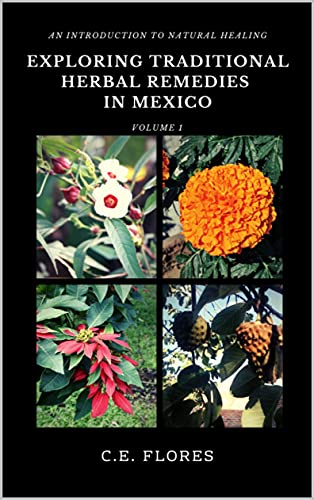
Interested in natural remedies? Uncover herbal remedies from traditional Mexican sources for healing and wellness in the Exploring Traditional Herbal Remedies in Mexico series.
1 Comment

Filed under Health, Native fauna and flora, Natural Healing

Huckleberry Mountain Botanicals

Would you believe I found another awesome herb resource? You already know that I’m a huge fan of the Herbal Academy and have taken several courses online with them. But today, I’d like to introduce you to Huckleberry Mountain Botanicals.

My first course was The Basics of Holistic Herbalism was incredibly comprehensive. Herbalism isn’t just about taking this or that herb to improve your health you know. It’s about looking at the body as a whole and determining where herbs can provide support as part of a regular, herbally enhanced diet.  

This course started with a refresher botany section. Herb identification is vitally important, especially if you have moved to a totally different environment like I have. We wouldn’t want to poison anyone now, would we, especially since I taste the herbal concoctions on myself. After that, there was a section on medicinal properties of types of herbs, very useful.

But we weren’t finished learning yet! Session three covered the skin as an organ and talked about interactions herbs can have on it, followed by the digestive system in session four. When using herbs as medicine, it’s important to note each individual’s reaction to herbs because of his or her skin sensitivity and digestive process. It’s not just a matter of popping herbal capsules and hoping for the best.

The last section in this course discussed stress and pain. Yes, there are some herbs that can help with these conditions, but looking at the causes of stress and pain holistically and developing better coping strategies was emphasized rather than just herbal application.

So what else does Huckleberry Mountain Botanicals offer? Oodles of herb stuff! 

Let’s start with the free stuff, my favorite. Periodically, there are free informative herbal webinars that you can attend! Yippee! The next one is in March, but I don’t see what the topic will be just yet. Then there’s loads of free herbal content. Who doesn’t want to improve their herbal understanding without paying a dime? 

Are you interested in growing your own herbs and making your own concoctions like I am? Then you should check out the Cultivating Herbs Bundle and the Herbal Preparations Bundle

To step things up a bit, there are some courses for the professional herbalist including the Fundamentals of Holistic Herbalism Certificate Program and Nutrition for the Herbalist which begins in November. 

Are your kids interested in herbs? Then you should know that the Children’s Herbal School begins on June 15. What a great way to spend their summer productively!

So there you have it folks! Yet another fabulous herbal resource for those of you interested in herbs!

****

Leave a comment

Filed under Health, Homesteading, Natural Healing

Natural Healing–Jengibre

Ginger (zingiber officinale) is reported to have arrived in Mexico first in Cuernavaca with the Spanish in the 1500s. Cultivation commenced and ginger exports back to Europe began shortly thereafter. Mexico remains one of the top 30 ginger exporters in the world. Ginger is known as jengibre in my area of Mexico but it is also called ajenjibre in other areas and has a variant spelling of jenjibre. 

Jengibre is most often used for gastrointestinal complaints in Mexico. A pinch of powdered root in your cup of yerba buena (spearmint) or manzanilla (chamomile) will help with nausea. This anti-queasy effect occurs because ginger’s active principles work directly on the intestinal tract by stimulating saliva production, digestion activity and food absorption thereby relieving nausea, constipation and flatulence. Along the same lines, ginger improves kidney function and lowers blood glucose

Ginger is also effective as an anti-inflammatory compound, a warming agent, a pain remedy, antidepressant and useful in lowering cholesterol. Ginger has antibacterial and antifungal properties. It works as a warming agent by improving blood circulation through stimulating the heart muscle and diluting the blood. It is also effective in treating migraine headaches

When we all had a particularly bad case of a dry cough that lingered earlier this year, we found that ginger works well as a natural cough suppressant. That anti-inflammatory action mentioned earlier relaxes membranes in the airways, reducing the cough reflex. To brew yourself some ginger tea, add 20 to 40 grams of fresh ginger root slices to hot water and sweeten with honey (another natural cough suppressant). 

***

Interested in natural remedies? Uncover herbal remedies from traditional Mexican sources for healing and wellness in the Exploring Traditional Herbal Remedies in Mexico series.

Leave a comment

Filed under Health, Natural Healing