Category Archives: Health

Natural Healing — Hinojo

Photo credits: Forest & Kim Starr and  Arnaud 25.

Hinojo (Foeniculum vulgare) came to Mexico with the Spanish missionaries as part of their medicinal gardens. In traditional Mexican remedies, it is used to treat migraines, colds, and cough. It is also prescribed as a digestive aid and appetite stimulant. Hinojo seeds, leaves, roots are edible.

Women’s cures that include hinojo involve regulating menstruation, alleviating mastitis, and increasing milk production. Hinojo tea has shown positive recovery effectiveness when given to women postpartum. Women suffering from menopausal depression and anxiety conditions have experienced moderate to significant relief with regular ingestion of fennel. In large doses, hinojo acts as a uterine stimulant.

An anti-anxiety tea is made from flor de manita (Chiranthodendron pentadactylon), flor de azahar (orange blossoms), toronjil morado (Agastache mexicana), yerba buena (Mentha spicata), and hinojo in equal measures. 

Hinojo leaves have antihyperglycemic, hypoglycemic and antioxidant effects. Hinojo essential oil is an effective treatment for inflammation and arthritis. Its use in treating colds and coughs is supported by its anti-inflammatory, antibacterial, antifungal, antiviral, immunomodulatory effects. Hinojo has demonstrated effective antimycobacterial activity including tuberculous and respiratory infections. It has a calming effect on bronchial tissues. The seeds act as an expectorant to loosen phlegm in the lungs.

A remedy for colds with cough calls for three or four cups a day of hinojo seed infusion sweetened with honey.

As a digestive aid, it has been shown to be anti-inflammatory and anti-spasmodic, to speed up the digestion process of fatty foods, and be useful in the treatment of colitis.  It also reduces neuronal toxicity. For vomiting and diarrhea, boil about several hinojo stems in a liter of water and add about 30 grams of coffee. Drink on an empty stomach.

Individuals suffering from empacho (indigestion) are sometimes given a mild tea made from albaca (Ocimum basilicum), cempasúchil (Tagetes erecta), eneldo (Anethum graveolens), hinojo, hojasén (Flourensia cernua – Asteraceae), yerba buena (Mentha spicata), poleo (Mentha pulegium), and rosa de castillo (Purshia plicata) combined in equal parts. A good size pinch of this herb mix is steeped in a liter of water and a teaspoonful is administered. Another colic tea for babies is made from crushed fennel seeds.

A tea for a gasy stomach is brewed using a pinch of flor de azahar (orange blossoms), crushed anís seeds (Pimpinella anisum) and crushed hinojo seeds. Steep the ingredients in a cup of hot water for 10-15 minutes. Strain and sweeten with honey. 

Bilis, indigestion caused by a fit of anger, is treated with an infusion of hinojo leaves and flowers, guayaba (Psidium) leaves, and a pinch of marrubio (Marrubium vulgare) leaves steeped in a cupful of water. Or a tea can be made combining hinojo and romero leaves.

Note: Essential oil made from the seeds is toxic. It can cause vomiting, seizures, respiratory distress, and vomiting and should never be ingested. Hinojo may also cause contact dermatitis after handling. Because strong doses of hinojo can cause uterine contractions, pregnant women should avoid any remedy that contains it.

***

Learn more about Mexican traditional remedies!

Leave a comment

Filed under Health

The Mexican Apothecary

As we head into cold and flu season, I’m redoubling my efforts at staying healthy. I’m eating oodles of mandarinas that have arrived fresh off the tree at the fruteria. I’ve upped my intake of vitamins, including C & D. And I’ve incorporated even more garlic into my meals. These few things coupled with sensible social distancing and hand washing, well, here’s hoping for an illness-free holiday season. 

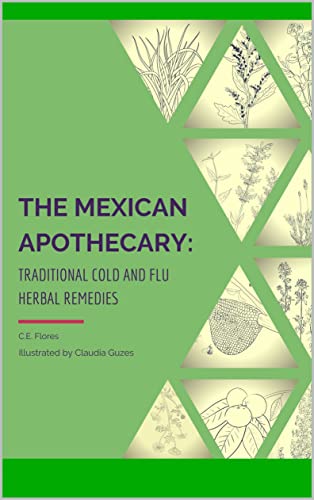
Along those lines, I’m also delighted to announce the publication of The Mexican Apothecary: Traditional Cold and Flu Herbal Remedies, now available on Amazon. In this beautifully illustrated book (with drawings by Claudia Guzes), you’ll discover information about more than 70 cold and flu remedies commonly used in Mexico including traditional treatments for:

  • Cough
  • Stuffy noses and congestion 
  • Headaches 
  • Sore eyes and earaches
  • Nausea and diarrhea
  • Sore throat and cold sores

There are also 44 plant studies with well-researched scientific support for each herb’s specific use as traditional alternative medicine.

Recently, I chatted with Roxana Bangura from the Bangura Chronicles about the validity of herb use for wellness and we talked about my book. You can check out that conversation here:

Mexican Traditional Herbal Remedies with Author C.E. Flores

If you are interested in downloading the Bugambilia Cough Remedy information I talk about with Roxana, you can do that below.

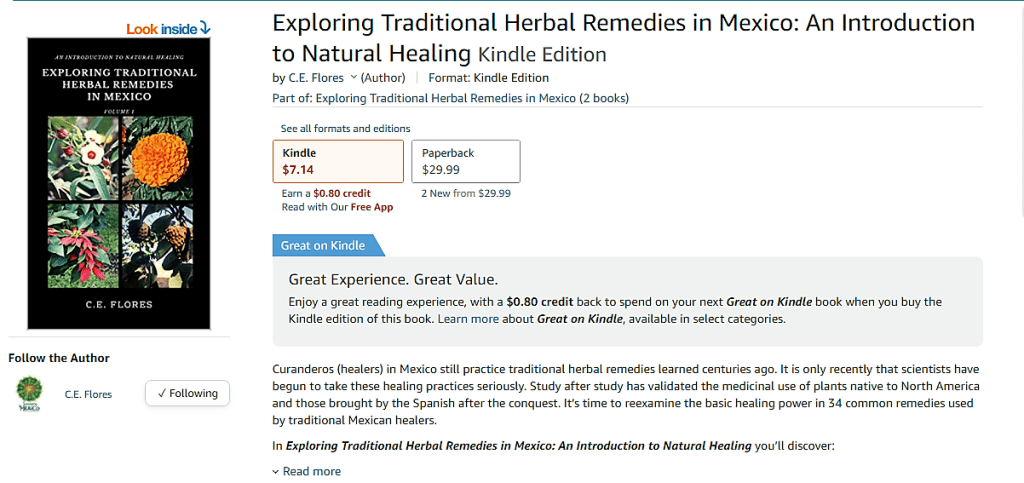
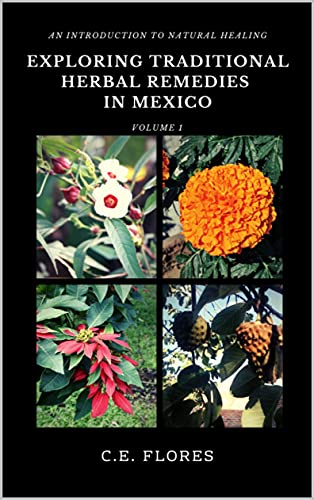
In other herb news, my book, Exploring Traditional Herbal Remedies in Mexico: An Introduction to Natural Healing was inducted into the Great On Kindle Program. When you buy the kindle version of this book, you get credit towards another book purchase from the Great On Kindle Program. It’s quite an honor for little ol’ me. 

Any of these herb books would make great gifts, for yourself or another health-minded loved one!

Leave a comment

Filed under Health

Natural Healing — Palo de Brasil

Haematoxylum brasiletto Photo credit: Jim Conrad

Palo de brasil (Haematoxylum brasiletto) is also called azulillo, palo rojo, Brasilillo marismeño, and in Nahuatl quamóchitl (or cuamóchitl) and hoitzquánhuitl. This tree has yellow flowers and under certain conditions can bloom most of the year. It is native to Mexico and Central America.

In some areas it is known as palo tinto or palo de tinto, however this name leads to some confusion due to the fact that a very similar tree, Palo de Campeche (Haematoxylum campechianum), is also called palo tinto. The misnomer continues when translated into English. Palo de brasil (Haematoxylum brasiletto) is Brasilwood, while Palo de Campeche (Haematoxylum campechianum) is Mexican logwood. Both trees are used to make paint dye (hence palo de tinto). Many herb texts use the two interchangeably, which is incorrect.  

Palo de Brasil has been used traditionally for heart conditions and kidney disease. The Aztecs used the bark as a treatment for diarrhea. In Sonora, twigs are chewed for mouth sores and tooth infections. The bark is combined with licorice root for asthma attacks. A tea made from the branches is a common remedy for depression, fever, and urinary issues. Other areas in Mexico use palo de Brasil as an astringent to clean wounds, treat skin infections and genital warts. 
This tree has anti-bacterial properties and has been shown to be effective against E.coli and Staphylococcus aureus infections. Brazilwood is also used in the treatment of gastric ulcers and cancer in some areas of Mexico. Studies have proven it has anti-cancer properties supporting its use in cancer treatment. Scientists have also discovered that it is useful in the treatment of diseases caused by parasitic protozoan trypanosomes of the genus Trypanosoma such as Chagas disease.

Palo de Brasil Infusion for Kidney Problems

Boil ½ liter of water. 

Add:

12 to 15 grams of palo de Brasil woodchips 

Drink 1 cup 3 times a day after meals.

***

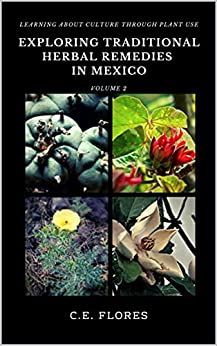
Interested in natural remedies? Uncover herbal remedies from traditional Mexican sources for healing and wellness in the Exploring Traditional Herbal Remedies in Mexico series.
Leave a comment

Filed under Health, Native fauna and flora, Natural Healing