Category Archives: Health

Natural Healing — Palo de Brasil

Haematoxylum brasiletto Photo credit: Jim Conrad

Palo de brasil (Haematoxylum brasiletto) is also called azulillo, palo rojo, Brasilillo marismeño, and in Nahuatl quamóchitl (or cuamóchitl) and hoitzquánhuitl. This tree has yellow flowers and under certain conditions can bloom most of the year. It is native to Mexico and Central America.

In some areas it is known as palo tinto or palo de tinto, however this name leads to some confusion due to the fact that a very similar tree, Palo de Campeche (Haematoxylum campechianum), is also called palo tinto. The misnomer continues when translated into English. Palo de brasil (Haematoxylum brasiletto) is Brasilwood, while Palo de Campeche (Haematoxylum campechianum) is Mexican logwood. Both trees are used to make paint dye (hence palo de tinto). Many herb texts use the two interchangeably, which is incorrect.  

Palo de Brasil has been used traditionally for heart conditions and kidney disease. The Aztecs used the bark as a treatment for diarrhea. In Sonora, twigs are chewed for mouth sores and tooth infections. The bark is combined with licorice root for asthma attacks. A tea made from the branches is a common remedy for depression, fever, and urinary issues. Other areas in Mexico use palo de Brasil as an astringent to clean wounds, treat skin infections and genital warts. 
This tree has anti-bacterial properties and has been shown to be effective against E.coli and Staphylococcus aureus infections. Brazilwood is also used in the treatment of gastric ulcers and cancer in some areas of Mexico. Studies have proven it has anti-cancer properties supporting its use in cancer treatment. Scientists have also discovered that it is useful in the treatment of diseases caused by parasitic protozoan trypanosomes of the genus Trypanosoma such as Chagas disease.

Palo de Brasil Infusion for Kidney Problems

Boil ½ liter of water. 

Add:

12 to 15 grams of palo de Brasil woodchips 

Drink 1 cup 3 times a day after meals.

***

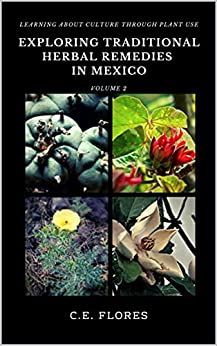
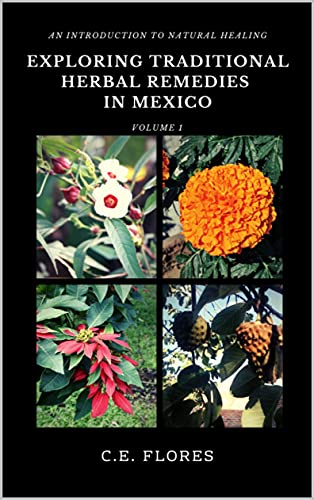
Interested in natural remedies? Uncover herbal remedies from traditional Mexican sources for healing and wellness in the Exploring Traditional Herbal Remedies in Mexico series.

Leave a comment

Filed under Health, Native fauna and flora, Natural Healing

Natural Healing — Romero

Photo credit: David Stang

Romero (Rosmarinus officinalis / Salvia rosmarinus) came with the Spaniards to Mexico. It brought its traditional use of cleansing. During the Middle Ages, rosemary was burned in homes to keep the black plague from entering. It was also commonly believed to dispel negativity. Curadeneras adopted its use as a spiritual cleansing agent, burning it in corners as part of a limpia (cleansing) and added to amole (Agave vilmoriniana) to wash floors. 

Traditionally, romero is included in remedies for digestive disorders, colds, hair loss, headaches, rheumatism, and regularization of menstruation.

“Rosemary is for Remembrance.” Romero has been shown to improve memory by facilitating oxygen extraction during moments of high cognitive demand. It has antinociceptive, anti-apoptotic, anti-oxidant, and neuroprotective properties and shown to have noticeable effects on mood, learning, anxiety, and sleep. 

For migraines, add a sprig of fresh yerba buena (Mentha spicata) or spoonful of dried leaves and a pinch of fresh or dried romero leaves in a cup of boiling water. Romero has proven analgesic and neuropathic pain reduction effects resulting from modulating neuroinflammation.

To slow hair loss, 20 grams of flowers and leaves are added to 1 liter of alcohol and left to marinate for seven days. FIlter the resulting tincture and rub it on the scalp twice a day. Studies have shown that topical use does improve hair regrowth. A hair rinse to promote shine is made from romero, manzanilla (Matricaria recutita), caléndula (Calendula officinalis), and salvia (Salvia officinalis). Combine the herbs and steep in boiling water for 20 minutes. Strain. Use three heaping teaspoons in a pint of water to rinse hair after shampooing. Encino bark (Quercus) and romero leaves are combined for dandruff treatment. Three heaping teaspoons of the mixture are added to a pint of water and boiled. Then lower the heat and simmer for 10 to 15 minutes. Allow it to cool and strain before using. 

For colds with a stuffy nose, a pinch of leaves and stems are made into tea and drunk as needed. A rub for colds is made with 20 grams of fresh romero leaves, the juice from one limón (Citrus × aurantiifolia), and ¼ liter of alcohol. Allow it to steep for 24 hours. Strain and heat the tincture until it is warm. Use it as a rub twice a day until symptoms disappear. Romero has a stimulatory effect on the immune system and is antimicrobial. It also demonstrates antiviral potential against the HIV-1 virus, influenza, and coronaviruses. 

A tea for digestion is made with 2 grams of leaves added to ¼ liter of water and drunk before each meal. Another digestive tea calls for 5 to 10 grams of leaves in ½ liter of water drunk 3 times a day after meals. Romero relaxes the smooth muscles of the trachea and intestine providing a choleretic activity, making it useful in the treatment of spasmogenic disorders and peptic ulcers.

A tincture for rheumatism is made by steeping 20 grams of dried romero leaves, 20 grams of flores de alhucema (Lavandula) in ½ liter of water for three days. Strain and rub on affected areas. Romero’s anti-inflammatory properties can also be experienced by drinking it. Traditionally, a romero decoction is prescribed morning and evening to help with rheumatism.

To bring on delayed menstruation or regulate cycles, drink 3 cups a day of a tea made from 50 grams of romero in ½ liter of water. 

NOTE: Pregnant women should avoid any remedy that contains romero.

*****

Learn more about Traditional Herbal Remedies in Mexico!

Leave a comment

Filed under Health, Natural Healing

Natural Healing — Yoloxóchitl

Yoloxóchitl (Talauma mexicana)

Yoloxóchitl (Talauma mexicana) is also known as Flor de corazón, Magnolia mexicana, yajlachhi in Zapotec, and Mexican heart flower. It is native to Mexico, Guatemala, and Honduras and in danger of extinction because of deforestation. It’s extremely fragrant white flower was highly prized by the Aztecs for both its aroma and medicinal properties. Interestingly enough, it was also used as a flavoring in chocolate beverages.

The seeds, petals, leaves, and bark are used in a variety of treatments including gout, epilepsy and fever and as a diuretic. The flowers are used in Oaxaca as a treatment for asthma.  However, its main use is for heart issues. In the Zapotec tradition, a petal infusion is the treatment to strengthen the heart. A leaf infusion is used to improve circulation and tone the heart.

 Studies show that Yoloxóchitl (Talauma mexicana) does indeed have both digitalis and diuretic effects. Furthermore, scientists have proven that it can be an effective treatment for asthma. Unfortunately, there has not been much research done on this beautiful flower and with its status as an endangered species, it may soon be lost altogether along with its medicinal benefits.

Heart Tea

  • Yoloxóchitl (Talauma mexicana) 5 grams of the seeds and bark 
  • Valeriana roja (Centranthus ruber) 1 small root 
  • Flor de manita (Chiranthodendron Pentadactylon) 1 dried flower

Allow to steep and drain. Drink one cup per day as needed to calm heart palpitations.

Heart Tonic Infusion

  • 4 tablespoons of Yoloxóchitl (Talauma mexicana) flower cut into small pieces
  • 2 tablespoons of Flor de azahar (Citrus aurantiifolia)

Boil in 1 liter of water for 2 or 3 minutes. Allow to steep for 30 minutes. Drink 2 or 3 cups per day.

***

Interested in natural remedies? Uncover herbal remedies from traditional Mexican sources for healing and wellness in the Exploring Traditional Herbal Remedies in Mexico series.

Leave a comment

Filed under Health, Native fauna and flora, Natural Healing