Make It Happen 2024

I like to start out the year with some definite intentions, not necessarily resolutions, and here’s what I’ve got planned for 2024. 

Writing

Somehow, I STILL have 13 WIPs (works in progress) even after publishing six books last year. I’d like to get another six done this year, which means I need to do better about organizing my time. I spent a lot of time being an employee rather than a writer in 2023, and although it helped further other goals, it did not do much for me as a writer. (Read more in WIPs 2024–Challenge Accepted)

So, my concrete goal is to complete one book in each of my series (A Woman’s Survival Guide, Herbs, Mexican Apothecary, Animal Antics, La Yacata, Women in the Bible). 

La Yacata

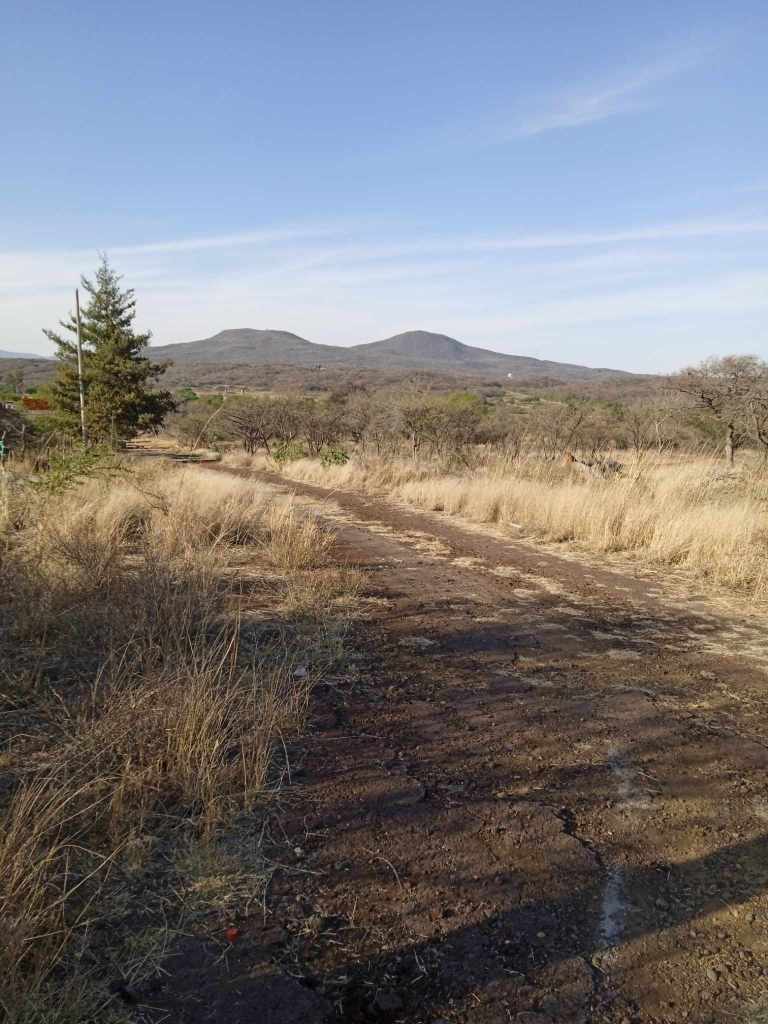
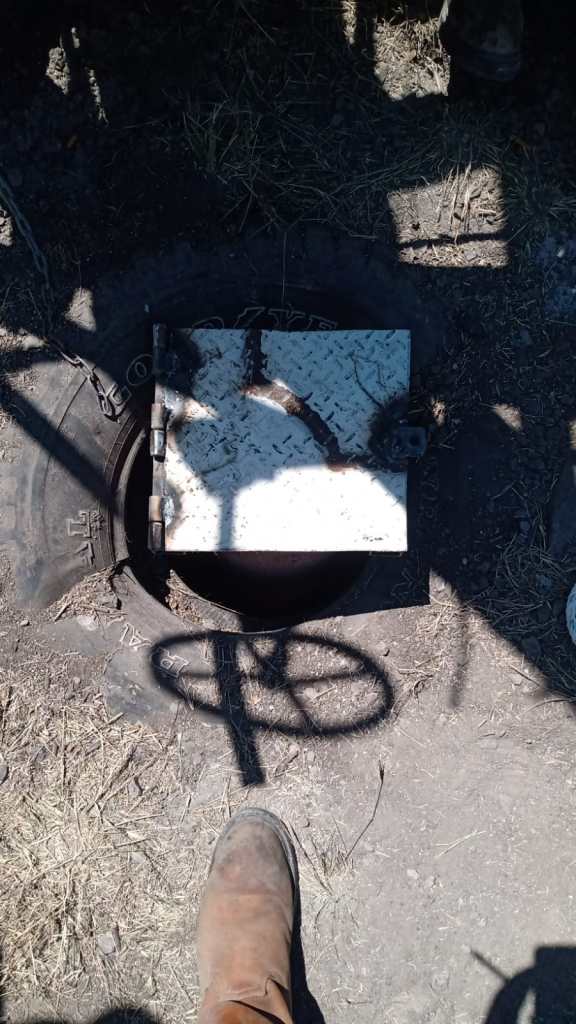
The renewed actions towards getting utilities have been taking up a lot of my time. The ultimate goal, of course, is to have said utilities. The projects that I think we can handle this year are the legalization of the pozo (well) and the ok to proceed with the electricity from CFE. (Read about the latest in La Yacata Revolution)

Construction on my son’s house is also high on the priority list. In 2023, we managed to get the second and third-floor building parts finished, which were some of the most expensive projects. In 2024, the bathroom, kitchen, and wall finishing are on the project agenda. Depending on finances, the final two actions before habitation (windows and flooring) may or may not get done. (Read about the latest project here.)

Self-Care

The third category that I will be attending to in 2024 is self-care, ‘cuz if mama ain’t happy, ain’t nobody happy. The last couple of months in 2023 saw a dip in exercise that I’m determined to bring back up to snuff. I also set up a reading challenge for myself. My plants didn’t do so well last year, so I’d like to spend more time tending to them. And finally, that pool where I can float and drown my sorrows will be in use as soon as the temperatures permit it. 

Leave a comment

Filed under Uncategorized

Signed, Sealed, and Delivered?

For the December junta (community meeting), I thought it would be a good idea to send letters to colonos to make sure we weren’t missing those who didn’t listen to the radio or hadn’t seen the sign posted on my sister-in-law’s tortillería. 

The last time we tried to rally the troops I hand-wrote addresses on flyers, and my husband delivered them. With every person averaging four names (first, middle, paternal last name, maternal last name) and every street at least four words long (Avenida Juan Jose Torres Landa), it was a very time-consuming process. 

This time, I thought I’d try to make up printable address labels so that future mailings would be easier. It was a very time-consuming process. I tried to organize the list by colonia (neighborhood) and make just one label per address if several family members had lots in La Yacata. And it was a very time-consuming process.

The final letter sent outlined what we had been doing since June, including our progress on the electricity, water, sewer, and lot registration. It also clarified that the registration process would end in January and we would be charging a fine for anyone who registered after that date (with the exception of new sales). Additionally, we would start charging a late fee for any outstanding demanda (lawsuit) money in January. This fee was assessed in 2012 in the amount of $250 pesos per lot to cover the lawyer’s defense when Chuchi sued the colonia, saying we owed him money. The letter ended up being three pages long. 

I had to buy business-size envelopes and get the 300 copies of the letter printed. It made for a hefty bill at the papeleria (stationery store). Then, there was the stuffing and the address affixation. I didn’t have adhesive labels, so I just printed it out on regular paper and taped it on. It was a very time-consuming process.

We went to the post office to see how much this would cost and the estimate was between 10-12 pesos per letter. All righty then. My husband said he would deliver them on his moto. It took 5 days and two tanks of gas, but most of them got to the right person. About 10 lived outside the immediate area, like in Mexico City or Morelia, so those did get sent via Correos de Mexico. Then I discovered another 17 in his messenger bag that he said were “duplicates” but weren’t, so that bunch got mailed as well. Just so you know, Moroleon mail delivery is done by bicycle in most areas, so I imagine those last 17 deliveries were time-consuming as well.

This massive letter also contained information on our brand-spanking new Facebook community page and my phone number as a WhatsApp contact. As soon as the letters hit the doorstep, I was getting calls. Phone calls, mind you, not WhatsApp messages. Of course, these people were calling during my online work meetings and classes, which totally stressed me out. 

So it came to me that perhaps these methods of communication (Facebook/WhatsApp/letter) weren’t the best for our community. A good portion were illiterate, which means sending text messages is nigh impossible unless they had a child or grandchild do it for them. Then the humongous letter was dense and packed with juicy informative bits that a portion of property owners could not read. Again, they would need to rely on someone else to read it to them. This literacy gap would explain why most juntas (meetings) that Chuchi (the former guy in charge) called were via radio announcement only. It also explained how he managed to bamboozle residents for so long. They weren’t able to read those documents he flaunted and believed his explanation of things. Sigh.

We rehung the message board as well.

But I have to say, this letter-sending method of communication was effective to some extent this time. Property owners came out of the woodwork. J. Trinidad called to say that he gave his lot some time ago to Pancho Flores to cover a business debt (something to do with cell phones), but Pancho died of Covid two years ago and that he didn’t know who had the property certificate now. Ma. Trinidad (no relation) called from Chicago to say that she had the property certificate with her in the U.S. and was planning on coming home in February, depending on this next doctor’s appointment to die at home. 

Family representatives came knocking with concerns about how to register lots of family members who lived in the U.S. now. Several more contacted me saying their parent had passed on and they needed to transfer ownership, so I explained the procedure to them (copy of will and/or acta de defunción to start with), and we got those registered. 

As a result of this letter-sending campaign, there were a few follows and likes on the Facebook page, but not as many as I’d hoped. Many of the colonos are over the age of 70 with a handful over the age of 90 and not tech savvy. I was hoping that the Facebook/WhatsApp information would help those who are in the U.S. keep up with our progress, but perhaps their parents (those 70-90) who couldn’t read didn’t know to pass that information on to them. 

There were also a handful of visits, before and after the junta, about different items. Some came to assure themselves that their lots were registered (most were). Others came to pay the $200 pesos we were gathering to clean out the unregistered community well and conduct water studies to see whether it not we could use it as our water source. And still, others came with certificates issued by the now-deceased Chuchi claiming property rights to lots that belonged to others. Chuchi was notorious for reselling lots when the coffers were empty. Unfortunately, now that Chuchi has gone to the great beyond, there’s not much we can do to help them recover their money anymore. 

Although I thought the letter would launch us ahead in the community organization process, it looks like the paperwork has just begun. 

**************

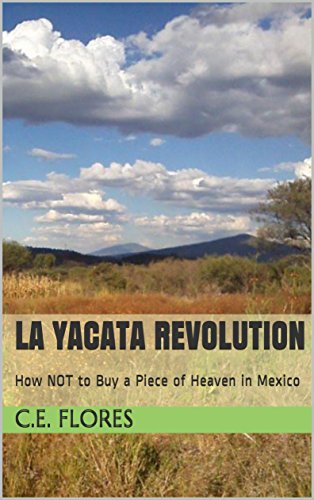
Read the prequel! La Yacata Revolution: How NOT to Buy a Piece of Heaven in Mexico

3 Comments

Filed under La Yacata Revolution

Natural Healing — Tejocote

Photo credit: Bernard Spragg. NZ

Tejocote (Crataegus mexicana) is Mexican hawthorn and is found in the mountainous regions of central Mexico. There are some herbal guides that list this tree as Crataegus pubescens Steud, but it is not considered a synonym according to botanists. However, Crataegus gracilior J.B.Phipps and Crataegus pubescens Steud are considered the same variety of hawthorn also native to Mexico. Crataegus oxyacantha is yet another hawthorn variety known as el espino blanco, espino albar, or majuelo. It is estimated that there are at least 13 native Mexican hawthorn species. 

In Mexico, these fruit-bearing species tend to be used interchangeably as medicine, although only Crataegus mexicana is known as tejocote. This name is the Spanishized version of the Nahuatl word texocotl, which means “sour stone fruit” and refers to the fact that the small apple-like fruit typically contains three or more pits and is sour when eaten raw. Other names include kanal chiste in Chiapas, npeni in otomí, and karhasi in Purhépecha.

In general, the leaves, seeds, flowers, fruit, bark, and roots of the Crataegus varieties found in Mexico are used to treat heart disease, hypertension, diabetes, and respiratory diseases. A root infusion is used as a diuretic and diarrhea remedy. An infusion made from the leaves and flowers to treat intestinal parasites

Interestingly, in the state of Michoacán, tejocote is given to children for “chipil.” This is a condition a child gets when his or her mother is pregnant. It is characterized by excessive crying, loss of appetite, and slight yellowing of the skin. A mild tea made from the leaves is made to help alleviate the condition which disappears on its own when the sibling is born. Also, in Michoacán, adult-onset diabetes is treated with a tea made from the leaves, roots, or bark.  

Tejocote is enjoyed raw, cooked, canned, in liquors, traditional sweets, jams, and preserves. It’s a main ingredient in ponche Navideño (Christmas punch). It is also prominent in Día de Muertos altar offerings. 

For respiratory issues, including bronchitis and cough, tejocote fruit is boiled and then eaten. An infusion made from the leaves and bark is prescribed for stomach issues. Another diabetes remedy calls for crushing the root, then boiling it, after which it is left to steep in aguardiente (alcohol) and drunk. Tea made from the roots or leaves is drunk three times a day for kidney problems. 

Alipotec is a diet supplement available in many Spanish-speaking countries (and Amazon) that reportedly contains tejocote root. Because of the side effects users were experiencing, several scientists decided to look into its composition. What they found was that there was no evidence of tejocote in the capsules. Instead, they found yellow oleander (Cascabela thevetia), which is poisonous. Tejocote root is also mildly toxic and can cause respiratory depression and irregular heartbeat. 

The Crataegus species studied have been found to contain quercetin which has antioxidant and anti-inflammatory effects, kills cancer cells, controls blood sugar, and helps prevent heart disease. Crataegus mexicana is antioxidant, toxic to liver flukes, and immunostimulatory. The leaves and stems from the Crataegus gracilior J. B. Phipps are anticancer, and the flowers, leaves, and fruit are potent vasorelaxants. It is also hyperglycemic, supporting its traditional use in the treatment of diabetes. Crataegus oxyacantha leaf and bark extracts have also been shown to be effective in treating cardiovascular diseases.

Dulce de Tejocote for Cough

  • 8 tejocotes (Crataegus mexicana)
  • 1 pinocillo cone (or 3/4 cup packed brown sugar)
  • 1 tablespoon vainilla extract (Vanilla planifolia)
  • 1 stick of canela (Cinnamomum zeylanicum)

Wash the tejocotes. Bring 1 liter of water to a boil. Add the tejocotes and boil for 3 minutes. Remove the tejocotes and place them in cold water. The skins will pucker so that you can peel them. Add the piloncillo cone, canela, vainilla, and peeled tejocotes back to the pot. Boil for 40 minutes, stirring continuously. Allow to cool for 2 hours before serving. 

***

Interested in natural remedies? Uncover herbal remedies from traditional Mexican sources for healing and wellness in the Exploring Traditional Herbal Remedies in Mexico series.

Leave a comment

Filed under Health, Mexican Food and Drink, Native fauna and flora, Natural Healing