Tag Archives: Mexico

Generosity

stretched-mind

Since the last negative response of the community members of La Yacata, the mesa directiva (community board) has been taking a hiatus from all work projects. We continue to register owners and issue new property certificates and answer questions when folks show up at our doors, but any and all community planning has been put on hold.

It’s time to get back on that pony, though.

Those of you who have been following our little revolution in La Yacata now that our current situation is bleak. Residents and would-be residents have lost hope. La Yacata has once again been abandoned. Construction and dreams have been deferred–until such time as there is electricity. So, it’s time to figure out just how electricity can be obtained.

Recently, I have been investigating solar power options for our home. It hasn’t been easy. I know so little about the process that I’ve had to flounder about a bit in my search for information. Well, I finally found someone willing to take the time to answer my questions and analyze our particular situation. A big hooray for Frank at Frank O’Grady Solar for that!

Based on the information that I have gleaned, it is our goal to have a basic solar powered setup in our home before the end of 2016. With a functioning setup, we would be able to educate the current residents about their options with this type of electricity.

The issue that remains is the cost of a system, $5,000 USD and up, depending on the quality and capacity of the setup. As you know, nearly all of our community members are campesinos (farmers) and with the cost of living as it is, are barely making enough to survive day to day. Many of our older community members have already transferred ownership of their properties in La Yacata to their children and grandchildren, in the hopes that their investment will pay off, not in their lifetime, but in their children’s lifetimes. Really, it’s a sad commentary about the speed of progress in our area.

It is my intent, therefore, to set up a fund for the community that would enable residents to install a solar powered system and live more comfortably in La Yacata now, not at some distant future date. The fund would be available to community members already living in La Yacata first since their need is more pressing, but then would be opened to those who agree to take up residence. The recipients would be able to arrange a flexible and extended payback schedule so that other community members would be able to make use of the funds.

Oh, don’t worry about those less than savory neighbors. I’ve become quite an expert during my time as treasurer for La Yacata on the use of the pagare (promissory notes)and the Ministerio Publico just in case one of our screened and approved beneficiaries decide they don’t need to repay so that others can benefit.

Here’s where you can help. When making out your Christmas list this year, why not add La Yacata? When figuring out your charity donations for the end of the year tax credit, why not consider La Yacata?

But, you might ask yourself (or me) why should I donate?

There really isn’t any reason why you should. After all, it’s a dog eat dog world out there and it’s important to look out for your own, not some strangers thousands of miles away. However, if you do decide to donate, even a little bit, the residents of La Yacata that this program would benefit, including my family, would be ever so appreciative.

Donate–

for personal reasons–

**in memory of my mother-in-law who died before her dream of electricity was realized

**so that my son doesn’t need to light a candle to continue his studies

**to eliminate the trip to town my father-in-law makes on his bicycle to charge his phone

**to make up for those care packages you never did around to mailing

**because you know me personally and are convinced of my integrity and determination and furthermore know I would never ask if I could do it myself

Donate–

for public reasons–

**to help create an environmentally-friendly self-sustainable community

**to make a political statement

**to reduce the high incidence of night-time theft in La Yacata

**for the families that continue to pay rent, year after year, instead of investing in the future

**just because it’s a good thing to do

So now that I’ve given you a few reasons to donate, here’s how it works.

I’ve set up a fundraising account at Generosity by Indiegogo. If you haven’t heard of Generosity, it’s a fundraising community for personal and social causes. You’ll be able to see other worthy causes at this site as well, in case you feel like giving even more this holiday season.

Update:  After a year of inactivity, I have deleted the fundraiser.  

Please share this information as far and as wide as possible.  Locally we are at a standstill.  Perhaps globally we can advance.
*************************************************

disclosure

9 Comments

Filed under Electricity issues, La Yacata Revolution

Christmas in México–La Virgen de Guadalupe

virgen

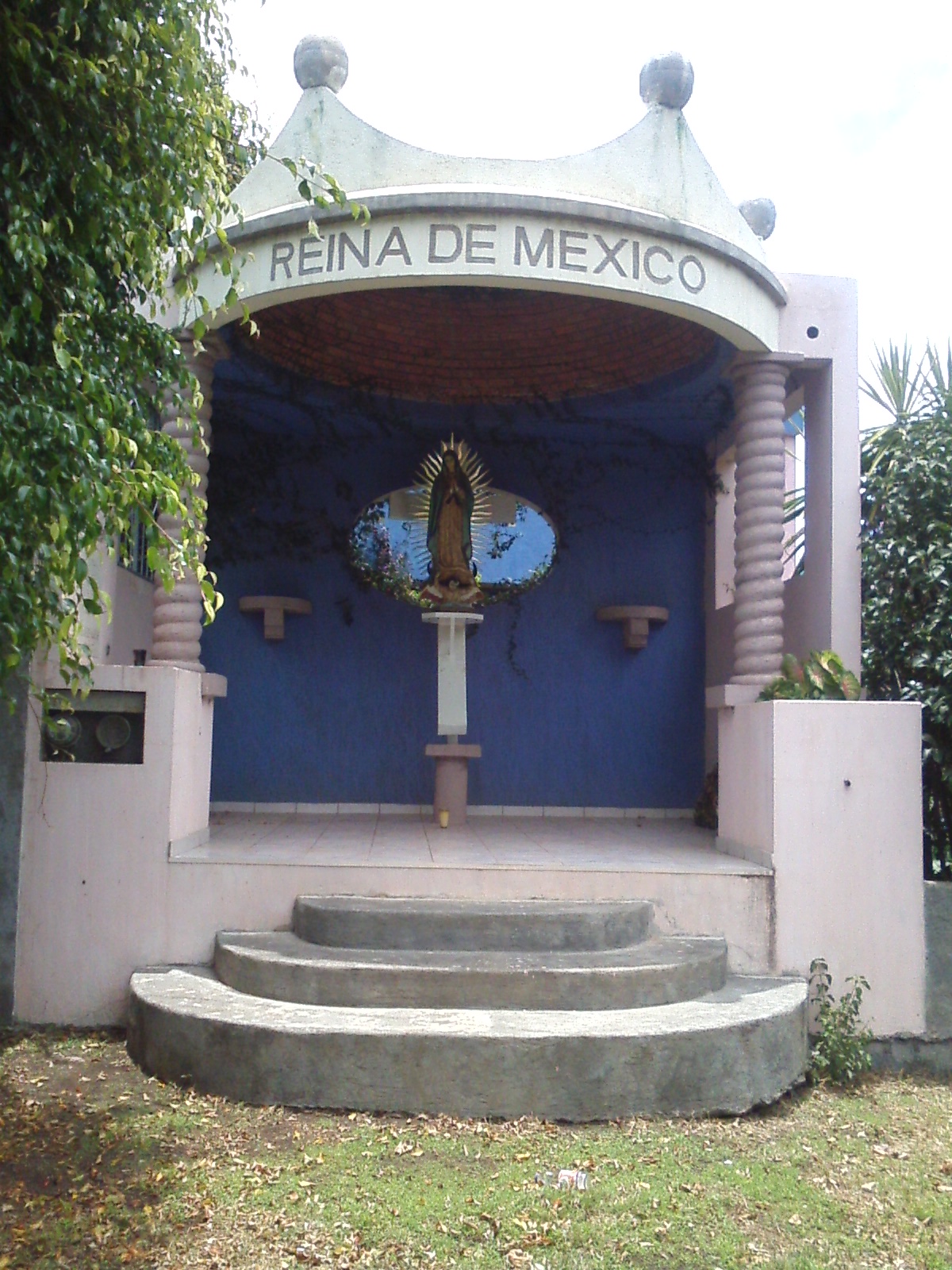
The Virgen de Guadalupe (Virgin of Guadalupe), a.k.a. Nuestra Reina de México, La Empresa de las Americas and The Protectress of Unborn Children, is the most revered religious and political image in México and her feast day on December 12 kicks off the Christmas season in grand style.

So who is the Virgin of Guadalupe? According to Catholic sources, on December 9, 1531, a peasant by the name of Juan Diego, saw a vision on the Hill of Tepeyac, outside of Mexico City. The site was formerly a shrine in honor of the goddess Tonantzin, “Our Sacred Mother” but had been burnt to the ground by the Catholic missionaries. The reported vision was in the form of a young dark-skinned girl and spoke Nahuatl, an indigenous language. She instructed Juan Diego to build a shrine in her honor at this site. Juan Diego went and told the Archbishop this story. Juan Diego insisted that this vision was the La Virgen María (the Virgin Mary), but the Archbishop wanted proof, so Juan Diego returned to the site and asked for a miracle. The vision told Juan Diego to gather flowers, and the apparition arranged them on his poncho. When Juan Diego opened his poncho in front of the Archbishop on December 12, the flowers fell to the floor, and the fabric showed an imprint of the image known today as the Virgen de Guadalupe. (LA VIRGEN DE GUADALUPE)

Juan Diego was given sainthood, and the Catholics were given México.The poncho (tilma) is on display in the Basilica of Our Lady of Guadalupe behind bulletproof, climate-controlled glass, for any who wish to see but not touch. So basically, La Virgen de Guadalupe is Mary, the mother of Jesus, but not.

la reina de mexico

Even more than the religious influence, the image of La Virgen de Guadalupe has been a unifying political force in México. The first president of México, José Miguel Ramón Adaucto Fernández y Félix changed his name to Guadalupe Victoria (Victory of Guadalupe) in her honor. Father Miguel Hidalgo, in the Mexican War of Independence (1810), and Emiliano Zapata, in the Mexican Revolution (1910), led their armies with Guadalupan flags emblazoned with an image of Our Lady of Guadalupe. El Grito de Dolores, (See Mexican Independence Day) ends with the passionate cry of “Death to the Spaniards and long live the Virgin of Guadalupe. José María Morelos adopted the Virgin as the seal of his Congress of Chilpancingo. All because her blessing guarantees success like no other to a true Mexican.

This holds true for namesakes as well. There is no end to the men and women (Lupes, Lupillos, Lupitas, Lupillas) that carry the sacred name of La Virgen as their personal Saint and enjoy the festivities on December 12 as their Saint Day.

tepeyac

So how is La Virgen’s de Guadalupe’s feast day celebrated? Beginning on December 3, there is a 9-day novena (See La Novena) which ends on December 12th. If you need special intervention for a personal cause, you can make the pilgrimage to México City to lay your plea at her feet during this time. If you are not able to make the trip, shrines pop up all over México, so you still get a chance no matter where you are, although the surest and most direct route for prayer answering remains at the shrine in the Basilica. Don’t worry about oversleeping, fireworks in her honor begin before the sun shines. On the morning of December 12, home and church shrines are serenaded with Las Mañanitas as you would any other Mexican on his or her Saint day and birthday.(NOVENA A LA VIRGEN DE GUADALUPE)(Mananitas a La Virgen De Guadalupe: La Reina)

virgen church

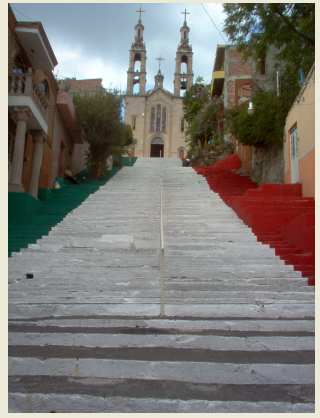
In Moroleón, the street Tepeyac is closed and a sort of tianguis (See Failing at your own business-Tianguis) street fair is set up. Street vendors sell their things, kiddie rides are available, and at the end of it all, up a long, long flight of stairs, you can attend mass at the templo (church) in Uriangato.

The Virgin of Guadalupe Religious Statue

********************

disclosure

16 Comments

Filed under Mexican Holidays, Religion

Mexican Independence Day

September is a particularly patriotic month for México.
salute
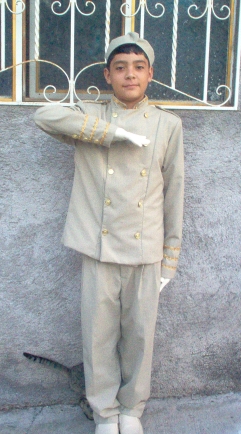
It begins with the commemoration of the Niños Heroes (Boy Heroes) on September 13th. Our little school had “la mañanita Mexicana” on  the 13th (which is also the anniversary of the Congress of Chilpancingo or Anahuac when México declared itself independent from Spain in 1813) and in addition to the typical traditions, honored those cadets that died defending the flag at Mexico City’s Chapultepec Castle from invading U.S. forces in during the Mexican–American War in 1847.

In the call and response manner commonly found in the Catholic Church, each teenager’s name was read, and the attendees responded with “Murió por la patria.” (He died for our country.)
The Niños Héroes were:
Juan de la Barrera (age 19)
Juan Escutia (age 15–19)
Francisco Márquez (age 13)
Agustín Melgar (age 15–19)
Fernando Montes de Oca (age 15–19)
Vicente Suárez (age 14)
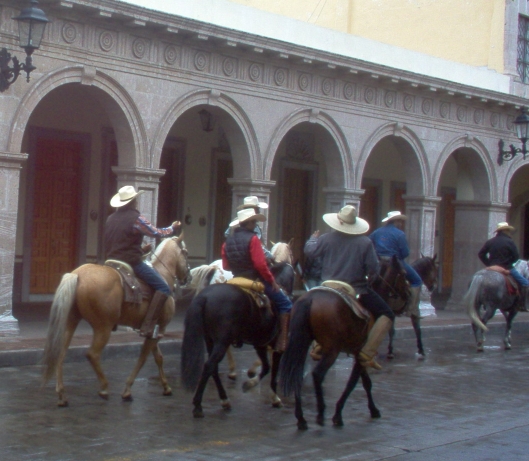
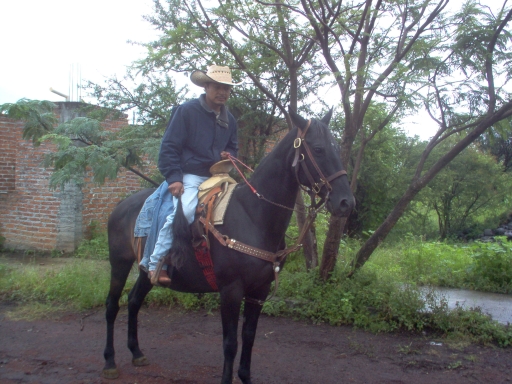
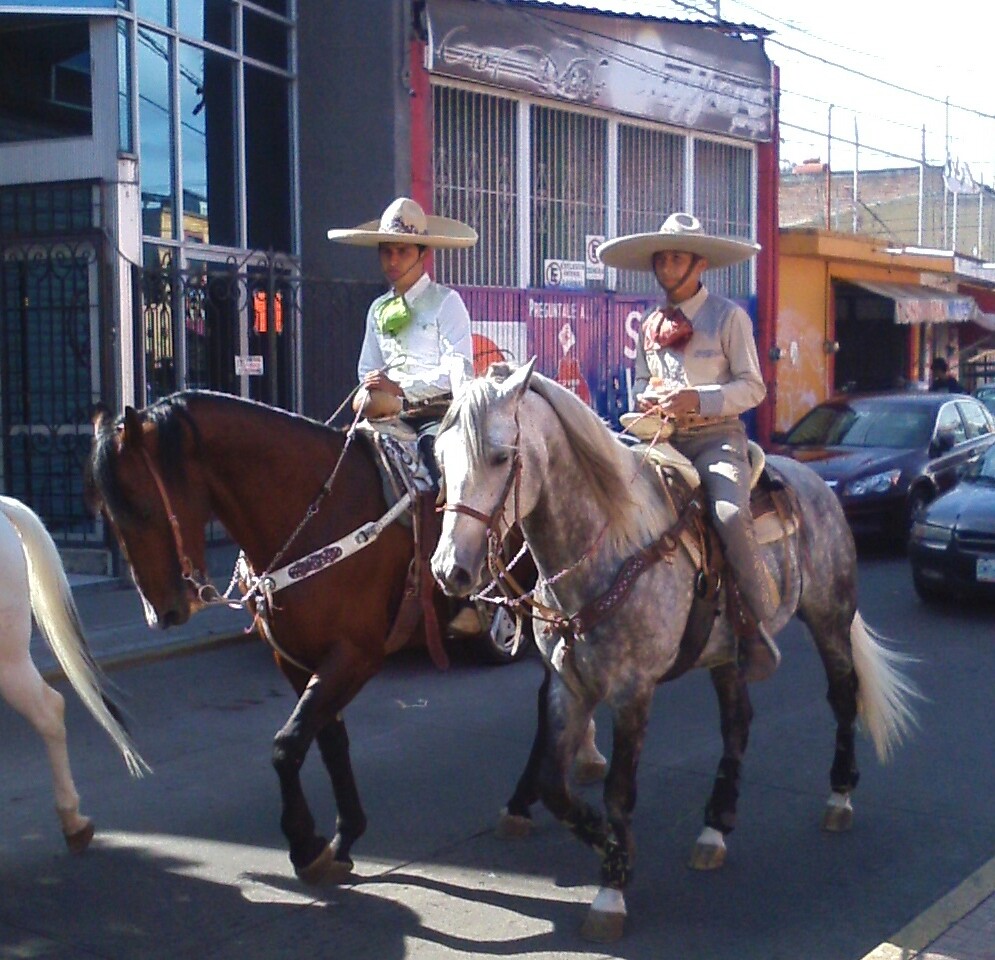
Each town does things a little differently. In Moroleón, in the afternoon on September 14, there is a caminata (mini-parade) of local horsemen from Moroleón to El Ojo del Agua Enmedio (where we go to get our water supply). This year, my husband participated with Beauty.

tail end of the caminata

caminata

My husband all ready for the caminata.

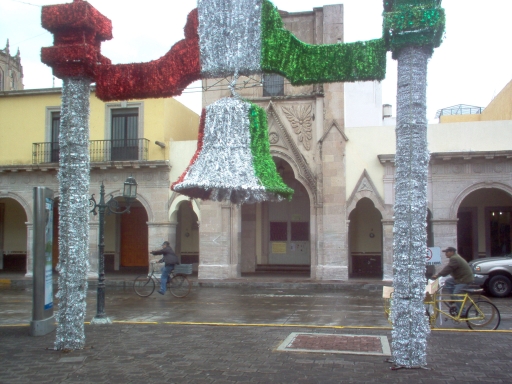
El Grito de Dolores (The Shout from Dolores–a small pueblito (town) where Hidalgo made his call to arms speech) on September 15th, marks the official beginning of the Independence day celebration at around 11 p.m. The church bells are rung and the presidente (mayor) of Moroleón recites El Grito (the shout) with attendees responding with “Viva” to indicate their support. independance day
¡Mexicanos! (Mexicans)
¡Vivan los héroes que nos dieron la patria y libertad!
(Long live the heroes that gave us our liberty)
¡Viva Hidalgo!
(Long live Hidalgo)
¡Viva Morelos!
(Long live Morelos)
¡Viva Josefa Ortíz de Dominguez!
(Long live Josefa)
¡Viva Allende!
(Long live Allende)
¡Viva Galena y los Bravos!
(Long live Galena and the Braves)
¡Viva Aldama y Matamoros!
(Long live Aldama and Matamoros)
¡Viva la Independencia Nacional!
(Long live national independence)
¡Viva México! ¡Viva México! ¡Viva México!
(Long live Mexico)

The church bells are rung again and the pyrotechnic show begins.

parade

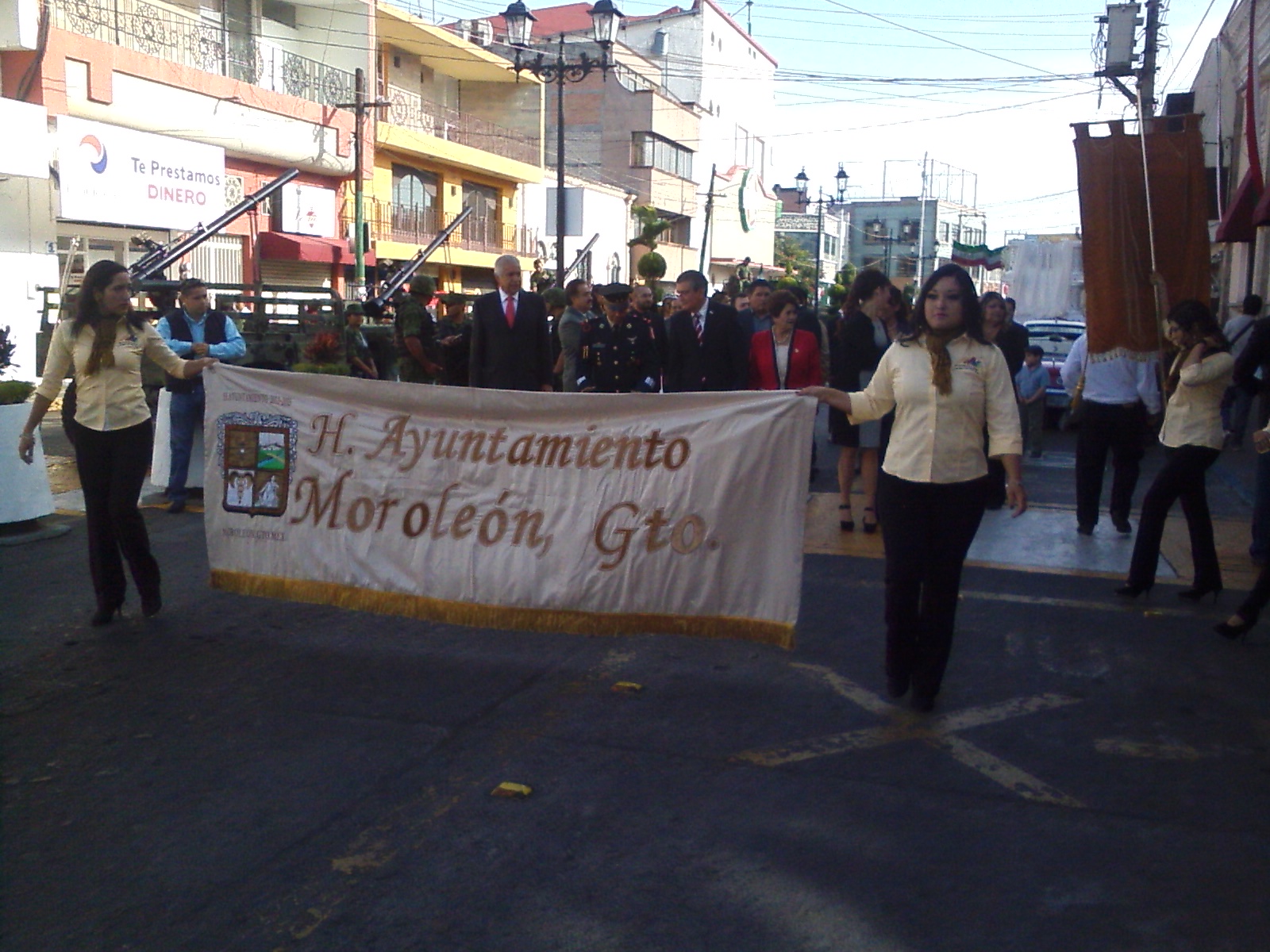
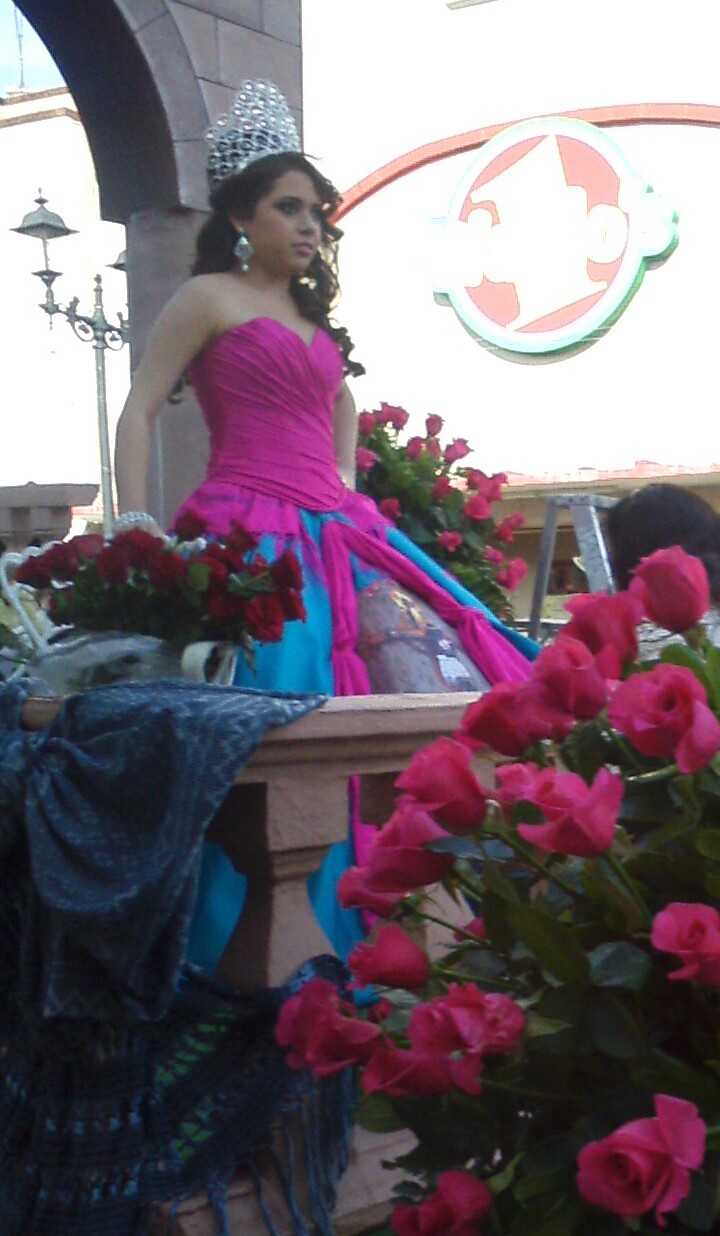
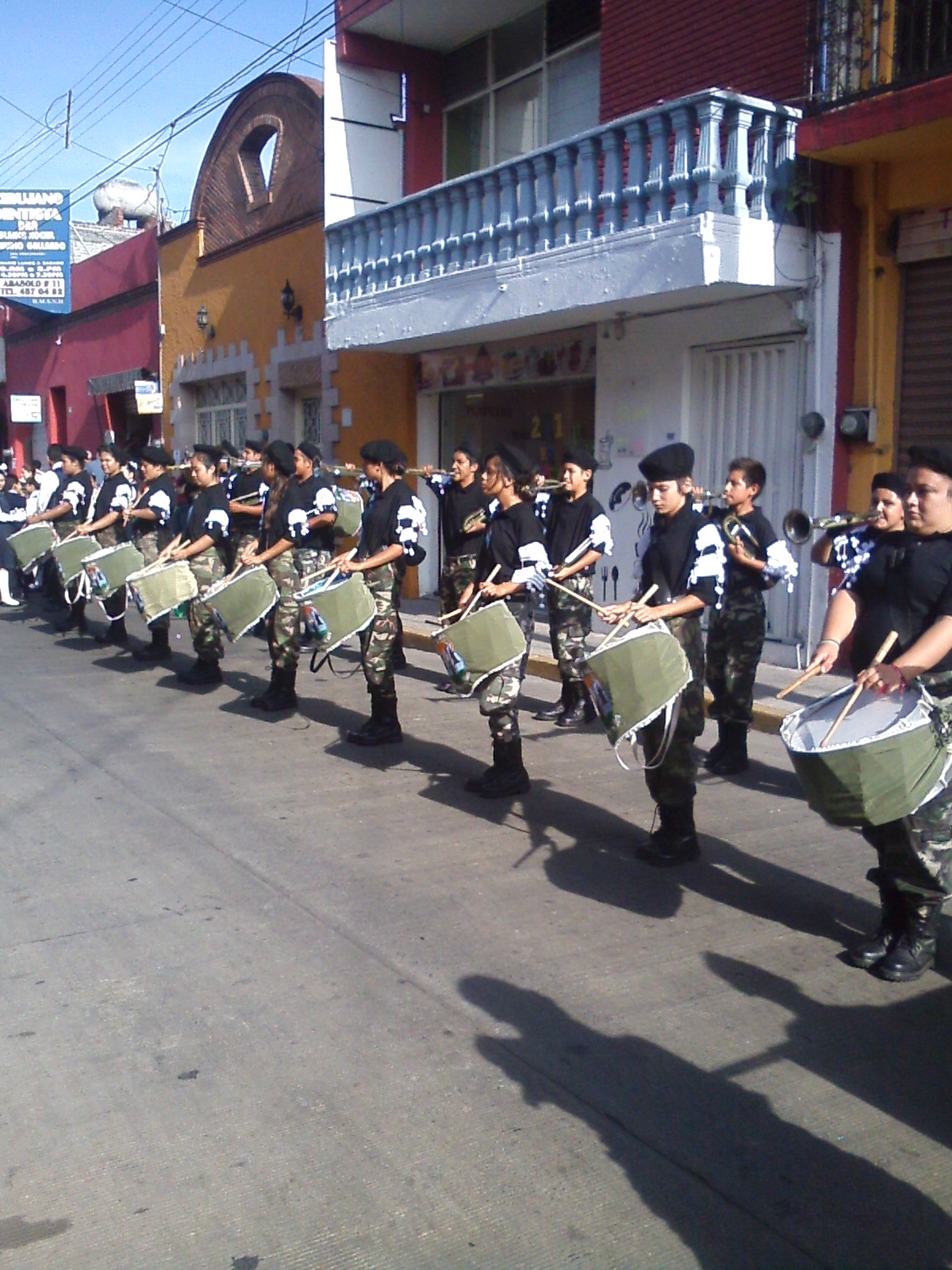
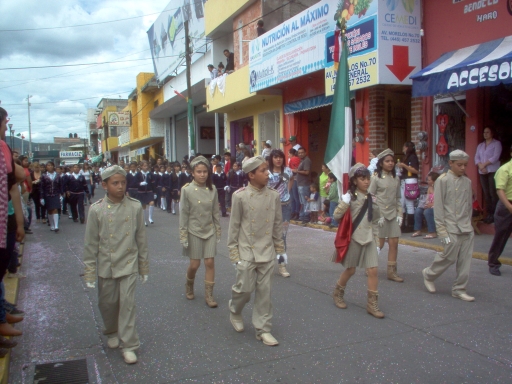
In Moroleón, there is a civic parade in the morning on September 16. The members of the presidencia (City Hall) lead the march with la reina de Moroleón (sort of like the homecoming queen) and her escort of charros (horsemen) finishing it off.

wpid-cam02092-1.jpgwpid-cam02163-1.jpg

The horses, in my opinion, the best part, are at the very end so that marchers don’t have to swerve around poop piles. Most of the civil organizations of the town are represented, from the Down Syndrome club to those of the tercer edad (elderly). Students from the secondarias (high school) and tele-universities and their drum and bugle members also march. It makes for a long and tedious procession.

wpid-cam02098.jpg

There is a second parade on either the 27th or 28th of the month to mark the day of the Declaration of Independence of the Mexican Empire which happened September 28, 1821, 10 years after the historic “grito.” I’ve mentioned before, things here in México take much longer than anticipated, including the fight for independence. This parade is open to the primaria (elementary) schools in addition to those that participated in the first parade, therefore, an even longer and more tedious procession. Last year my son was chosen to be part of the escolta (honor guard) for his school. As Los Niños Heroes (see above) died defending the flag, in their honor the members of each school’s escolta (honor guard) are the best and brightest with the highest promedio (grade average). Needless to say, I was one proud mama cheering him on!

esculta

Each school has an escolta (honor guard) in the parade.

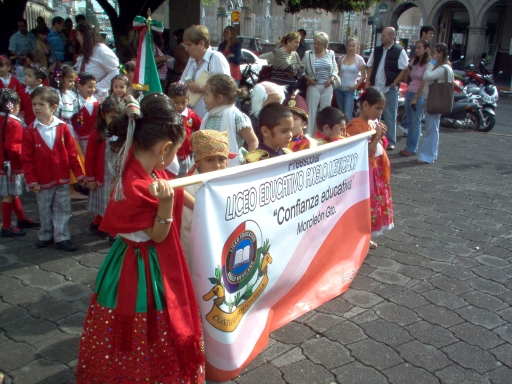
The kinders (kindergartens) also have a parade, but it is much shorter. It involves no more than 3 times around the plaza but even that is tiring for little legs.
kinder parade
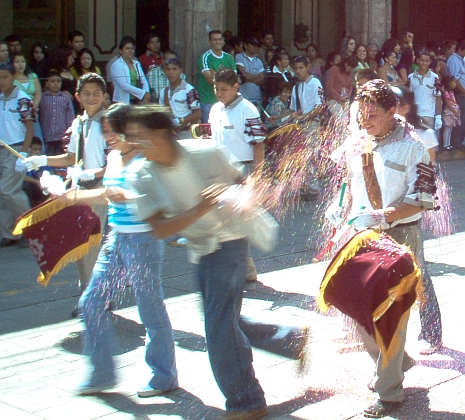
The best part of the parades is the dousing with confetti. Parade marchers that are not honored with the confetti hasta los chonies (all the way to the underwear) experience are those without attentive family or friends in attendance. Bags can be bought for the low, low price of 5 pesos for 2 little bags. I imagine clean up is a drag for the street sweepers though. confetti

If you missed the patriotic events this month, don’t fret. You’ll get another chance in November with the commemoration of the Mexican Revolution!

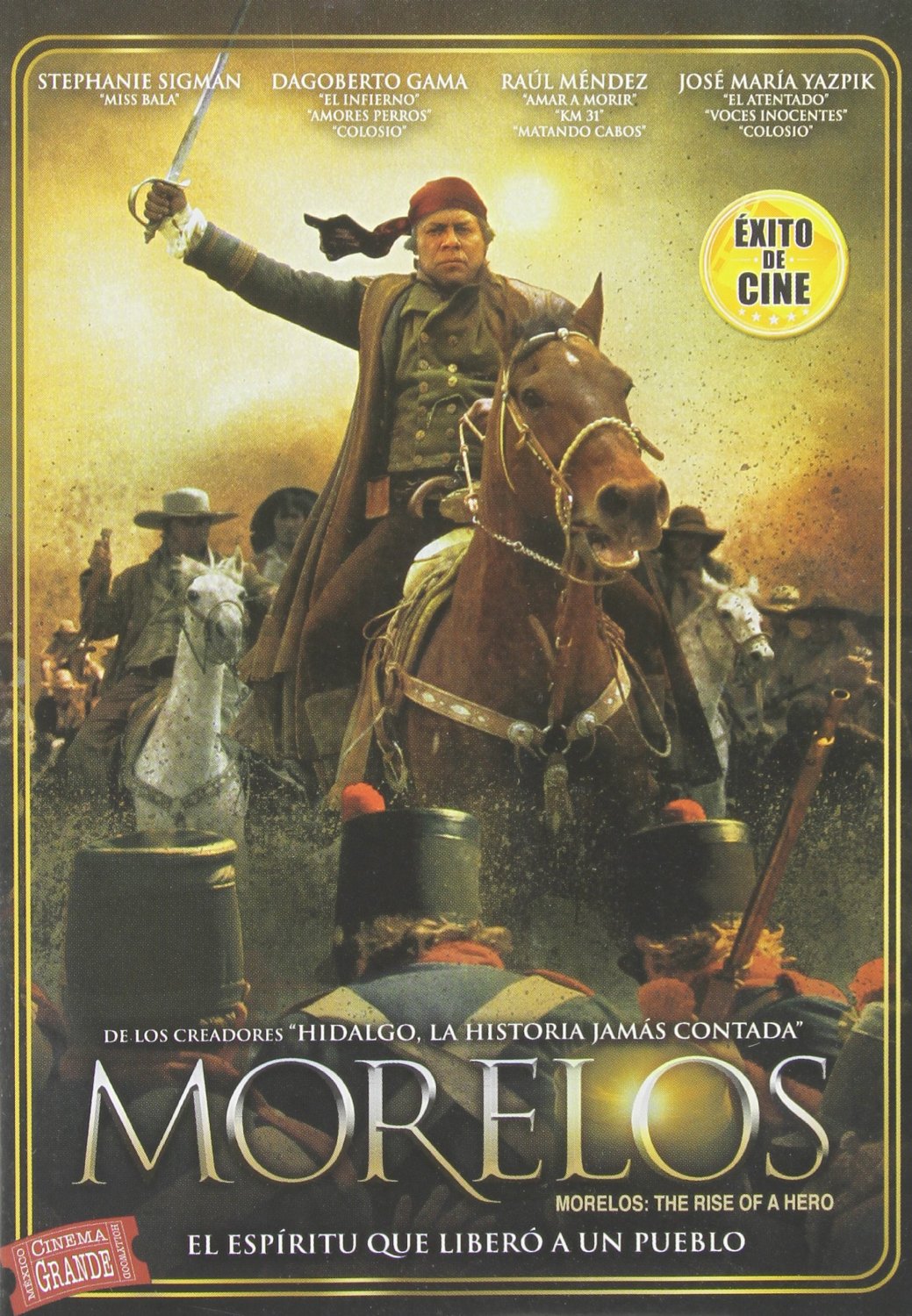
morelos

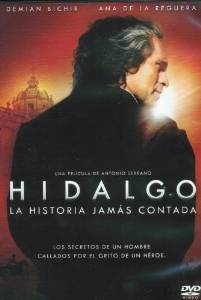
If you are interested in learning more about the complicated events surrounding the Mexican fight for independence, you can start by watching Hidalgo La Historia Jamas Contada.

hidalgo

************************
Do you want to learn more about Mexican history?cover holidays

1 Comment

Filed under Mexican Cultural Stories, Mexican Holidays