Tag Archives: mexican remedies

Natural Healing — Romero

Photo credit: David Stang

Romero (Rosmarinus officinalis / Salvia rosmarinus) came with the Spaniards to Mexico. It brought its traditional use of cleansing. During the Middle Ages, rosemary was burned in homes to keep the black plague from entering. It was also commonly believed to dispel negativity. Curadeneras adopted its use as a spiritual cleansing agent, burning it in corners as part of a limpia (cleansing) and added to amole (Agave vilmoriniana) to wash floors. 

Traditionally, romero is included in remedies for digestive disorders, colds, hair loss, headaches, rheumatism, and regularization of menstruation.

“Rosemary is for Remembrance.” Romero has been shown to improve memory by facilitating oxygen extraction during moments of high cognitive demand. It has antinociceptive, anti-apoptotic, anti-oxidant, and neuroprotective properties and shown to have noticeable effects on mood, learning, anxiety, and sleep. 

For migraines, add a sprig of fresh yerba buena (Mentha spicata) or spoonful of dried leaves and a pinch of fresh or dried romero leaves in a cup of boiling water. Romero has proven analgesic and neuropathic pain reduction effects resulting from modulating neuroinflammation.

To slow hair loss, 20 grams of flowers and leaves are added to 1 liter of alcohol and left to marinate for seven days. FIlter the resulting tincture and rub it on the scalp twice a day. Studies have shown that topical use does improve hair regrowth. A hair rinse to promote shine is made from romero, manzanilla (Matricaria recutita), caléndula (Calendula officinalis), and salvia (Salvia officinalis). Combine the herbs and steep in boiling water for 20 minutes. Strain. Use three heaping teaspoons in a pint of water to rinse hair after shampooing. Encino bark (Quercus) and romero leaves are combined for dandruff treatment. Three heaping teaspoons of the mixture are added to a pint of water and boiled. Then lower the heat and simmer for 10 to 15 minutes. Allow it to cool and strain before using. 

For colds with a stuffy nose, a pinch of leaves and stems are made into tea and drunk as needed. A rub for colds is made with 20 grams of fresh romero leaves, the juice from one limón (Citrus × aurantiifolia), and ¼ liter of alcohol. Allow it to steep for 24 hours. Strain and heat the tincture until it is warm. Use it as a rub twice a day until symptoms disappear. Romero has a stimulatory effect on the immune system and is antimicrobial. It also demonstrates antiviral potential against the HIV-1 virus, influenza, and coronaviruses. 

A tea for digestion is made with 2 grams of leaves added to ¼ liter of water and drunk before each meal. Another digestive tea calls for 5 to 10 grams of leaves in ½ liter of water drunk 3 times a day after meals. Romero relaxes the smooth muscles of the trachea and intestine providing a choleretic activity, making it useful in the treatment of spasmogenic disorders and peptic ulcers.

A tincture for rheumatism is made by steeping 20 grams of dried romero leaves, 20 grams of flores de alhucema (Lavandula) in ½ liter of water for three days. Strain and rub on affected areas. Romero’s anti-inflammatory properties can also be experienced by drinking it. Traditionally, a romero decoction is prescribed morning and evening to help with rheumatism.

To bring on delayed menstruation or regulate cycles, drink 3 cups a day of a tea made from 50 grams of romero in ½ liter of water. 

NOTE: Pregnant women should avoid any remedy that contains romero.

*****

Learn more about Traditional Herbal Remedies in Mexico!

Leave a comment

Filed under Health, Natural Healing

Natural Healing — Pasiflora

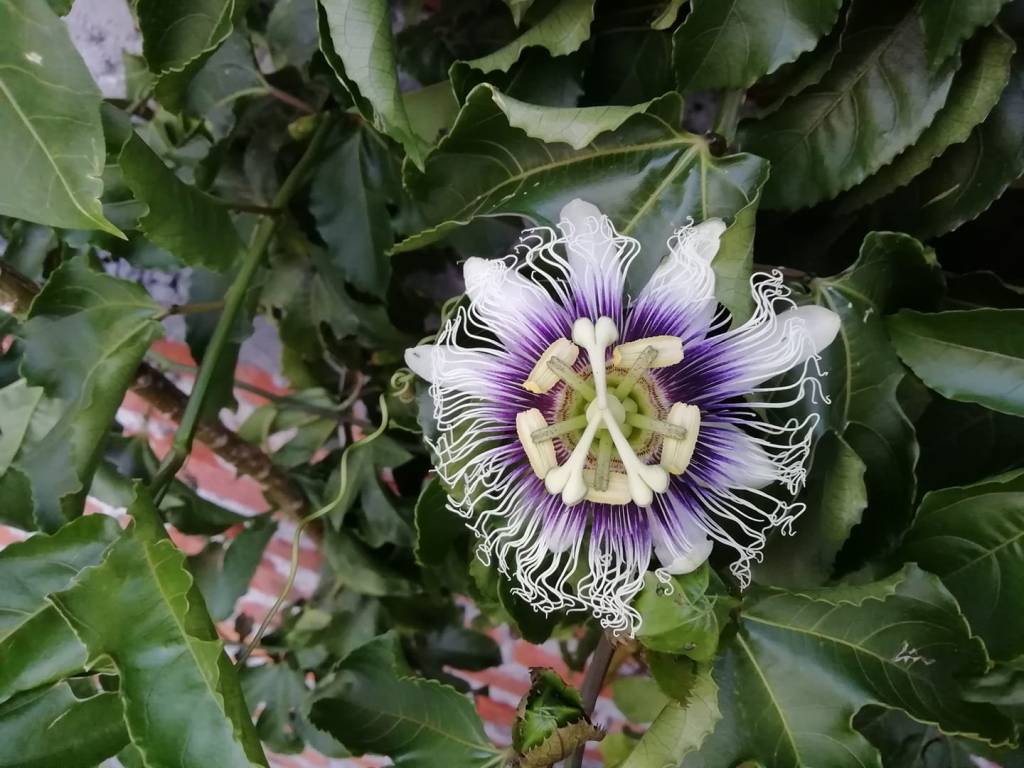
Passiflora edulis

I’ve mentioned before the amazing relaxing tea blend I stumbled across that contained:

  • Jamaica (Hibiscus sabdariffa)
  • Flor de Azahar (citrus Aurantium)
  • Flor de Tila (Ternstroemia lineata)
  • Flor de Manita (Chiranthodendron pentadactylon)
  • Hojas de Naranjo (Citrus aurantium)
  • Melisa (Cedronella Mexicana)
  • Manzanilla (Matricaria chamomilla)
  • Pasiflora (Passiflora Ciliata) 
  • Hojas de Limón (citrus medica)
  • Yoloxochitl (Talauma Mexicana)
  • Rosa de Castilla (Rosa centifolia) 
  • Alhucema (Lavandula angustifolia) 

I’ve done some research on many of the ingredients and today I’d like to add to your knowledge about Pasiflora.

Pasiflora (Passionflower) was called coanenepilli (snake tongue) in Nahuatl because of the curvy membranous outgrowths’ resemblance. In Maya, this plant is known as Pochil or Kansel-ak. It was a traditional remedy for snakebites and fevers. When the Spanish missionaries arrived, they named this unique flower passionaria after the passion of Christ. In their eyes, the circle of membranes was representative of Christ’s crown of thorns. Dr. Nicholas Monardes called the plant granadilla in his book Joyfull Newes Out of the Newe Founde Worlde because the small fruit resembled granadas (pomegranates) in his view. He recorded a remedy that used the juice from these fruits to relieve stomach pains. 

There are more than 600 species of passiflora, most of which are found in Mexico, Central and South America. Believe it or not, there is even a stinking passion flower (Passiflora foetida) that catches insects in the hairs on its bracts to eat, making it a protocarnivorous plant. This plant has been shown to be useful in treating inflammatory disease

passiflora incarnata

The fringed passion flower (Passiflora ciliata) is the variety most often used in teas as a sedative. The purple passion fruit (Passiflora edulis) is often grown for its fruit called maracuyá which has proven health benefits including the prevention of diabetic related complications

In herbal remedies still used in Mexico, pasiflora is often included in treatments of insomnia, anxiety, and nervousness including opiate withdrawal. Studies have shown that Maypop (Passiflora incarnata) extracts are effective sleep inducers as well useful in the treatment of anxiety and depression. And researchers have confired that at least one variety, the giant granadilla (Passiflora quadrangularis), contains serotonin.

There have been reports of negative reactions to pasiflora such as nausea, tachycardia, and drowsiness, therefore care should be taken when using this plant, especially since so few varieties have been studied

****

Interested in natural remedies? Uncover herbal remedies from traditional Mexican sources for healing and wellness in the Exploring Traditional Herbal Remedies in Mexico series.
Leave a comment

Filed under Native fauna and flora, Natural Healing

Natural Healing — Canela

Although there are several types of cinnamon available commercially, Mexican recipes and remedies call for cinnamomum zeylanicum otherwise known as Ceylon cinnamon. These light brown sticks are made up of many thin layers and are easily ground with a metate (grinding stone). 

This spice was brought to Mexico in 1690 by Juan de Esteyneffer, a Jesuit physician from Germany. He combined remedies and treatments he learned in New Spain (Mexico) with the European knowledge he had as a pharmacist in his work Florilegio Medicinal, published in 1712. Juan de Esteyneffer had a powerful belief in the healing properties of cinnamon or rather canela from the Latin word cannella meaning “little tube” referring to the way the bark curls as it dries. He prescribed it as a cure for sudden blindness and deafness indicating that the physician should chew on a stick and then blow the pieces into the eyes or ears of the afflicted. 

While that particular remedy didn’t catch on, canela is used to treat stomach issues, fever, cough, colds, rheumatism, regulate menstruation, teething issues, motion sickness, and hangovers in Mexico. It also is considered an aphrodisiac. 

Canela essential oil is used as a rub for rheumatism. Cinnamomum zeylanicum has wound healing properties, being both anti-inflammatory and anti-nociceptive (reducing the sensation of pain). 

For cough, 1 section of canela, gordolobo (mullein), ajo (garlic), is boiled in ¼ liter of water and drunk as needed, sweetened with honey and flavored with limón (lime). Cinnamomum zeylanicum is an effective fungicide and can be used to treat a variety of fungi that cause respiratory infections. 

It has antimicrobial, antibacterial, and antiparasitic properties as well as anti-gastric ulcer and anti-secretagogue effects, supporting its use as a stomach ailment remedy. It has also shown to be effective against Porphyromonas gingivalis, a bacteria found in the upper gastrointestinal tract, the respiratory tract and the colon. Both rheumatoid arthritis and Alzheimer’s disease have been associated with this periodontal infection. 

Motion sickness calls for canela tea. Teething issues are treated with a decoction of canela, mejorana (marjoram), butterfly bush (Buddleia davidii), menta (peppermint) and cempasuchil (marigold) is administered. 

Cinnamomum zeylanicum has hepato-protective effects, making it a beneficial addition to those that drink just a bit too much alcohol by reducing the effects on the liver. It also lowers the serum cholesterol levels. 

Studies have shown that canela is useful in the treatment of PCOS (Polycystic ovary syndrome) and helps regulate menstrual cycles among women with this condition. It has also shown to be effective in reducing menopausal symptoms. For cramps, a decoction made with the flowers from la barra de San Jose (Joseph’s staff) and cinnamon is the recommended remedy. A postpartum treatment calls for ajo (garlic), ruda (rue), laurel, romero (rosemary), orange peel, clavo (clove), canela, and alum is added to a small brazier of coals and burned. The new mother stands over the brazier as it smokes. This treatment is done every other day until the 40-day postpartum period is over. 

Canela has anti-cancer properties and has been useful in treating leukemia. It has been shown to have antioxidant properties and be useful in reducing damage to the pancreas often experienced by those with diabetes as well as being antidiabetic in nature. Studies suggest that regular ingestion may halt or delay Alzheimer’s disease. It has also been shown to be effective in reducing the progression of multiple sclerosis. The combination of cinnamon bark extract and honey has potential activity against acne-causing bacteria.

Although tea is the typical method of preparation as an herbal remedy, canela is also a staple in many other traditional beverages. Mexican chocolate, horchata (rice milk) and cafe de olla (coffee) are always made with a dash of canela. Mole, the thick chocolate sauce served with meat and rice, also uses canela, both when it is in broth form and then added again when ground. Tepache, an alcoholic beverage made from pineapple is seasoned with cinnamon. One of the most common atole (a thick corn drink) flavors is canela. And finally Ponche Navideño (Christmas punch) would not taste the same without this little twig. 

***

Interested in natural remedies? Uncover herbal remedies from traditional Mexican sources for healing and wellness in the Exploring Traditional Herbal Remedies in Mexico series.

1 Comment

Filed under Health, Mexican Food and Drink, Natural Healing