I learned something new about Día de Muertos this week. In many areas, altars are not put up for the deceased if it has been less than a year since their passing. It is believed that the items placed out to coax their visit on the ofrenda- favorite foods, drinks, photos, the scent of cempasúchil to draw them in- will confuse the spirit and not allow them to successfully complete their journey through Mictlán.
Last Tuesday, my husband took his own life.
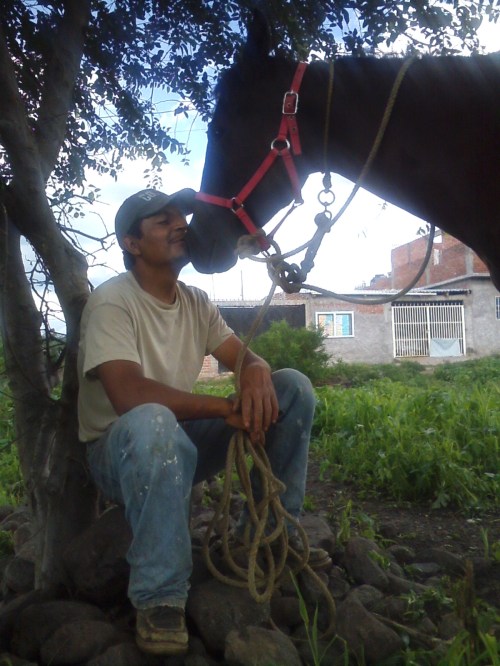
The presidencia published their condolences. The velorio was arranged. The colonia sent flowers. Misa was held. The group of horsemen my husband rode with during the cabalgatas accompanied him on one final ride. Now, his family is several days into the novena, the nine days of prayer.
My son and I decided that we would not participate in these mourning rituals. We are working through our overwhelming and complicated emotions together as we try to navigate the legal loose ends left behind.
The novena ends on the 31st, just in time for Día de Muertos. However, this year, there will be no ofrenda, no calling him home. Instead, we send him our love as he continues his journey.
It has come to my attention that there is some debate about the proper name of the events that go on in Mexico on November 2. Apparently there is a section of the population, although I’m unclear whether that population is Mexican or of Mexican descent, that believe the name is Dia de Muertos instead of the longer El Dia de los Muertos.
It is true that language is fluid and constantly evolving and the shortening of a name is a common occurrence. After all, in the English language, All Hallows’ Evening is now known as Halloween and bears scant resemblance to how it was originally observed. So it seems El Dia de los Muertos is undergoing a transition as well.
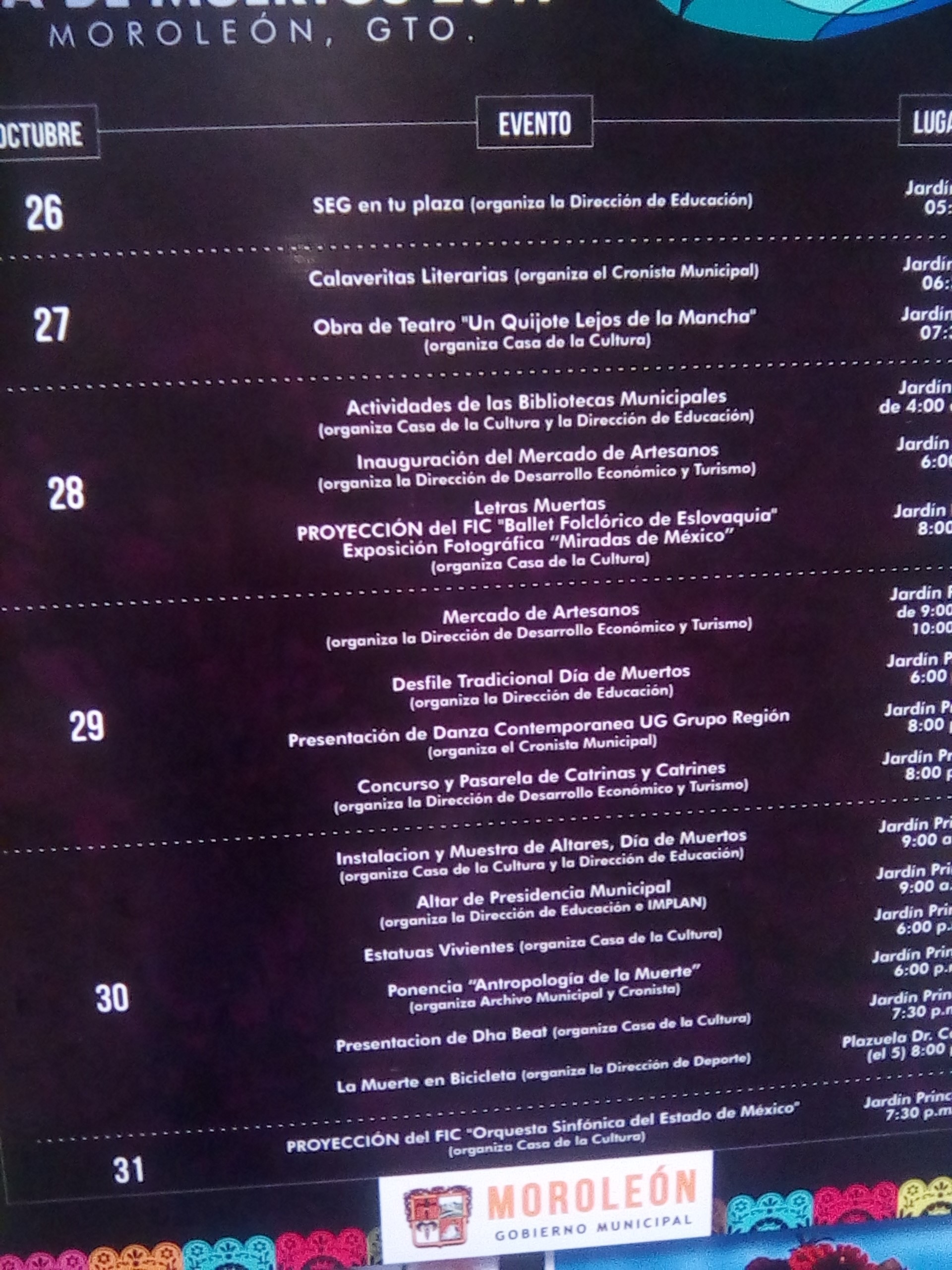
For example, this year, our town that aspires to be a city, had a whole weekend of “Dia de Muertos” events in addition to the traditional altares en el jardin (alters in the center garden). It was unprecedented! There was a parade, just like in the James Bond movie, (well, almost) and a Catrina/Catrine best costume competition and even bikers dressed as skeletons out for an after-dark bike ride.
That’s not to say that El Dia de Los Muertos has never changed before. After the Spanish conquest, the original date for this celebration of life was changed to coincide with All Saints’ Day and All Souls’ Day. Instead of obsidian disks, glass mirrors are brought to the cemetery now with the hope of catching a glimpse of departed loved ones. Walmart now makes the pan de muerto (bread of the dead) instead of local bakers which left me without a sample of that sweet bread this year. Sigh. “Dia de Muertos” has become trendy and left behind the traditional El Dia de Los Muertos in many areas. Tourists flock to cemeteries to gawk at the tombs of the dead, adorned with love and cempasúchil (marigold) flower petals.
Even with all these new-fangled additions brought in locally, on November 1, known locally asEl Dia de Los Angelitos, and on November 2, El Dia de los Muertos, everyone was en familia (with their families) at the panteon (cemetery). I suppose the Civic fathers knew enough not to directly interfere with these customs and for this reason scheduled the events over the weekend instead of the high holy days.
And for us, it was still personal and private. We visited my husband’s grandparents’ tomb in Cerano in the morning. We visited my husband’s mother’s tomb in the afternoon. We left flowers and pictures and talked about our memories so that they will not die the third death yet, the death that comes when there is no one left to keep them alive in their hearts.