Category Archives: Water issues

Surviving Drought in La Yacata

IM000767.JPG

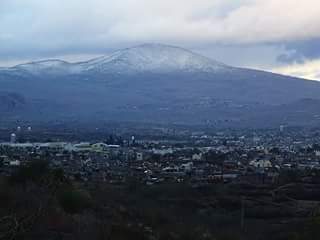
This is what La Yacata looks like most of the year.

Mexico is prone to droughts. Many areas are desert, but that doesn’t mean they are uninhabited. (See Also Chihuahuan Desert, Sonoran Desert, Indigenous Desert People)

Mexico experienced severe droughts in 2012 and 2014, not so very long ago, and it’s likely to happen again.

Lake Chapala, one of the primary sources of freshwater for Mexico City, is drying up. Rivers have been known to just disappear as well.


As a result, Mexicans overall are very water conscious. We, in La Yacata, hold water as sacred as it takes such an effort to get it to our house. (see Water Woes) After I read some articles about how to conserve water, I realized how much I have changed as regards to water consumption from when I lived in the U.S. Most of the suggestions in these lists were second nature to me now. (See also Emergency Preparedness100 Ways to Conserve Water, Drought Tips)
So here’s how we conserve water in the kitchen:

We don’t have a dishwasher since we have no electricity. That means everything is washed by hand in a very precise manner. I soap up a sponge and then use it on the pile of dirty dishes, stacking them to the side of the sink. Once I have a pile, usually of the same type of dish, I move them back into the sink and rinse, sometimes with the tap, or if the water is really low, with a scoop from a bucket of water. Then I put them on the drying rack to dry. I only do as much as can be stacked. The rest can wait. Anything crusted on gets another pass with the sponge and might be left to soak. Pots and pans are also sprinkled with water and left to soak, sometimes until the next load is done which might not be until the next day. Any food particles are caught in the mesh strainer and thrown out to the chickens for a bit of a treat.

We also have the one-glass rule. We only use one glass for the three of us to drink water from. It sits under the tap of the garafon (water cooler) to catch any drips. It may sound unhygienic and we don’t hold to that rule when anyone is sick, but it sure does save on dishes.

When we boil something that needs the water dumped out, we often use that water on our plants once it’s cool. Waste not, want not!

Conservating water in the laundry room:

We have a hand pump which brings the water from the ajibe (dry well) to the second floor. Our wash water is reused with most of it heading back down to the back yard for the fruit trees. Water left in the bucket is used to water the indoor plants or as mop water then used on the plants. (See After Ecstasy, the laundry)

Conserving water in the bathroom:

We have a shower instead of a tub. Our showers are short, less than 10 minutes typically. Days that the hot water heater is out of commission, they are even shorter. Brrr! We make sure there are no leaks from the showerhead, faucet or toilet, ever. A drip left all day could be the difference between having water tomorrow and not. We always turn the water off when brushing our teeth–who leaves it on anyway? We have a fingernail brush to scrub our hands before we turn the water back on to rinse. We use our towels, one per family member, for a week unless they are super dirty. That keeps the laundry amount down and isn’t the idea that you use a towel AFTER you’re already clean to dry off?

One suggestion on the water conservation list that we do because it’s customary here in Mexico is to throw the toilet paper into the wastepaper can rather than into the toilet. The reason that’s done here is to prevent clogged pipes. Most of the water pipes (our house included) are embedded in the cement floor. There isn’t any floor space underneath. So in the event of a super clog, a plumber could not get under the house and open the pipes. Another suggestion on several conservations lists is flush less often. Our house rule is “If it’s yellow, let it mellow. If it’s brown, flush it down.” That’s probably more than you really want to know about our hygiene habits, though!

Other conservation habits:

We don’t have toy water guns or a pool. We collect rainwater in barricas (barrels). When we change the animals’ water, we use old water on the fruit trees. We monitor the amount of drinking water our animals have. For the horses, we don’t leave a bucket of water in the stall because it’s likely to get spilled and spilled water is wasted water. We don’t wash our vehicles. Yes, that means sometimes they are pretty dirty, but it will eventually rain. We don’t have a lawn. Anything that grows in our backyard is already pretty much drought resistant, other than the fruit trees. We have cactus, feverfew, Klip dagga, aloe and a few other native plants that grow whether or not we water them. We don’t irrigate our crops which means we don’t plant until the rainy season starts. In the event of drought, we won’t have too many crops, but that’s the risk we take.

Of all our off-grid accommodations, I’ve always felt that our water system has been our weakest aspect.  La Yacata has no natural running water, like a stream or underground spring.  There is no connection to the main town water line either.  (See Water Woes)  Therefore, we have to pay for a water truck to make deliveries or go and get it ourselves from nearby towns that do have natural water supplies. Those nearby communities also have areas where we sometimes go to wash our clothes, thereby saving our own precious water. We also are able to fill our tinacos (water storage containers) and garafones (water cooler bottles)and bring them back to our house.


This past winter, we decided to upgrade.  First, we removed the portable water storage container from the back porch.  We gave this to my father-in-law to add to his overall water storage capacity.  He has quite a number of goats that need water daily.  This required an up and over approach.  My husband, his brother B, and my son lifted it up to the roof, then lowered it into the back of the truck.


Now that there was a bit more space, we purchased 2 new 1100 liter tinacos (water storage containers).  My husband made bases for them with bits of brick.  He connected them to the copper pipes that lead to our downstairs bathroom.  Then, he connected a pipe from the roof to catch falling rainwater in the rainy season.

This added 2200 liters to our overall water storage capacity bringing our total to about 8000 liters with the first tinaco (water storage container) and ajibe (dry well).  A full order of water is 10,000 liters.  So now we can order a full truck and share with my father-in-law or with B to complete the order.

As you can see, we do just fine in La Yacata in regards to water conservation and would be able to survive longer in the event of drought because of that, even with water hard to come by. Amazingly enough, drought allows for some interesting phenomenon here in Mexico. In 2015, drought caused the water level to drop 82 feet in the Nezahualcoyotl reservoir, revealing the ruins of a 16th-century colonial church, Temple of Santiago. Who knows what other things might be found?

***************************************

Would you like to learn more about surviving in Mexico?

a to z


13 Comments

Filed under Carnival posts, Homesteading, Water issues

Surviving global Climate change in La Yacata

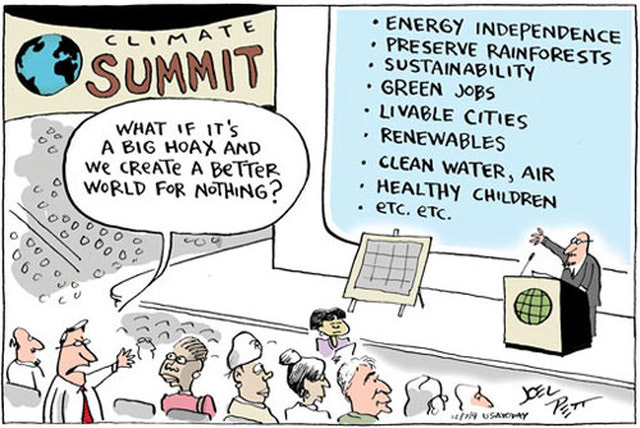
What-If-Its-A-Hoax
I’m not going to debate the fact that the earth is undergoing a global climate change.  The evidence is unrefutable. I’m not interested in laying the blame at anyone’s door. It’s really too late for that.

So provided global climate change is a given, what does this mean for the residents of this planet?

Believe it or not, many scientists predict an ice age. Our weather here in Mexico in March 2016 seems to support that theory.

Other scientists suggest changes that are just as catastrophic and that will continue beyond this century.

Rising temperatures

Changes in precipitation affecting the growing seasons. (See Also Extreme March Weather Pattern Yields Snow in Mexico, Historic Flooding in South and Record Northeast Heat)

Megadroughts

–Hurricanes and other storms increasing in intensity. (See Also Ice melt, sea level rise and superstorms: the threat of irreparable harm)

— Rise in sea level causing coastal flooding. (See Also No planet for optimists: coastal flooding may come sooner and bigger than we think)

According to some, global warming will have benefits for countries like Greenland, so you might want to pack your bags and head out.

However, I’d like to present La Yacata as an alternative to Greenland in the event of global climate change. After all, if those experts that predict an ice age are correct, Greenland is definitely not the place to be.

What do scientists suggest are the best characteristics of a good place to live in the event of global climate change?

Not on the coast. As the sea level rises, coastal areas will be underwater. I expect that holds true for some islands too. Fortunately, La Yacata is smack dab in the middle of Mexico, far, far away from the coastline.

Not in the forest. Drought from the change in precipitation will cause much of the forest to dry out. Dry areas with dry trees have a good chance of wildfire. Wildfire is not good for any crops you might have planted, animals you might have or houses you might have built. La Yacata is definitely not in a forested area.

Not in the mountains or the valleys. Superstorms and rapidly melting snows will cause mudslides. Drought will cause landslides. Being in the mountains during one of these events might result in your being found in the valley the next morning. Being at the base of the mountain during one of these events might result in your being buried the next morning. Technically, La Yacata is in the valley but situated far enough away from those rocky cliffs that the danger is minimal.

Not in the desert. Changes in precipitation will make desert regions drier. Although by the same token, some areas that previously had low rainfall might just get a lot more. La Yacata isn’t at the top of the scale in this category because it tends to be very hot and very dry most of the year, but a dramatic climate change might just remedy that.

Not in urban sprawl. In urban areas, there are just too many people and too few resources. Quite a bit of usable dirt is under cement. Rooftop gardens are good, but not as prevalent as they could be. With global climate shifts changing the agricultural season, having access to cultivated organic food could be the difference between life and death. La Yacata is definitely not urban and there are plenty of nooks and crannies where container gardens can be grown. (See Container Gardening)

Not in an area prone to hurricanes, blizzards or tornados. With the increasing intensity of storms, areas that already have a history of hurricanes, blizzards, or tornados can expect to experience even more. Being so far inland, La Yacata is not likely to suffer much from the effects of a hurricane. It’s southern central area also precludes the likelihood of a blizzard, but in the event of one, the Flores family is prepared! Mexico, in general, does have tornados, an average of 10 per year, however, Guanajuato is not in the top states where a tornado is likely to form. If you are interested–the top four states where a tornado is likely to occur are Mexico State, Veracruz, Tlaxcala, and Chiapas. The most we ever get in La Yacata is remolinos (air swirls) that my husband swears will dissipate if you whistle loud enough. As long as he can pucker up, I expect we are safe enough here.

Not in a society dependent on Mono-crop Agriculture or Fossil Fuels. While that statement seems to include pretty much of the known world, it’s important to remember that there are still pockets of societies that live in harmony with nature. Those societies will be the go-to guys in the event of catastrophic climate change. Third world countries will probably fair better than quite a number of first world civilizations just because the average person still remembers how to do things for him or herself. (See Also How Climate change affects world society and The impacts on society due to climate change)

By the same token, La Yacata meets several of the qualifications of places you should consider in the event of global climate change.

Experts suggest a place that is:

Self-sufficient. Survival is more likely in a self-sufficient agriculturally based community where livestock feed is grown, topsoil maintained, and crop diversity is encouraged. So the Amish might be a good community to join. Or La Yacata. (See Let’s talk about food)

High elevation. Living at a higher elevation would reduce both the effects of drought and flooding. La Yacata is 1848 m (6063 ft) above sea level. Not as high as Los Amoles, but less chance of snow.

Off-grid. Flooding, superstorms, hurricanes, tornados, blizzards and other weather phenomena will affect public services, especially electricity. I remember when Hurrican Isabel hit the area where we were living in Virginia. We were without electricity for nearly a month. In La Yacata, we have no public utilities, so in the event of a power outage, we’d be just fine. (See There is still no Electricity)

Diverse and Resilient environment. Being in an environment that can withstand the elements will be essential in the event of global climate change. I can honestly say that La Yacata does just that. Every year, someone lights a fire in La Yacata and the mesquite and cactus have been able to recover each time. In fact, quite a bit of the vegetation comes back stronger. (See Also Humans survived the last ice age by sheltering in a Garden of Eden)

Ample water supply. With changes in precipitation, water sources might dry up. La Yacata is not the best place to be for this category. We have a hole that poses as a pozo (well) but no way to access the water. (See Water Woes) On the other hand, the communities just up the road from us have their own water source from underground springs. We do collect rainwater and are very conscious of our water use, though, so just maybe it will be ok.

Ample food sources. Crop failure will be rampant. Most agricultural these days is limited rather than diverse. Mexico has such a wide range of corn that grows in such diverse areas that odds are, some certainly will survive climate change. Unfortunately, Monsanto has been trying to take over down here and it’s hard to say how long Mexico has before their maize heritage is destroyed as well. Here in La Yacata, we are able to grow our own organic foodstuff AND have a plethora of foraged foods available. (See Let’s Talk about Food in La Yacata)

So, as you can see, La Yacata definitely meets some of the requirements for a place to be in the event of global climate change.  Even the movie The Day After Tomorrow recommends heading to Mexico!

************************************

7 Comments

Filed under Carnival posts, Electricity issues, Homesteading, Water issues

Surviving a Blizzard in La Yacata

received_1272757636071472.jpeg

Snow in Los Amoles, Moroleon, Guanajuato March 2016

Yes, La Yacata is in central Guanajuato and the average daily temperature in the state of Guanajuato is 65 degrees F (18.1 degrees C), but a blizzard is possible, especially in light of global climate change. In fact, in March 2016, Los Amoles, which is another municipality of Moroleon at a higher elevation than La Yacata, did in fact, experience a blizzard.

So, looking at what the experts suggest in the event of a blizzard, how does La Yacata (or rather the Flores family in La Yacata) rate for preparedness?

In the event of a blizzard, make sure you have:

1. Working flashlight (check) We always have at least one flashlight that is fully charged. Overall, we’ve found the cranky handle type to be the best value for the money.

2. A charged cell phone (check) We charge our phones with the car battery inverter or power banks.  Although I don’t rightly know who we’d call.  I suppose it would be good to keep our emergency status updated on Facebook!

3. Battery-powered radio or television (check) We have a rechargeable radio, but no TV.  I expect this is to be informed about changes in the weather conditions, although both serve as a nice distraction when cooped up indoors. Instead of the TV, we do have portable DVD players.

4. Extra food, water, and medicine (check) My thyroid medicine is issued in 6 months supply quantities. I doubt a blizzard would last that long. We have an aljibe (dry well) and 2-3 tinacos (water storage containers) for water storage. We also keep a good supply of beans and rice for when there just isn’t anything else. We have milk when the goats are lactating and eggs when the chickens are laying.

5. First Aid Supplies (check)We keep a small first aid kit on hand. We also have aloe growing out back for burns and wound treatment although, in the event of a blizzard, we might have to dig it out.

6. Heating fuel (check) We not only have a small supply of mesquite wood but a chimney in which to burn it as well. And remember, cow patties and horse poop burn pretty darn good and we have a good source for both of those!

7. Emergency heating source (check) Our lovely chimney, of course.

8. Fire extinguishers (NOPE) But, I must say that only in one place in the 10 odd residences I have lived has there been a fire extinguisher available. And in that case, it did come in handy when my refrigerator caught on fire.

9. Carbon monoxide and smoke detectors (NOPE) We ought to maybe look into these for La Yacata.

Not on the official list but I would also recommend:

–a Kindle or other reading material (check)  We have a kindle and a nice large library to keep the cabin fever at bay.

non-electric cooking device (check) Our stove uses gas and our entire kitchen is fully functional without electricity.

On a Farm:

1. Move all animals to an enclosed shelter (check) Although our chickens roost outside and the goat area is outside, both areas have a roof and 2 walls. We also have enough room to move all the animals into a 3 walled area with our horses in necessary.

2. Bring extra feed to nearby feeding areas (check) With our recent remodel of Joey‘s stall, we have a nice area to store food.

3. Have an extra water supply easily available (check) Our aljibe (dry well) is right in our back yard and our tinacos (water storage containers) are up on the roof of the first floor.

So as you can see, we are fully prepared in the event of a blizzard or two here in La Yacata!

*****************************

5 Comments

Filed under Battling Nature, Carnival posts, Electricity issues, Homesteading, Safety and Security, Water issues