Category Archives: Natural Healing

Blackberry Leaf Tea

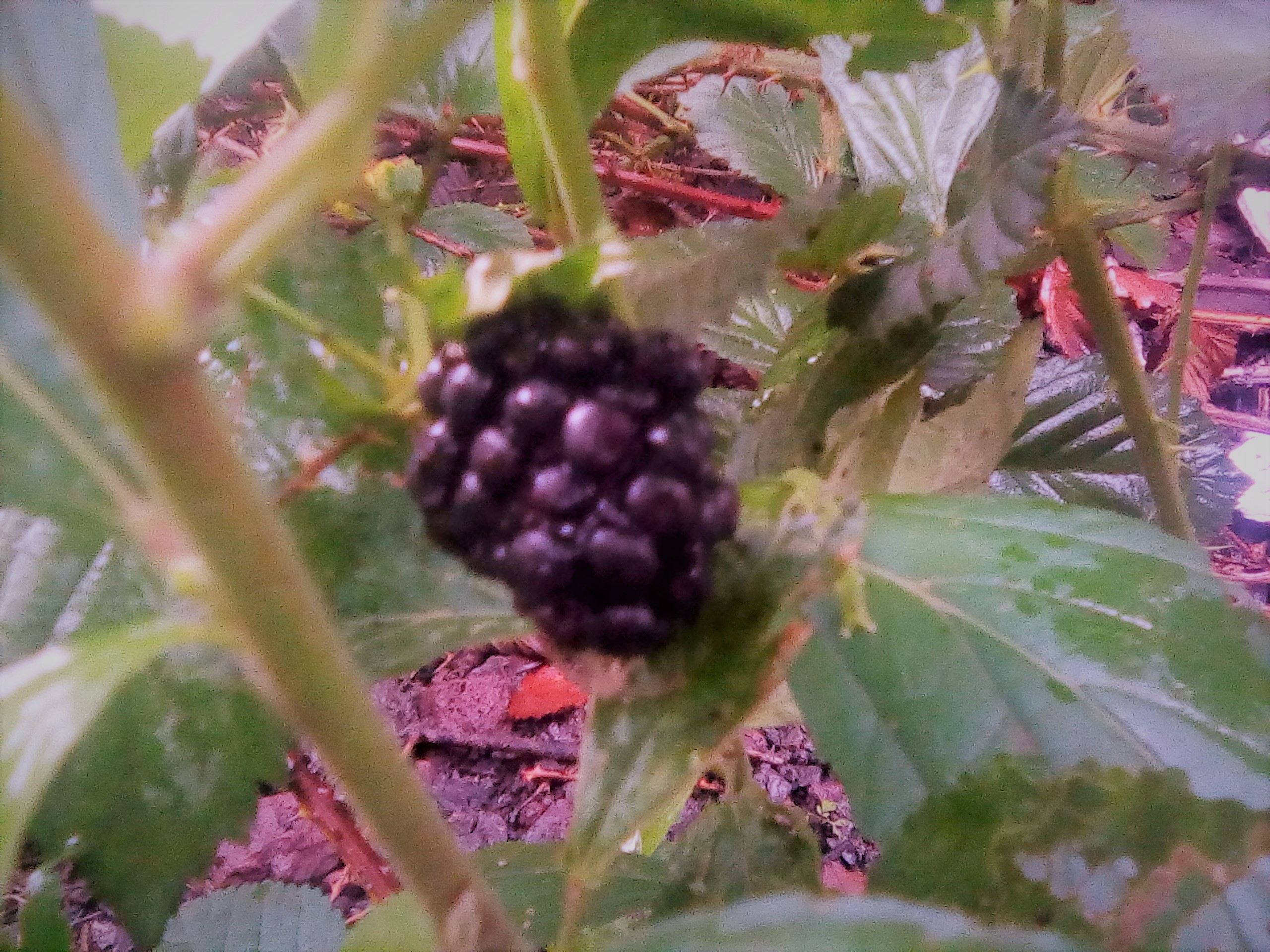
IMG_20170904_101605

The blackberry bush in the backyard is trying to take over!  Shoots are popping up left and right, and it continues to wrap its spiny clutches around the lemon tree despite being cut back several times.  Since I will not be one of those ill-prepared preppers that lament the loss of coffee and tea after TSHTF (See Into AutumnInto Autumn) if you’ve got it, use it right?

Blackberry tea leaf is easy to prepare.  Just pour boiling water over dried leaves and let steep. It’s a darker color than some of the other teas I’ve prepared.  It has a rich, deep taste, just right with a drop of honey as a sweetener.

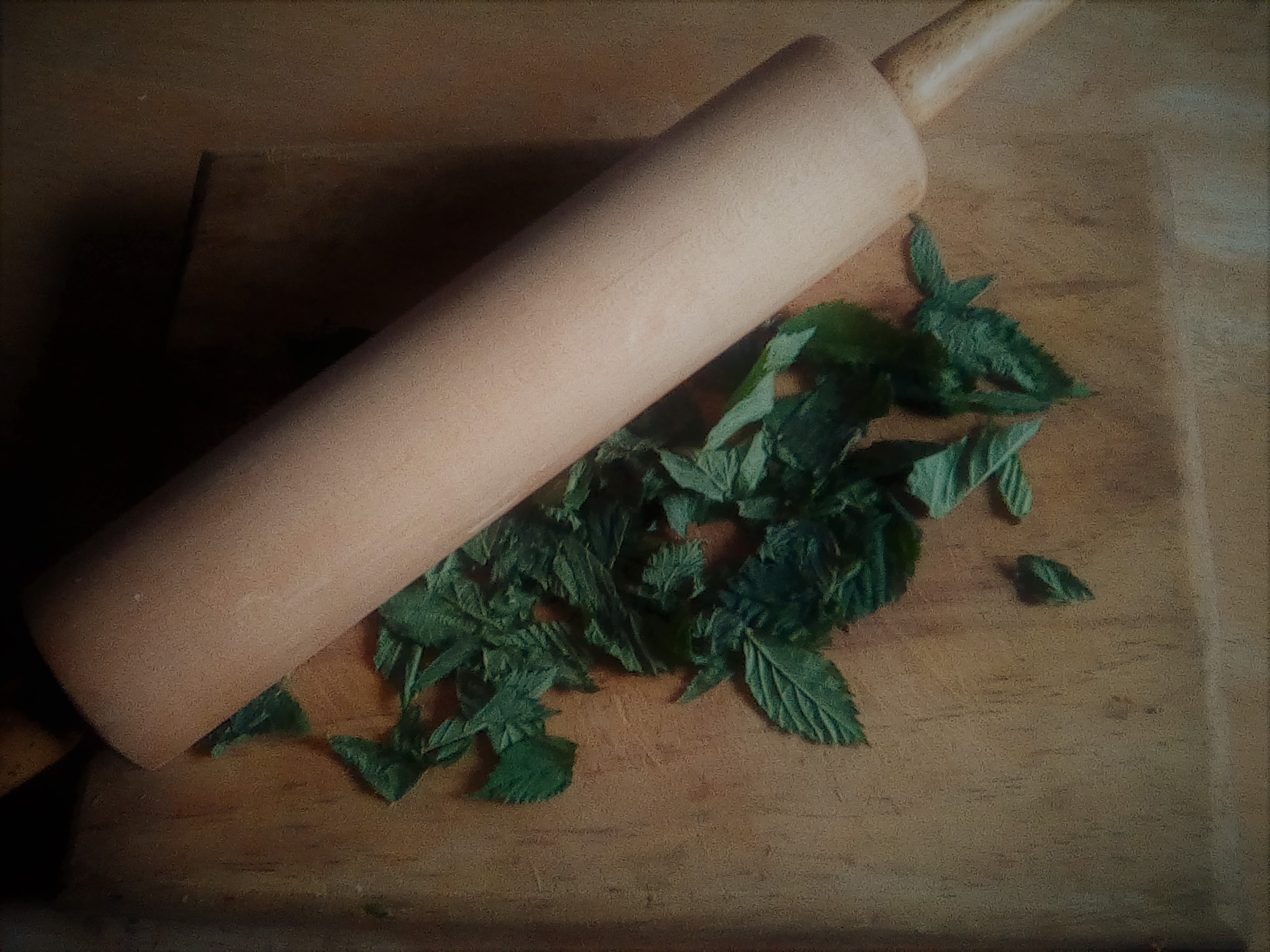
IMG_20170824_080322

Fermenting the leaves increases the tea’s flavor.  To ferment, crush wilted blackberry leaves with a wooden rolling pin.  Wrap them in a damp cloth and hang in a dark, warm area.  In 2 or 3 days, the leaves will smell like roses which I thought odd until I realized that blackberries (Rubus allegheniensis) are part of the rose family after all.  Remove the leaves from the cloth and allow them to dry completely before storing.

Not only is blackberry leaf tea delicious but it’s good for you as well.  Used medicinally since the ice age, leaves were chewed to strengthen gums and made into plasters to treat shingles and hemorrhoids. During the Medieval and Renaissance periods, blackberry leaf infusions were used as a gargle for a sore mouth, throat cankers and wound washing. Now in more enlightened times, blackberry leaves have been shown to fight cancerous cells and are a good source of antioxidants.  Blackberry leaf has also been effective in diabetes treatment, as a wrinkle preventative, and as a protection against cardiovascular disease.

There’s been some evidence that the tannins found in blackberry leaves, bark and roots may cause nausea in some people.  However, adding milk to the tea neutralizes the tannins quite nicely.  Thus the German regulatory agency for herbs has approved blackberry leaf tea for relieving non-specific acute diarrhea.  In addition, just like our medieval ancestors, the Germans have determined that blackberry leaf tea, mouthwash or gargle is appropriate for mouth sores and gum inflammation.  

(after use, please put it backin its proper place)

With all these reasons to drink blackberry leaf tea, perhaps this spring you should harvest your own.  Pluck the tender light green new leaves before the plant flowers, being mindful of those tiny pickers.  Ferment as described above or hang to dry and you’ll be all set.

******************************

Exploring Traditional Herbal Remedies in Mexico https://amzn.to/2MI4EBZ

2 Comments

Filed under Alternative Farming, Health, Homesteading, Natural Healing

Natural Remedies–Garlic tea

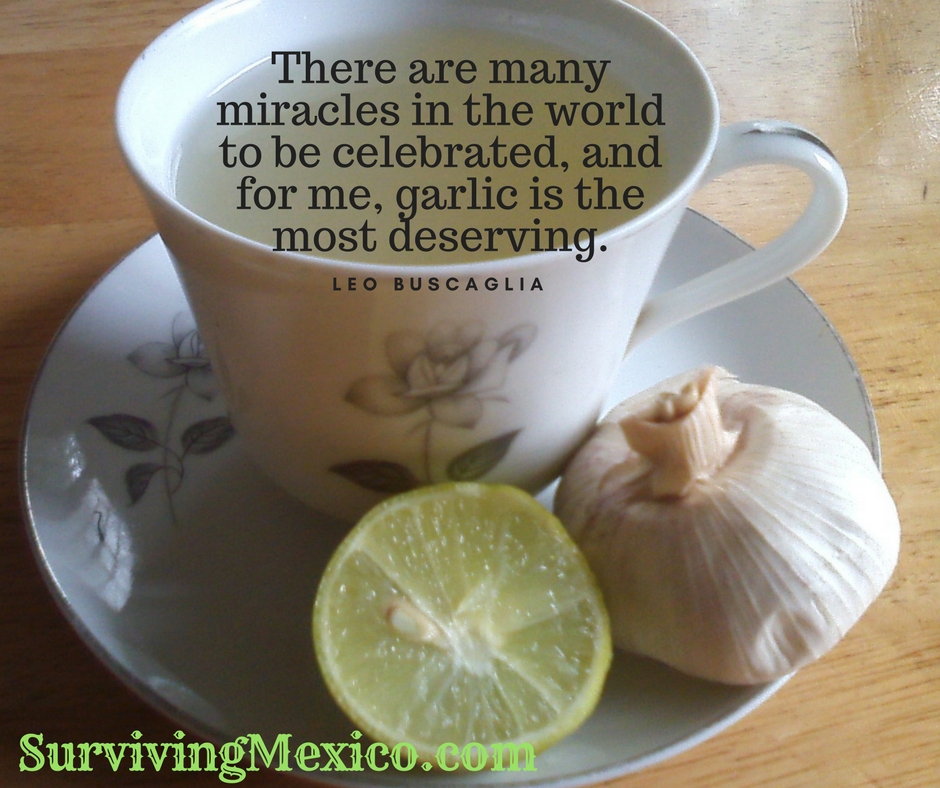
Although nowadays a common ingredient in Mexican cuisine, did you know that garlic (Allium sativum) arrived in North America with the Spanish conquerors along with onions, pigs, cows, chickens, cheese, and rice? Garlic was quickly adopted both as a spice and medicinal herb.  Even today, traditional curanderos use a garlic clove inserted into the ear as a treatment for earaches, with olive oil for burns, in brandy and brown sugar for asthma, and with honey for a cough. Garlic is also believed to provide protection from negativity and evil spirits. Apparently, no one told the author of my little book Antigua Recetario Medicinal Azteca that garlic wasn’t used by the Aztecs because there is quite a section about the medicinal use of garlic reportedly used by said people. Here are some of the recipes I found: To stimulate appetite and help with digestion: Eat 3 cloves of garlic raw with a bit of water before a meal or cook an entire garlic head in a liter of water, adding lemon juice and sugar to taste. To help with anemia: Eat a salad prepared with radish, lettuce, tomato and raw garlic with a bit of oil and salt. To reduce blood pressure: Mince a garlic clove and drink it in a glass of water. For asthma or a cough: Boil 8 peeled and pressed cloves in a liter of water.  Add a little oregano.  Strain.  Add 2 tablespoons of honey.  Take a tablespoon every hour until better.  OR Boil ½ head of garlic in a liter of milk with 2 carrots.  Sweeten with honey.  Drink warm before bed. To rid the body of parasites: Mince a head of garlic and warm in ¼ liter of milk without boiling.  Allow to steep 3 or 4 hours.  Strain.  Drink before breakfast for 9 or 10 days. For scorpion stings: Mash a garlic clove and use it as a plaster over the affected area.   For rabies:  Soak 100 grams of garlic minced into little bits in a liter of water overnight. Strain and sweeten to taste.  Take several cups a day. For light burns: 3 or 4 garlic cloves mashed and mixed with oil as a plaster over the affected area. For athlete’s foot:  Use garlic powder on the feet and change the socks every day.  (The Aztecs wore socks?) For rheumatism relief: Rub 2 halved garlic cloves on the painful area whenever you need to.  Do not get the treated area wet.  The recipe wasn’t precise as to the time you should not get wet. Two hours?  Two weeks?  Who knows? Not to be outdone my little book Antiguo Formulario Azteca de Yerbas Medicinales. Manual imprescindible de los secretos indigenas also had a section on garlic. In order to give these garlic claims more credence, the author cited an incident a few days before publication concerning a man in Barcelona who had been bitten by a rabid dog and ate garlic and onions for 8 days thereby effecting a cure. While I wasn’t able to find any scientific evidence to back up this rabies claim, using garlic as a wound poultice does aid in healing. This book also added the following to the scorpion sting treatment: To be extra sure, use a sterilized knife to cut the wound open in the form of a cross before applying the garlic plaster. Both books also highlighted the medicinal use of garlic essential oil and referred to Dr. Helle de Berlin.  While I was trying to look up Dr. Helle in the cyber world, I came across a plagiarized copy of Antigua Recetario Medicinal Azteca online published under the name Herbolarios Anonimos.  While several other sites refer to Dr. Helle’s pamphlet on garlic essential oil, I was unable to find the original.  (Budda de la Medicina, La Belleza de la salud con el ajo, el cebolla y el limon, Tintura de ajo como medicamento, Las curas con ALOE–AJO CEBOLLA–LIMON, Tintura de ajo como medicamento) In a nutshell, the esteemed Dr. Helle assured everyone in his famous pamphlet that twenty drops of garlic essential oil diluted in water is good for the heart, helps the liver function better, improves digestion, cures hemorrhages, helps reduce fatigue, headache, and melancholy, and aids in insomnia.  I’d feel more confident in the curative effects of those 20 drops if I could find some information on Dr. Helle.  Wouldn’t you? However, don’t be so quick to poo-poo these herbal remedies despite the more outlandish claims.  Scientific research has proven garlic to be a near miracle plant.  Quite a number of the aforementioned cures are medically sound. (Health Benefits of Garlic: The Medicinal Use of Garlic) Look at what garlic can do for you: Garlic is good for your heart.  It fights cancer.  Garlic is good for your liver and fights bacterial infections including Salmonella, Staphylococcus aureus, and  Escherichia coli. Garlic is good for the digestive system. It aids the process of expelling parasites, including giardiasis and Candida albicans. Garlic is especially good for women as it both increases milk flow for nursing mothers, possibly by making the breast milk taste better which encourages the baby to nurse longer, and reduces the severity and occurrence of yeast infections. Garlic helps with the common cold and reduces cough. Garlic helps treat depression.  It aids in injury recovery. Garlic is an important component in the treatment of heavy metal poisoning, a primary cause of Alzheimer’s. Garlic is useful in the garden as well.  Planted around other crops reduces disease, deters pests and increases the nutritional value of the soil and nearby plants. Believe it or not, the whole plant is edible, not just the bulb. I have a pot of garlic sprouting in my back room.  As the tops grow, called scapes, I can clip a few bits and add them as flavoring just like you would with the clove.  The scapes or flowers aren’t quite as strongly flavored as the clove but are tasty nonetheless. I have big plans of making a little garlic patch out back.  My hope is I’ll have enough in a few years to make my own garlic powder or essential oil. Of course, my efforts at gardening have been repeatedly thwarted.  (See Failing at Container gardening) Continuing with my herbal tea series, I decided to try some Garlic Cold Buster Tea.  We are in the rainy season, after all,  and it’s likely somebody in my house will catch a cold before things dry out again.   There are many miracles in the world to be celebrated, and for me, garlic is the most deserving. It was pretty straight forward.  Boil 3-6 peeled and halved cloves in 3 cups of water. Add 1/2 cup of lemon juice.  That was about 7 smallish lemons from our tree out back.  Add honey to taste and serve. The tea was a lemonade color, probably because I didn’t skimp on the lemon juice and wasn’t half bad.  I don’t think that I will replace my morning tea with this concoction but in times of illness, it would be no bother. There are some things to keep in mind when using garlic.  Some people have a sensitivity to garlic and will find it irritates their stomachs.  You should not ingest large quantities of garlic when taking blood thinners. Garlic will give you bad breath and body odor.  (Duh) And finally, applying raw garlic to your skin may irritate the skin.
*************************

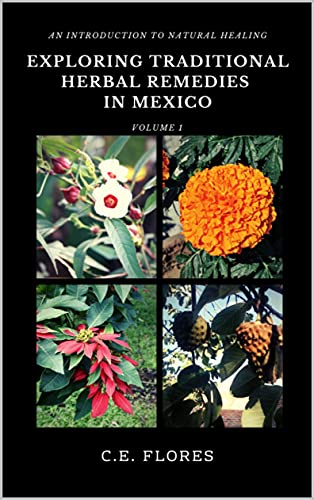
Interested in natural remedies? Uncover herbal remedies from traditional Mexican sources for healing and wellness in the Exploring Traditional Herbal Remedies in Mexico series.

6 Comments

Filed under Mexican Cultural Stories, Mexican Food and Drink, Natural Healing

Natural Healing–Tamarindo

Have you ever wondered what those pod things were at the Asian or Mexican market?  Wonder no more.  Today, let me share what I learned about tamarindo.

The Tamarind (Tamarindus indica) tree is not a plant native to Mexico, but was brought by the Spanish and Portuguese in the 16th century and has since become an integral part of Mexican cuisine and traditional medicine.  It’s a slow-growing, long-lived tree that can be 80-100 feet tall with a trunk circumference up to 25 feet.  The evergreen feathery foliage is made up of pinnate leaves that fold up at night.  It has small 5-petalled yellow flowers with orange or red streaks.  The flower buds are pink.  It takes 80 to 90 years for a tamarind tree to begin producing fruit. The fruits are green pods or beans that ripen to a cinnamon brown color.  The outer covering becomes brittle and the pulp within dries to a sticky paste. The fruit begins to dehydrate in 203 days and reaches full ripeness in 245 days.  The fruit can be left on the tree for as long as 6 months after full ripening. (Morton, J. 1987. Tamarind. p. 115–121. In: Fruits of warm climates. Julia F. Morton, Miami, FL.)

Tamarindo fruit is high in tartaric acid, sugar, B vitamins, calcium, thiamin, iron, magnesium, niacin, vitamin C, copper, and pyridoxine.  Other antioxidants found in the tamarindo include limonene, geranoil (shown to inhibit cancerous pancreatic growth), safrole, cinnamic acid, methyl salicylate, pyrazine, alkylthiazoles.  Its high content of malic acid, tartaric acid, and potassium bitartrate make it an excellent treatment for constipation, which you may want to remember should you be tempted to eat large quantities.  

Tamarindo has also been used traditionally as a treatment for stomach discomfort, diarrhea, parasitic infections, dysentery, helminth infections, malaria cell cytotoxicity, used as a gargle for sore throats, mixed with salt and made into a liniment for rheumatism and arthritic inflammation.  It’s been used for Datura poisoning, alcoholic intoxication,  liver toxicity, and sunstroke.  It has also been recommended as a daily drink for those suffering from thyroid disorders and as a way of fluoride detoxification.  The dried or boiled leaves and flowers can be made into poultices for swollen joints, sprains, boils, hemorrhoids, gonorrhea and conjunctivitis. The roots and bark are boiled in an infusion for chest complaints and as an ingredient in treating leprosy. In one study, the seeds have shown improve glucose homeostasis in rats with streptozotocin-induced diabetes mellitus, which may lead to further studies as a treatment for diabetes in humans.  In another study, the bark has been shown to possess blood glucose lowering effect along with antioxidant effect and protective effect on renal complications associated with hyperglycemia.  In yet another study of hens fed tamarindo as part of their daily diet, it has been linked to lower cholesterol in the hens’ serum and egg yolks leading to the speculation that similar results could be obtained in humans. (Top 15 Health Benefits of Tamarind and 30 Health Benefits Of Tamarind and 7 Amazing Benefits Of Tamarind)  I could go on and on as to the health benefits, but I think you get the picture.

Are there any safety concerns about tamarindo?  Yes, there are.  As I outlined above, the ingestion of tamarindo has definite effects on the body.  If you have certain conditions, tamarindo may make your condition worse.

As it lowers blood pressure, it may increase bleeding when taken with aspirin, ibuprofen, blood thinners, and anti-platelet drugs.  As its ingestion reduces serum glucose levels, diabetics who are already taking drugs for lowering their blood sugar level should be careful to not eat too much.  As with any food, you may have an allergic reaction.   Excessive quantities of tamarind may damage the enamel of your teeth.  Frequent ingestion of huge amounts of tamarind can promote the formation of gallbladder stones.  If you have gastroesophageal reflux disease (GORD) or ‘acid reflux’, you should stay away from it since it will probably increase the acid in your stomach. If you are taking any sort of vasoconstrictor you need to know that tamarindo is known to add to the vasoconstricting effects by accelerating the process of narrowing of the blood vessels. If you are using any ophthalmic antibiotic on your eyes topically, avoid tamarind intake as it will interact with the cream. (Top 10 Side Effects Of Tamarind) So moderation is the key.

Just one of the many tamarindo products found in Mexico!

So how do you eat it? Maybe the correct question is how don’t you eat it?  The fruit can be eaten raw right off the tree. Wherever you go here in Mexico, you can find tamarindo candy dipped in chile, tamarindo balls, tamarindo candy that comes out of its containers like a  playdoh barber shop toy, tamarindo fruit roll-ups,  tamarindo juice, tamarindo soda, tamarindo Tang, tamarindo salsa, tamarindo on a plastic spoon,  tamarindo margaritas, tamarindo lollipops,  tamarindo marinade, tamarindo gummies,  tamarindo nectar tamarindo popsicles, tamarindo hard candy, tamarindo soup, and many more delightful and savory uses.  (Recetas de Tamarindo).  Would you believe that it’s also found in good ol’ Worcestershire sauce?  

Although I can get agua de tamarindo from the same tricycle market vendors that sell jamaica and horchata, I thought I’d try and make my own. Here’s how that went.

I picked up some dried pods at the market.  Then I cracked and peeled them.  Because of the stickiness factor, it was a bit more difficult than peeling a boiled egg.  I soaked them in water for about an hour.  When the pulp was soft, I removed the seeds and mashed the pulp with my fingers.  That part didn’t take very long.  After that, I added more water and strained the concoction to remove any large lumps and fibers. Add sugar to taste and ice and it’s ready, the perfect refreshing summertime drink!

I kept the seeds and have planted them.  I’d surely like my own tamarindo producing tree (in 80 or 90 years)!

Tamarindo has other uses as well.  Tamarind lumber is used to make furniture and carvings.  The fruit pulp is used to polish brass statues and lamps, and remove the tarnish from copper, brass, and bronze items.

The word itself also has some distinctly Mexican uses as well.  Tamarindo is sometimes used to insult los transitos (traffic police) probably first begun as a commentary about their brown uniforms.  My husband has also said that among hombres (men) tamarindo can be used to imply someone is stupid or an a**hole.  So perhaps it’s not a word you can throw around lightly in some parts however delicious the fruit!

*********************************

5 Comments

Filed under Health, Mexican Food and Drink, Native fauna and flora, Natural Healing