Category Archives: Native fauna and flora

Natural Healing–Guayaba Leaf Tea

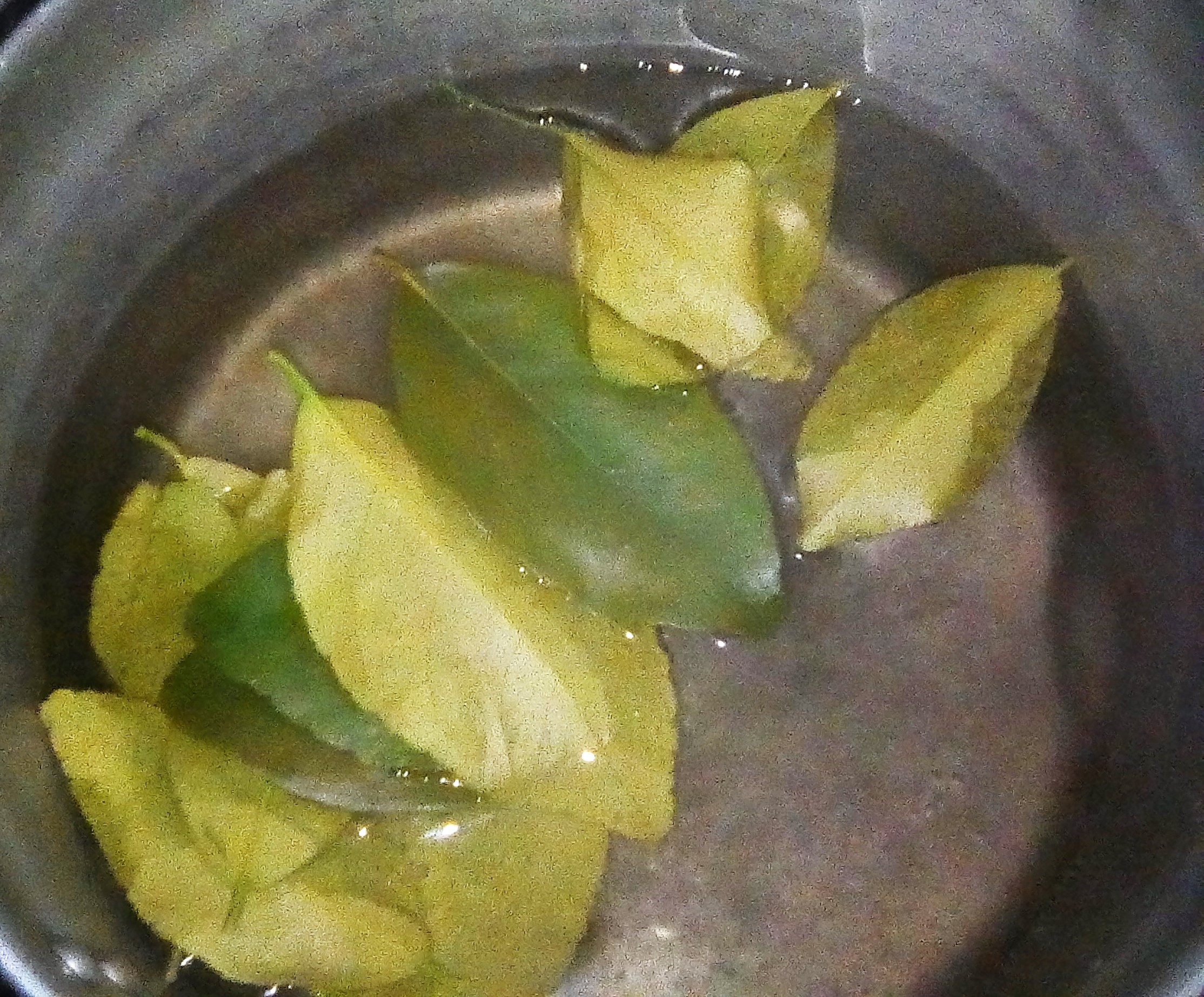
tree At the first sign of an upset stomach, my husband is out back plucking leaves off of our guayaba tree to make a tea.  I thought I’d do a little investigation on whether or not there was any validity to these stomach ailment treatment claims and here’s what I found out. Psidium guajava, known as guayaba or guava, is native to Mexico and its fruit ranges from white or yellow to dark pink.  We have two different varieties growing in our backyard, the yellow and the light pink.  Both the fruit and the leaves are used in traditional medicine to treat diabetes, hypertension, cavities, diarrhea, rheumatism, lung disease, fever, and inflammation. Digging a bit deeper into scientific studies, I found that the fruit (either eaten raw or made into juice) has antitumor and anti-cancer properties, is useful in the treatment of type 2 diabetes, and effective in lowering blood sugar, serum total cholesterol, triglycerides and LDLc while increasing HDLc levels.  Guava is also a natural antibacterial agent and antioxidant and beneficial in the treatment of cholera. The guayaba leaf also has medicinal properties. It is cytotoxic, thus effective in the treatment of a variety of cancers. It protects against mercury toxicity, one of the causes of Alzheimer’s. Regular ingestion improves vascular function and regulates blood-glucose levels. It is effective in the treatment of diarrhea and dysentery as well as infections caused by the Candida fungi and  Staphylococcus aureus bacteria. IMG_20171026_080720 My husband makes his stomachache tea from freshly picked young whole leaves.  He washes then boils them for about 10 minutes and that’s it. He drinks it without any sweetener, but you could add honey if you like.  The tea has an earthy taste to it. I saw on another site, that you could make tea from dried and crushed leaves.  However, that takes 3-4 weeks and there seems to be no additional benefit to drying them.  Since we have a fresh source right outside our back door, we’ll stick with that.  Have you tried guayaba leaf tea?

********************

Interested in natural remedies? Uncover herbal remedies from traditional Mexican sources for healing and wellness in the Exploring Traditional Herbal Remedies in Mexico series.
6 Comments

Filed under Native fauna and flora, Natural Healing

Surviving Mexico on Instagram

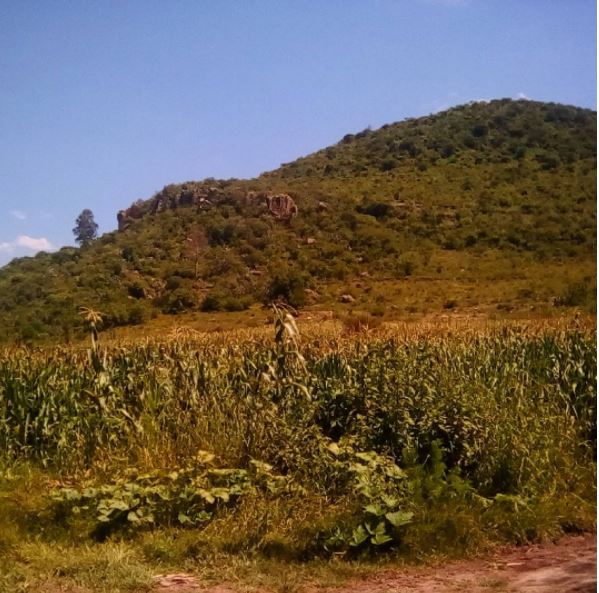
guadalajara mountains

Did you know that for the past few years I’ve been posting the natural landscapes and colors of central Mexico on Instagram?  Really.  I have nearly 600 pictures uploaded to the site.

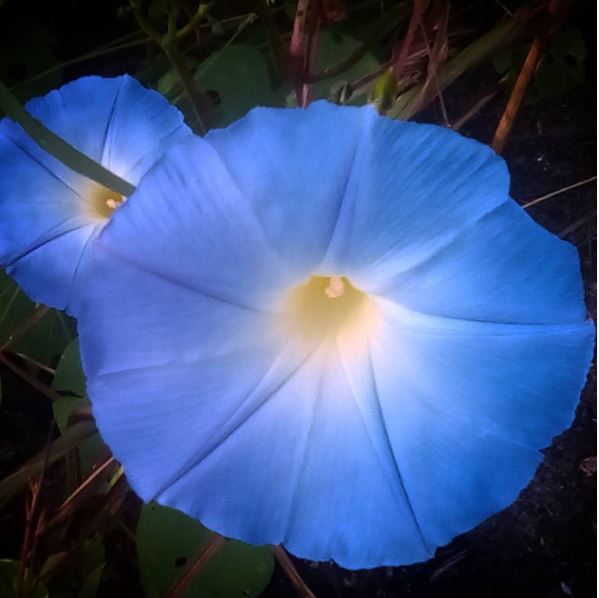
blue morning glory

Recently I ordered prints of most of those snapshots and sent them to my mother to enjoy.  She doesn’t have an Instagram account.  She told me enjoy them she did!

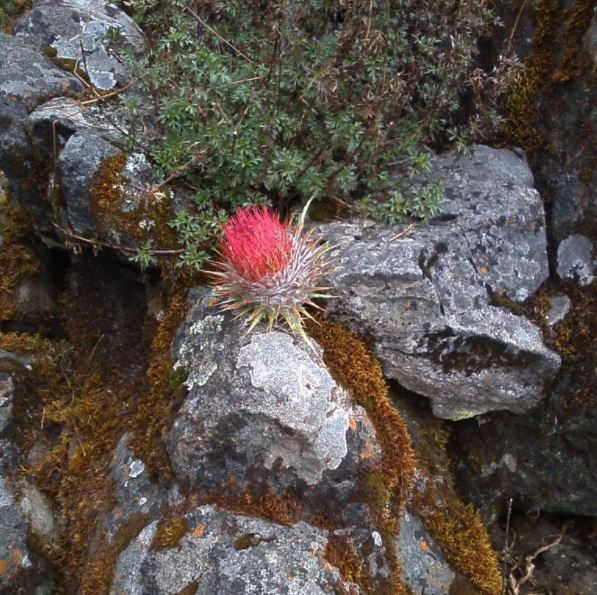
fuzzy rock flower

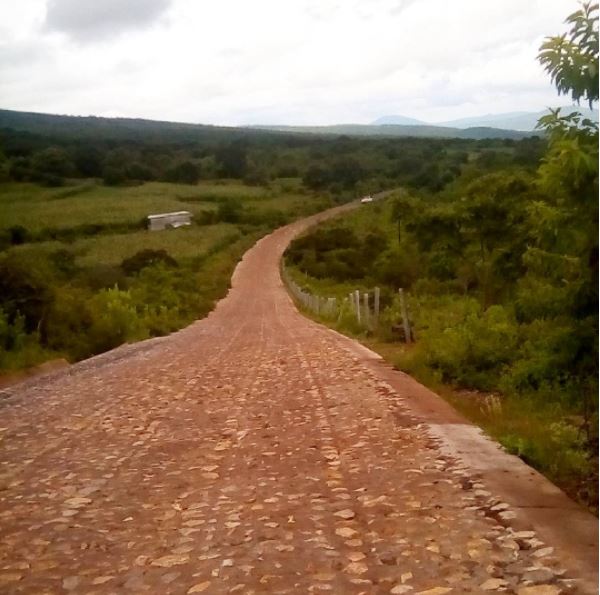
I know the picture quality isn’t the best.  I’m using my phone after all and I am by no means a professional photographer. I did purchase my latest cell phone because of its improved quality photographs (it’s a Polaroid phone) But mostly, it helps that Mexico is breathtakingly beautiful.

amoles road

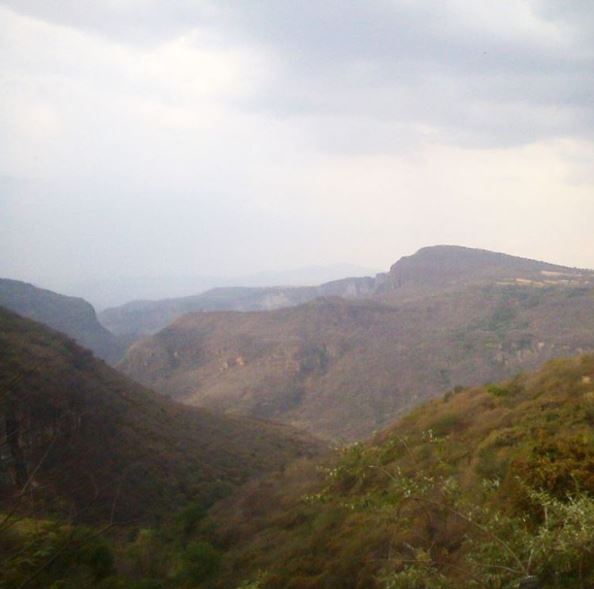
I take pictures of things that catch my eye, which are not necessarily things that are commonly considered attractive.  For instance, I took a picture of this hillside because it looked like an alligator to me.

alligator mountain

If you notice, there is not one single picture of me at Surviving Mexico on Instagram. Nope, I’m not a Selfie girl. Instead, what you will see, is Mexico through my eyes. Gorgeous, isn’t it?

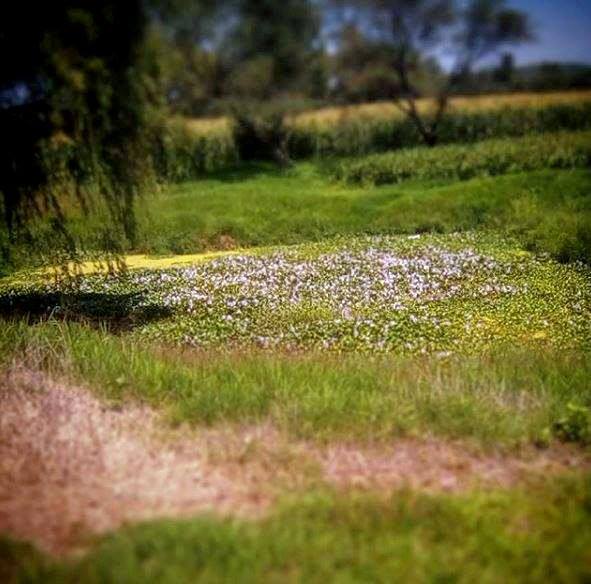
purple water lilies

**********************

 The Herbal Starter Kit by the Herbal Academy
Enroll now in the Herbal Academy Introductory Course!

4 Comments

Filed under Native fauna and flora

Natural Remedies — Cherimoya

It’s that time again.  Walking in our backyard has become a hazard.  When you least expect it, heavy green fruit balls just might fall on your head.  So beware!

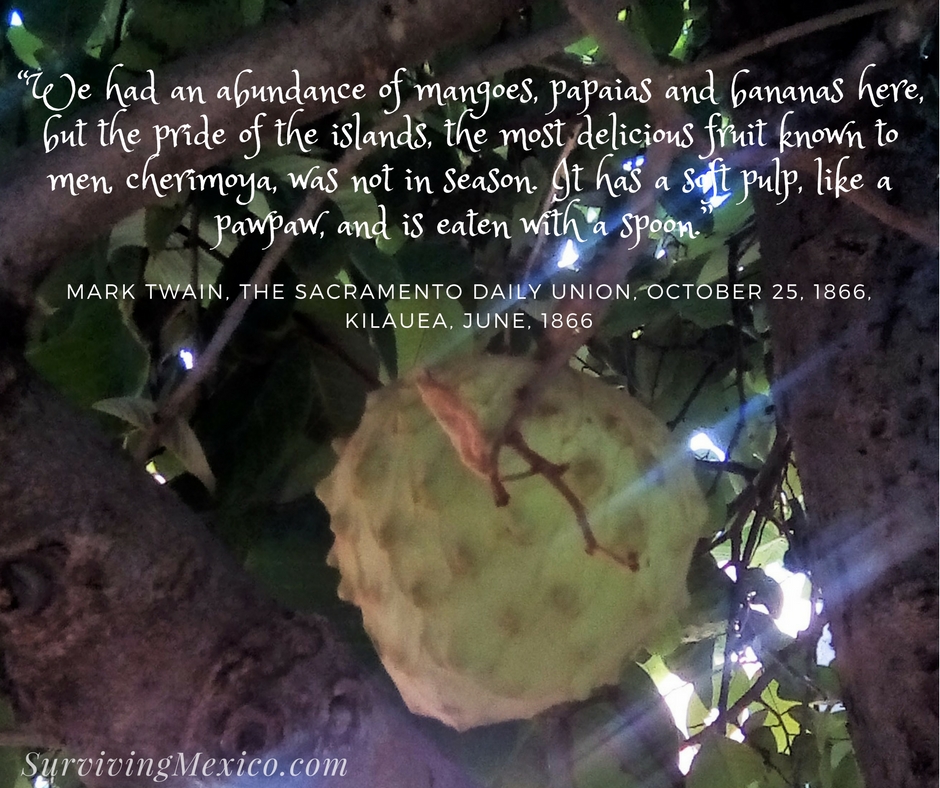
Our cherimoya, AKA chirimoya, chirmuya or custard apple, tree is loaded this year.   This strange name comes from the Quechua language and means “cold seeds” so called because the tree grows at altitudes of 1,300 to 2,600 m (4, 200 to 8,500 ft) and must have cooler weather periodically or will eventually go dormant.  There are several varieties of cherimoya.  The one in our backyard is the Annona cherimola.

You know a cherimoya is ripe when it has the consistency of a ripe avocado when squeezed, a bit mushy but is not yet brown and rotty. The peel and seeds are not edible.  In fact, the seeds are poisonous when crushed.  They contain small amounts of neurotoxic acetogenins like annonacin.  Dried seeds that have been ground into powder can be used to make a paste that can help get rid of hair lice.

Cherimoya tree bark extract is also dangerous.  If injected it can induce paralysis. I don’t know how anyone would have discovered that by accident, but it’s a useful fact to know. The leaves have long been used to treat hypercholesterolemia in Mexico and scientific study has confirmed that there is a basis for their use in treating high cholesterol. Cherimoya leaves have also been used traditionally in the treatment of diarrhea and dysentery and again, scientific studies confirm its use for those illnesses.

“We had an abundance of mangoes, papaias and bananas here, but the pride of the islands, the most delicious fruit known to men, cherimoya, was not in season. It has a soft pulp, like a

And oh, the taste!  Once you break open a cherimoya, the inside is creamy white. The riper it is, the sweeter and softer the texture.  While I’ve seen descriptions of the flavor ranging from banana to bubble gum, to me, it has a sweet, citrus flavor.  In fact, they are so sweet that I can’t eat more than one.

IMG_20171017_120519

There’s more to these huge ugly roundish fruits than meets the eye. Cherimoya is an excellent source of Vitamin B6, Vitamin C, fiber, and riboflavin.  It’s been proven to help with depression and to be suitable for the treatment of oxidative stress related disorders including Alzheimer’s disease, Parkinson’s disease, Asperger syndrome, cancer, atherosclerosis, heart failure, myocardial infarction, Sickle Cell disease, autism, chronic fatigue syndrome, and even tempers the wear and tear of normal aging like wrinkles, osteoporosis and gray hair. Cherimoya has also been shown to be successful in the treatment of diabetes and gastrointestinal disorders.

The fruit is only in season a short time, in our area mid-September to November, so it’s best to eat what you can while the cherimoya is available.

*****************

Interested in natural remedies? Uncover herbal remedies from traditional Mexican sources for healing and wellness in the Exploring Traditional Herbal Remedies in Mexico series.
4 Comments

Filed under Health, Mexican Food and Drink, Native fauna and flora, Natural Healing