Category Archives: Native fauna and flora

New Herb Book Release and Cover Updates

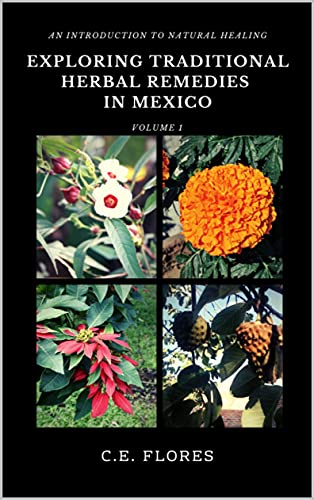
Click on the cover for a preview!

It’s been a long time coming but I’ve finally finished Exploring Traditional Herbal Remedies in Mexico: Learning About Culture Through Plant Use. Yippee!  It’s now available on Amazon in full-color paperback and ebook. 

Mexican herbalism has often been overlooked by North American herbalists because most remedies have not been written down. Furthermore, many native plants are misidentified even by botanists. This volume of Exploring Traditional Herbal Remedies in Mexico: Learning About Culture Through Plant Use looks at some commonly miscategorized native plants and their traditional uses.

In this book you’ll discover:

◆30 Mexican plants used in traditional remedies

◆Dozens of herbal treatments for common ailments

◆Accurate botanical identification of native Mexican plants

To celebrate, Volume 1, Exploring Traditional Herbal Remedies in Mexico: An Introduction to Natural Healing is FREE for the next few days. You’ll notice the book has a new cover, which I hope is pleasing. It’s also been revamped inside, however, the updates are not reflected in the Look Inside feature on Amazon. Apparently, there’s a glitch they are trying to work out. They were vague about when that would happen though.

Anyway, if you’ve already purchased this book, you can get the updated version delivered to your Kindle like this:

  1. Go to Manage Your Content and Devices.
  2. Search for your Kindle book.
  3. If available, select Update Available, then select Update.

Would you believe that I’m working on Volume 3 already? Who knows where this will end? I also have some herb courses in the works, a plant coloring book (because Claudia’s illustrations are so amazing), and an expanded Mexican Cold and Flu Remedy book. All COMING SOON!

Don’t forget to get your FREE ebook if you haven’t already!

Leave a comment

Filed under Health, Native fauna and flora

Natural Healing — Flor de Tila

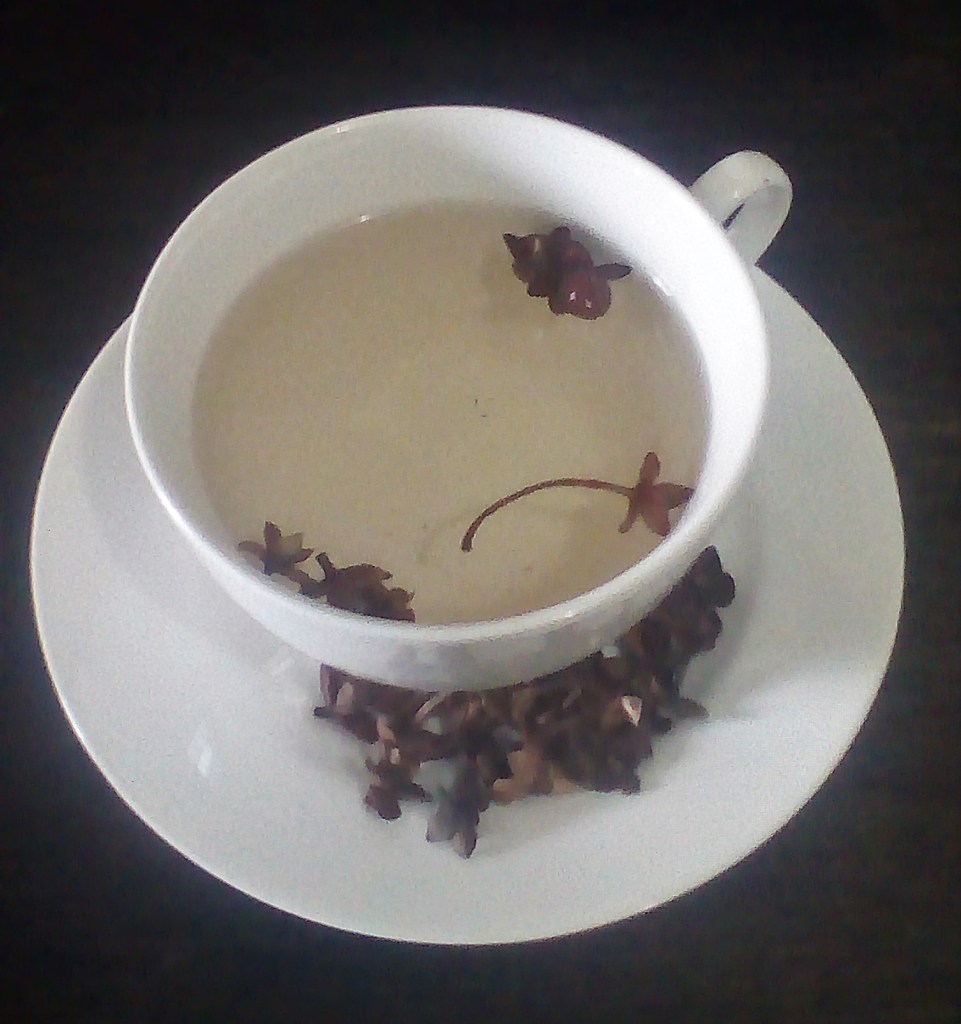
Flor de tila (Ternstroemia lineata)

Originally, I was under the impression that the flor de tila that was a staple ingredient in my favorite relaxing tea blend was from the Mexican linden tree. After all, several herb books I own that focus on Mexican herbs use the terms linden and tila interchangeably. However, doing just a little more research, I found that flor de tila is NOT any species in the family Malvacaea at all. Rather it belongs to the Pentaphylacaceae family and all my research on this beneficial herb went out the window since I had been searching for the wrong plant. What is more likely is that the correct term in Mexico is flor de tilia (not tila) or flor de tilo when referring to the blossoms of the linden tree in the genus Tilia. 

As you can see from the picture, Flor de tila (Ternstroemia lineata) dries much darker than linden flowers. The flower structure is also very different. Linden trees are much larger than the Ternstroemia lineata, which tends to only grow to about 20 feet. 

Flor de tila (Ternstroemia lineata) is native to areas of higher altitudes in central Mexico. It is also known as ucharillo and charapit uku in Purépecha. The wood is used to make certain guitar components. This plant is used in traditional Mexican remedies for insomnia, menstrual cramps, and headaches. It is also used as a digestive aid, sedative, and for bronchitis. 

There have been no studies done on the medicinal properties of Ternstroemia lineata. In fact, until recently, this species was classified as Ternstroemia pringlei, also known as flor de tila. A few studies have been done on Ternstroemia pringlei showing it has a sedative effect supporting its use for insomnia treatment. Leaf extracts from the plant are effective against liver flukes and the leaf, petal, fruit and seed are antioxidant.

I did find a few concoctions in my little herb books that use Ternstroemia lineata and not linden but because of the error in identification, I had to discount many of the remedies both online and from the books in my library.

Flor de tila (Ternstroemia lineata)

Flor de Tila Headache Tea

Boil ½ liter of water.

Add:

  • 2 to 4 grams of flor de tila (Ternstroemia lineata)
  • To make a sleep aid tea, add 10 grams of bitter orange leaves (Citrus × aurantium).
  • To make a cough tea, add 5 grams of (starflower)(borrajo officinalis).

Flor de Tila Heart Palpitation Tea

Drink daily before meals

Boil ¾ liter water.

Add:

  • 5 matarique branches (Psacalium decompositum)(Desert Indian brush)
  • 20 flores de tila (Ternstroemia lineata)(Tila flowers)
  • 2 pinches of sauco (Sambucus)(elder flowers)
  • 2 flores de manitas (Chiranthodendron pentadactylon)(Hand Flower Tree flowers)
  • 1 branch of alfalfa (Medicago sativa)
  • 2 pieces of valeriana roja (Centranthus ruber)(red valerian)

***

Interested in natural remedies? Uncover herbal remedies from traditional Mexican sources for healing and wellness in the Exploring Traditional Herbal Remedies in Mexico series.

Leave a comment

Filed under Health, Native fauna and flora, Natural Healing

Natural Healing — Pasiflora

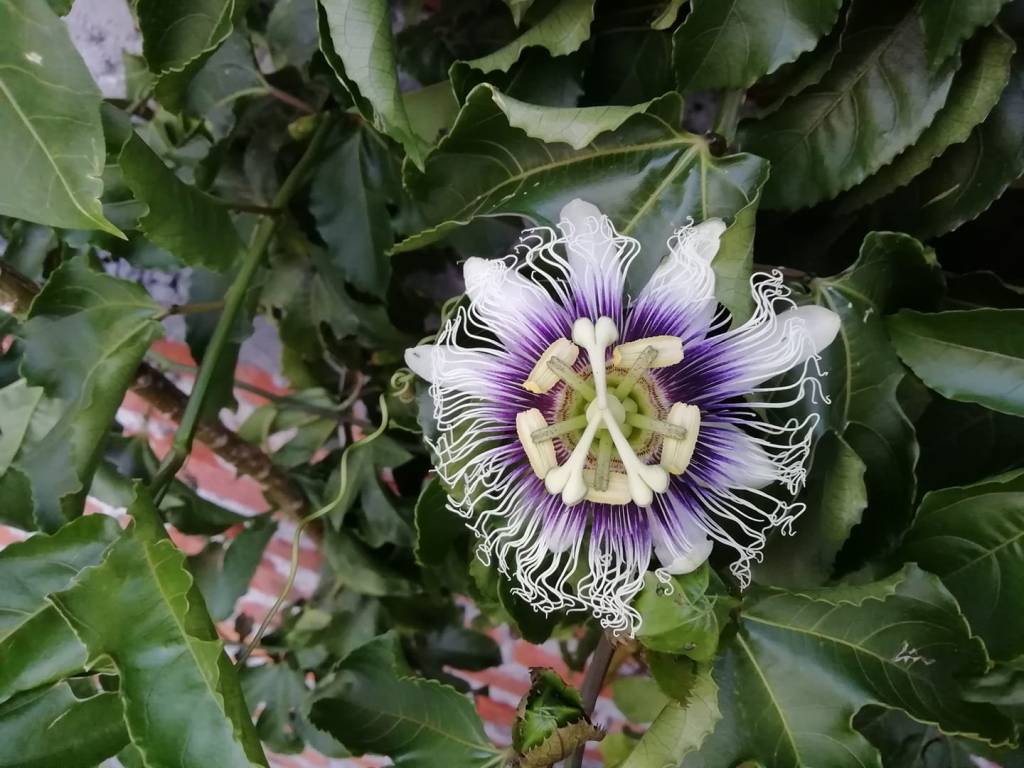
Passiflora edulis

I’ve mentioned before the amazing relaxing tea blend I stumbled across that contained:

  • Jamaica (Hibiscus sabdariffa)
  • Flor de Azahar (citrus Aurantium)
  • Flor de Tila (Ternstroemia lineata)
  • Flor de Manita (Chiranthodendron pentadactylon)
  • Hojas de Naranjo (Citrus aurantium)
  • Melisa (Cedronella Mexicana)
  • Manzanilla (Matricaria chamomilla)
  • Pasiflora (Passiflora Ciliata) 
  • Hojas de Limón (citrus medica)
  • Yoloxochitl (Talauma Mexicana)
  • Rosa de Castilla (Rosa centifolia) 
  • Alhucema (Lavandula angustifolia) 

I’ve done some research on many of the ingredients and today I’d like to add to your knowledge about Pasiflora.

Pasiflora (Passionflower) was called coanenepilli (snake tongue) in Nahuatl because of the curvy membranous outgrowths’ resemblance. In Maya, this plant is known as Pochil or Kansel-ak. It was a traditional remedy for snakebites and fevers. When the Spanish missionaries arrived, they named this unique flower passionaria after the passion of Christ. In their eyes, the circle of membranes was representative of Christ’s crown of thorns. Dr. Nicholas Monardes called the plant granadilla in his book Joyfull Newes Out of the Newe Founde Worlde because the small fruit resembled granadas (pomegranates) in his view. He recorded a remedy that used the juice from these fruits to relieve stomach pains. 

There are more than 600 species of passiflora, most of which are found in Mexico, Central and South America. Believe it or not, there is even a stinking passion flower (Passiflora foetida) that catches insects in the hairs on its bracts to eat, making it a protocarnivorous plant. This plant has been shown to be useful in treating inflammatory disease

passiflora incarnata

The fringed passion flower (Passiflora ciliata) is the variety most often used in teas as a sedative. The purple passion fruit (Passiflora edulis) is often grown for its fruit called maracuyá which has proven health benefits including the prevention of diabetic related complications

In herbal remedies still used in Mexico, pasiflora is often included in treatments of insomnia, anxiety, and nervousness including opiate withdrawal. Studies have shown that Maypop (Passiflora incarnata) extracts are effective sleep inducers as well useful in the treatment of anxiety and depression. And researchers have confired that at least one variety, the giant granadilla (Passiflora quadrangularis), contains serotonin.

There have been reports of negative reactions to pasiflora such as nausea, tachycardia, and drowsiness, therefore care should be taken when using this plant, especially since so few varieties have been studied

****

Interested in natural remedies? Uncover herbal remedies from traditional Mexican sources for healing and wellness in the Exploring Traditional Herbal Remedies in Mexico series.

Leave a comment

Filed under Native fauna and flora, Natural Healing