Category Archives: Health

Natural Healing — Zapatilla del Diablo

Photo credit: Dinesh Valke

The fifteen or so Pedilanthus species, all of which are native to Mexico, were merged as a Euphorbia subgroup. Different herbal resources, depending on their publication date, may therefore refer to this unique plant as either Pedilanthus tithymaloides or Euphorbia tithymaloides. Subspecies of this plant are identifiable by their leaves. Some are variegated or tinted pink, white or red, or even uniquely shaped. Unlike many plants, this species is able to thrive in toxic waste sites and landfills. Planted near a doorway, it is believed to ward off evil spirits. 

Euphorbia tithymaloides is known as zapatilla del diablo (devil’s slipper), pilicxitl, redbird flower, Devil’s backbone, and slipper spurge. The pink or reddish flower resembles a slipper. 

The sap, stems, roots, seeds, and leaves are toxic. However, it is a common ingredient in the treatment of isihuayo, also known as caída de matriz. Zapatilla del Diablo is applied topically with hot stones, warm oil, or ash above the area the uterus is believed to be anchored to the body in order to settle the womb back in place after delivery or accident. Isihuayo is believed to be a “cold” condition that benefits from “hot” treatment. Zapatilla del Diablo is considered a “hot” plant and is often used in conjunction with steam baths and hot stones to restore the body’s equilibrium

A tincture made from the sap is used to treat scabies, skin cancer, STDs, warts, and dental pain. Diluted sap is given as a remedy for intestinal worms and gastritis. However, the toxic properties can cause irritation and bleeding, so it should be used with extreme caution. A leaf and sap decoction is applied topically as a poultice for fractures and wounds. A leaf infusion is prescribed as a sedative, for headaches, and for respiratory ailments. A few drops of the infusion are placed on a cotton ball and inserted into the ear canal for earache. As a gargle, it is used to treat sore throat. 

An infusion is given to a laboring mother when delivery is taking an excessive amount of time to hasten things along. Because it causes uterine contractions, it should never be ingested during pregnancy. It’s also recommended for menstrual cramps.

Studies have shown that pedilanthus tithymaloides inhibits herpes simplex virus type 2 infections. Zapatillo de diablo has antibacterial, antifungal, anti-inflammatory, antibiotic, antimalarial, antimicrobial, antiseptic, antihemorrhagic, antiviral, anti-parasitic, and antitumoral. It is emetic, provokes vomiting, and is abortive. It also has demonstrated antimycobacterial activity against Mycobacterium tuberculosis. The leaves are toxic to the Culex quinquefasciatus mosquito’s eggs, larva and pupa.

***

Interested in natural remedies? Uncover herbal remedies from traditional Mexican sources for healing and wellness in the Exploring Traditional Herbal Remedies in Mexico series.

Leave a comment

Filed under Health, Native fauna and flora, Natural Healing

Herbal Academy’s Inaugural 2025 Virtual Herbalism Conference: A Celebration of Connection

If you love herbs as much as I do (and you probably already know I can’t get enough of them), then Herbal Academy’s 2025 Virtual Herbalism Conference is an event you absolutely don’t want to miss. Best of all—it’s FREE!

This conference is all about connections—connections to plants, to people, and to the deeply inspiring practice of herbalism that unites us all.

Daily Masterclasses & Potent Conversations

Mark your calendars! From Monday, February 17 to Friday, February 21, six live masterclasses will be presented daily from 9:00 AM EST to 8:00 PM EST, scheduled every two hours. You’ll have the rare opportunity to gain wisdom and insight from some of the most respected herbalists in the field.

Speakers included Aviva Romm, David Winston, Felicia Ruiz, Rachelle Robinett, Sajah Popham, Abril Donea, Adriana Ayales, and many more! These teachers will share their knowledge, traditions, and research, exploring herbal practices worldwide.

Whether you’re new to herbalism or have been practicing for years, there’s something to inspire everyone. This conference is your chance to deepen your herbal knowledge, connect with experts, and explore how plants enrich our lives.

Free Herbal Ebooks!

Herbal Academy is also offering two incredible free ebooks:

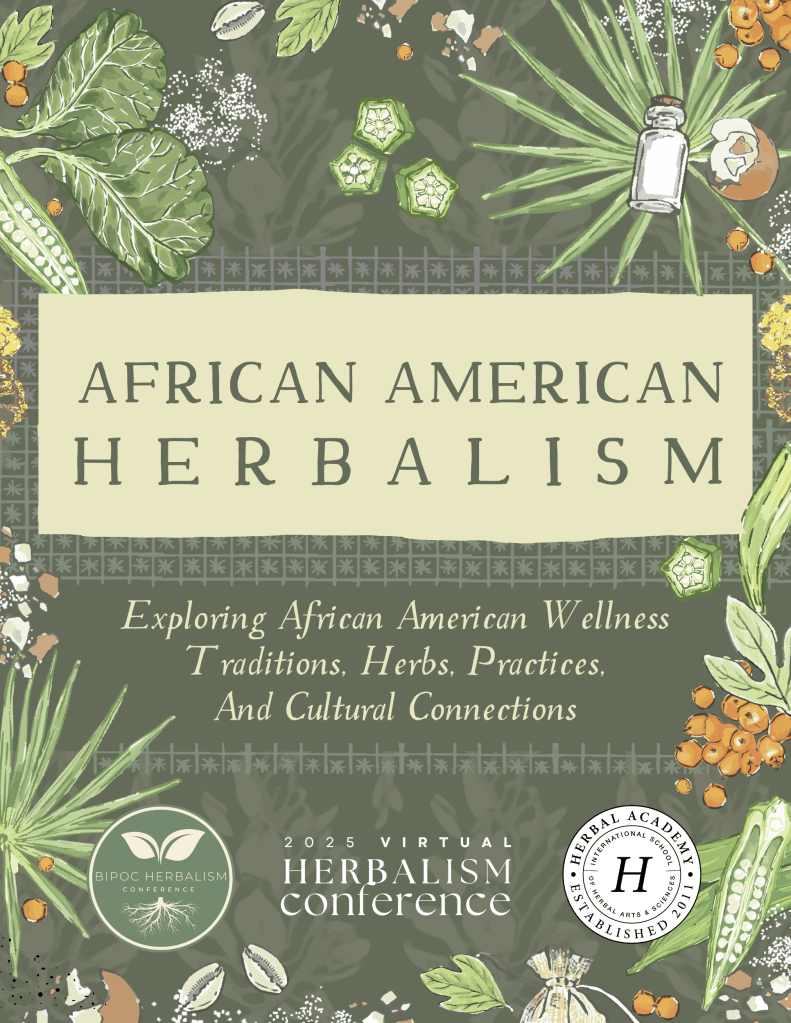
📖 #1: Explore African American Herbal Traditions & Wellness Practices

African American herbalism is not just a historical footnote—it’s a thriving, living legacy that continues to shape and influence modern Western herbalism. This ebook dives into the rich heritage, powerful traditions, and time-honored healing practices that have been passed down through generations. Discover the stories, remedies, and wisdom that have stood the test of time.

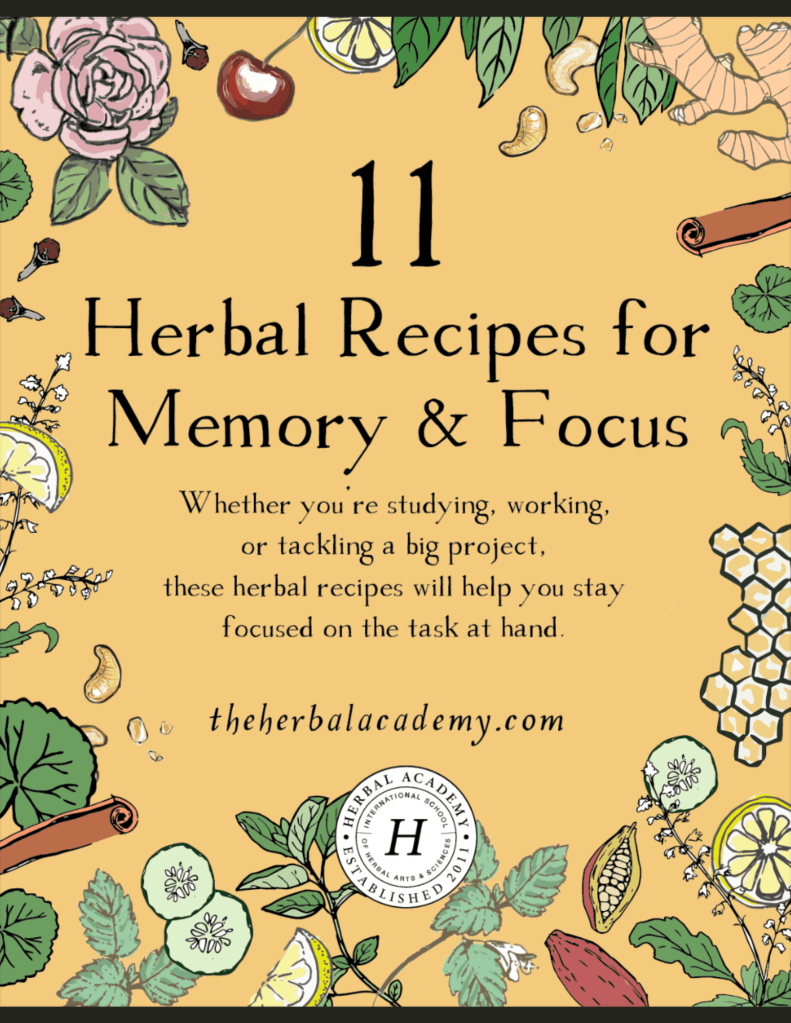
📖 #2: Discover the Power of Herbs to Enhance Cognitive Performance

Nature provides us with the best tools to support memory and focus! This expertly curated guide features evidence-based herbal recipes to help maintain mental clarity, sustain concentration, and optimize cognitive function. Whether looking to sharpen your mind or support long-term brain health, this ebook is packed with practical, plant-based solutions.

I Can’t WAIT for This Conference!

All things herbs—that’s what I live for! If you’re anything like me, this conference is the ultimate gathering to immerse yourself in the magic of plant medicine.

Let’s come together, learn, and grow with the wisdom of our plant allies. See you there! 🌿✨

Leave a comment

Filed under Health, Natural Healing

Natural Healing — Chaya

Photo credit: Frank Vincentz

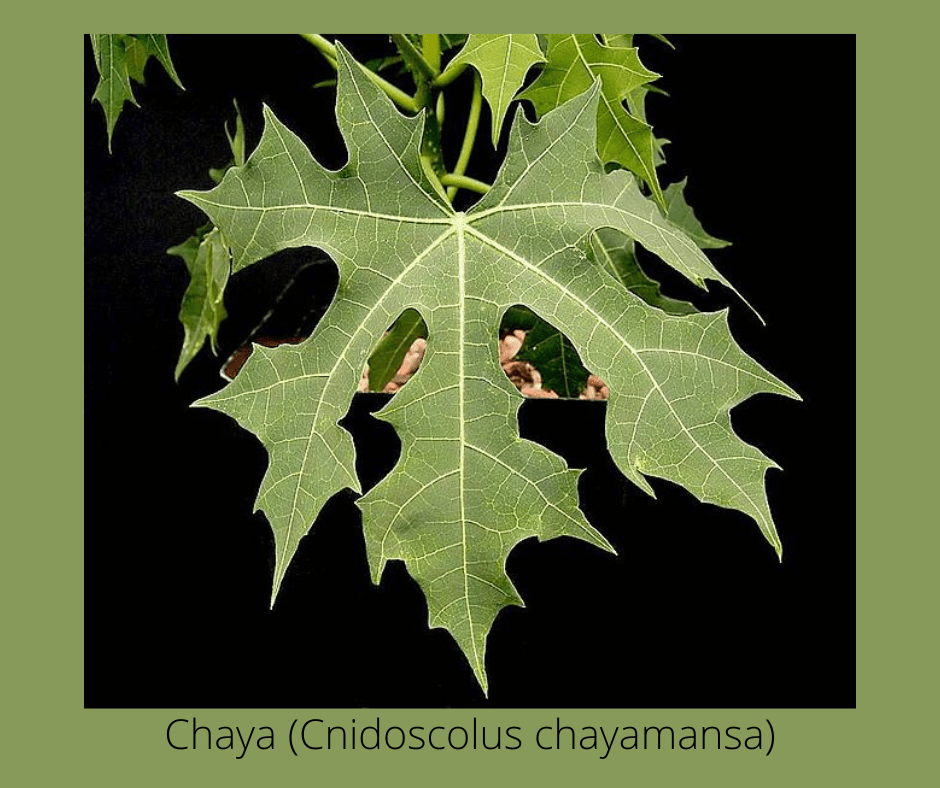
Chaya (Cnidoscolus chayamansa) is also called chaya col, chaya mansa, chaay, chin chin chayy, ts’iim, ts’iim, and tree spinach. Cnidoscolus aconitifolius, also known as chaya, is another edible variety less commonly consumed. The two are often used interchangeably in traditional remedies. 

Photo credit: Tortie tude

Chaya is a vitamin C-rich food source and is used traditionally to combat the common cold, parasites, bacterial infections, diabetes, rheumatism, insomnia, skin disorders, gout, alcoholism, respiratory, kidney, and gastrointestinal diseases, and as an anti-inflammatory agent. Leaf sap is sometimes prescribed for eye infections, while the sap from the stem is applied to insect bites, acne, skin eruptions, and scorpion stings. In Chiapas, boiled, shredded leaves are applied to fungal infections. As a part of a daily nutritional regime, the recommended dose is two to six leaves boiled and blended into juice or soup. 

For a mild laxative, boil 10 grams of leaves and stems in a liter of water and blend. Drink one cup before every meal for fifteen days. 

A decoction of dried or fresh leaves and stems is also drunk to augment milk production and applied topically for vaginal infections and as an after-birth wash. Be sure to boil the tea for at least five minutes since the leaves contain hydrocyanic glycosides. Boiling ensures that the leaves are safe to ingest. 

Cnidoscolus chayamansa leaf infusions are antibacterial, antioxidant, antimycobacterial, hypoglycemic, antiprotozoal, hypocholesterolemic, cardioprotective, hepatoprotective, anti-inflammatory, and minimally antimicrobial

Cnidoscolus aconitifolius leaf extract has a hypotensive effect. It has been shown to be gastro and renal protective. Other studies have shown that it prevents hepatic injury, reduces blood glucose and plasma cholesterol levels,  and improves muscle glucose uptake. There has been some preliminary evidence that it has antithrombotic and anti-tumor properties. It is anti-inflammatory, antioxidant, and analgesic.

***

Interested in natural remedies? Uncover herbal remedies from traditional Mexican sources for healing and wellness in the Exploring Traditional Herbal Remedies in Mexico series.

Leave a comment

Filed under Health, Native fauna and flora, Natural Healing