Natural Healing — Pitahayas

Pitahaya AKA Dragon Fruit

With things being what they are these days, we have to take our joys where we find them. This week our big highlight was our cactus produced pitahayas, one for each of us. We planted it two years ago from a cutting from the neighbor. I’m hoping that this is just the beginning of a long productive spell. 
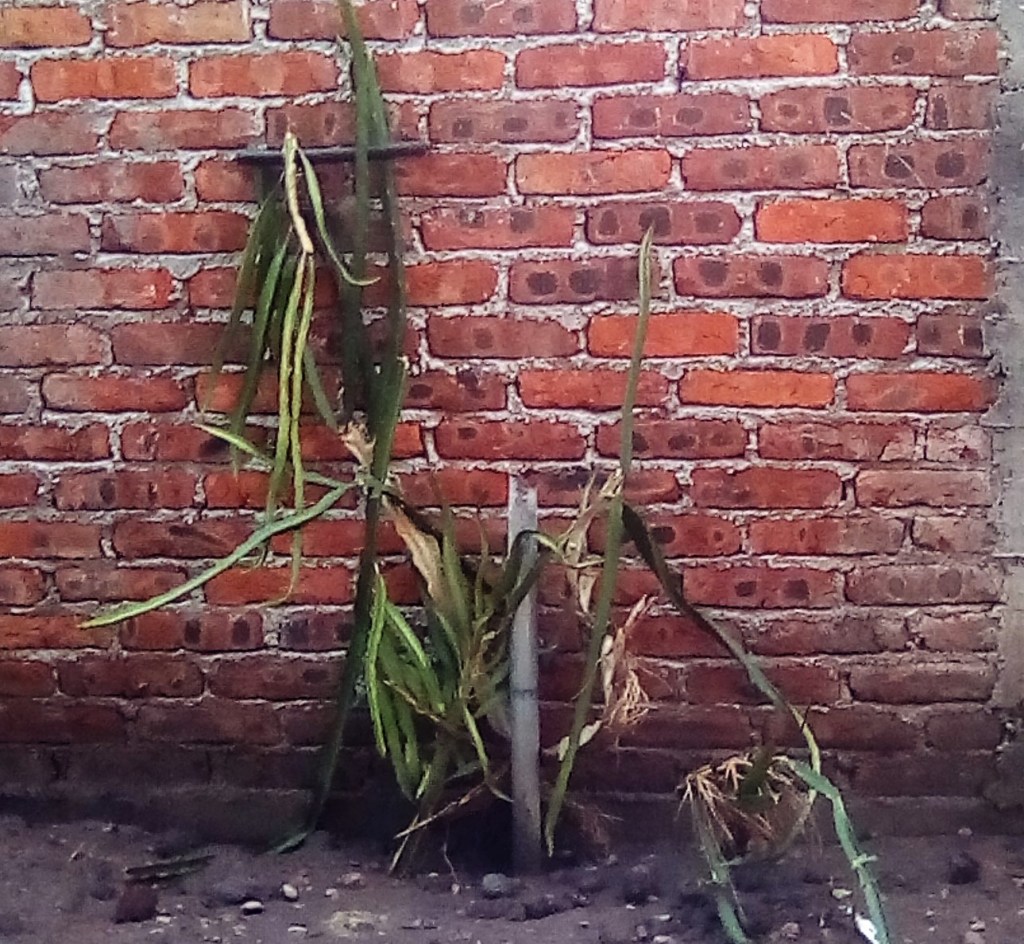
Hylocereus polyrhizus cactus

The Hylocereus cactus that produced our pitahayas (as opposed to pitayas which come from the cactus stenocereus) is the Hylocereus polyrhizus. It produces fruit that has a pink covering with a reddish, seedy (and delicious) interior known as pitahaya roja. It’s native to Mexico but found in many tropical regions nowadays. In our region, this fruit is also called tuna tasajo. Tuna is the generic term for cactus fruit while I assume tasajo is from an indigenous source, possibly Purépecha, but I couldn’t find an English or Spanish translation for the word. Another term used generally for the fruit from the Hylocereus cactus is pitahaya orejona.
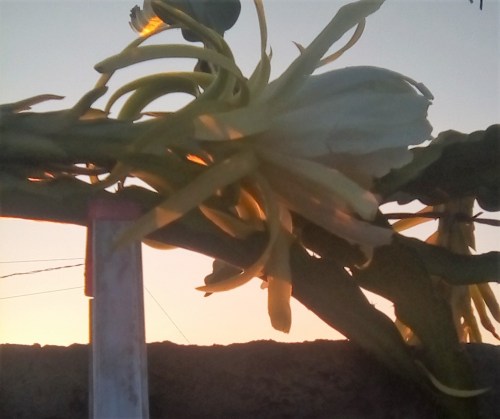
Hylocereus polyrhizus is a viney cactus. Ours has snaked its way up the wall, but I’ve also seen it locally wind itself around mesquite trees. It has a night-blooming flower, so it is dependent on night pollinators like moths or bats. The gorgeous white flower usually wilts within a day or two.  

The betalain that gives this yummy fruit its red color is also found in beets, Swiss chard, and amaranth. Betalain not only makes a natural food coloring but also is rich in antioxidants. The seeds contain linoleic acid which is a functional fatty acid.

This seedy fruit helps the digestive process through prebiotics. It has a preventative effect against breast and colon cancer. It has been shown to aid in reducing cholesterol levels. The lycopene content that gives the fruit its red color is effective in neutralizing heavy metals and toxins including MSG and herbicide ATZ. Furthermore, the antioxidant and fiber content of this fruit may be useful in the prevention and treatment of diabetes.

Traditional Mexican remedies include a diet rich in pitahaya to stimulate appetite and improve digestion. The fruit can be eaten raw, juiced, or made into ice cream or syrup.

Two or three fruits eaten an hour before breakfast for two or three days are prescribed to help with constipation. To treat intestinal parasites, the seeds of several fruits can be separated out and chewed thoroughly before swallowing.  

The flowers can be cooked and eaten like vegetables. Dried flowers can be used to make tea which is used to treat nervous disorders and insomnia. An infusion made from the flowers is also used to treat gum pain and tooth infection. 

Dysentery was treated with a section of root boiled in a covered cup over a slow fire. The concoction was allowed to cool with the top still on and sweetened with honey, then left overnight to be drunk in the morning before breakfast. This process was repeated every day for seven days for maximum results.  

Pitahaya blanca from the Hylocereus undatus cactus.

There are several other varieties of sweet pitahaya available in Mexico. Hylocereus undatus has white fruit and pink skin. This is the type most grown commercially and known as pitahaya blanca. It originated in the southern part of Mexico. Pitahaya blanca is sweeter and has a higher sugar content than either the red or yellow varieties. 

The name reina de la noche (Night Queen) refers to the bloom of this variety. H. undatus has been shown to have wound healing properties when used topically and useful in treating oxidative stress and aortic stiffness in streptozotocin-induced diabetes. The peel has antibacterial properties effective against Staphylococcus aureus, Escherichia coli, and Salmonella typhimurium among others.

Hylocereus megalanthus has a yellow fruit and white exterior which is called pitahaya amarilla. The seeds from H. megalanthus fruit have the largest amount of polyunsaturated fatty acids when compared to the other varieties. Hylocereus Purpusii produces fruit with purple skin and pulp. 

Hylocereus ocamponis is native to the states of Jalisco and Nayarit. It’s pinkish on the outside and a darker red inside.

Have you tasted pitahayas? Which color?

***

Interested in natural remedies? Uncover herbal remedies from traditional Mexican sources for healing and wellness in the Exploring Traditional Herbal Remedies in Mexico series.
3 Comments

Filed under Mexican Food and Drink, Native fauna and flora, Natural Healing, Uncategorized

July Releases

I haven’t been idle in recent weeks, despite my infrequent blog posting. I’ve completed a 3-book series designed to help aspiring authors format, upload, and market their books. Having gone through the self-publishing process 16 times now (you can see all my books here), I’ve nearly figured it out through the tedious process of trial and error. It’s no picnic, let me tell you!

Just like last month’s release, Book Weaving, these three books feature more of Claudia Guzes amazing cartoons. After all, “Laughter can relieve tension, soothe the pain of disappointment, and strengthen the spirit for the formidable tasks that always lie ahead.” –Dwight D. Eisenhower.

Since we’ve become unwitting experts in tension, disappointment, and formidable tasks, why not throw some laughter into the mix? At least that was my thought when I opted to include some cartoons!

Book Building: A Beginner’s Guide to Crafting Your Book can help you properly organize your manuscript. Book It: A Beginner’s Guide to Self-Publishing and Marking on Amazon will help you navigate the publishing process. Book Hawking: A Beginner’s Guide to Marketing Your Self-Published Book is full of additional ways you can get your book into the hands of readers whether you’ve self-published or gone the traditional publishing route.

If you click on the cover, you can see a preview of the book.

What better way to enjoy a summer quarantine than with a new book? Go ahead and pick these up for free over the next few days. In addition, you can get A Woman’s Survival Guide to Disasters in Rural Mexico for 99 cents. Happy reading!

Click on the cover for a preview.

Now what shall I work on this month? Topic suggestions?

Leave a comment

Filed under Blogs about Mexico Worth Reading

The New Normal

Last month we had quite a few shootings in town. I’m sure there were more, but these are the ones I know about.

A teenager sitting on the curb in front of his house was gunned down not a block from my sister-in-law’s tortilleria. The guy who sells raw chicken whose stand is next to the woman that we buy our raw chicken from was shot 22 times. The chicken lady and the fried fish lady who had stalls on either side packed up their wares that day and haven’t returned.

We had a coordinated attack straight from a bad action film in town a block from where we had gone to buy our vegetables. We missed the action by 15 minutes. A car was set fire near the glorieta (roundabout) on the edge of town. A string of fireworks was set off in the mercado (market). Someone shot the employee of the shoe store on the corner. At the same time, several masked marauders ransacked the jewelry store in front of the presidencia (town hall). The military hummveed into town about an hour later. I have no idea why. The perpetrators were long gone.

Tuesday, the guys that ran the “auto paint shop” were shot. We drive past there every day on the way to town. Then the person running the “auto lavado” (car wash) next to Soriana was shot on Thursday. Both were obviously front businesses. The other shootings were reportedly all drug-related as well. Does that reassure me any? Hell no!

Our area is still in the midst of a turf war that began a while back. Guanajuato, being a center state, is considered an easier passage north than the mountains of Michoacan, although Michoacan has its own issues. 

The Jalisco New Generation Cartel (CJNG), under the leadership of El Mencho, el rey de metanfetamina (meth king), wants clear passage through the state which is currently held by the Santa Rosa de Lima Cartel, headed by José Antonio “El Marro” Yépez, el rey de huachicol (fuel theft king)

Last week, El Marro’s mother and sister were arrested but released because of “insufficient evidence.” Retaliations for the arrests include a few bombed cars and a bomb attempt at a PEMEX facility. Police tried to rearrest dear old mom a few days later. Three of the four officers attempting the arrest were shot and killed. Odds are the authorities are working with El Mencho to clear the area for takeover. It’s not going to well so far.

It’s enough to stretch already taut nerves to the breaking point. The local police and government are silent about the shootings in town. Their broadcasts focus on wearing a mask in public and using an antibacterial gel. Businesses have been given the green light to open up with precautions. We mustn’t let the economy collapse now, right?

Our personal strategy is to go to town as little as possible. We try to go to the grocery, carniceria, and fruteria stores as soon as they open in the morning. In and out, then back home. The idea, at least in my mind, is any shootings will occur a little later in the day, once the thugs rolled out of bed. This is the new normal in our area where masks and bullet-proof vests are suggested daily wear. 

***

2 Comments

Filed under Safety and Security