Natural Healing — Pasiflora

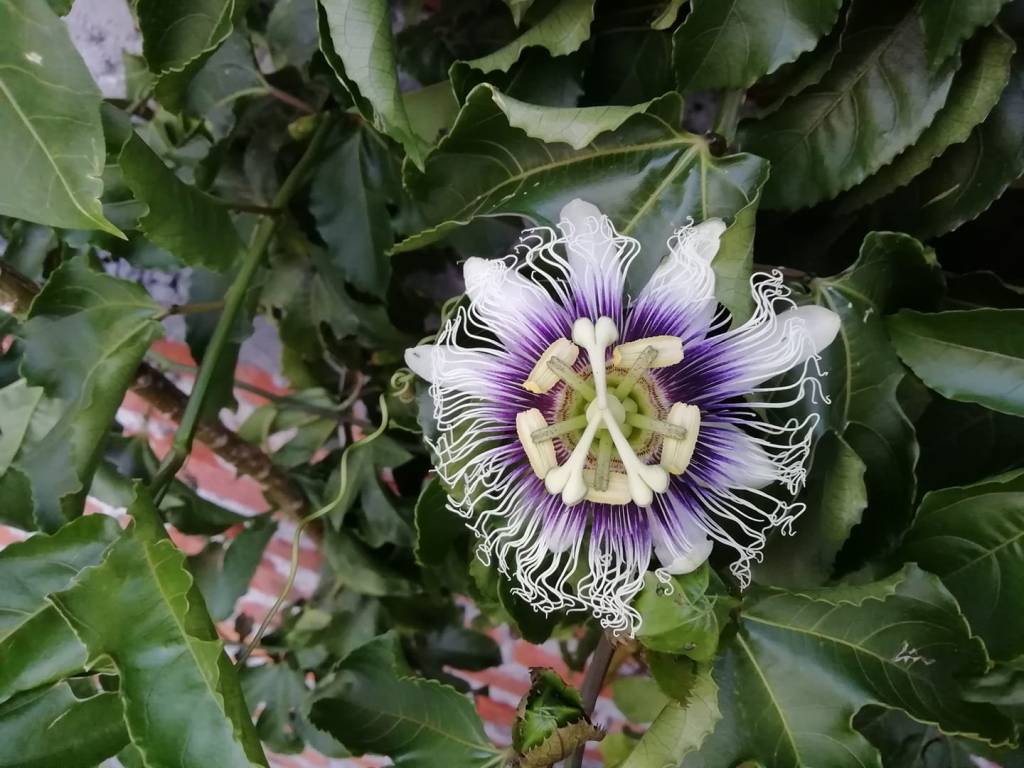
Passiflora edulis

I’ve mentioned before the amazing relaxing tea blend I stumbled across that contained:

  • Jamaica (Hibiscus sabdariffa)
  • Flor de Azahar (citrus Aurantium)
  • Flor de Tila (Ternstroemia lineata)
  • Flor de Manita (Chiranthodendron pentadactylon)
  • Hojas de Naranjo (Citrus aurantium)
  • Melisa (Cedronella Mexicana)
  • Manzanilla (Matricaria chamomilla)
  • Pasiflora (Passiflora Ciliata) 
  • Hojas de Limón (citrus medica)
  • Yoloxochitl (Talauma Mexicana)
  • Rosa de Castilla (Rosa centifolia) 
  • Alhucema (Lavandula angustifolia) 

I’ve done some research on many of the ingredients and today I’d like to add to your knowledge about Pasiflora.

Pasiflora (Passionflower) was called coanenepilli (snake tongue) in Nahuatl because of the curvy membranous outgrowths’ resemblance. In Maya, this plant is known as Pochil or Kansel-ak. It was a traditional remedy for snakebites and fevers. When the Spanish missionaries arrived, they named this unique flower passionaria after the passion of Christ. In their eyes, the circle of membranes was representative of Christ’s crown of thorns. Dr. Nicholas Monardes called the plant granadilla in his book Joyfull Newes Out of the Newe Founde Worlde because the small fruit resembled granadas (pomegranates) in his view. He recorded a remedy that used the juice from these fruits to relieve stomach pains. 

There are more than 600 species of passiflora, most of which are found in Mexico, Central and South America. Believe it or not, there is even a stinking passion flower (Passiflora foetida) that catches insects in the hairs on its bracts to eat, making it a protocarnivorous plant. This plant has been shown to be useful in treating inflammatory disease

passiflora incarnata

The fringed passion flower (Passiflora ciliata) is the variety most often used in teas as a sedative. The purple passion fruit (Passiflora edulis) is often grown for its fruit called maracuyá which has proven health benefits including the prevention of diabetic related complications

In herbal remedies still used in Mexico, pasiflora is often included in treatments of insomnia, anxiety, and nervousness including opiate withdrawal. Studies have shown that Maypop (Passiflora incarnata) extracts are effective sleep inducers as well useful in the treatment of anxiety and depression. And researchers have confired that at least one variety, the giant granadilla (Passiflora quadrangularis), contains serotonin.

There have been reports of negative reactions to pasiflora such as nausea, tachycardia, and drowsiness, therefore care should be taken when using this plant, especially since so few varieties have been studied

****

Interested in natural remedies? Uncover herbal remedies from traditional Mexican sources for healing and wellness in the Exploring Traditional Herbal Remedies in Mexico series.
Leave a comment

Filed under Native fauna and flora, Natural Healing

Ultimate Bundles Flash Sales for October

Boy oh boy! Just wait until I lay this one on you. Ultimate Bundles is filling October with one flash sale after another. This will be your LAST chance to get these bundles before they disappear into the nether. Let’s go through them one by one.

First, on October 4-5, it’s The Ultimate Healthy Living Bundle 2021 Flash Sale. As part of the promotional material, you can sign up for the free webinar 5 Essential Herbal Remedies for Cold and Flu Season scheduled for October 4 at 3 pm EST without any obligation to purchase the bundle.  

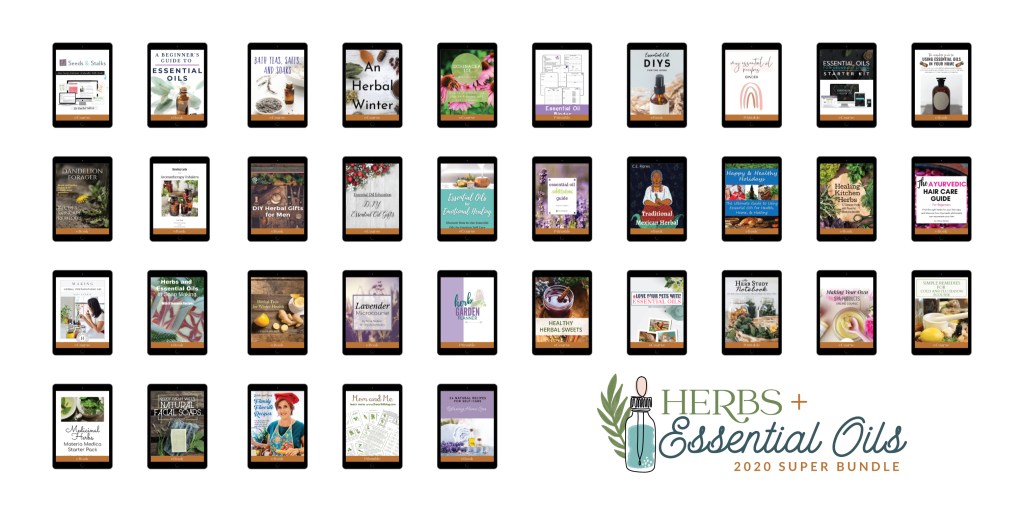
However, the bundle is awesome. This set includes 20 eBooks, 18 eCourses & Summits, 5 Printables & Workbooks for $37. But the fun doesn’t end there. You will ALSO get the chance to purchase the Herbs + Essential Oils Super Bundle with my book, Traditional Mexican Herbal Remedies, included!  

It includes 20 herbs, or rather 19, and miel sagrado (sacred Melipona honey) and their medicinal use by Mexican healers as well as scientific research on their effectiveness in treating a variety of ailments. This little book is ONLY available through Ultimate Bundles and after this flash sale, it will no longer be available. With the Herbs + Essential Oils Super Bundle, you’ll get 18 ebooks (including mine), 11 courses, 6 printables, and workbooks, worth a total of worth $684.36 for $37.

Also available as a purchase option with the Ultimate Healthy Living Bundle is the Gardening & Sustainable Living Bundle, back for one more hurrah.

Then on October 11-12, it’s The Ultimate Homeschooling Bundle Flash Sale. This bundle has 2 eBooks, 17 eCourses, 29 Workbooks, and Printables & 2 Membership Sites, 50 products worth $1875.22 for $37. 

I know the uncertainty surrounding the protective measures in place for children has prompted many families to homeschool again this year, not an easy task at all. This set of goodies is certainly a helpful batch of advice, tools, and activities. The free webinar is 6 Fail-Proof Tips to Make Your Homeschooling Journey Less Stressful with Ana Willis scheduled for October 11 at 3 pm est.

The third flash sale is for the Ultimate Productivity Bundle on October 18-19. It has 29 products worth $1291.98 for $37 including 16 eCourses, 10 Planners, 3 Printables & Workbooks. There’s no time like the present to start preparing for 2022!

And finally, to round out the month, the Ultimate Homemaking Bundle Flash sale is October 25-26. It has 48 products worth $2377.81 consisting of 8 eBooks, 25 eCourses, 15 Printables & Workbooks. The free webinar will be Productive Homemaking: 5 Steps to a Chaos Free Home with Susan Cramer of Motivated Moms on October 25 at 11 am EST.

I expect fall and winter activities to be restricted in many areas over the next few months until we see where this virus thing is going. I know I really enjoy having bundles of courses and ebooks and the like to keep myself occupied when staying indoors and socially distanced. How about you?

Leave a comment

Filed under Education, Health

Natural Healing–Zapote Blanco

Zapote blanco (Casimiroa edulis) Photo credit Daderot.

Zapote blanco (Casimiroa edulis) is a tree native to Mexico and Central America. In Nahuatl, it is known as cochizapotl, cochiz-xihuitl or Iztactzopotl which translate as sleep fruit. In Maya, it is called yuy. Other names in Spanish are matasano sapote, sapotilla, chapote, and zapote dormilón.

The tree bears a sweet fruit with a soft seedy white inside and green skin similar in appearance to an apple. Traditionally, the leaves are used as a sedative to treat nervous disorders and insomnia and to lower blood pressure. Studies have shown that the leaves and seeds are anti-hypertensive, supporting their use in the treatment of high blood pressure. This plant has also been determined to have anti-anxiety and sedative effects. It’s one of the ingredients in my favorite “relaxante” tea.

The leaves and fruit are also used to reduce rheumatoid arthritis pain and empacho (stomach upset). Francisco Hernández de Toledo mentions in the Florentine Codex that zapote blanco was used to treat diarrhea in infants and calmed children’s upset stomachs caused by excess gas. The seeds have hypnotic and aphrodisiac effects. The leaves are applied as a poultice for wound treatment. Powder made from ground seeds is used to treat skin infections. 

The fruit has been shown to possess antioxidant, anti-inflammatory, and antitumor properties. Infusions made from the leaves work well as an anti-depressant. Leaf extracts from the zapote blanco are anti-cancer in nature, inhibit HIV-1 reverse transcriptase, and are potentially anti-epileptic

Zapote blanco leaves are also used in a cleansing wash for women post-delivery in some areas of Mexico. The leaves are combined with romero (rosemary) and pirul (Schinus molle) and the woman bathes using the infused water for 3 or 4 days after giving birth. Another purification treatment involves brushing a bundle of leaves still attached to the stems across the body of a person who wishes to be cleansed in the temazcal (steam bath).

The leaves are cooked and ingested as a vegetable to treat diabetes in some areas. The Otomí ingest cooked leaves as a treatment for anemia, called el iztaquiotl.

Leaves added to a warm bath used to to treat body pain and fever. For arthritis pain, the branches, leaves, and seeds are made into an infusion. The root from the zapote blanco tree is used as an effective wash to treat gonorrhea in Guatemala. Zapote blanco should not be used during pregnancy as it can cause uterine contractions.

Zapote Leaf Insomnia Tea

  • 10-20 leaves from Zapote blanco (Casimiroa edulis)

Boil in ½ liter of water. Strain. Drink one cup an hour or two before bed after the last meal of the day.

Zapote Leaf Blood Pressure Decoction

  • 25 Zapote blanco leaves (Casimiroa edulis)
  • 15 chayote leaves (Sechium edule)

Boil 10 minutes in 1 liter of water. Strain and sweeten with honey.

****

Interested in natural remedies? Uncover herbal remedies from traditional Mexican sources for healing and wellness in the Exploring Traditional Herbal Remedies in Mexico series.

Leave a comment

Filed under Health, Native fauna and flora, Natural Healing