Natural Healing — Siempreviva

My sedum investigation began with the positive identification of Colita de burro AKA Donkey’s Tail (Sedum morganianum) which I had growing in my garden. Also known as cola de borrego (sheep’s tail), it seems to be purely ornamental. However, in my research I did find several other species of sedum that were used medicinally here in Mexico.

Siempreviva (Sedum praealtum) is an effective spermicide, 20 percent more effective than Nonoxynol-9 when used as a vaginal postcoital douche. It is also known as shrubby stonecrop and green cockscomb in English and tetzmitl in Nahuatl. Francisco Hernández, Fray Bernardino de Sahagun, and Martín de la Cruz make mention of this plant’s medicinal use by the Aztecs in their writings. 

Its leaf sap is applied topically to treat burns, hemorrhoids, gum inflammation, and conjunctivitis. The leaves are chewed and swallowed for dysentery, scurvy, and typhoid. In the state of Morelos, the leaves are chewed for toothache relief, and a leaf warmed on the comal (griddle) is placed over an aching ear. Sedum praealtum has antibacterial and anti-inflammatory properties.

For excessive bleeding during menopause, a decoction of sedum is drunk before breakfast until the bleeding has stopped. One tablespoon of this decoction cooled overnight is taken before breakfast for frequent, burning urination. 

For tonsil inflammation, the leaves are ground and soaked in vinegar. The gargle is warmed and used two or three times a day. In addition, a leaf decoction drunk as a tea is prescribed. If there is a fever in addition to the inflammation, the decoction is made from the flowers. 

The term siempreviva (always living) refers to the plant’s hardiness. Not only is it heat and drought tolerant, but it is able to withstand freezing temperatures. Because of this robustness, one group of researchers has proposed its use as green roofing in Mexico City to mitigate air pollution. 

Sedum praealtum closely resembles Sedum dendroideum, which is also commonly called siempreviva in many areas. In the state of Mexico, the Mazahua people use the name medye, while in Puebla, the Popoloca prefer the term kanda chansa.

The primary visual difference between these two varieties of sedum is a red tint on the edges of the leaves on Sedum dendrioideum, which Sedum praealtum lacks. In many remedies, the two varieties are used interchangeably. 

Cloudy vision and redness in the eyes are treated by squeezing the leaves so that a drop of sap enters the eye. Using Sedum dendroideum has demononstrated healing process of corneal damage caused by pterygium, commonly known as eye web.

Burns are covered with a plaster made from the sap. Sedum dendroideum has antioxidant effects and aids in burn injury healing

For intestinal issues, 10 grams of the leaves are crushed and added to a liter of water and drunk for 15 days. This plant has shown to be a natural nontoxic therapeutic alternative for the treatment of gastric ulcers. It is also an effective treatment for gastrointestinal disorders as a tea infusion due to its gastroprotective properties.

Two split leaves dipped in manteca (lard) of sedum dendroideum is a headache remedy. The fresh sap from the leaves of the Sedum dendroideum are antinociceptive and anti-inflammatory. Leaves warmed and mashed to make a poutlice are applied to sore and inflamed muscles. Mashed leaves are placed directly on a wound to stop bleeding. 

Leaf extracts also have antidiabetic potential

Another variety of sedum, Sedum mexicanum, Mexican stonecrop, or uva de gato mexicana (Mexican cat grape) may possess therapeutic potential for liver fibrosis

Sedum oxypetalum known as jiote or Siempreviva is a traditional remedy for periodontal disease. Studies have shown it promotes the regeneration of mineralized tissues making it useful in teeth strengthening. As a mouthwash, the juice is warmed, swished over the gums, and held in the mouth for a few minutes before spitting out. Sedum oxypetalum also possesses antifungal activity

***

Interested in natural remedies? Uncover herbal remedies from traditional Mexican sources for healing and wellness in the Exploring Traditional Herbal Remedies in Mexico Series

Leave a comment

Filed under Native fauna and flora, Natural Healing

Insurrection in La Yacata — Letter to the Governor Part 2

I had my son handwrite the letter, as suggested by FE Guanajuato, and leave room for signatures at the end. Then I asked the neighbor down the road, a teacher with a great big booming voice if he would read the letter at the next community meeting. I’m glad I took that precaution because the guy who usually brings a sound system (speaker and microphone) couldn’t make it to the junta. 

And so the reading began. As he read, the Profe edited a few things that he felt were inappropriate (not reiterating Chuchi’s name but using the phrase “dicho persona” which means ‘aforementioned person’). The colonos were quiet and attentive. After it was concluded, the feeling among the assembled was much lighter than it had been, as if their concerns and issues were finally heard. I took the opportunity to ask everyone to gather together for a community photo, and most everyone was happy to oblige.

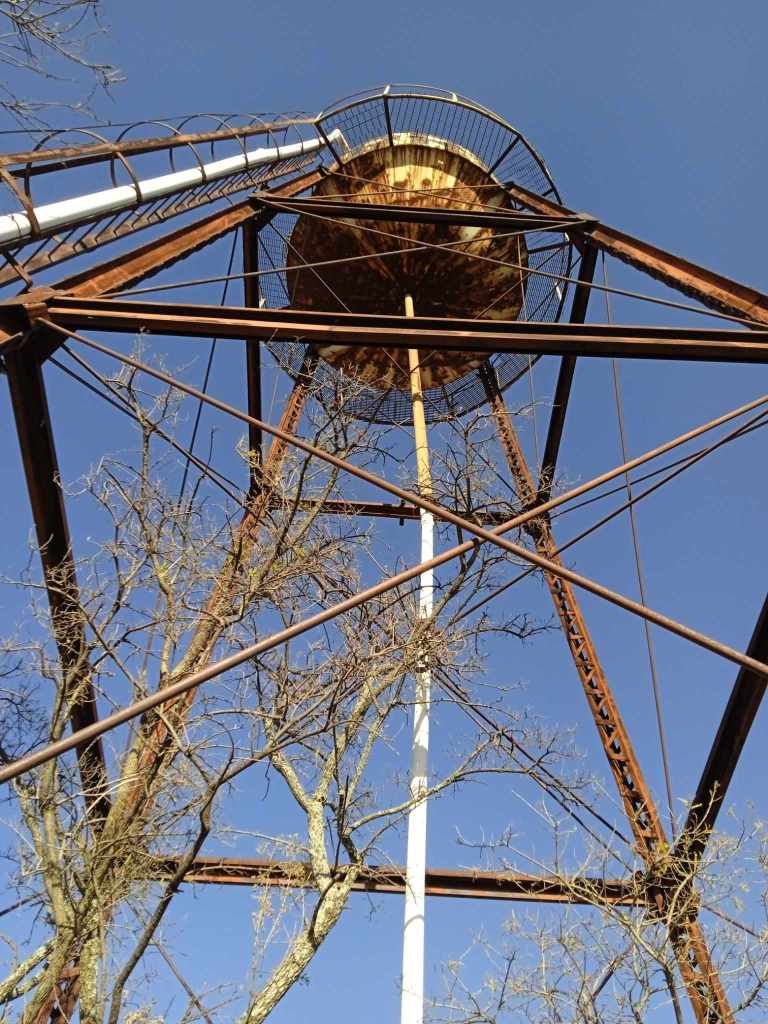
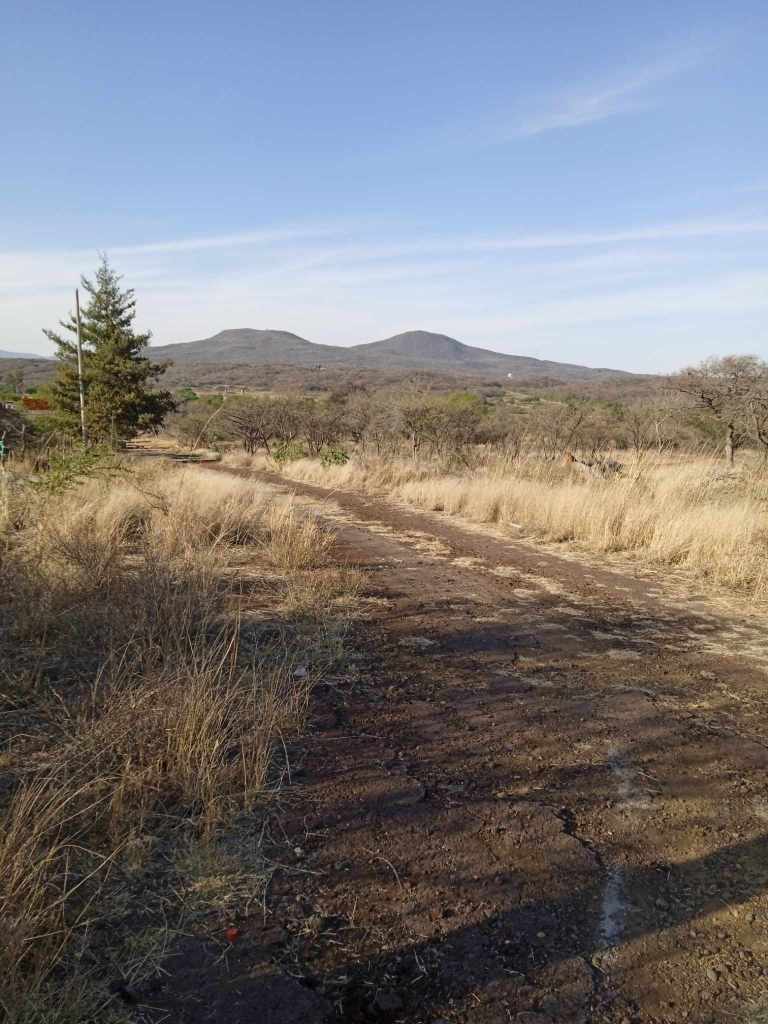
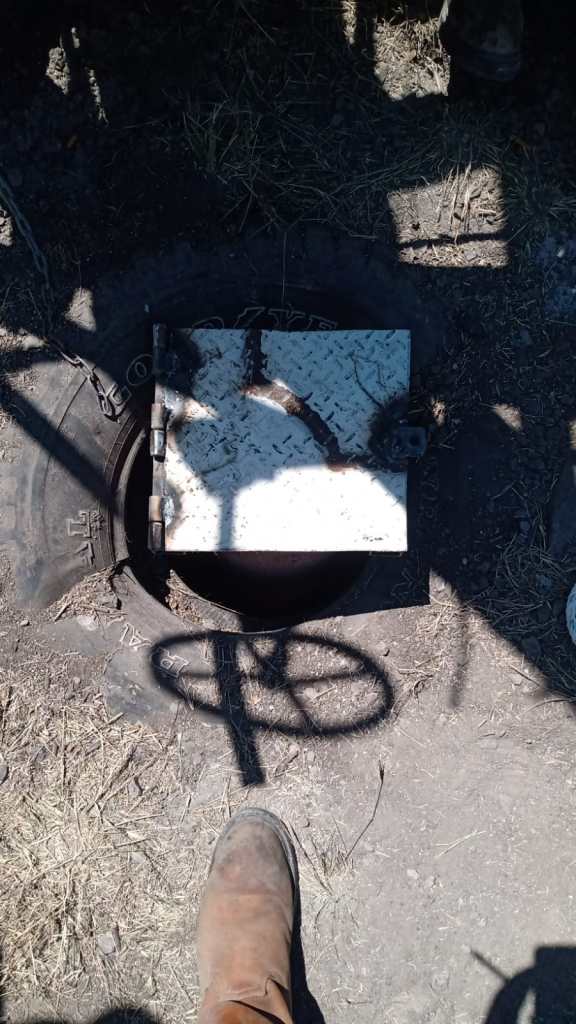
I also asked property owners, especially those with houses or fincas (buildings), to send me pictures of themselves in front of their homes. The aim was to personalize these stories and La Yacata, so that we are seen and heard. I took pictures of La Yacata as well, the bola de agua (water tower) that was rusted and abandoned, the rough conditions of the roads, and the pozo (well), or rather the well cover as the infrastructure to pump the water is not in place yet.

The next week, I went to the photo place and printed out the pictures I had taken and those that I had sent to me to include with the letter. I also made copies of the Actas de Defunción (death certificates) of the property owners who have died without realizing their dreams of a home in La Yacata. Other documents that went in the pile included the results of the three lawsuits that Chuchi enacted against La Yacata, which were decided in our favor, and the water, electric, and sewer projects that were not accepted by the presidency over the years. 

Palacio de Gobierno del Estado de Guanajuato

This large stack of evidence was then to be taken to the governor of Guanajuato’s office in person. Super Prez and I made a trip to Guanajuato the Friday before Semana Santa, only to arrive and find out there was a flower festival (El Día de las Flores) and the offices had closed early. The governor and his immediate staff would return en 15 días (2 weeks) after Easter break.

We didn’t make it back until the Thursday before the next junta. The trip was rather uneventful. We arrived, parked, and entered the governor’s palace. We spoke with the sub-secretary, the secretary of the governor’s secretary. Neither the secretary nor the governor were present. Election campaigning had started, and although the current governor can not be reelected, the idea was that the same partido (political party) stay in power and the secretary remain at her post for the next six years.

The sub-secretary read through the letter. She said that programs were available for situations like ours. She stamped the copy of the document we brought for that very purpose, and that was that. She said that typically, petitioners are contacted within 5 days of petition presentation.

Then we walked half a block to the DIF (Desarrollo Integral de la Familia) main office. The sidewalks were in deplorable condition (I tripped and nearly fell twice), and the whole area smelled like sewers. Super Prez commented that we had little chance of funding when there weren’t even functional utilities where the governor lived and worked. Valid point. But undeterred, we marched into the DIF office and talked to the receptionist who took our papers, stamped the copy, and sent us on our way, promising to deliver it to the appropriate person. We asked the security guard outside the building to take our picture as evidence of our trip. And then we headed home.

***

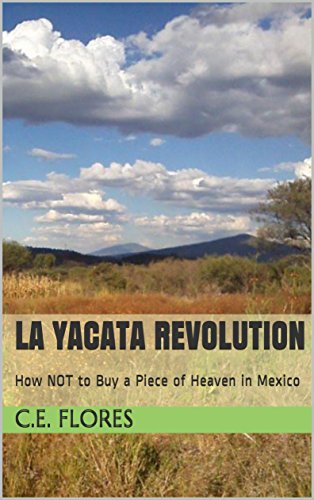
So you have big dreams of buying a few acres in Mexico and living the good life? There’s more to living in Mexico than you might imagine. In a land where everybody’s finger is in the pie, it’s hard to find the proper channels to get basic services like water, sewage, and electricity installed. When one community has had enough, they staged a coup and launched La Yacata Revolution. Follow along with their attempts to restructure the Mexican political system in microcosm. Viva!

2 Comments

Filed under La Yacata Revolution

Natural Healing — Plátano

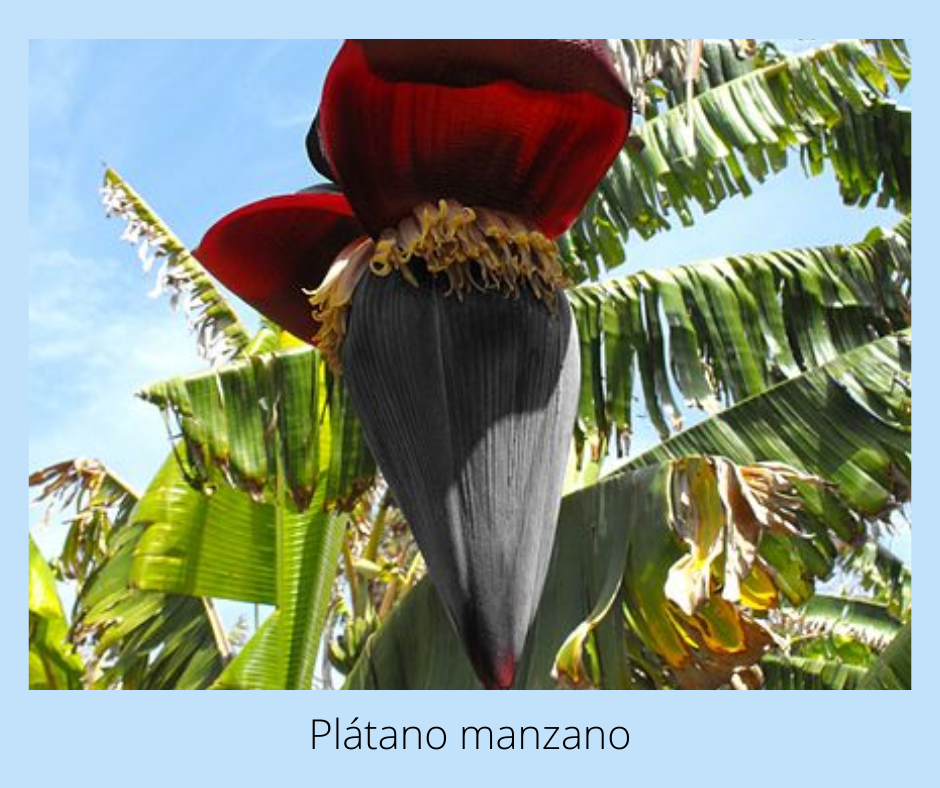
Photo credit: Stickpen

Did you know that eight plátano varities are cultivated in Mexico? EIGHT! Plátano morado or malayo (Musa acuminata), plátano tabasco (Musa × paradisiaca), plátano largo (Musa paradisiaca var. baldisiana), plátano guineo (Musa balbisiana), plátano manzano (Musa sapientum), plátano de bolsa (Musa paradisiaca var. reticulata), plátano dominico (Musa paradisiaca var. sapientum), and the Plátano roatán (Musa paradisiaca var. cavendish). Names are complex and confusing since the hybridization process has created between 300 and 1000 varieties of bananas and plantains.

Bananas were originally cultivated in Southeast Asia. Many historians believe that bishop Vasco de Quiroga brought the first rootstocks to Mexico from Santo Domingo in 1554. In Mexican herbalism, plátanos are considered “cold” and should be avoided in the treatment of “hot” ailments such as dolores de ijar (menstrual cramps). 

Plátano cultivation is taken seriously. In Tabasco, Ch’ol farmers are particular about the soil where plátano is grown. The preferred environment is made up of black or sandy soils. Musa paradisiaca, a type of plantain, is the variety whose leaves are used in tamale preparation, and the fruit is typically boiled or deep-fried before serving.

The air-dried leaves and cluster stems of the plátano manzano, known as Ja’as in Mayan, are used in remedies for tuberculosis (peste blanca). Studies have shown that the Musa acuminata variety at least presents antimycobacterial activity supporting its use in TB treatments. In some areas, a poultice is made from mashed, ripe bananas and applied to the back and chest of a person with pneumonia. 

You might remember that when Joey impaled himself on the fence, the vet mushed an entire banana into the wound to aid in recovery. Well, seems there is something to that after all.

Plátano peels are used to promote wound healing. For external skin infections, a still-green peel is set out to dry and then wrapped on the wound area as a poultice. For dry skin, a mask or poultice is made from the fruit. For itchy mosquito bites, the underside of the peel is rubbed on the skin. Other common uses include as an aid to treat constipation, urinary tract infections, breathing difficulties, and nervous system ailments.

A concoction for alcoholics involves boiling coconut water from two coconuts (Cocos nucifera) in a new clay pot and the peels from five plátanos. Add piloncillo and steep it all for three days. Every morning for nine consecutive days, this drink is served with a dash of alcohol to discourage overindulgence. 

A tea made for insomnia is made by boiling one plátano (with peel) and canela stick (Cinnamomum zeylanicum) for 15 minutes in a liter of water. Strain and add miel (honey) to taste. 

Thus, it should come as no surprise that plátanos are an excellent addition to a healthy diet. The antioxidants found in this sweet fruit show promise in the treatment of Parkinson’s disease. Its dopamine content reduces the severity of depression. It’s also antimicrobial, antibacterial, and antifungal. Regular ingestion has shown to be cell-protective, providing an anti-cancer effect. Banana starch as part of a regular diet promotes healthy weight loss. More specifically, the variety musa sapientum has been found to be anti-hyperglycemic.

***

Interested in natural remedies? Uncover herbal remedies from traditional Mexican sources for healing and wellness in the Exploring Traditional Herbal Remedies in Mexico series.

Leave a comment

Filed under Health, Mexican Food and Drink, Natural Healing