Natural Healing — Cempasúchil

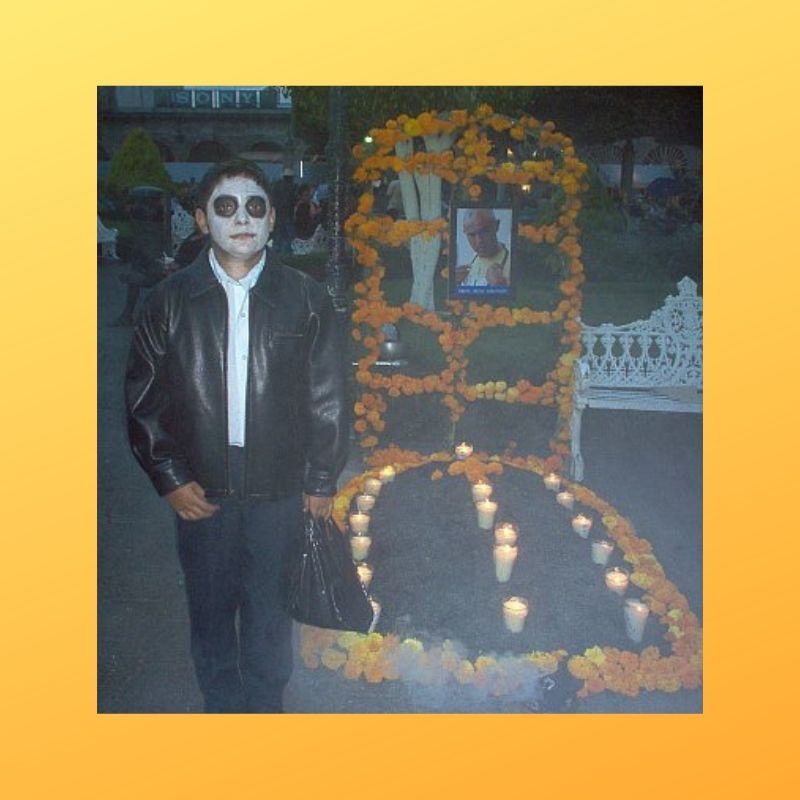
marigold alter.jpg

The Aztec marigold (Tagetes erecta)  is known as cempasúchil in Mexico. The name comes from the Nahuatl cempohualxochitl which translates as “20 flowers”, possibly referring to the fact that each blossom has the potential to create 20 or more flowers, although some sources reference the ritualistic significance of the number 20, so there maybe be other reasons for this name.

This aromatic flower is native to Mexico and has a long history of medicinal and ritualistic use. Even today, this flower dominates the festival Dia de Los Muertos (Day of the Dead). It is believed that the strong scent will call to the spirits that are roaming free and guide them home to visit loved ones. This use has given the cempasúchil another name, Flor de Muertos (Flower of the Dead).

The Mayan had similar beliefs. The priests would wash their hands and face with an infusion of leaves and flowers before calling the spirits.

There is a legend that describes the love of Xóchitl and Huitzilin. Their feelings were so strong that when Huitzlin died in battle, the sun god Tonatiuh heard the pleas of Xóchitl to reunite them. He transformed Xóchitl into the cempohualxochitl flower. Huitzlin, who had been reincarnated in the form of the hummingbird, forever after found nourishment among her “20 flowers.”

Francisco Hernández described the common use of the cempasúchil in the Historia Natural de la Nueva España like this:

“Tienen todas hojas como de tanaceto, flores amarillas, o amarillas con algo de bermejo, de temperamento caliente y seco en tercer grado, sabor acre, partes sutiles y olor un tanto fuerte. Tiene virtud resolutiva y aperitiva; el jugo de las hojas tomado o las mismas hojas machacadas y tomadas con agua o con vino atemperan el estómago frío, provocan las reglas, la orina y el sudor, alejan los fríos de las intermitentes untadas un poco antes del acceso, quitan la flatulencia, excitan el apetito venéreo, curan la debilidad que proviene de destemplaza fría del hígado, abren las vías obstruidas, aflojan los miembros contraídos, alivian la hidropesía, provocan vómito tomadas con agua tibia, y curan los fríos de las fiebres y aun las fiebres mismas evacuando la causa por la orina y el sudor.”

Historia Natural de la Nueva España, Volume II. Book IV, CLXXIX

Loosely translated, it reads:

“They all have leaves like tansy, yellow flowers, or yellow with some red, hot-tempered and dry in the third degree, pungent taste, subtle parts, and somewhat strong smell. It has a decisive and aperitive virtue; the juice of the leaves drunk or the same leaves crushed and drunk with water or wine temper the stomach, provoke menstruation, urine and sweat, remove intermittent shivers by smearing a little near body cavities, rid the body of flatulence, they excite the venereal appetite, they cure the weakness that comes from the dislocation of the liver, they open the clogged passageways, they loosen contracted limbs, they relieve dropsy, they provoke vomit when drunk with lukewarm water, and they cure shivering of the fevers and even the fevers themselves evacuating the cause of urine and sweat.”

Strange 15th-century disorders aside, like the floating liver, the cempasúchil has been shown to be effective in the majority of the ailments Hernández listed and continues to be an important ingredient in many natural remedies in Mexico today.

Traditionally, the cempasúchil has been used to treat intestinal parasites. Drink 3 cups of a tea made from a pinch of flower petals and 1 / 4 liter of water. The flowers also have anti-inflammatory properties.

A diluted, lukewarm tea is given to babies with colic commonly called empache. The flowers have spasmolytic properties which help soothe the bellyache and reduces fussiness.

An infusion or tincture of the flowers is also used to treat susto or espanto which are nervous conditions. The compounds in the flowers have a sedative effect.

Both antioxidant and antibacterial, the cempasúchil has traditionally been used for wound care. The flowers are crushed into a poultice and can be applied directly to the injury or sore. The crushed leaves are used to treat boils and burns which aids in healing.

In the Yucatan, Tabasco, Oaxaca, and Veracruz, the cempasúchil is used to treat fever. Extracts from the plant are applied in a tincture to the bottom of the feet to provoke perspiration and sweating. In Guerrero and Tabasco, the plant is used to treat colds.

The petals are edible and have anti-aging properties, so go ahead and sprinkle some on your salad. Or you could this chicken in marigold sauce recipe or one of the dishes in the video below.

This versatile plant is also a boon to the gardener, being a natural insect repellent. Crushed petals rubbed on your skin will repel mosquitos.

The petals make a non-toxic dye. In Mexico, dried and powdered petals are fed to chickens so that their skin and eggs are yellower. There is also a cempasúchil pulque (moonshine) made in some areas.

All in all, there is more than one reason to have cempasúchil in your herbal repertoire. 

***

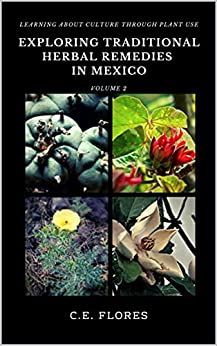
Interested in natural remedies? Uncover herbal remedies from traditional Mexican sources for healing and wellness in the Exploring Traditional Herbal Remedies in Mexico series.

Leave a comment

Filed under Health, Mexican Cultural Stories, Mexican Food and Drink, Native fauna and flora, Natural Healing

How to Stay Warm in Rural Mexico

Yes, I live in Mexico which is substantially closer to the equator than the U.S. or Canada or Russia for that matter. However, it DOES get cold here. As most homes in Mexico are not insulated, nor do they have a heating system, well, that coldness seeps right into the bones some days.

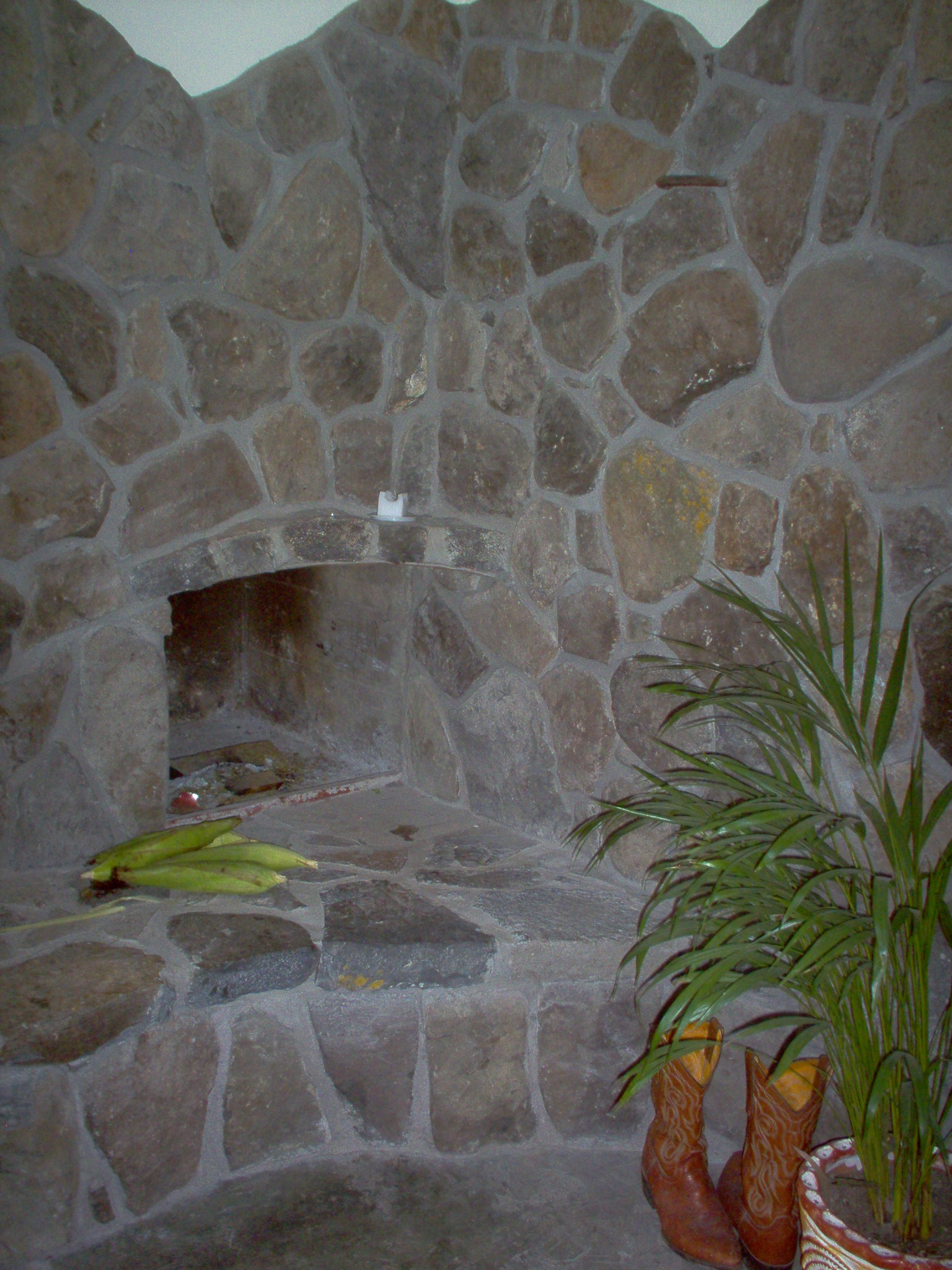
fireplace

Our toasty fireplace

I am a very lucky lady in that my husband made us a fireplace which in the most extreme weather conditions, we can light. In our area of central Mexico, that usually happens part of November and most of December. When my husband deems it is not sufficiently cold to light said fireplace, I have developed a few other ways to keep the chill off. 

I expect I shall feel better after tea.

Hot Drinks

Hot tea is my constant companion during the colder months. I’m not too particular about flavors. I like hot jamaica, hot manzanilla, and hot yerba buena, either harvested from my little herb garden or already bagged up bought from the store. Hot tea keeps a body warm.

Hot chocolate is another favorite of mine. I like a nice hot chocolate, made with Abuelita circles, in the evening. When there is fresh goat milk available, even better.

IMG_20190924_093608 (2)

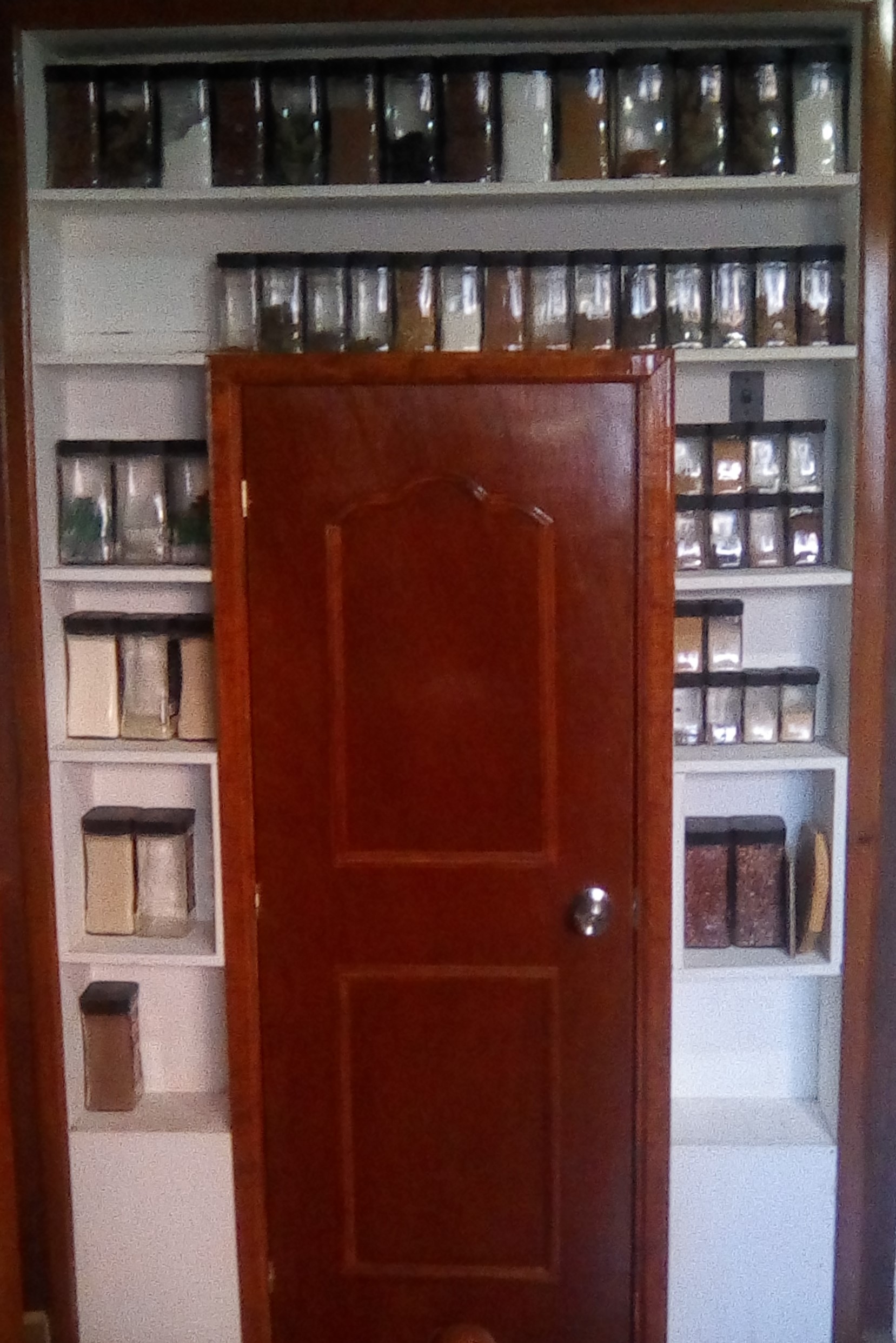
All of those jars are Cafe Oro.

Hot coffee is my morning drink of choice. We’ve been drinking Cafe Oro for years because I use the glass containers as food storage jars in my pantry. They are square you see, and fit nicely lined up on the shelf. However, we are trying out new flavors this month. Some have been amazing, others rather disappointing. 

Este caldito resucita a un muerto

This broth will raise the dead–South American saying

Soup

Soup is another requirement for cold days. Not only does it warm you from the inside out, but the long cooking process also heats the kitchen, which is where I am, in front of the fireplace. Bone broth, chicken soup, beef stew, pozole, even menudo on occasion can be found simmering in a big pot in our house. 

Pajamas and Slipper Socks and Sweaters

I have quite an extensive selection of warm pajama bottoms and slipper socks. When I’m teaching classes online, my students can’t see my nether regions, so I swaddle them in furry jammie pants and fuzzy slipper socks. Sweaters work great to cover over that cute strawberry PJ shirt too. 

Throw Rugs and Blankets

Most houses in Mexico do not have carpeting. The tile floor can get mighty cold even with slipper socks on. Strategically placed throw rugs can reduce the amount of time your little feet come in contact with the tile. Think of it as setting up your own giant board game, and you are the plastic piece that needs to move forward and backward only on those throw rug spaces.

Blankets can be used to wrap yourself up in, or hung in doorways and over windows to keep down the draft. I like to fashion myself an entirely separate living space by hanging blankets at all the entrances to the main living area (the kitchen) where the roaring fireplace is doing its best to keep me warm. 

Snuggling

If there is nothing pressing to be done that cold, cold day, you might find me as snug as a bug in a rug in my bed piled high with blankets. I might have company, or I might be alone. My husband doesn’t allow the animals in the house, otherwise, they’d be right there with me, dogs, cat, and possibly a chivito or two. Isn’t that how the Eskimos keep warm?

Space Heater

When I must venture from my cocoon and work in my office which is farther from the fireplace than I would like, I plug in the space heater and put it under my desk. It uses quite a bit of electricity, so I only use it when I just can’t get warm, but it is an option. 

Get Outdoors

Most houses in Mexico are made with brick or block, which means cold walls and indoor temps. It’s great on hot days, but on cold days, not so much. 

If the temperature indoors is lower than the temperature outdoors, I go for a walk in the sunshine. A little bit of exercise raises my body’s internal temperature and I feel warmer, if only for a little while. 

Be Active

To keep that internal body temperature up, you can do some indoor activities as well. Sweeping, the job that never ends, cleaning the bathroom, and dusting are all great cold-weather chores. Some chores should not be done in frigid weather, like hand washing and mopping because getting all wet on top of the cold makes a miserable woman indeed. 

These are some of the ways that I stay warm in rural Mexico. How about you?


2 Comments

Filed under Construction, Cultural Challenges

Work Freedom Summit 2019. Did you miss it?

The thing with online summits is you only get free access for a limited period of time. Depending on your schedule, you may not get to listen to all the sessions you planned to. I know that happened to me with the Work Freedom Summit this week. 

On Thursday, I enjoyed Getting Started with Blogging, Creating Online Courses, Getting Started with Coaching. On Friday, I was able to listen to Turning Your Passions into Profit, Work at Home Possibilities, and How to Create Udemy Courses. Saturday brought me Proofreading and Editing, Website Design & Digital Services.

There were segments that I totally wanted to get the information from, but you know, laundry needed done, classes needed to be taught, and lunch needed prepared, so I didn’t get to them. If that happened to you, take heart. You can get LIFETIME access to all of the sessions plus bonus content for a fraction of what the material is worth. 

If you purchase today, you’ll get all this for just $67. If you wait until tomorrow, the price goes up. You have just until 9 PM EST for this pricepoint, so time is of the essence if you want in on this informative online Work Freedom summit for a reasonable price.

***

Leave a comment

Filed under Economics, Education, Employment, Teaching