
Tag Archives: mexican herbs

Natural Healing — Marrubio

Photo credit: Harry Rose

Marrubio (Marrubium vulgare) is a plant brought to Mexico by Spanish friars after the conquest. Never one to look a gift herb in the mouth, it’s become a staple healing plant in Mexico. Other names that are also used to refer to this plant include manrubio, marrubillo, malvarrubia, malcubio, malva del sapo, marrubio de monte, and malvarrubina.  In Michoacán, it is often referred to as uitsicua or uitzacua (sometimes spelled with a v instead of u) in the Tarascan language. The  Popoloca people use the word kathuchjeekunia and in Mexico State, it is known as tzopiloshihuitl. 

An infusion of flowers is used as an appetite stimulant and diuretic. In Veracruz, it is used for stomach issues, colds, cough, liver problems (bilis), diabetes, and to bring on menstruation. It is also used topically in after-birth cleansings, rheumatism, mange, wounds, hives, and rashes. 

Marrubio is antioxidant, anti-microbial, anti-biotic, anti-inflammatory, anti-parasitic, anti-fungal, anti-bacterial, wound-healing, anti-hypertensive, hypolipidemic, and sedative. It has shown promise in lowering plasma glucose levels, supporting its use in treating diabetes. 

A digestive tea is prepared with one tablespoon of flowers in one liter of boiled water. Allow it to steep for 10 minutes before straining. Drink one cup, three times a day.  As a wash, boil 20 grams of the leaves and flowers in one liter of water.  For bilis (liver problems caused by rage), boil the stems in one cup of water and drink before breakfast or an infusion of leaves before bed. A decoction made from the stems, leaves, and flowers is prescribed for stomach issues. A tincture is made from the entire plant (root to flower) left to soak in alcohol overnight. For susto (sudden fear), fresh stems are used to “sweep” the person of the fear. Then at noon, the person’s shadow is swept in front of a lit candle while praying.

Marrubio and Laurel Infusion for Digestion

• 1 laurel silvestre leaf (Litsea glaucescens)

• 1 tablespoon of dried marrubio leaves (Marrubium vulgare)

Bring ½ liter of water to boil with the laurel leaf. Remove from heat. Add the marrubio and allow it to steep for five minutes. Strain and drink after meals.

***

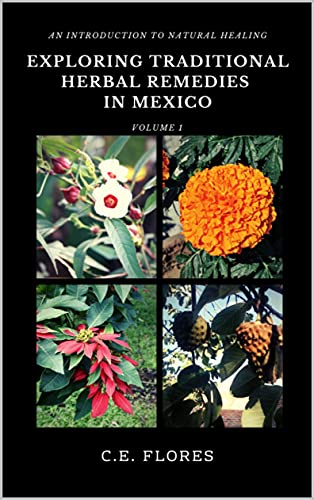
Interested in natural remedies? Uncover herbal remedies from traditional Mexican sources for healing and wellness in the Exploring Traditional Herbal Remedies in Mexico series.
Leave a comment

Filed under Health, Natural Healing

Natural Healing — Orégano de Monte

Photo credit: Consultaplantas

Mexican oregano is not oregano (Origanum vulgare) at all. Rather it is part of the lippia genus. More specifically it is Lippia graveolens. It has a similar smell and taste to oregano though its medicinal properties are unique to this species. Orégano de monte is a plant native to Mexico. In Nahuatl, this spice is called ahuiyac-xihuitl which translates to “fragrant savory herb.” In Maya, the plant is xaak-il-ché or xak’il-ché. In the Huasteca language it’s known as ananté. It is also known as orégano cimarrón  or orégano del país.

There are some local names that also refer to other plants in different regions, so care should be taken when identifying the plant. For example, in Puebla, Lippia graveolens is known as salvia. In Coahuila, the same plant is epazote. In certain parts of Oaxaca, this herb is romerillo de monte. Hierba dulce is another common name for this plant which also refers to several other species. Additionally, there are more than 40 species of plants that are called orégano in Mexico. 

Traditionally, orégano de monte is used for indigestion caused by gastrointestinal infections, respiratory issues, intestinal parasites, toothache, diabetes management, and to bring on delayed menstruation. It should not be used during pregnancy. In high doses, it can provoke vomiting. It is also to season meat, pozole, salsa, fish, menudo, and other savory dishes

Lippia graveolens has antioxidant, anti-parasitic, anti-inflammatory, antimicrobial, antifungal, anti-viral, anti-bacterial, antibiotic, and anti-glycemic properties. It is useful in the treatment of dyspepsia. It also is effective in reducing anxiety. Orégano de monte has a high concentration of monoterpenes supporting its use in the treatment of respiratory issues. Several studies have shown it is an effective agent against ticks and diseases caused by protozoans such as malaria, trypanosomiasis, and giardiasis.

To eliminate intestinal parasites, add a spoonful of epazote leaves (Dysphania ambrosioides), and a sprig of orégano de monte (Lippia graveolens), tomillo (Thymus), and yerba buena (Mentha spicata) to a cup of boiling water. Drink 3 cups a day on an empty stomach. 

For toothache, moisten a cotton ball in the essential oil and place it on the problem tooth for relief. Make an infusion from the leaves to make a compress for bruises, soreness, and swelling. Simmer a sprig of orégano de monte (Lippia graveolens) and romero (Salvia rosmarinus) in a cup of water. Strain and drink for a gasy stomach. 

Treatment for bilis (liver buildup as a result of anger, hence an anxiety issue) boil one liter of water. Add equal parts albahaca (Ocimum basilicum ‘Cinnamon), estafiate (Artemisia ludoviciana), yerba buena (Mentha spicata), and orégano de monte (Lippia graveolens). Simmer the herbs for 10 minutes. Strain. Drink one cup a day on an empty stomach for nine days. 

***

Want to learn a new way to look at plants? Discover common traditional medicine practiced in Mexico today in the Exploring Traditional Herbal Remedies in Mexico series.

2 Comments

Filed under Health, Mexican Food and Drink, Native fauna and flora, Natural Healing