Tag Archives: herbal remedies

Natural Healing — Damianita

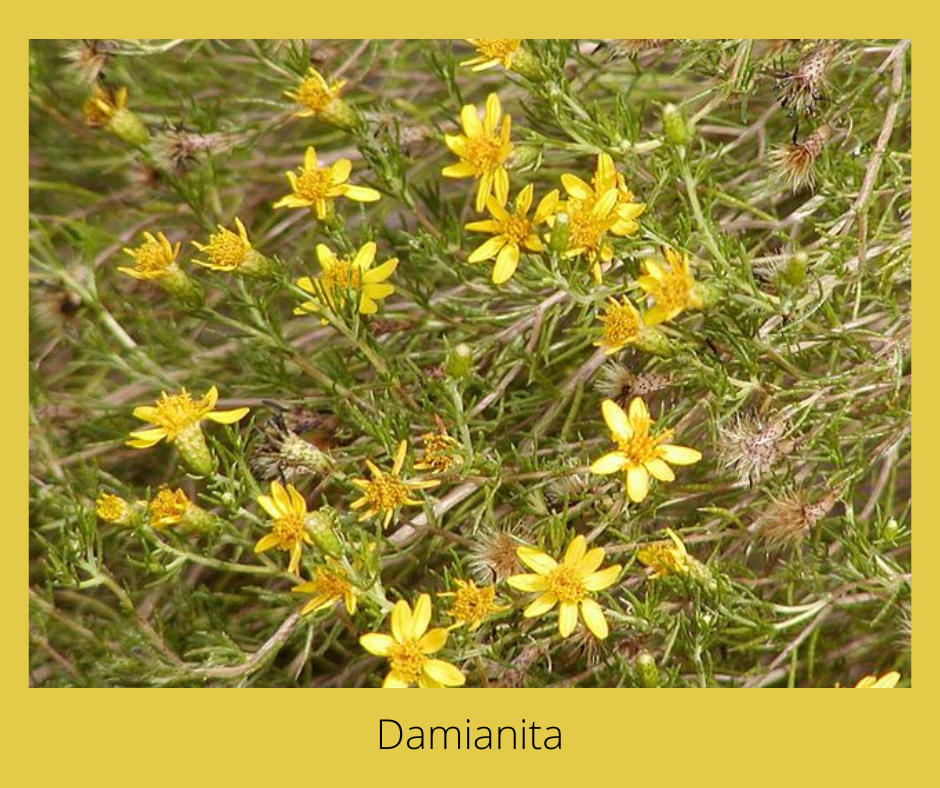
Photo Credit: Stan Shebs

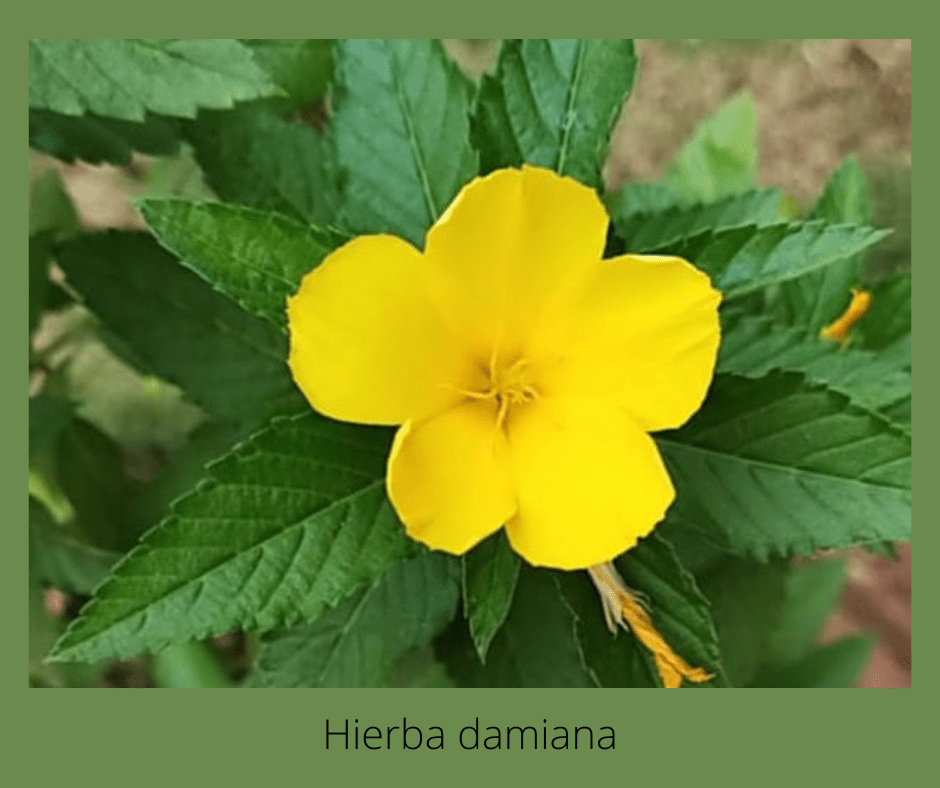
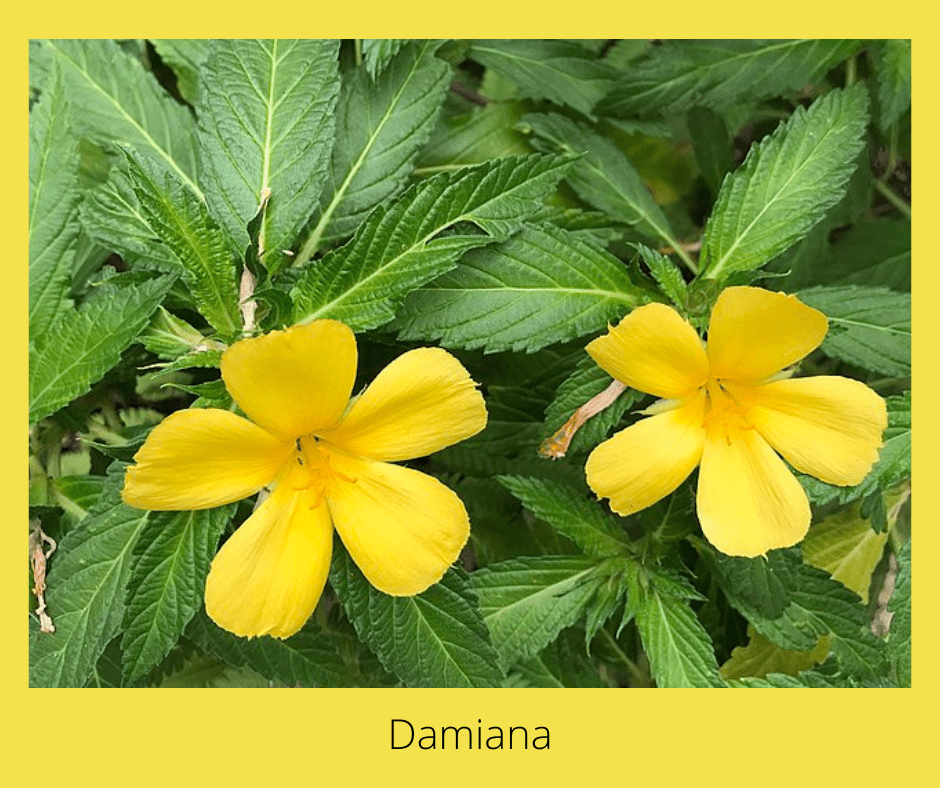
Damianita (Chrysactinia mexicana) is often called Hierba de San Nicolás (Saint Nicolas’ herb), which should not be confused with Piqueria trinervis, also known as Hierba de San Nicolás. Other common monikers have confusing overlaps as well. Although the term damaina is the most popular name for Turnera diffusa, it is sometimes used for Chrysactinia mexicana too. Therefore, Falsa damiana is a better name in this case. Garañona is a name given to both Castilleja tenuiflora and Chrysactinia mexicana in certain areas. Using the name Mariola or Romerillo leads to alternate plants Parthenium incanum and Asclepias linaria, respectively. Tatalencho is the term for Gymnosperma glutinosum or Chrysactinia mexicana depending on the region. 

On the other hand, Yeyepaxtle and the spelling variant Llellepaxtle are self-contained labels, as are San Nicolás Calanca, Tse ñ’ethi, and Damianita daisy. 

Damianita is mostly associated with fertility and the sexual organs in Mexico. However, it is also employed to reduce fever, treat rheumatism and tuberculous, and lessen the severity of diarrhea. It’s considered a “cold” plant and thus apt to treat “hot” infirmities. 

A decoction is prescribed for nine consecutive mornings before a woman’s period is due to make the womb more receptive to conception. This fertility treatment is prepared by adding one or two tablespoons of chopped leaves to a cup of boiling water and allowing it to steep for up to twenty minutes. An infusion of damianita should also be given to the male partner as it has both an aphrodisiac and prosexual stimulatory effect.

A hot decoction made from the entire plant is suggested as a sitz bath for relief from painful menstrual cramps. Boiled crushed leaves are used as a poultice for earache. Muscular aches and pains can be relieved by adding full branches to the bath. 

A tepid douche made with a teaspoon of honey and damianita is made for treating gonorrhea, sometimes called purgación. Another douche for syphilis is an infusion made from five damianita leaves and Tlalchichinole hembra (kohleria deppearia) in a half liter of water. This same infusion is drunk for ulcers and diarrhea, one cup in the morning and one at night. Chrysactinia mexicana is both diuretic and antispasmodic, thus useful in the treatment of intestinal spasms, diarrhea, and menstrual cramps. 

A douche made from a whole damianita plant is recommended for leukorrhea or flujos blancos, followed by drinking a decoction made of llantén (Plantago major) leaves. Chrysactinia mexicana has anti-fungal properties, which means if the flujos blancos are a result of yeast or other fungal infection, this douche could be beneficial. 

Chlamydia, gonorrhea, and syphilis are caused by bacteria. Therefore, the antimicrobial activities found in Chrysactinia mexicana can provide effective treatment for these and other fungal STDs. 

For tuberculosis, pneumonia, or other respiratory conditions, an infusion is prepared with the damianita leaves. Chrysactinia mexicana demonstrates antimycobacterial activity, supporting this traditional use. For a respiratory tea, boil fresh branches and drink daily as “agua de uso” (in place of water) until symptoms abate.
Additionally, Chrysactinia mexicana shows a pronounced antihyperglycemic effect and has a clear anti-depressant-like effect.

***

https://amzn.to/3CoZsKWInterested in natural remedies? Uncover herbal remedies from traditional Mexican sources for healing and wellness in the Exploring Traditional Herbal Remedies in Mexico series.

Leave a comment

Filed under Native fauna and flora, Natural Healing

Natural Healing — Ocote

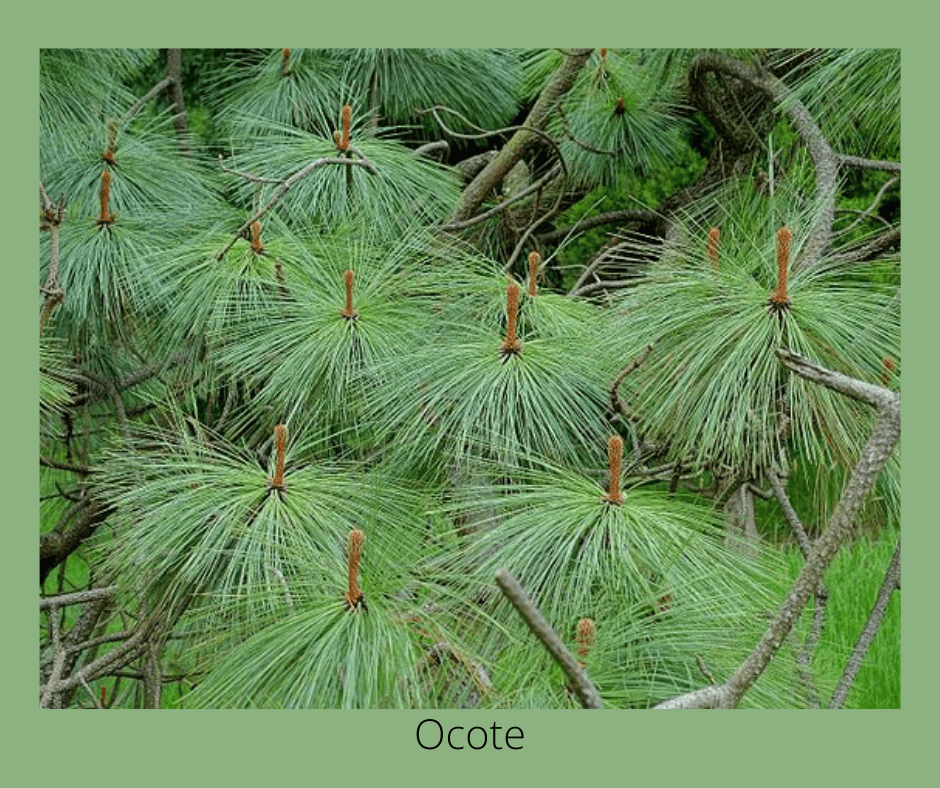
Photo credit: Daderot

When many people think about Mexico, pine trees are not in their concept of native plants. However, believe it or not, Mexico has the highest number of native pine species globally, between 43 to 51 species

Many of these species are used in traditional herbalism in Mexico. In fact, the resin from ocote (Pinus montezumae), called oxitl, was given to humans by Tzapotlatena, the goddess of medicine herself. According to Bernardino de Sahagún, this resin was used in remedies for fever and cracked skin. The name ocote comes from the Nahuatl ocotl. Ocotzotl, the resin or turpentine from the pine, is known as trementina. Another indigenous remedy was cuauh ocotl, a tea made from the needles for respiratory illnesses.

Trementina de ocote is prescribed for nail fungus and as an anti-lice repellent. It is also combined with alcanfor (Cinnamomum camphora) or gobernadora (Larrea tridentata) for a rheumatism liniment. Trementina is antiseptic, diuretic, rubefacient, and anti-parasitic.

In the state of Puebla, ocote is used to alleviate cold symptoms, and in Tlaxcala, it is prescribed as a remedy for bronchitis. It is also used in wound healing. It is considered a “hot” plant and is often used for “cold” illnesses through steam baths and infusions

Ocote is a hard pine and is used in construction. The resin is so flammable that cut branches will burn like torches. A vanillin flavoring can be obtained from the resin and pulpwood. Like other pine species, the seeds of the Pinus montezumae are edible but small. 

Té de Ocote for Congestion

  • 1 ocote branch with needles about 6 inches long (Pinus montezumae)

Boil the branch in 1 liter of water for five minutes. Strain and sweeten with miel (honey) if desired. Drink one cup a day to help with respiration.

***

Interested in natural remedies? Uncover herbal remedies from traditional Mexican sources for healing and wellness in the Exploring Traditional Herbal Remedies in Mexico series.

Leave a comment

Filed under Health, Native fauna and flora, Natural Healing

Natural Healing — Ocalito

One day, my husband and I were cruising around Cerano looking for, I forget what, and suddenly he stopped the motorcycle, hopped off, and pulled some leaves off a shrubby tree, saying they were ocalito leaves and he needed them for seasoning. Well, all righty then. I really couldn’t identify the leaves, and he didn’t have any more information on them, so time went by.

Then another day, I was perusing the herb section in one of the herb stores in town and saw a bag of leaves like the ones my husband had picked, but they were labeled “eucalipto.” Eucalyptus? But surely, eucalyptus wasn’t a tree that grew in Mexico. Time for some research. 

It turns out that eucalyptus trees were brought into Mexico in the late 1800s/early 1900s, predominately the Eucalyptus camaldulensis (rojo) and Eucalyptus tereticornis (azul) varieties. Commercial plantations were established but not well regulated. The trees escaped their growing confines and are now considered invasive species. Other varieties found in Mexico include Dólar de plata (Eucalyptus cinerea) and Eucalipto blanco (Eucalyptus globulus).

While ocalito is the name used in central Mexico, other common names are alcanfor, calipto, árbol de la fiebre, gigante ócalo, calistro, tzon tzko nasi in Oaxaca, ntajine in popoloca, an indigineous language spoken in Puebla. 

Ocalito is commonly used in Mexican herbalism for fever reduction, colds, asthma, and respiratory ailments

Eucalyptus camaldulensis bark extract is antiviral, antibacterial, antifungal, antioxidant, and insecticidal. It is also effective against atherosclerosis and hyperlipidemia. Leaf extracts contain antimicrobial,  antimalarial, anticancer, antibacterial, and antimutagenic properties. The essential oil reduces tooth biofilm formation and effectively reduces tooth decay and cavities. Vaginal cream that contains the essential oil has been shown to prevent and treat Trichomoniasis because of its anti-parasitic activity.

Both Eucalyptus torelliana and Eucalyptus camaldulensis effectively treat tuberculosis and the persistent cough associated with that illness and other respiratory issues. 

Eucalyptus globulus demonstrates strong antimicrobial activity. Eucalyptus tereticornis leaf extracts are antimicrobial, antioxidant, hypoglycemic, and may be beneficial in combating obesity.

Ocalito leaf infusions are given for resfriado (colds), bronquitis, and asthma. A stronger infusion is used for a mouth rinse. Steam inhalations are prescribed for respiratory congestion and cough. A wash from the bark is made for vaginitis, urinary tract infections, and wounds.

As a rub for colds and flu, combine ocalito, ruda (Ruta graveolens), and romero (Salvia rosmarinus) in a liter of arguardiente (alcohol). Allow it to infuse the alcohol. Before using, warm it, then shake. Apply over the entire body in the evening. Drink the following hot infusion and send the sick person to bed.

Ocalito and Ocote Infusion for the Flu

  • 1 stick of canela (Cinnamomum zeylanicum)
  • 1 ocote twig (Pinus montezumae)

Equal parts:

  • ocalito leaves (Eucalyptus camaldulensis)
  • malva leaves (Malva sylvestris)
  • bugambilia morada bracts (Bougainvillea glabra)

Boil in one liter of water for five minutes. Allow to steep for another 5 minutes. Serve with miel (honey) and limón (Citrus aurantifolia).

***

Interested in natural remedies? Uncover herbal remedies from traditional Mexican sources for healing and wellness in the Exploring Traditional Herbal Remedies in Mexico series.

Leave a comment

Filed under Health, Natural Healing