Category Archives: Natural Healing

Herbal Academy’s Summer School Workshops

It’s been a while since I’ve done a plug for Herbal Academy, but once you see what they have to offer this month, you’ll understand why I’m bringing it to your attention. 

Herbal Academy has THREE new and exciting summer workshops that will inspire you to keep your plant studies going strong all summer long. These workshops are short, sweet, and most importantly—fun! Each workshop comes with an optional companion product to enhance your herbal exploration.

Imagine for a moment:

  • Serving botanical mixed drinks at a summer cookout and soaking up the compliments while your friends and family marvel at how your herbal creations double as the star ingredients in your cocktail (or mocktail!) cabinet. 
  • Pressing natural herbs and flowers, walk into your beautiful plant press and then using the delicate pressed plants in your materia medica and summer craft projects.
  • Sipping on a refreshing herbal iced tea that you formulated yourself—tailored specifically to your tastes and featuring herbs that support your physical, emotional, or spiritual state.

Honestly, these sound like heavenly activities, but you know I’m a little obsessed with herbs anyway.

The Tea Blending 101 Workshop begins June 7. In this 3-part online workshop, you’ll learn everything you need to know to start blending and brewing custom herbal tea blends at home today! 
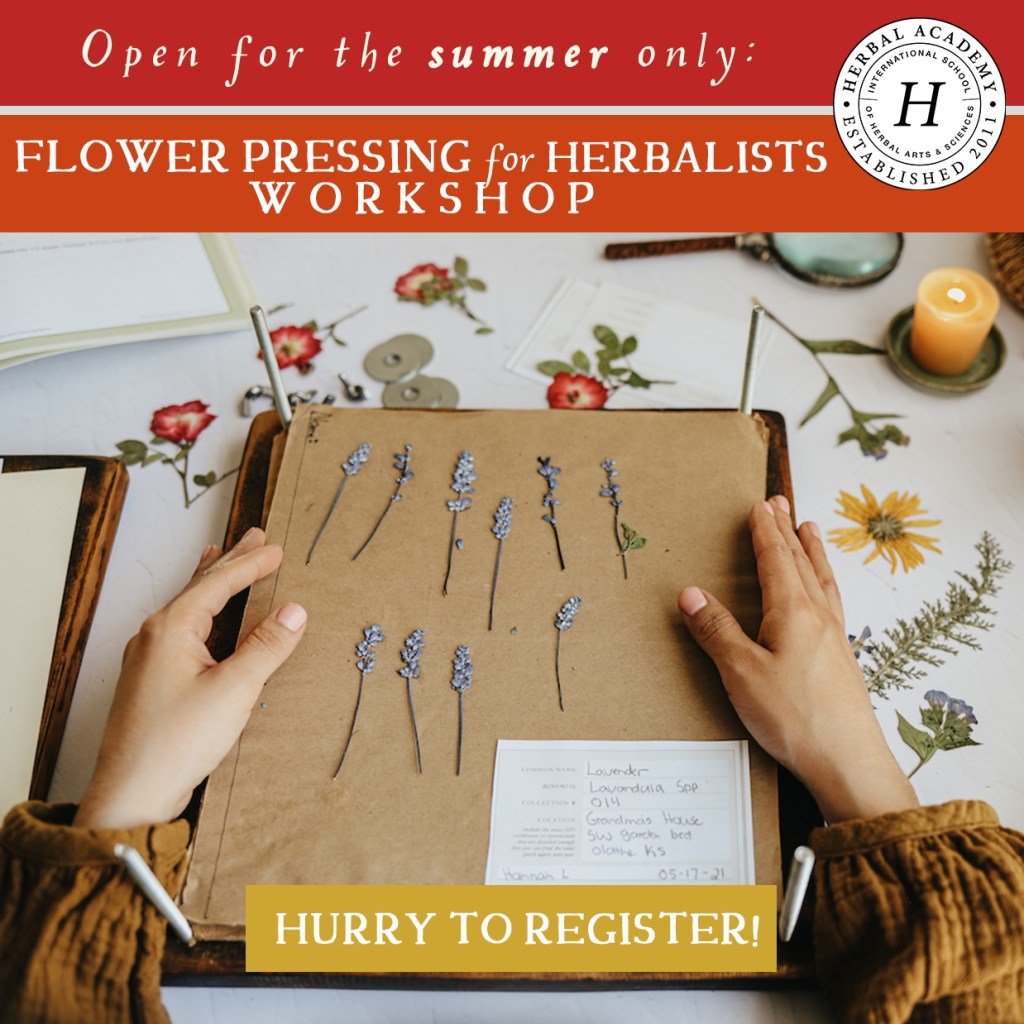
The Flower Pressing for Herbalists Workshop starts on June 21. In this creative online workshop, you will learn how to press flowers, leaves, and other plant parts to preserve their color for years to come. 

There are 4 in-depth lessons, a handful of printable charts and graphics, detailed plant-pressing instructions and troubleshooting tips, 4 inspiring videos, and 5 hands-on craft projects, showing you the skills you need to weave botanicals into every aspect of your home—from your apothecary to your kitchen to your art collection. 
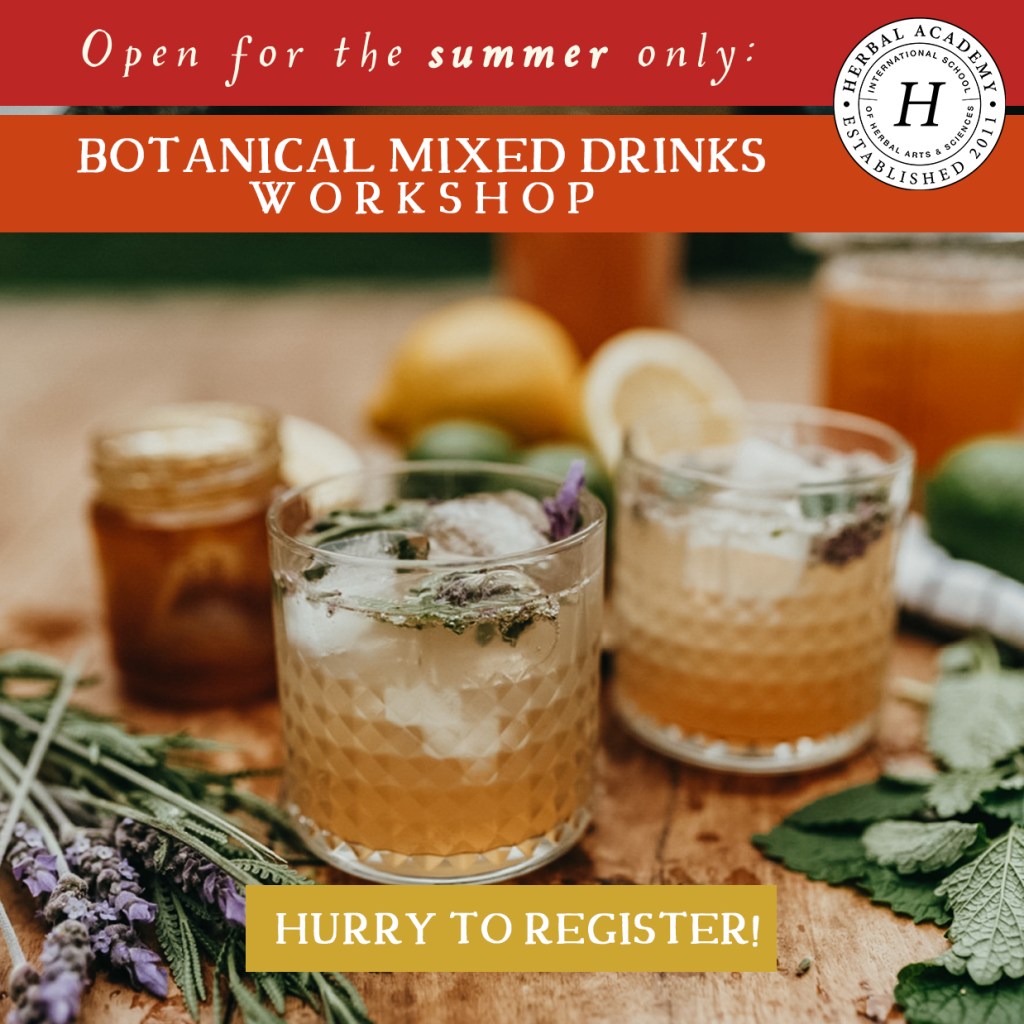
The Botanical Mixed Drinks Workshop is available on July 5. You will learn everything you need to know to start making flavorful herbal drinks at home, explore the anatomy of a well-made mixed drink, discover easy ways to transform a cocktail into a mocktail and learn how to create a well-stocked bar with basic supplies and herb-infused essentials like Honeysuckle Liqueur, Wild Vermouth, Hibiscus Syrup, and Orange Bitters.

Each course is $45, but you can get all three and save $20 by purchasing the bundle! Act quickly, though. The bundle deal is only available from May 21 until May 31. 

Whatever you choose, celebrate summer right with herbs! I know I will be!

Leave a comment

Filed under Natural Healing

Natural Healing — El Camote

Photo credit: Earth100

El camote (Ipomoea batatas), the sweet potato, is often confused with the yam (Dioscorea spp.). Both plants create edible tubers. However, sweet potatoes are related to the morning glory and yams to the lily. The tubers can be white, yellow, purple, pink, brown, or orange and have been used by indigenous groups for paint coloring. 

In Mexico, this tuberous delicacy is called el camote from the Nahuatl word camotli. Many experts believe it was first domesticated in Peru around 2800 B.C. and had become established in most of Mexico as well as Central and South America before the Spanish arrived. 

Juan de Grijalva’s interactions with the Maya in the 1518 expedition describe los camotes as tasting like roasted chestnuts. The bishop to Yucatan, Diego de Landa, recorded in 1572 that the Maya used los camotes to bulk up pozole and atole when the corn crop was low. Los camotes were served to Cortez in 1519 during a banquet with Moctezuma. 

Los camotes continue to be a common fall edition to the Mexican diet. They can thrive in poor soil and their vines reduce the growth of weeds, so they are often planted as companion crops. Los camotes de Santa Clara, originally produced by the nuns of the Convento de Santa Clara in the state of Puebla, are considered sweets of the highest quality.

The camote contains complex carbohydrates, fiber, iron, calcium, and Vitamins A, C, and B6. The orange variety has substantial antioxidant beta-carotene. In traditional medicine, the camote is prescribed for fevers and as a heart tonic. The leaves are applied topically to treat skin infections and wounds. 

Ipomoea batatas is useful in the treatment of hyperglycemia. The leaves demonstrate anti-cancer, hypolipidemic, and anti-atherosclerogenic properties, supporting their use as a heart tonic. The tuber has shown to be effective in improving the function of mitochondria in the liver damaged because of obesity, diabetes, or metabolic syndrome. 

The leaves from the purple camote can be made into a tea high in antioxidants. The tuber from the same variety has antibacterial properties and anthocyanins, which reduce blood uric acid levels. 

Camotes en Almíbar

  • 2  medium-sized camotes (Ipomoea batatas)
  • 1  cup of water
  • ½  stick of canela (Cinnamomum zeylanicum)
  • 1 piloncillo cone

Wash the camotes. Place them in a pot with the canela, piloncillo, and water. Cover and cook on medium heat for about 25 minutes. The camotes should be slightly firm in the middle yet. Remove the camotes and cut them in half. Serve covered in the syrup they were cooked in. Many in Mexico add a bit of milk to the bowl as well, but it’s optional.

****

Interested in natural remedies? Uncover herbal remedies from traditional Mexican sources for healing and wellness in the Exploring Traditional Herbal Remedies in Mexico series.

Leave a comment

Filed under Natural Healing

Natural Healing — Pericón

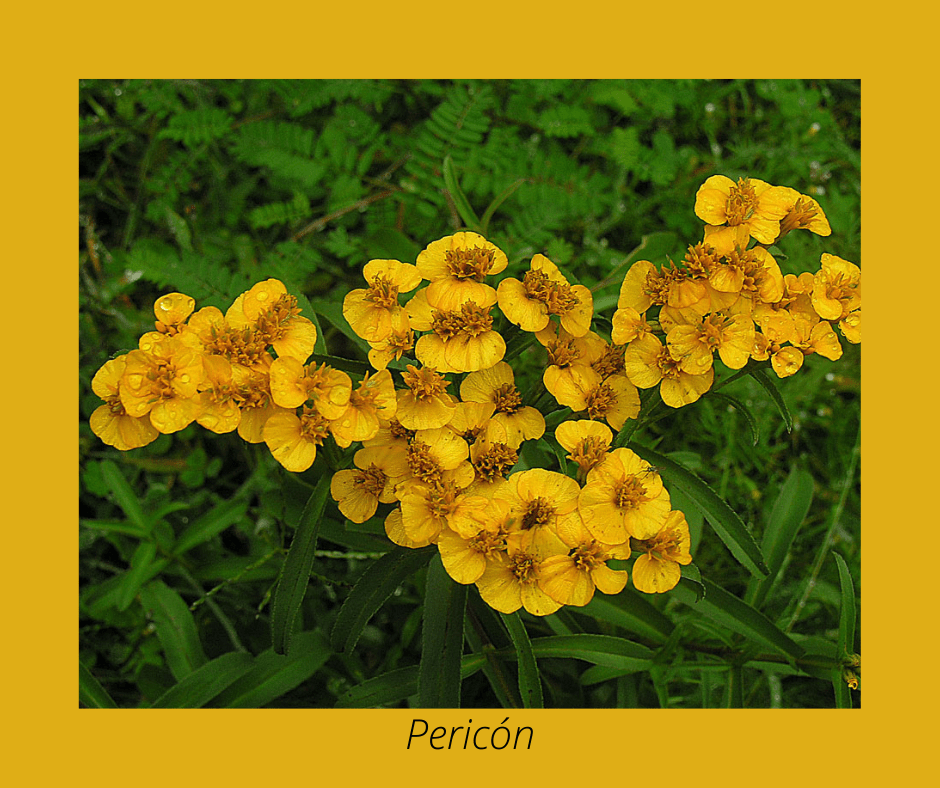
Tagetes lucida Photo credit: Dick Culbert

Pericón (Tagetes lucida) is also known as, hierbanís, cuchrucumín, flor de Santa María, hierba añil, periquillo, yerbanís, Mexican tarragon in English, yauhtli in Nahuatl, and Naná uarhi in Purépecha. It is native to Mexico and in the same family as the more well-known cempasúchil (Tagetes erecta). The Aztecs used it in cooking, as medicine, and in rituals. It was an ingredient to the sacred drink chocolatl and still added to chayote and elotes (boiled corn ears) for flavoring. As it was considered holy to Tlaloc, the rain god, it was rubbed on the chest to ensure safety before crossing a river. It was closely associated with the harvest because it is found after the first rains of the season and blooms around the time the corn is ready to harvest.

After the conquest, pericón became associated with San Miguel (Michael the Archangel). In many areas, it is customary to place crosses made from the plant in each corner of la milpa (cornfield) and on doors to homes and businesses on September 28 to invoke the protection of San Miguel as part of the periconeada (also known as la Fiesta del Pericón) ceremony. September 29 is the feast day of the three archangels, Gabriel, Raphael, and Michael.  

Medicinally, pericón is prescribed as a tonic for diarrhea, empacho (indigestion), asthma, colds, rheumatism, susto (a nervous disorder), and to regulate menstruation in Mexico

An infusion for stuffy noses is made with a handful of leaves in a quart of water. Another tea for fever includes the stems, leaves, and flowers. Dried plants are often burned to keep flies and mosquitoes away from an area.

Pericón has anti-inflammatory, antihypertensive, antispasmodic, antidiarrheal, antifungal, antibacterial, antioxidant, antimicrobial, antinociceptive, antidepressant, and sedative-like properties. These components support its traditional use for some nervous and digestive disorders. Additionally, it is a potent hepatoprotective and effective against Streptococcus pyogenes respiratory diseases.

Note: The name hierba anís is used for three related plants, Tagetes lucida, Tagetes filifolia, and Tagetes micrantha in different areas of Mexico. Be sure to positively identify the plant before use.

Pericón Infusion for Stuffy Nose

3-5 tablespoons of pericón leaves

Simmer the leaves in a quart of water. Allow it to steep for 10 minutes. Strain and sip throughout the day to alleviate a stuffy nose.

***

Interested in health? Learn traditional Mexican plant remedies used today for wellness in the Exploring Traditional Herbal Remedies in Mexico series. Now available on Amazon!

Leave a comment

Filed under Health, Native fauna and flora, Natural Healing