
Mexico loves to celebrate! You’d be hard pressed to find a family that hasn’t shared their life events with the friends and family in the form of a fiesta! And really, why not? Life events from christening to funerals, all have their own form of celebration.


More often than not, parties are not held at the celebrant’s house, but at a rented Salón de eventos (party hall) or cabaña (cabin). The owner will provide electricity, bathrooms and a clean-up crew, but usually not much else.

So the next party stop is to make arrangements with a place that advertises Se renta sillas y mesas (tables and chairs for rent). You’ll request a certain number of chairs and tables and sometimes tablecloths to be delivered to the rented venue shortly before the event. You’ll need to ask specifically whether the chairs and tables will be set up for you, or if you’ll need to have that done by the nieces and nephews an hour or so before the party. Just so you know, most often the chairs are flimsy metal contraptions with not nearly enough seat for your rump marked with the Corona logo.
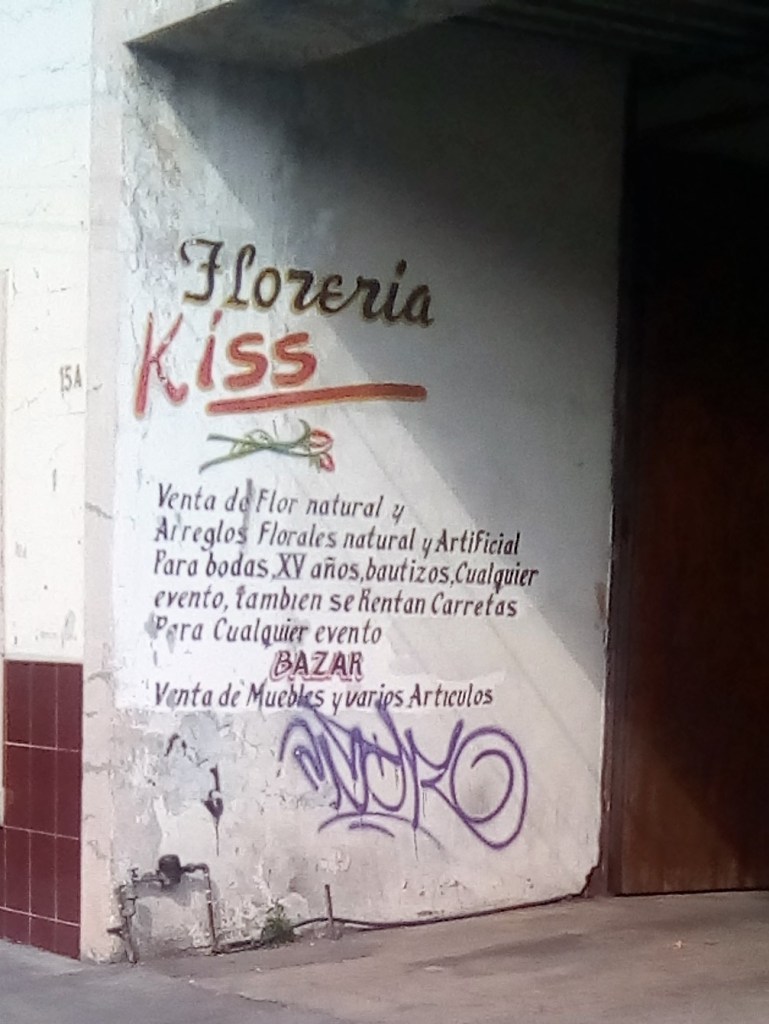
A lot of people have the decorations made, which adds a personal touch to the event. Weddings and Quinceañera especially have adornments from florerías and tortilla servilletas (napkins) hand embroidered with names and dates from those ladies that sit in the market. Be aware that these are meant to be gifts for attendees, along with the larger table decorations, so if you want one as a memento, set it aside BEFORE the party otherwise you might just find there’s not a single one left.

On the other hand, there are places that rent themed decorations for events. These are NOT meant to be taken as souvenirs. The decorator will charge you for missing items so make sure your guests know the decorations are rented. You might be able to rent nicer tables and chairs from these party planners as well.


You will be able to hire a DJ (sonido) and servers (meseros) at places that advertise those services. Often the chair and table renters can refer you to a cousin that will be able to meet your music and serving needs.
The food is ordered from an establishment that specializes in that particular food preparation. Carnitas are the most common party fare so you would make arrangements with one of the regular carnita sellers to fry you up some pig during the day so that it will be sizzling hot when lunch/dinner is served. Usually, the food preparer will make arrangements for delivery, but it’s best to check. The same is true for cakes from the pastelerías.
Tortillas are also ordered ahead of time from a Tortillería. My sister-in-law often gets orders of 30 kilos or more for events. The host (or person in charge of the food for the event) places and pays for the order and she makes arrangements for her ladies to come at a specific time so that the tortillas will be piping hot for the event. She wraps them in tin-foil and keeps them hot in a cooler. She doesn’t deliver, so someone needs to make sure someone picks up the tortillas at her establishment before the party.
More luxurious parties might have a hired bartender or maybe el primo de su tía handling drink orders. Most parties have 2-liter soda bottles scattered along the table and people serve themselves. Many party guests bring their own alcohol as well, occasionally bottles are provided by the host in the spirit of self-serve.

Plates, cups, napkins, and eating utensils, even at most fancy dancy parties, are desechables (disposable) and purchased in bulk by the host, not the meal preparer at stores that sell desechables.


If your party calls for a piñata, make sure you fill it up with a mixed selected from the Dulcería (candy shop), otherwise, the whackers will be sorely disappointed when nothing but confetti falls out.

Many salones de fiestas (party halls) have a children’s play area. You can also rent inflables or brincolines which are those inflatable slides or jumpy castles to add to the fun. Make sure you have an extension cord long enough to power the inflator.

Make sure to book a videographer for pictures and a video montage of the event. Most foto estudios offer this service.

Make-up and hairdressing are done at a salón de belleza (beauty salon) or you can hire a beautician to come to your home prior to the event for some beautifying. Manis and pedis can be set up at places that offer Aplicacion De Uñas (nail application).

While women often buy their party outfits, men often have the option to rent their suits or mariachi costumes. These however often require tailor fittings beforehand, so check with the establishment on making arrangements.
Financing an all-out shindig comes from the pockets of the padrinos (godparents). Take, for example, the Quinceañera. Every aspect of the event has a specific madrina/padrino. It’s important to acknowledge the contribution of each and every madrina/padrino publicly so as to avoid offense. In fact, best to thank them several times in front of an audience over the course of the event. For the most part, these “contributions” make up the “gifts” to the celebrant rather than a pile of wrapped boxes. If you are asked to stand as madrina/padrino for a life event, make sure you know exactly what you will be responsible for.

I’ve seen a few invitations for events but for the most part, attendees are invited personally or brought along by someone who was invited personally or is a madrina/padrino for the event so don’t be alarmed if there is a sizable section of people you don’t know at your party. There’s always enough food and drink and if not, there’s always someone willing to go find more.
If you are dead set on invitations, you can make a master copy and have them printed out or copied at a place that advertises Se Hacen Copias (Copies made here). I wouldn’t recommend printing them on your own printer because printer ink is extremely expensive. Then you can spruce them up with sparkles or colors.
Parties quite often last long into the night and maybe part of the early morning. Somebody will bring the Café de olla (pot coffee) to keep you awake. The important thing is to remember is that you are making memories commemorating these transitional life events and not to be too fussed about those little annoyances (or that loud-mouth sister-in-law) that come up. Now go and have fun!






 Surviving Mexico